How to Build a Professional Photography Portfolio
Build a professional photography portfolio that books clients, builds trust, and shows your style.

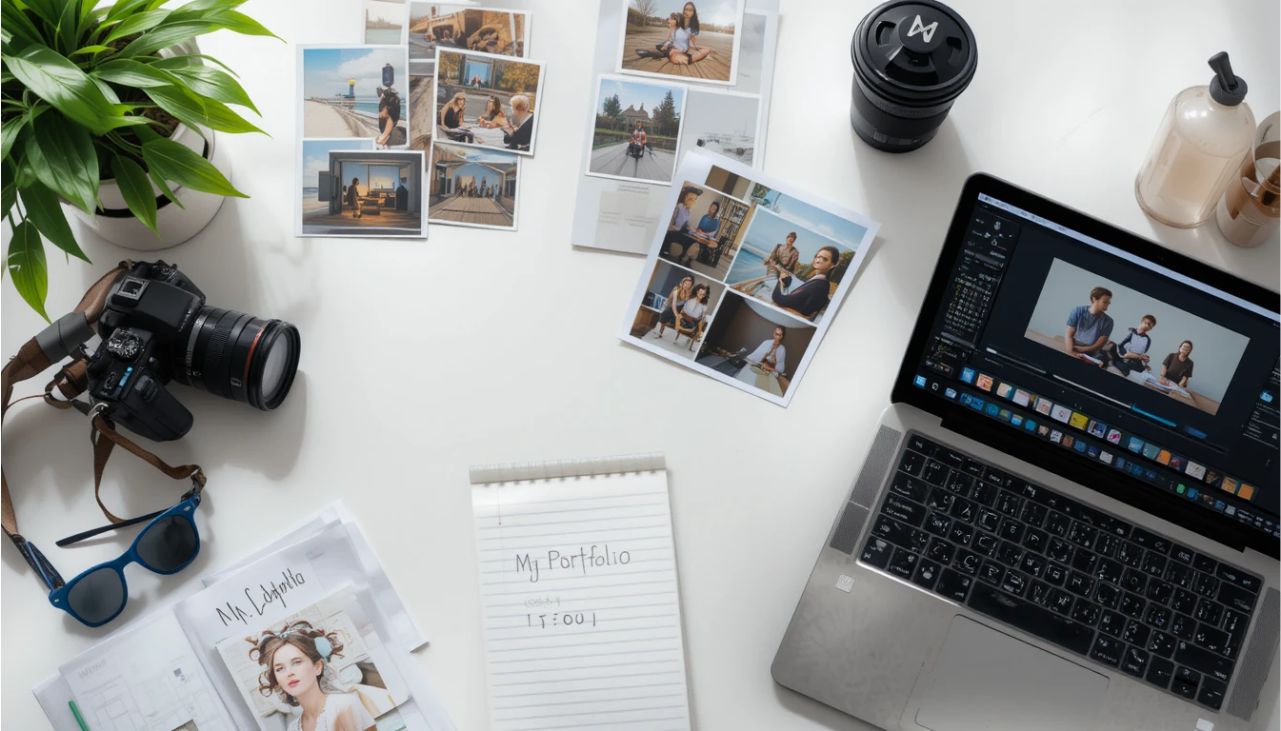
Building a professional photography portfolio is the first big step to becoming a successful photographer. Whether you dream of getting freelance gigs, landing job offers, or attracting new clients, your portfolio is your golden ticket. It shows what you can do. It tells people your story through pictures. And it helps them trust you with their special moments or big brand projects.
A great portfolio is not just a bunch of random photos. It’s a carefully chosen collection of your best work. Each photo should say something strong about your skill, your eye for detail, and your style. That’s why it’s super important to keep your portfolio clean, neat, and easy to look through.
When someone views your work, they should know right away what kind of photographer you are—whether you love portraits, travel shots, or want to master the art of product images. If you’re curious about that niche, check out our Product Photography Tips to sharpen your skills.
Also, your photography portfolio should match your brand. Use the same editing style or color tones. This helps people remember your work. Keep updating your gallery as you grow and improve. New clients love to see your recent projects.


In short, a smart, well-structured portfolio is your ad. It’s how you say, “Hey, I know what I’m doing—and here’s proof.” So, take your time, choose wisely, and let your photos do the talking.
Why a Strong Photography Portfolio Matters

A professional photography portfolio is not just a photo album. It’s your superpower! It shows the world what you can do with a camera. When someone looks at your portfolio, they should say, “Wow, I want this person to take my pictures!”
Your portfolio helps people trust you. It shows that you are skilled and serious. This builds professionalism. Clients like to see neat, clear work before they hire someone. A good portfolio makes a great first impression.
It also tells your story through pictures. That’s called visual storytelling. Each photo should say something about your style, your talent, and your passion. People remember stories more than random images.
Another reason your portfolio matters is that it helps you find your focus. There are many types of photography—weddings, food, sports, and pets! When you build your portfolio, you get to narrow down your expertise. That means you can show what you’re best at.
Plus, your portfolio shows your brand identity. That’s just a fancy way of saying it reflects who you are as a photographer. When your photos have the same style and feeling, people start to recognize your work.
So yes, the importance of a photography portfolio is huge. It helps you stand out, get noticed, and grow your dream career. Always remember: your portfolio is your voice—let it speak loud and clear!
Define Your Photography Niche

To build a great professional photography portfolio, you first need to know what kind of photos you love to take. This is called picking your photography niche. It means choosing the style or subject you want to focus on most.
There are many photography genres to explore. Some people take beautiful wedding photos. Others like close-up product shots. You might enjoy portrait photography or snapping pictures while you travel. Each niche is special and requires a different skill.
Now, think about your target audience. Who do you want to work with? Brides and grooms? Brands and shops? Families? Knowing your audience helps you pick the right niche.
Also, each niche has its style. For example, wedding clients want soft, romantic photos. But a product brand may want clean, sharp images. So, you must understand client expectations in your chosen niche.
Here’s a fun fact! According to the Professional Photographers of America (PPA), 85% of successful photographers focus on just 1 or 2 niches. That means finding your focus early can help you grow.
When you choose a niche, it becomes easier to build a niche photography portfolio. You get to show only your best and most relevant work. This makes clients trust you more and want to hire you.
So, don’t try to do everything. Start small. Pick your favorite type of photography. And let your portfolio shine in that space!
Select Your Best Work (Quality Over Quantity)
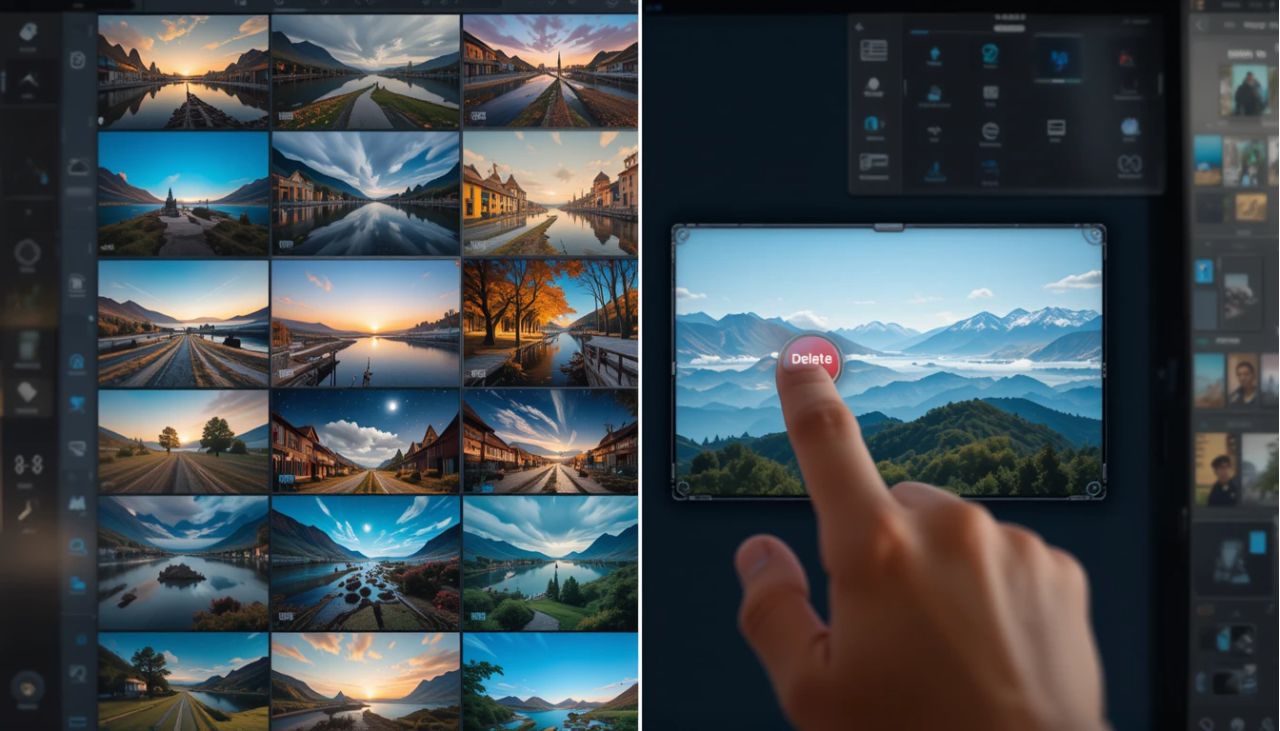
When you make your professional photography portfolio, don’t add every photo you’ve ever taken. Instead, pick your best shots. This is called curating portfolio images, and it means choosing only the pictures that truly shine.
Start with 15 to 20 high-quality pieces. That’s the sweet spot. It’s enough to show your skills, but not too many to make people bored. Too many photos can be confusing. So, focus on the ones that make people say, “Wow!”
Also, add variety to your portfolio. Use different poses, lighting setups, and editing styles. Show that you know how to work in bright sun, soft light, or even indoors. Clients love to see that you can handle anything.
Avoid using the same type of photo again and again. Repetitive compositions can make your work feel dull. Mix things up to keep it fun and fresh.
Here’s a cool tip: include before-and-after editing shots. This shows how you take a photo from plain to amazing. It’s one of the best image selection tips because it highlights your editing skills, too.
Your portfolio is your chance to shine. So, only add work you’re super proud of. Every photo should tell a story, show your talent, and help you get your next big job. Always remember—quality beats quantity every time!
Create a Cohesive Visual Style
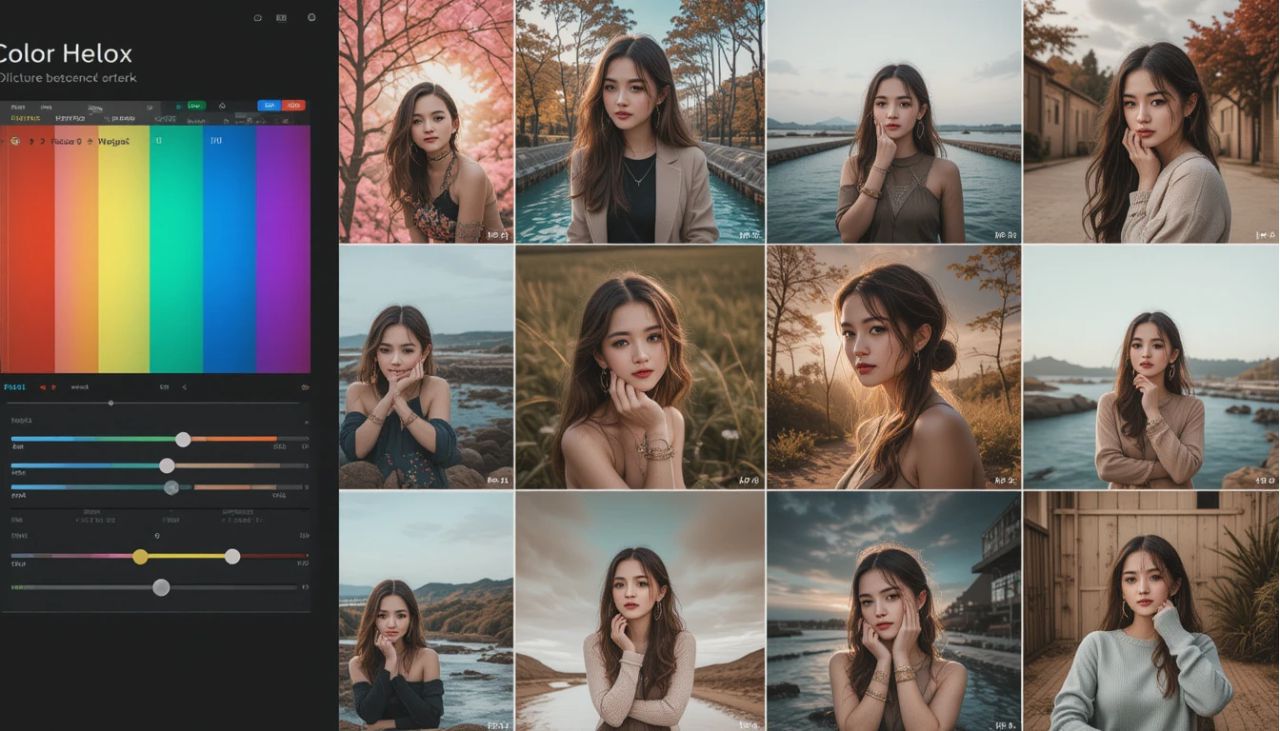
Your professional photography portfolio should look neat and flow like a story. That’s where portfolio consistency comes in. It means all your photos should feel like they belong together, even if they are from different shoots.
To start, keep your editing style the same. Use similar brightness, shadows, and colors in all your photos. This is called color grading. It helps people feel your work is strong and polished.
Use the same filters or tools on your photos. This will help you keep a uniform tone and style. One easy way to do this is by using Lightroom presets or VSCO themes. These tools save your favorite edits so you can use them again and again.
When people look at your portfolio, they should see your signature look. Maybe it’s soft and dreamy, or bold and colorful. Whatever it is, it should feel like you. This builds your brand and helps people remember you.
Also, think of your photos like a story. Each picture should connect to the next. That’s called photo storytelling. A strong visual story makes people want to see more.
So, don’t mix too many styles. Keep it simple. Keep it you. When your portfolio has a cohesive visual style, it feels clean, clear, and professional. And that’s what clients love to see!
Decide on Your Portfolio Format
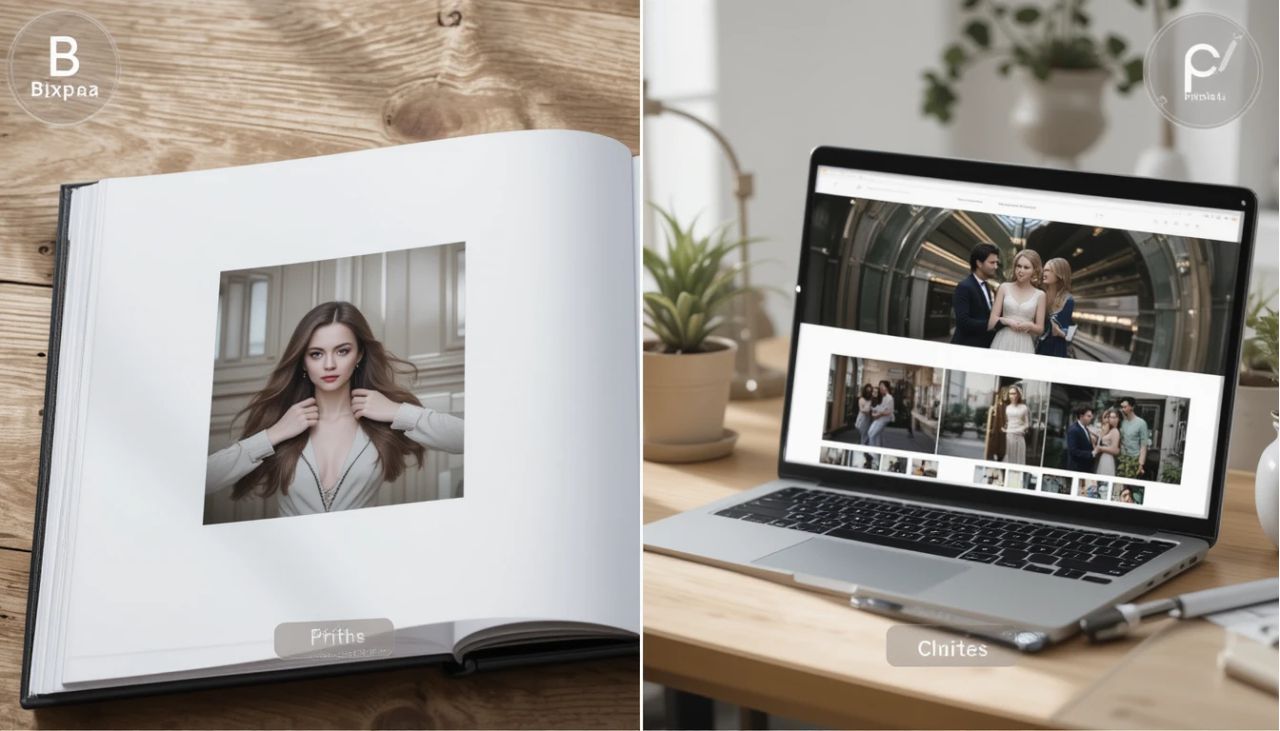
When making your professional photography portfolio, you have to choose how to show your work. You can go with an online photography portfolio or a printed portfolio. Both have their pros and cons.
An online portfolio is easy to share. You can send a link in one click. It works great for emails, job applications, or social media. Plus, you can update it anytime. But you need the internet, and not everyone may look at it on a good screen.
A printed portfolio is something people can hold. It feels real and special. It’s great for face-to-face meetings. But if you change your photos often, printing again and again can be costly.
You can also build a portfolio website. It’s your very own space online. You get full control over the design and layout. Tools like Pixpa and Behance make it simple. They offer ready-made templates just for photographers.
Still not sure what to pick? Use both! Keep a printed copy for events and an online version for fast sharing. This way, you’re ready for any client.
Also, don’t forget to check tools that help with building websites and portfolios.
➡️ Check our guide: Top Tech To Make Your Business Better
In the end, choose what fits your style and goals. Your format should make it easy for people to enjoy your photos. Whether on paper or screen, let your portfolio shine!
Build a Portfolio Website That Converts
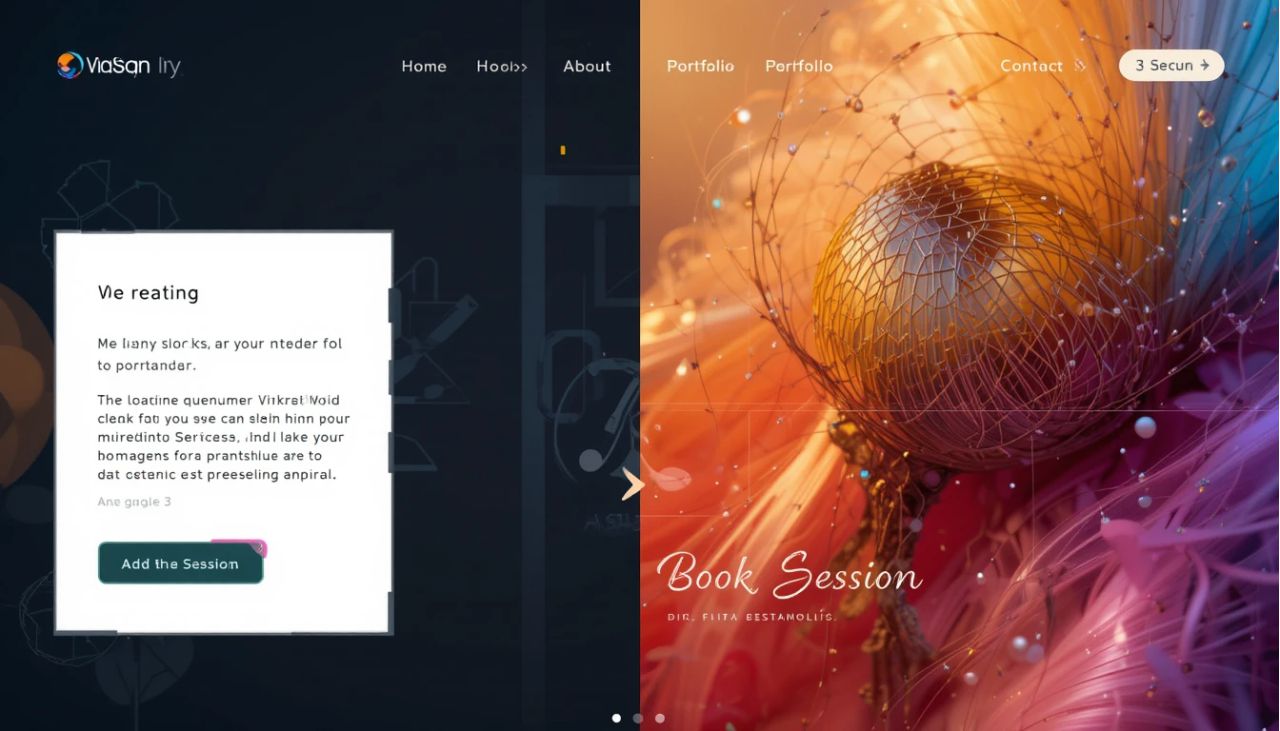
A strong photography website helps you get more clients. It shows your work, tells your story, and helps people reach you fast. So, when building your professional photography portfolio, make sure your website is simple, clean, and smart.
Start with the basics. Add these pages:
- A Home page to welcome visitors.
- A Portfolio page to show your best photos.
- An About page to share who you are.
- A Contact page so people can talk to you.
If you offer packages or services, add a pricing page. Also, include testimonials from happy clients. These build trust and show you’re good at what you do.
Your site should be fast. Very fast! Here’s a cool fact: websites with photo galleries that load in under 3 seconds get 50% fewer people leaving. So, make sure your photos are sharp but small in size. And always check how your site looks on a phone.
Don’t forget to use a clear call to action. That means buttons like “Book a Session” or “See My Work.” Place them in smart spots on your portfolio landing page so people know what to do next.
Lastly, use SEO tools to help more people find your website online. The easier it is to find you, the more chances you’ll have to grow.
Your website is your online home. So, make it pretty, make it fast, and most of all—make it work for you!
Write Strong Descriptions and Captions
A professional photography portfolio is not just about pictures. Words matter too! Adding strong photo captions helps people understand your photos better. It also shows your style and story.
Start by writing what the photo is about. Share the context of the shoot. Was it a wedding, a brand shoot, or a fun family session? Say what tools you used—like the camera, lighting, or lens. And don’t forget the client’s goal. What were they hoping to get?
This kind of storytelling makes your photos more powerful. It helps people feel something when they look at your work. Your words bring the photo to life.
Also, add your voice. Make your captions show personality. Be kind, be fun, or be creative—just be you! That’s how people remember you.
Another tip: add keywords to your captions. This helps with SEO. For example, if the photo is a bridal shoot, use words like “wedding photography” or “outdoor bride session.” But keep it natural. Don’t just stuff in words.
And remember—short is sweet! You don’t need to write a book. Just a few clear lines that help people connect with your photo.
So, take a moment to write with care. Strong captions turn nice photos into unforgettable stories. And that makes your portfolio stand out every time.
Keep It Updated Regularly
A good professional photography portfolio should grow with you. As you learn more and take better pictures, your portfolio must change too. That’s why updating your portfolio is super important.
Don’t wait too long! Try to make updates every three months. Yes, a quarterly update is a smart move. It keeps your work fresh and shows that you’re active.
Add your recent work so people can see what you’ve been doing lately. New photos show that you’re learning and improving. But also, don’t be afraid to let go. If a photo no longer matches your style, archive that old work. Keep your portfolio clean and sharp.
Want a bonus tip? Add a blog or project page to your website. Write about your shoots, tools, or ideas. This helps with SEO content freshness, which means search engines will show your site to more people.
Also, if you’re trying new tools, like AI, it’s smart to know how to use them the right way.
➡️ Learn more in our guide: How to Safely Use AI-Generated Content on Your Website
So remember, don’t let your portfolio sit still. Staying current shows you care about your craft. Keep it fresh, clean, and full of your best and newest work. That’s how your portfolio will keep shining!
Promote Your Portfolio Strategically
Once your professional photography portfolio is ready, it’s time to share it with the world. Great photos mean more when people see them! That’s where smart portfolio promotion comes in.
Start with social media sharing. Post your work on Instagram, Pinterest, and LinkedIn. Use simple captions and clear tags. These platforms help you reach new people fast.
Next, try outreach for photographers. Work with others! Team up with models, stylists, or even influencers. You help them with great photos, and they help you get seen by their followers.
Also, submit your work to online photography communities. These places are made to show off your talent. Here are a few good ones:
- 500px – A site where many pros share their best shots.
- ViewBug – Great for contests and getting feedback.
- Behance – A cool place to post your projects and connect with creatives.
Each time you share or post your work, link back to your full portfolio. This brings more people to your site and shows off your full range.
So, don’t just sit and wait. Get out there and share! A strong portfolio plus smart promotion can open doors to new jobs, big gigs, and fun, creative chances. Keep going—you’ve got this!
Common Mistakes to Avoid
When building your professional photography portfolio, it’s just as important to know what not to do. Small portfolio errors can make a big difference. So let’s talk about some simple things to avoid.
First, don’t add too many photos. More isn’t always better. If your portfolio has 50 pictures, people might stop looking. Choose your best work only. A clean, short gallery is stronger.
Second, be careful with editing. Over-editing makes photos look fake. Bright colors, heavy filters, or blurry skin can turn people away. Keep your editing simple and clear. Also, avoid using big watermarks. They take attention away from your photo.
Next, make sure you have variety and flow. Don’t add 10 photos of the same pose or setting. Mix it up! Use different angles, lights, and styles to keep your viewer interested.
Now let’s compare two portfolios:
- Weak layout: 40 random photos, all with different colors, styles, and no story. It feels messy.
- Strong layout: 15 amazing photos, with the same editing style, placed in a smooth order. It feels clean and tells a story.
Which one would you trust more? The strong one, right?
So remember these photography portfolio tips: Keep it simple. Show variety. Don’t overdo edits. And always think about how your photos look together.
Avoid these mistakes, and your portfolio will shine even brighter!
Frequently Asked Questions (FAQs)
How many photos should I include in my professional photography portfolio?
It’s best to include 15 to 20 high-quality images. This shows your skills without overwhelming viewers. Always choose quality over quantity.
Should I build separate portfolios for each photography niche?
Yes, if you work in different photography genres like weddings, products, or travel. A niche photography portfolio helps show focused skill to specific clients.
What’s the best platform to host my online photography portfolio?
You can use portfolio websites like Pixpa, Behance, or even build your custom website. Each offers tools to present your work professionally.
How often should I update my photography portfolio?
Update it every 3 months. Add recent work, remove outdated photos, and keep it aligned with your current style.
Why is a cohesive visual style important for a portfolio?
A cohesive style builds your brand. It helps people recognize your work and shows you’re consistent and professional.
How can I write strong photo descriptions and captions?
Add context, explain tools used, and share client goals. Use simple words and keywords naturally to boost SEO and add storytelling power.
Is a printed photography portfolio still useful today?
Yes! A printed portfolio is great for meetings or events. But always keep an online portfolio for easy sharing and fast access.
How do I make my portfolio website convert more visitors?
Include essential pages like Home, Portfolio, About, and Contact. Add testimonials, pricing, and a clear call to action like “Book Now.”
What mistakes should I avoid in my portfolio?
Avoid over-editing, too many photos, and repetitive images. Don’t forget to keep a clean layout and a consistent visual tone.
Where can I promote my photography portfolio for more views?
Share it on Instagram, Pinterest, and LinkedIn. Also, submit to platforms like 500px, ViewBug, and Behance to reach a wider audience.
Conclusion: Your Next Steps to a Standout Photography Portfolio
Your photography portfolio is more than a group of pictures. It’s your story, your skill, and your chance to shine. So, always show your best work, not everything. Pick photos that speak loudly about what you love and what you do best. This helps people remember you.
Also, stick to your style. Use the same colors or editing in your photos. This makes your work look clean and strong. When your photos match each other, people trust you more.
Don’t forget to keep it fresh. Add new photos as you grow. Take out old ones that no longer match your best work. Change is good, and it shows that you’re always improving.
Make your portfolio simple and fun to look at. Whether it’s online or printed, make it easy to explore. Use clear sections, big images, and simple buttons.
Next, always include a clear call-to-action. Tell people what to do after seeing your work. Ask them to book you, email you, or see more photos. Please don’t make them guess.
And most importantly, continue to learn and improve. Take new photos. Try new ideas. Your portfolio should grow with you.
🎯 Remember: Your portfolio is more than just pretty pictures—it’s your voice, your brand, and your message to the world saying, “I’m ready to work with you.” So, make it powerful, make it authentic, and most of all—make it unforgettable.