In the fast-paced world of trade shows, farmers’ markets, festivals, and outdoor events, custom canopies are more than basic shelters—they’re branding powerhouses. The right canopy is important in establishing a unique presence, demonstrating professionalism, and providing usefulness and comfort to staff and visitors alike. The canopy design, size, and shape are impactful for both customer entertainment and sales, whether it be a lively street fair or a calm Saturday market in the afternoon.
Deciding on the best canopy is a mix of fashion versus function. It’s a consideration of looks, quality of materials, weather durability, ease of assembly, convenience, and layout. If your business is focused on maximizing ROI and visibility at an outdoor or indoor event, then investing in the right canopy to suit your use case is critical.
Key Considerations When Choosing the Right Canopy


1. Start with Versatility: pop-up tents for Speed and Simplicity
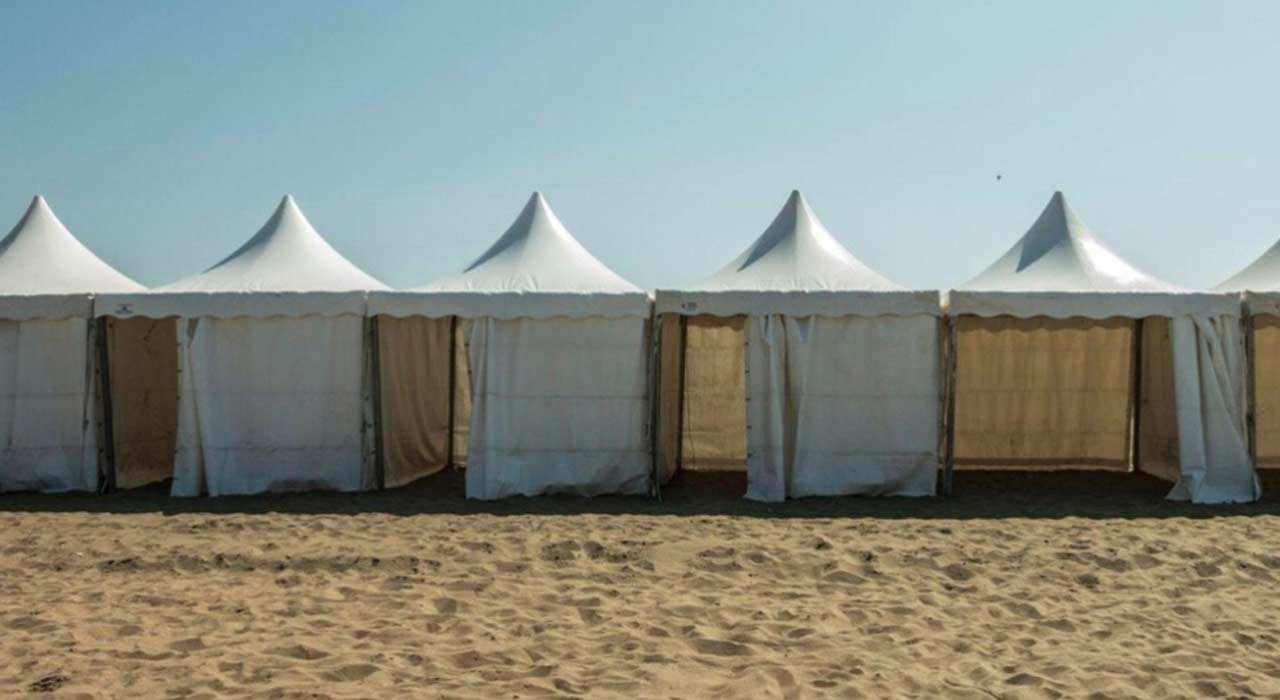
For ultimate convenience, pop-up tents allow for fast setup & mobility. They are popular with volunteers and vendors because they come with a collapsible, tool-less frame system and are lightweight for transport. They come in standard sizes like 10×10 or 10×20 feet, while pop-up tents are perfect for businesses doing multiple events or with lean teams.
What makes pop-up tents so convenient is their ability to deploy in a matter of minutes, allowing for more time to set the display and build rapport with attendees. Whether they are being used individually or grouped for larger installations, they provide a dependable platform upon which to display their branding, lighting, and product.
2. Match the Size to the Event’s Footprint and Purpose
Size depends heavily on the intended use of the space. A small vendor may only need a 10’x10′ footprint to display a couple of products. A large organization may need 10’x20′ and, in some cases, 20’x30′ layouts for multiple interactive demos, shelving, counters, or lounges. Further considerations include attendee traffic flow, the amount of space between other booths, and actually how many employees/interpreters will be working inside the tent.
You do not want to use a tent that is too small and makes your deployment feel cramped or unprofessional. Similarly, you do not want to use a tent that is too large or sparsely populated without props or interesting features; it may be uninviting. If you can align the tent size with your event goals and the amount of space available, you can maximize usability and customer experience.
3. Shape Matters: Slant-Leg vs. Straight-Leg and Custom Shapes
Typical canopy designs include slant-leg and straight-leg formats as well as custom designs, such as a hexagon or dome. Slant-leg frames can be considerably smaller and more affordable when an overly permanent frame is not an option; sometimes, they are an ideal design for planning iconic or memorable events, with a budget being an important factor. Generally, slant-leg canopies will provide less head clearance and ground coverage than their straight-leg counterparts.
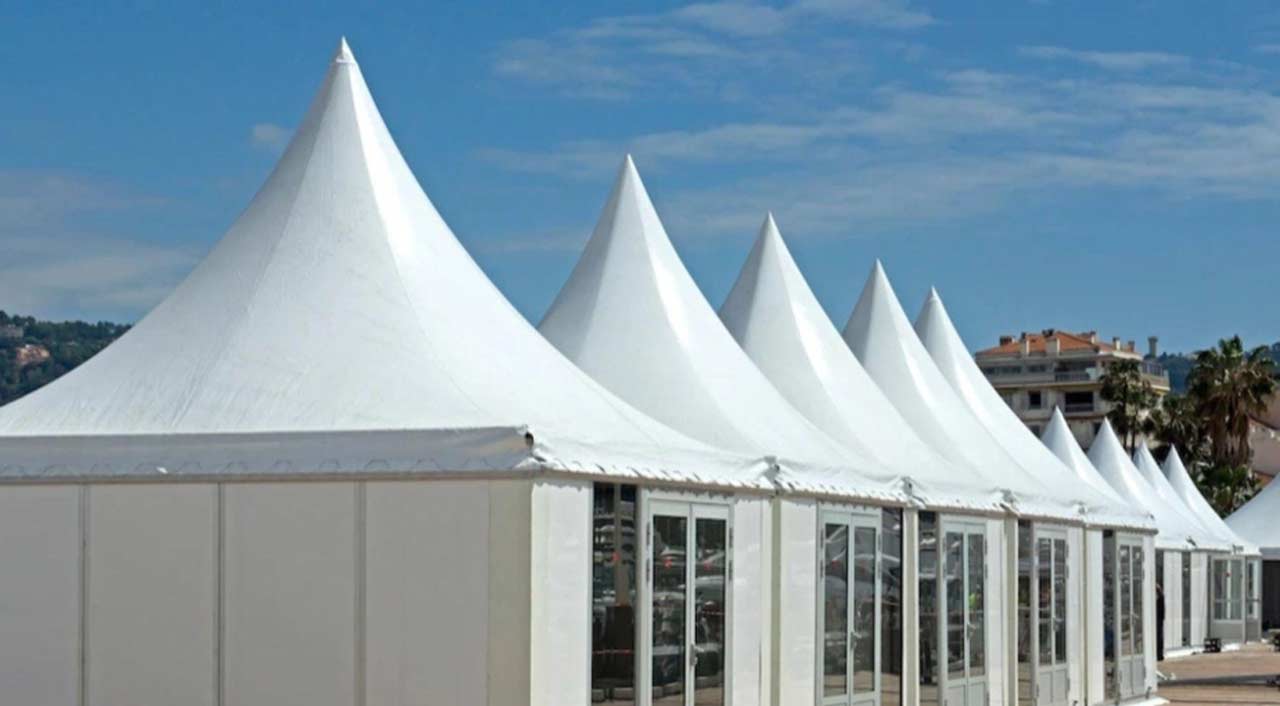
Straight-leg canopies can offer a cleaner, more professional profile with the maximum interior profile you need for active events where equipment or product displays are utilized. Again, a custom-shaped canopy, with curved or domed edges, high-peak tents, and, of course, all shapes and sizes, will offer some level of a distinctive profile compared to a rectangle or square canopy; often, when on crowded sites, this is very important for marketing crew members.
4. Design for Visibility and Brand Recall
The design of the canopy itself is paramount to visibility. Careful attention to color, design, logos, and high-resolution graphics will ensure the tent attracts and conveys the brand message effectively. Large, clear lettering on the valances and peaks to ensure visibility from a distance is important.
Consistent branding using PMS-matched colors will build recognition from event to event. Supporting print on all sides, including the walls and roof panels, connects the brand design from every angle. Remember that a tent designed and built to drive foot traffic will build brand presence in the minds of attendees.
5. Think Long-Term with Materials and Weather Resistance
Durability and weather resistance are hugely important, especially if it will be deployed outdoors. Look for canopies constructed with UV-resistant, waterproof material and frames that are made of heavy-duty aluminum or steel. Reinforced corners, wind flaps, and heat-sealed seams help a canopy last longer on the job and protect your products and people from weather elements.
If your event is subject to the whims of weather, sidewalls, zipper entrances, and roof vents provide additional protection and comfort. Choosing a tent that is rated for repeated deployments and a variety of climates will cut down on waste and ensure longevity.
End Point
Selecting a canopy is not always so straightforward. Portability, visibility, setup, and durability are all aspects of your business that must be considered when thinking about the right structure for your brand. Whether it is a fast-deploying pop-up tent or a custom canopy with full graphics, investing appropriately in design and structure will lead to a higher engagement with your audience and years of service, with some brands going for years! The right solution will mean a canopy is not just a cover for merchandise, magazines, or giveaways; it can be an extension of their brand experience.