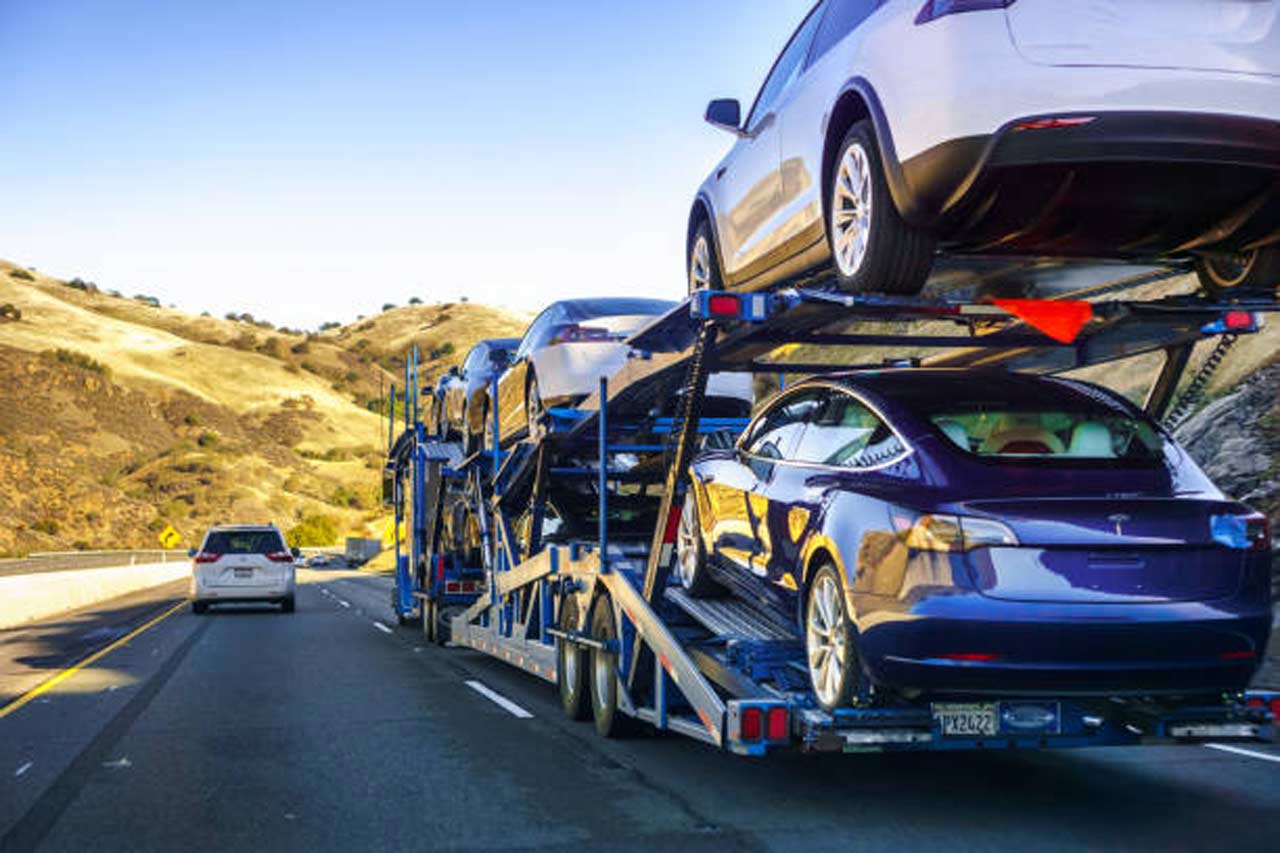
Moving Cross-Country? Here’s What to Do With Your Car
A cross-country move involves a long list of decisions, and the car usually gets figured out last. Drive it? Ship it? What does shipping even cost? Most people underestimate how straightforward car shipping is and overestimate the cost.
Here’s a practical breakdown.
Driving vs. shipping: the actual math
The instinct to drive your car across the country is understandable — it feels like you’re saving money. Run the numbers and it often doesn’t hold.
A 2,500-mile drive burns roughly 80 to 100 gallons of gas at current prices, puts real mileage on the vehicle, and takes 3 to 4 days of driving. Add motels, meals, and the wear and tear on a car you might be trying to get top dollar for later, and the gap between “free to drive” and “costs something to ship” narrows quickly.


Open carrier shipping on a coast-to-coast route runs $900 to $1,400 for most standard vehicles. For a car worth $30,000 or more, adding 2,500 highway miles also has a real depreciation cost. For an older or high-mileage vehicle, the calculation may favor driving. For a newer car or one you’d rather not put the mileage on, shipping is often the smarter call.
How the shipping process works
You get quotes from one or more car shipping companies, choose one, and schedule a pickup window. A driver is assigned — usually within 1 to 5 business days — and picks up the car at or near your current address. The car is loaded onto a carrier along with other vehicles headed roughly the same direction, and delivered to your destination address (or close to it, depending on street access).
Most people do door-to-door: pickup and delivery at actual addresses. This is the standard.
Transit time on a coast-to-coast route is typically 7 to 10 days. Shorter routes are faster — a Midwest to Southeast move might take 4 to 6 days.
What it costs, by route
Open carrier shipping estimates for a standard passenger vehicle:
- New York to Los Angeles: $1,100 to $1,400
- Chicago to Miami: $900 to $1,200
- Dallas to Seattle: $900 to $1,300
- Boston to Phoenix: $1,100 to $1,500
Pickup trucks and SUVs run $100 to $200 more than sedans on most routes. Enclosed transport — the covered trailer used for luxury and collector vehicles — adds $300 to $600 on top of open carrier pricing.
Timing: when to book
Book at least 2 to 3 weeks before your target pickup date. If you’re moving during peak season (May through August), 3 to 4 weeks out gives you more carrier options and often better pricing. Booking at the last minute forces you to take whatever is available.
If you have a hard move-in date, work backward from that. The carrier will give you a pickup window (typically a 1 to 3 day range), and transit time is an estimate, not a guarantee. Build a few days of buffer.
What to do at pickup and delivery
Before pickup: remove personal items from the car (carriers’ insurance doesn’t cover belongings), take photos of every panel, and fill the tank no more than a quarter full.
At pickup: review the inspection report (Bill of Lading) with the driver and confirm every pre-existing scratch or chip is noted before you sign.
At delivery: inspect the car against your pre-shipment photos before signing the delivery report. Any new damage goes on the form before the driver leaves.
Choosing a company
The car shipping industry has reputable companies and less reputable ones. A few things to look for:
- No deposit required until a carrier is confirmed (protects you if the booking falls through)
- Transparent pricing upfront, not a lowball that gets adjusted at pickup
- An in-house team that actively manages dispatch rather than just posting your vehicle to a shared marketplace
RoadRunner Auto Transport has been in this business for 30 years and works with more than 14,000 vetted carriers nationwide. No deposit is required at booking; you pay only when a carrier is confirmed. Get an instant quote at roadrunnerautotransport.com.