The Psychology of the Click: How Haptics Are Redefining Our Touch with Technology
Discover how haptics are transforming touch, emotion, and user experience in modern technology.

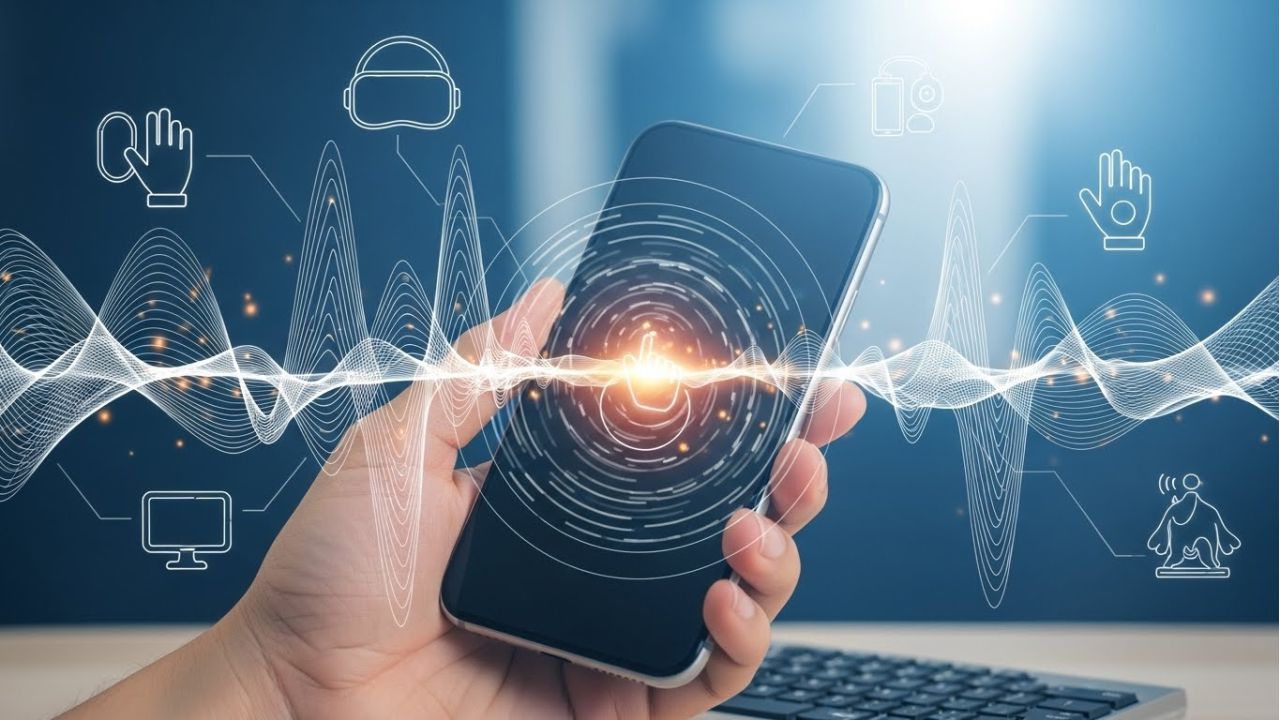
Have you ever noticed how a tiny buzz from your phone makes a simple tap feel real? Or how a soft click on your keyboard feels oddly satisfying? That small feeling is not an accident. It is your brain responding to touch-based feedback. Even though nothing physical is happening, your mind believes it is. This is why a simple “click” feels so powerful.
That hidden feeling comes from haptics. In simple words, haptics are the gentle vibrations and taps that let technology “talk” to our sense of touch. They act as an invisible bridge between humans and machines. When you press a button and feel a response, your brain says, Yes, something happened. Because of this, digital actions feel more real, more trusted, and more human.
Touch is very important to people. Long before screens, we learned through our hands. That is why haptic feedback works so well. It connects psychology, touch, and digital engagement profoundly. Your brain responds more quickly to touch than to sight or sound. As a result, even small vibrations can guide behavior, build emotion, and improve focus. This is a key idea in user experience design and human-computer interaction.
Today, haptics in modern technology shape how we use phones, games, wearables, and apps. They help users feel calm, confident, and in control. In this article, you will learn what haptics are, how they affect the brain, and why touch feedback is redefining user experience. By the end, you may never ignore a tiny click again.


What Are Haptics? Understanding the Science of Digital Touch
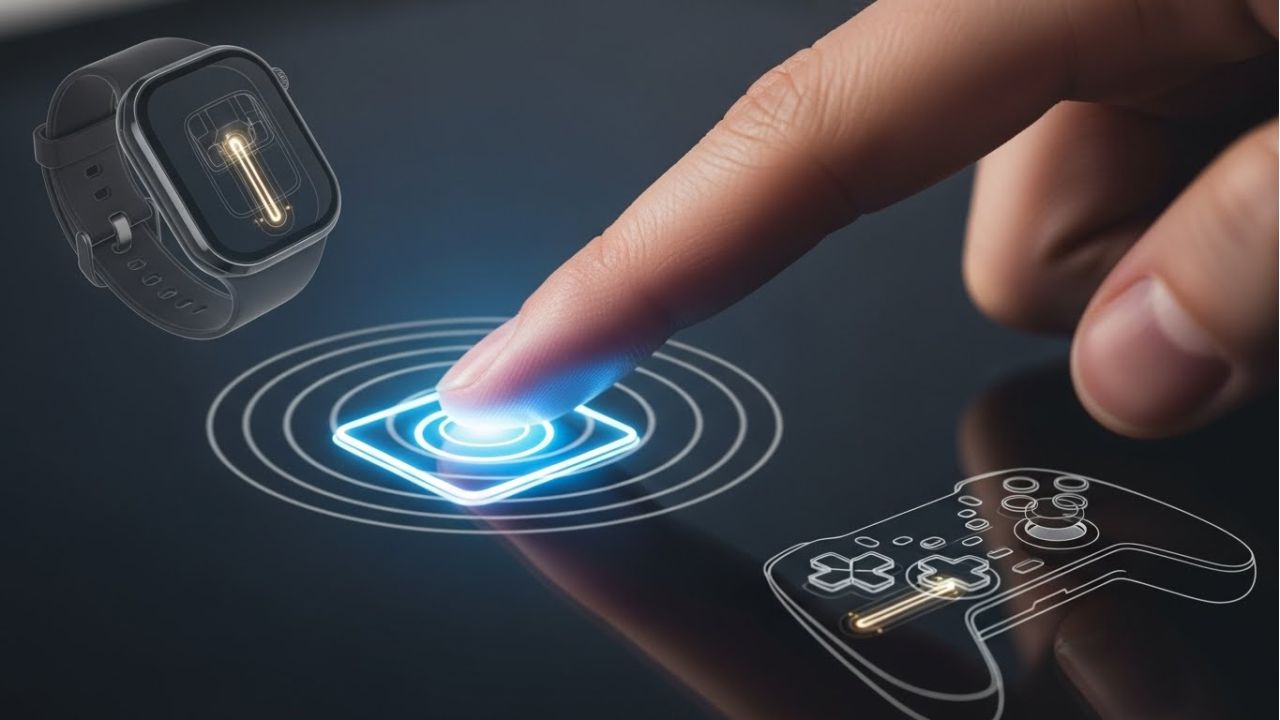
Haptics are all about feeling technology. In simple words, haptics mean the small shakes, taps, or clicks you feel when you touch a device. Haptic feedback is how a phone, game controller, or smartwatch talks to your sense of touch. When you press a button and feel a response, your brain knows something happened. Because of this, digital actions feel real and clear.
So, how does this work? Tactile feedback copies how real-world touch feels. In real life, you feel pressure, movement, and texture. Haptics try to copy those feelings using tiny motors and smart software. As a result, your brain believes the touch, even though nothing physical is there. This is why human-computer interaction feels more natural and friendly.
You use haptics every day. Your smartphone buzzes when you type. A gaming controller shakes during action scenes. Wearable technology, like smartwatches, taps your wrist for alerts. These small touches guide you, help you focus, and make digital experiences fun.
At first, haptics were just simple vibrations. However, things have changed. Basic vibration only says, “Hey, notice this.” Advanced haptic feedback says much more. Modern haptics can copy texture, pressure, and motion. For example, a soft tap can feel gentle, while a strong pulse can feel urgent. Because of this, haptics move from noise to sensory communication.
In the end, haptics turn screens into something you can feel, not just see.
The Psychology Behind Haptics and Human Touch
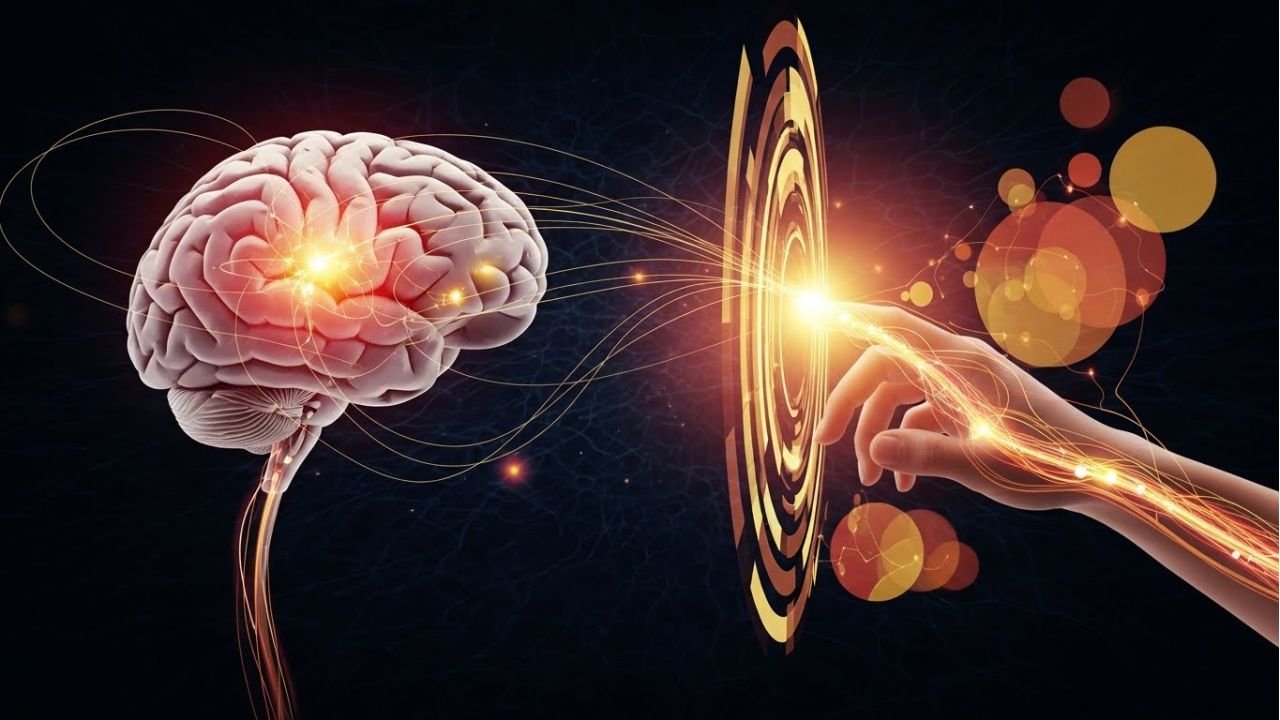
Humans love to touch things. From the day we are born, we learn by holding, tapping, and feeling. Touch helps us feel safe and sure. That is why haptics work so well in technology. When a device responds with a small tap or buzz, our brain pays attention right away. It feels natural, not forced.
This happens because of neuroscience and sensory perception. Our body has a special system just for touch. It is called the somatosensory system. This system sends touch signals straight to the brain. As a result, haptic feedback feels fast and real. Even a tiny vibration can say, “Yes, your action worked.” Because of this, users feel calm and confident when using digital products.
Touch also builds trust and focus. When you feel feedback, you know the device is listening. This makes people trust technology more. At the same time, touch helps the brain stay alert. It cuts through noise and distractions. That is why tactile feedback improves attention and reduces mistakes in user experience design.
So, why does touch feel more real than sound or sight? The answer is simple. Touch is physical. Your brain connects it to real-world actions. Sounds and images can be ignored, but touch is harder to miss. Because of this, haptics create a strong emotional response. A soft tap can feel friendly. A strong pulse can feel urgent.
In the end, haptics turn digital moments into human moments, making technology easier to trust and enjoy.
Why Haptics Improve User Experience and Engagement
Haptics in Everyday Technology We Use Without Thinking
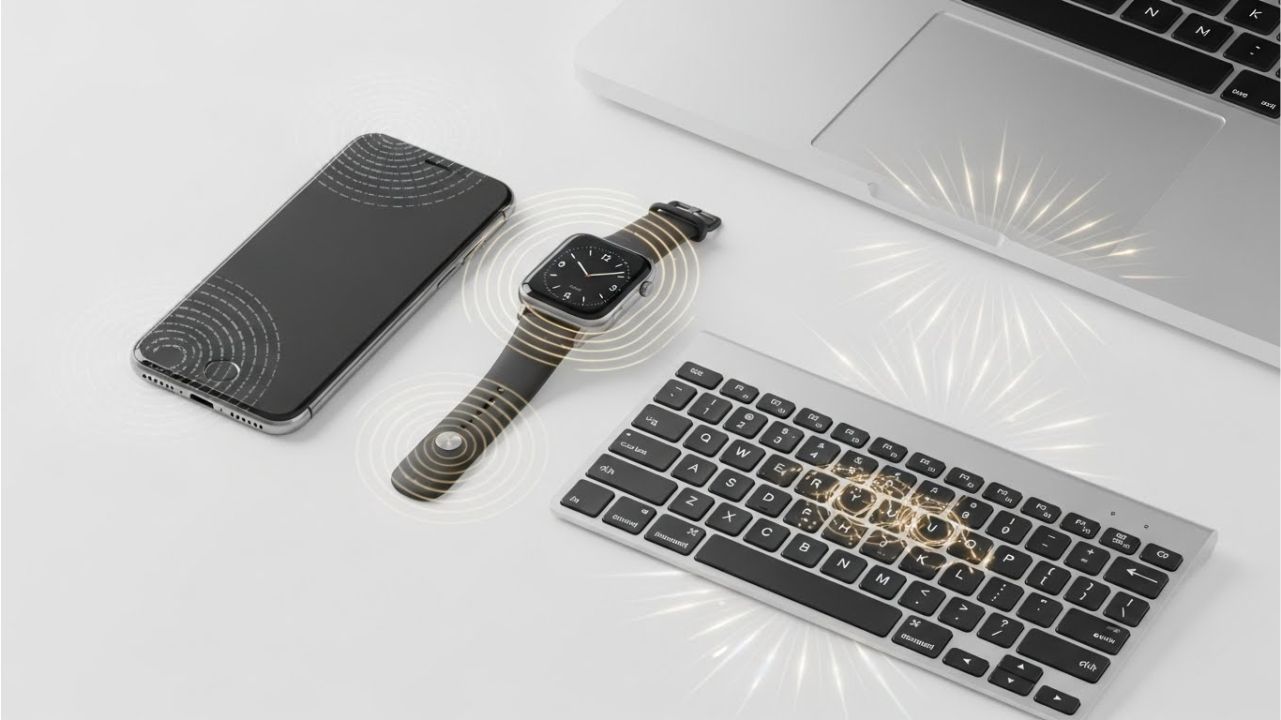
You use haptics many times a day, even when you do not notice them. Every tap, click, and buzz helps you understand your device. Because of this, technology feels easy and friendly. These small touches guide you without words.
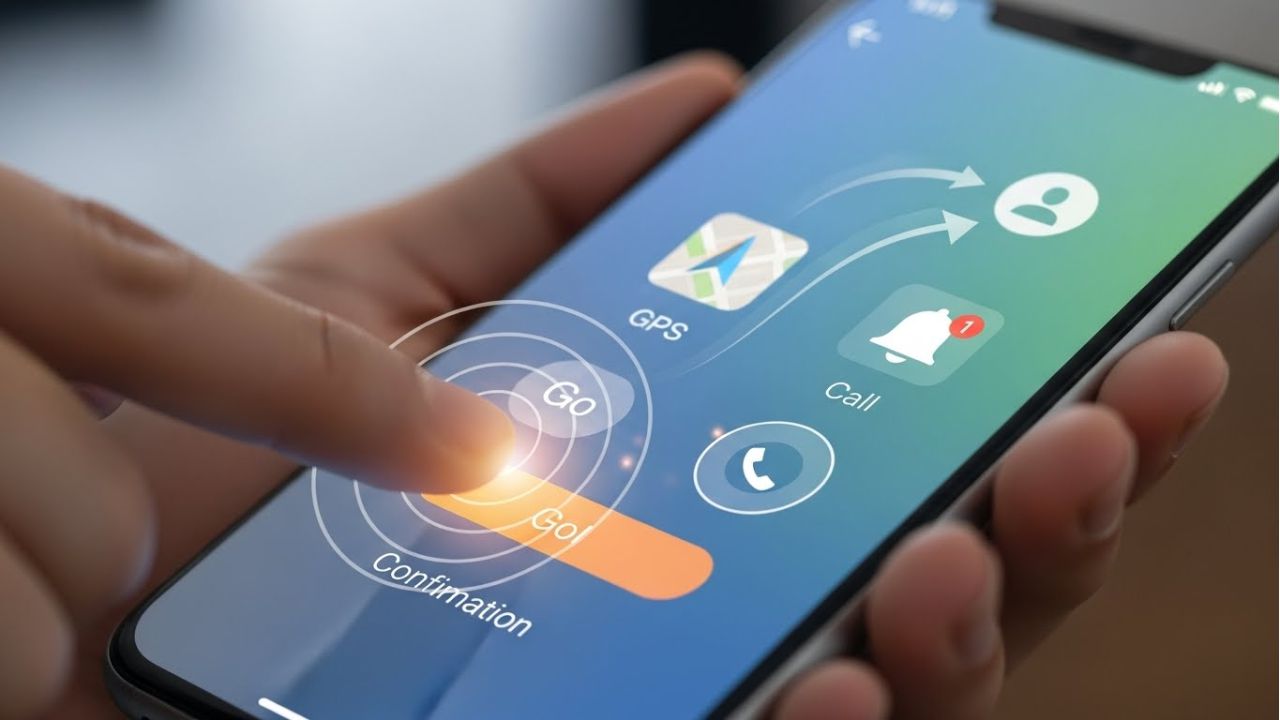
Think about smartphones and touchscreens first. When you type a message, your phone gives tiny taps. This is haptic feedback at work. It tells your brain, “Yes, the letter is typed.” Swiping, zooming, and pressing buttons all feel clear because of tactile feedback. As a result, using a phone feels fast and smooth.
Now look at smartwatches and fitness trackers. These devices tap your wrist to share messages, goals, or alerts. The touch feels personal. Because it is gentle, it does not distract you. This is why wearable technology feels helpful, not annoying.
Next are laptops, keyboards, and trackpads. A soft click from a keyboard or a trackpad helps you stay focused. Each press gives physical confirmation. Because of this, typing feels natural and comfortable.
All of this comes together in mobile haptics and micro-interactions. Small actions like notifications, typing feedback, and gestures feel better with touch. These micro-haptics create emotional attachment. They make devices feel alive and caring.
In the end, haptics work quietly in the background, shaping how we feel and connect with technology every single day.
Haptics in Gaming, Virtual Reality, and Immersive Experiences
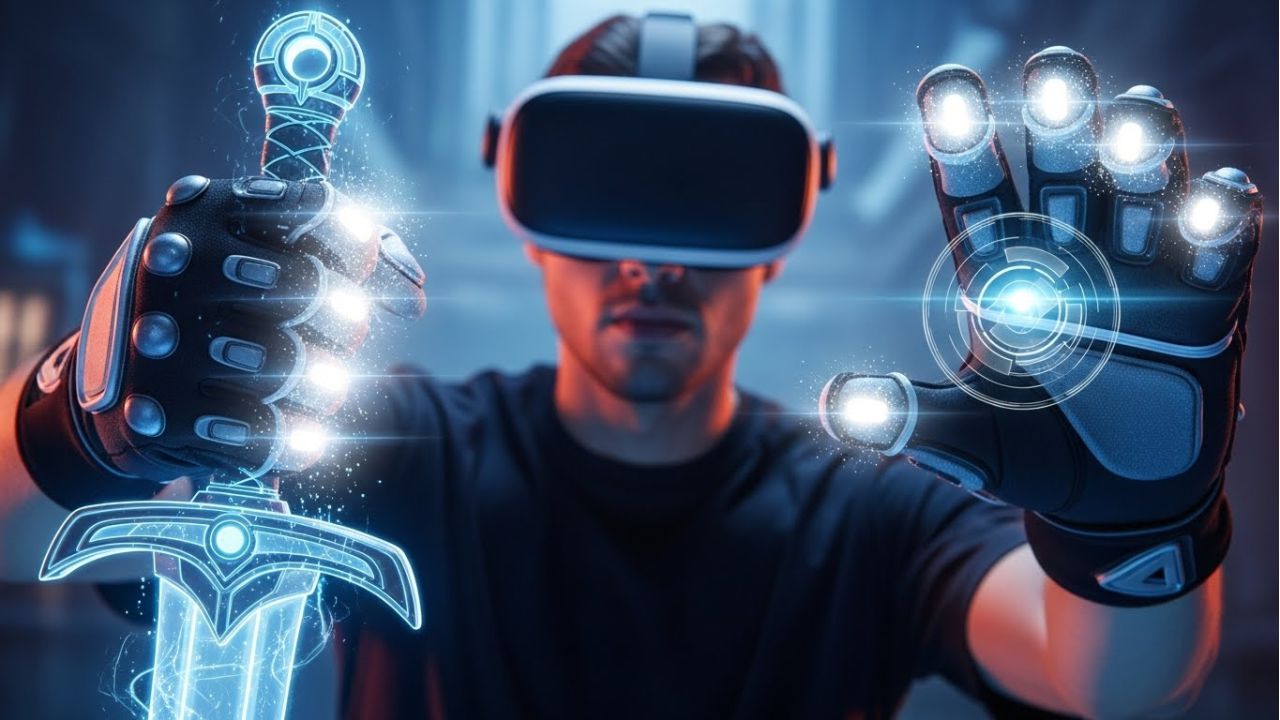
Haptics are changing the way we play games and explore virtual worlds. In gaming, tiny vibrations and taps make actions feel real and exciting. When a car bumps on a track or a sword hits a shield, tactile feedback makes you feel every move. This adds emotional immersion, making games more engaging and fun.
Virtual Reality (VR) and Augmented Reality (AR) use haptics in powerful ways. When you reach out to grab a virtual object, a small vibration or pulse simulates the sense of touch. This helps bridge physical and digital worlds. You feel like the environment is real, not just a screen. Because of this, VR and AR experiences feel convincing and alive.
The future goes even further with full-body and wearable haptics. Gloves, suits, and vests deliver spatial feedback, letting you feel temperature, pressure, or movement across your body.
For example, a glove can simulate the texture of a virtual wall, or a suit can mimic a gust of wind. These tools create deeper sensory communication, turning digital interactions into lifelike experiences.
As a result, haptics make immersive technology not just visual or auditory, but truly physical. They strengthen emotional connections, increase realism, and let users explore virtual spaces with confidence.
Whether in gaming, VR, or AR, haptic feedback transforms digital adventures into experiences you can feel, making every moment unforgettable.
The Role of Haptics in UX and Product Design
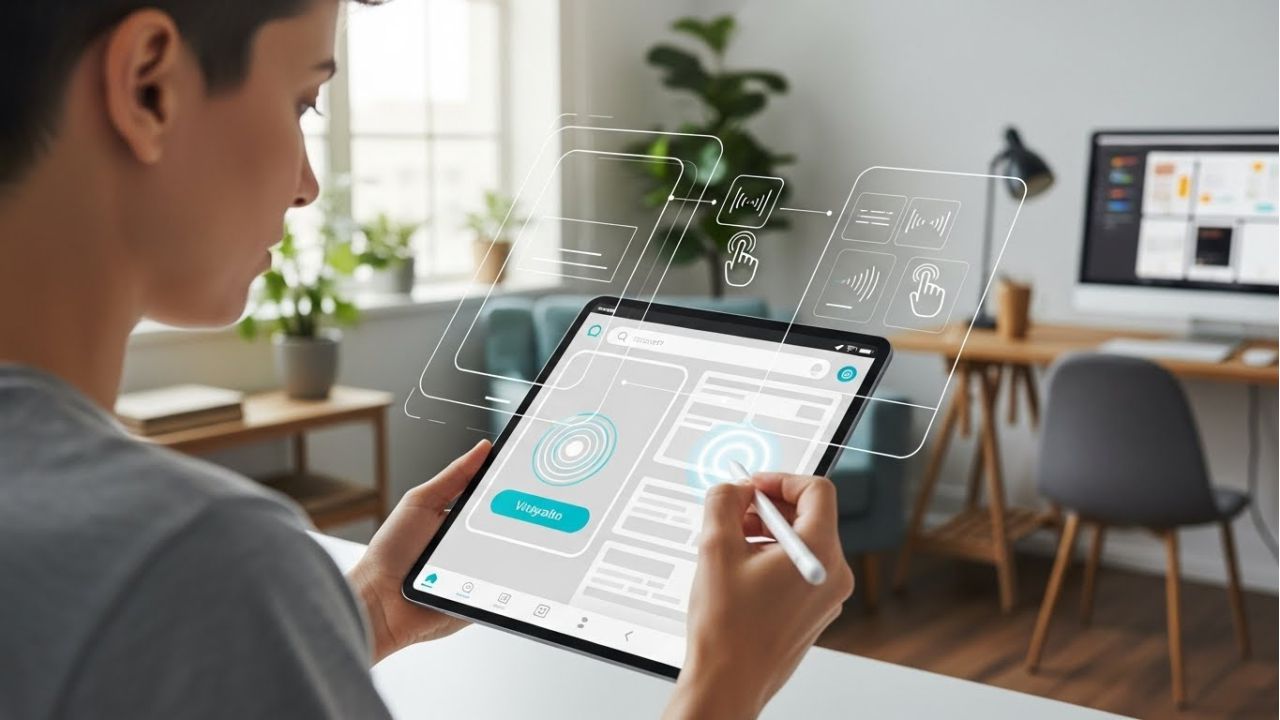
Haptics play a big role in user experience (UX) and product design. UX designers know that touch makes technology feel real. Tactile feedback helps users understand their actions quickly. When a button clicks or a device vibrates, people feel confident. This is why haptics are a key pillar of human-computer interaction. They guide users, reduce mistakes, and make digital experiences smoother.
Designers also use haptics to create inclusive and accessible experiences. People with visual or hearing challenges rely on touch cues to navigate apps, games, and devices. Subtle vibrations can replace sounds or visual alerts, making technology usable for everyone. As a result, haptic feedback improves usability and engagement for all users.
However, haptics can go wrong if overused. Too many vibrations or strong pulses can create sensory overload, leaving users confused or annoyed. That is why designers must practice balance and restraint. A well-timed tap is helpful; constant buzzing is distracting. The goal is to guide without overwhelming, giving users just enough feedback to feel in control.
In the end, haptics turn simple interactions into meaningful experiences. They make technology feel responsive, human, and thoughtful. By using tactile feedback wisely, designers can create products that are fun, accessible, and easy to use. When done right, haptics transform UX from ordinary to memorable, leaving users satisfied and engaged.
The Future of Haptics: Where Touch Technology Is Headed
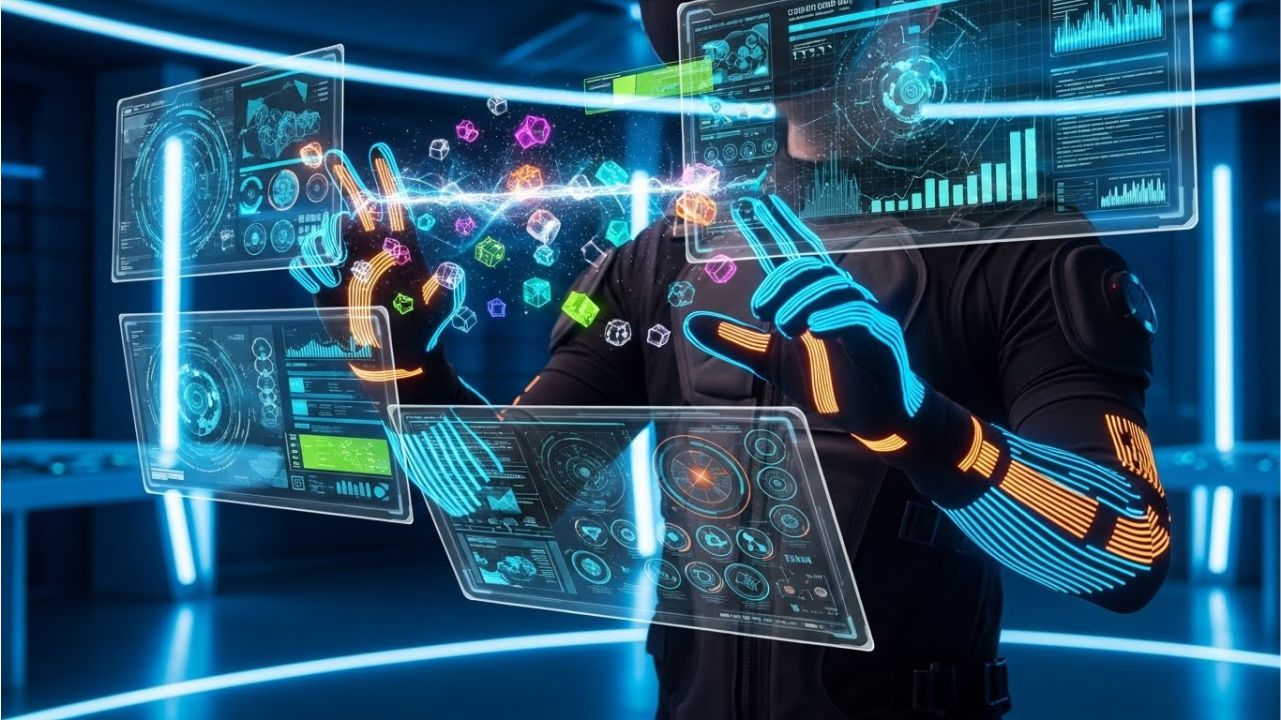
The future of haptics is exciting. Technology is learning to feel, not just respond. AI-driven adaptive haptic feedback can change vibration, pressure, or texture based on what you do. For example, your device might give softer taps when you are relaxed and stronger pulses when you need attention. This creates emotional and context-aware touch responses that feel personal and smart.
Haptics are also moving beyond phones and controllers. In healthcare, touch can guide patients through therapy exercises or signal important alerts. Tactile feedback helps students in education learn by feeling digital objects. In remote work, haptics can replace the missing sense of touch, making virtual meetings feel more human. These applications show that touch technology is not just fun—it is useful.
The next step is multi-sensory digital experiences. Screens will no longer just show and sound; they will engage our sense of touch, creating immersive worlds we can feel. From soft vibrations to simulated textures, devices will become part of a sensory ecosystem. This evolution transforms how we interact with technology, making interfaces more intuitive, emotional, and human.
In the end, touch is the next evolution of interface design. Haptics will make digital experiences richer, more engaging, and more connected to our real-world senses.
As technology learns to “speak” through touch, we can expect a future where every click, swipe, and tap feels alive, changing the way we live, learn, and play. The digital world is becoming something you can truly feel.
Final Thoughts: Why Touch Is the Future of Technology
In the end, one thing is clear: haptics bring technology to life. They connect psychology, emotion, and usability in a simple but powerful way. When we feel a soft tap or a gentle buzz, our brain understands it right away.
Because of this, digital actions feel real, friendly, and easy to trust. Touch helps people feel calm, confident, and in control. That is why haptic feedback matters so much in today’s digital world.
More importantly, touch makes technology feel human. Screens can look pretty, and sounds can guide us. But touch creates a deeper bond. It helps users feel seen and heard, even without words. In user experience design, haptics improve focus, reduce mistakes, and boost happiness.
For businesses, this means better engagement. For users, it means smoother and more joyful interactions. As a result, haptics are now a true competitive advantage in modern apps, games, wearables, and smart devices.
Now it’s your turn. The next time your phone vibrates or your keyboard clicks, pause and notice it. Think about how that small feeling guides your actions. If you are a designer, developer, or creator, try to think beyond colors and screens. Ask yourself how tactile feedback can improve your product. Even tiny touches can create big emotions.
So, let us talk. How has haptic feedback changed the way you interact with technology? Share your thoughts in the comments. Pass this article along to others. And keep exploring how haptics are shaping the future of human-computer interaction.