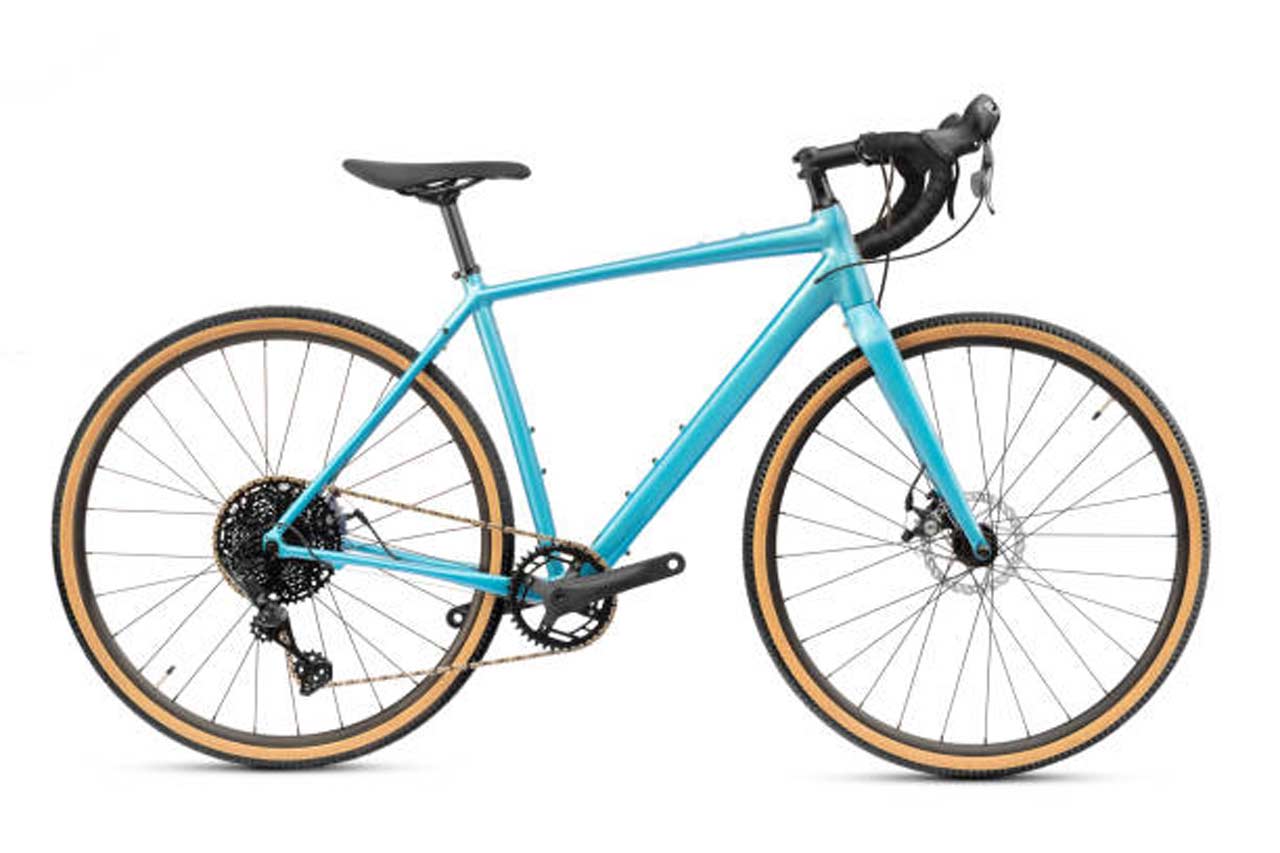
 Gravel bikes exist in the space between road bikes and mountain bikes. They handle smooth tarmac well. They handle dirt roads, gravel paths, and light trails just as well. That versatility is why gravel riding has grown into one of cycling’s fastest-growing categories globally. Gravel bikes from Ivanhoe Cycles give Australian riders access to properly specced gravel builds with real expert guidance behind the purchase. Ivanhoe Cycles has operated in Melbourne for decades. They stock brands that serious cyclists actually ride, not entry-level filler padded around a few flagship models. Gravel bike sales globally grew 25% year over year between 2020 and 2023 according to the Bicycle Industries of America.
What Makes a Gravel Bike Different from a Road Bike?
Tyre clearance. A road bike typically fits tyres between 25mm and 32mm wide. A gravel bike fits between 35mm and 50mm, sometimes wider. Wider tyres absorb vibration, handle loose surfaces, and grip better on unpredictable terrain. On a long ride mixing tarmac and gravel, that difference is enormous.
Geometry also differs. Gravel bikes have a longer wheelbase, shorter reach, and more relaxed head tube angle than race-oriented road bikes. This creates a more stable, comfortable position over long mixed-terrain distances. You can ride six hours on gravel without the twitchy nervousness of a race bike on rough ground.
What Gravel Bike Components Actually Matter?
Groupset and wheels, primarily. For the groupset, SRAM Apex and Rival gravel-specific groupsets offer wide gear ranges that handle both fast road sections and steep gravel climbs. Shimano GRX is purpose-built for gravel with a lower gear range than road groupsets. Either system works well. Both are serviceable in Australia.
Wheels matter because gravel terrain is demanding on spokes, rims, and hubs. A quality gravel wheelset should be tubeless-ready. Tubeless tyres run at lower pressures for better grip and are much less prone to flats than tubed setups on rough ground.
Who Is a Gravel Bike Actually For?
Road cyclists who want to explore beyond sealed roads. Touring cyclists who want to handle varied terrain without switching bikes. Commuters who ride unsealed paths or rough city streets. Athletes training across different terrain types who want one bike for everything.
In Victoria specifically, gravel riding has exploded because the state has thousands of kilometres of unsealed rail trails, logging roads, and fire tracks that are inaccessible by road bike but perfect for a gravel build.
How Should You Size a Gravel Bike Properly?
Gravel bike sizing is more forgiving than road sizing but still critical. Stack and reach measurements matter more than frame size labels because different brands size differently. Ivanhoe Cycles does proper bike fitting, not just handing you a size based on height.
A proper fit assesses saddle height, reach to bars, handlebar drop, and cleat position. On mixed terrain where you shift positions constantly, a poor fit causes injury faster than on a road bike where your position is more static. Get fitted before you buy.
What Price Range Should You Expect for a Quality Gravel Bike?
Quality entry-level gravel bikes start around $1,800 to $2,500 AUD with mechanical shifting. Mid-range builds with 1x electronic shifting and better wheels sit between $3,500 and $5,500. Top-end carbon builds with full electronic groupsets start at $7,000 and go significantly higher.
For most recreational and intermediate gravel riders, the $2,500 to $4,000 range delivers the best value. You get adequate components without paying premium carbon pricing for a usage level that does not require it.
Why Buy from a Specialist Like Ivanhoe Cycles Rather Than Online?
Because you get a setup you can actually ride safely. Bikes purchased online arrive partially assembled and frequently require professional setup to be safe and properly adjusted. A wheel that is slightly out of true, a headset not properly torqued, or a brake cable with poor tension are all common issues with self-assembled online purchases.
Ivanhoe Cycles assembles, adjusts, and fits the bike before you leave the shop. That is not a small service. It is the difference between a bike that feels right from ride one and a bike you spend three months fussing with.