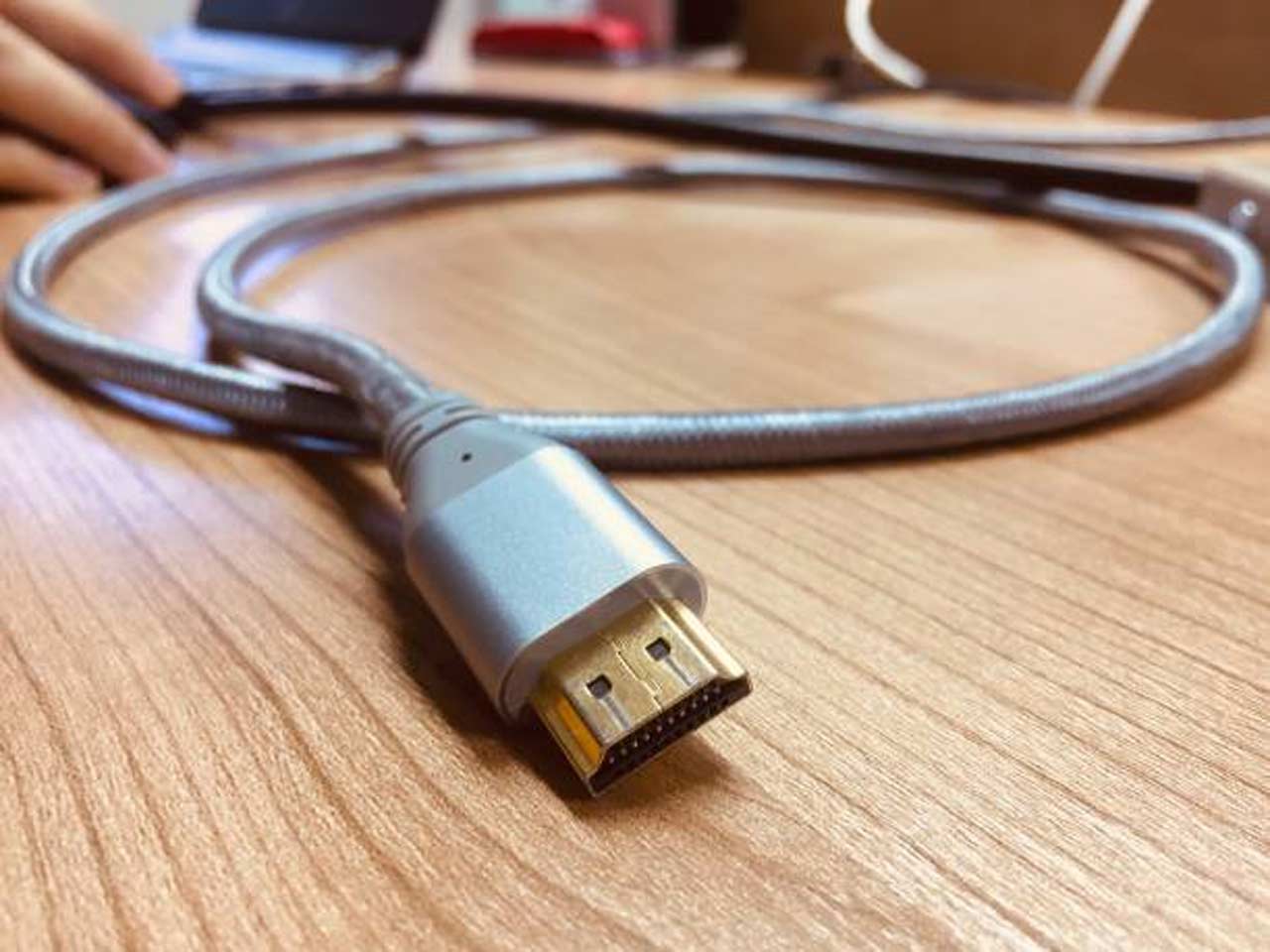
 Home entertainment setups have changed. The average living room now includes a 4K TV, a gaming console, a streaming device, and a soundbar or AV receiver. All of these connect through HDMI. The spec that holds this ecosystem together is HDMI 2.1. A premium HDMI 2.1 cable is not simply a better version of the old standard. It is a fundamentally different architecture designed to carry the kind of data that modern devices actually produce. Global 4K TV shipments hit 270 million units in 2023 according to Omdia. The infrastructure connecting those screens needs to keep up.
What Exactly Changed Between HDMI 2.0 and 2.1?
HDMI 2.0 supports 18Gbps maximum bandwidth. HDMI 2.1 supports 48Gbps. That is not a minor upgrade. It is a complete bandwidth overhaul that unlocks 4K at 120Hz, 8K at 60Hz, 10K resolution support, and Dynamic HDR where the HDR metadata adjusts frame by frame instead of using a single static setting for the whole film.
HDMI 2.1 also introduced Enhanced Audio Return Channel, which lets the TV send multi-channel audio back to the AV receiver without a separate optical cable. It natively supports Variable Refresh Rate, which eliminates screen tearing in gaming without requiring a separate FreeSync or G-Sync implementation.
How Does Cable Build Quality Affect Daily Use?
Signal interference is a real issue in dense home setups. Multiple HDMI cables bundled together, power cables running nearby, and cheap copper conductors all create interference. Premium cables use heavier gauge copper, tighter twisted pair construction, and better shielding to suppress this.
The connector is also important. Repeated plugging and unplugging degrades cheap connectors quickly. Gold-plated connectors do not improve signal quality, but they resist corrosion and maintain physical contact quality over years of use. A cable you plug in and never move can afford to be more basic. A cable that gets swapped regularly needs durability.


Does HDMI 2.1 Matter for Streaming Services?
For Netflix, Disney Plus, and Apple TV Plus at 4K HDR, HDMI 2.0 is technically sufficient. These services use heavy compression and do not require 120Hz. Where HDMI 2.1 becomes essential is when the source device itself outputs at higher specs.
Apple TV 4K third generation and the latest Chromecast with Google TV both output HDMI 2.1 signals. The HDMI 2.1 connection between the streaming device and the TV ensures that the full color volume, HDR format, and frame rate of the stream arrive without being downgraded at the cable stage.
Future-Proofing: Is HDMI 2.1 Enough for the Next Decade?
HDMI 2.1a added Sourcebased Tone Mapping support in 2022. HDMI 2.1 cables already carry this. The physical cable spec has enough headroom for features being added at the software level. 8K content is still rare but the cable supports it already.
HDMI Forum has stated that HDMI 2.1 will remain the baseline standard through 2030 at minimum. Buying the right cable now means not replacing it when your next TV, console, or AV receiver arrives.
The premium is the cable that keeps up with what comes next. Not just what is connected today.