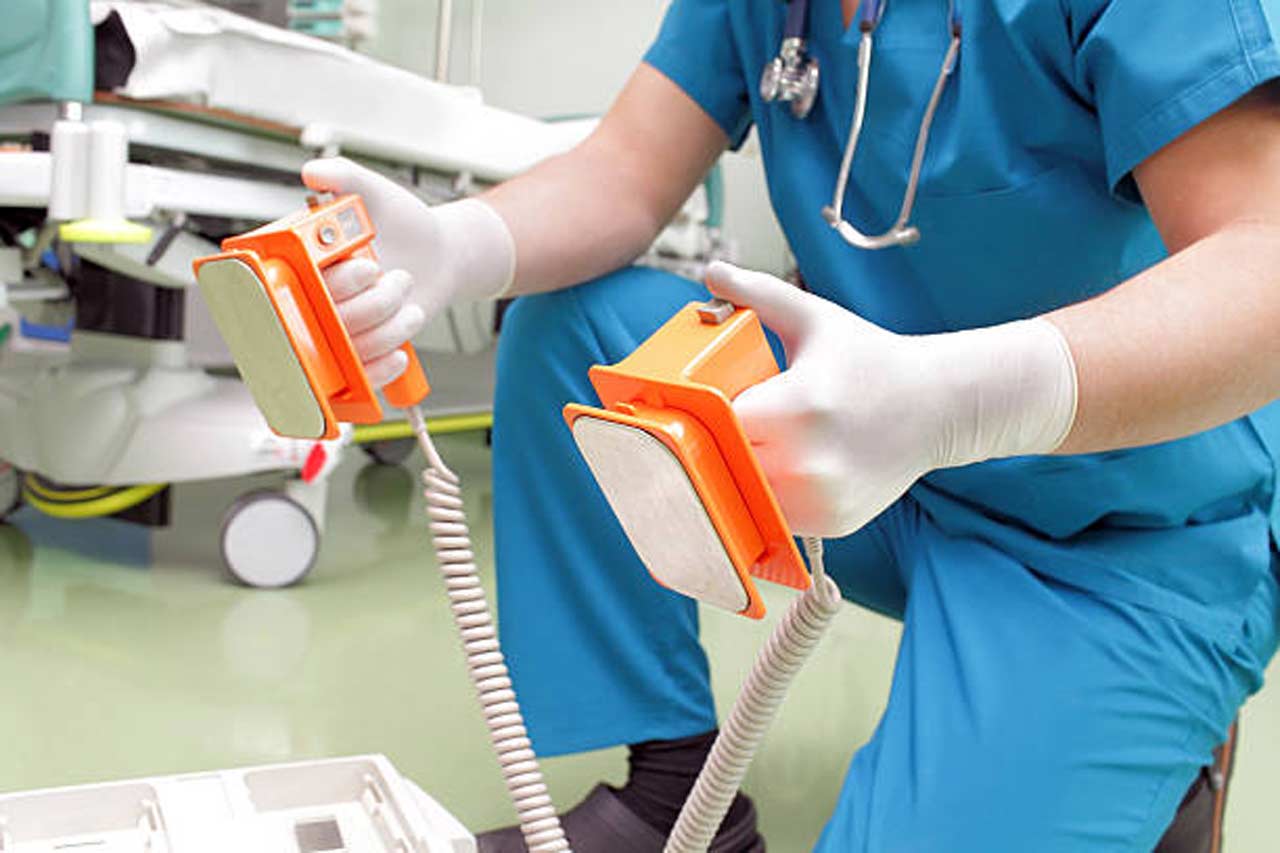
 The development of advanced medical devices requires a combination of engineering excellence, regulatory expertise, and a deep understanding of clinical needs. Defibrillation systems, in particular, represent one of the most complex and mission-critical categories of medical technology. Kuteras Teknoloji is a research-driven medical device company dedicated to engineering next-generation defibrillation solutions for both clinical and public health applications.
With a strong focus on automatic external defibrillators (AEDs), hospital-grade biphasic defibrillators, and OEM defibrillator modules, Kuteras Teknoloji is building a comprehensive defibrillation technology portfolio designed to meet global healthcare demands.
Engineering Challenges in Defibrillator Design
Defibrillators are high-voltage, safety-critical systems that require precise control, real-time signal processing, and robust hardware architecture. Engineers must balance power efficiency, patient safety, device portability, and regulatory compliance. Every component—from energy storage capacitors to high-voltage switching circuits—must be designed with redundancy and fault tolerance in mind.
Kuteras Teknoloji’s engineering team focuses on advanced power electronics, embedded firmware, and real-time signal processing algorithms. This multidisciplinary approach ensures reliable energy delivery, accurate rhythm detection, and safe device operation under extreme emergency conditions.
Automatic External Defibrillators: Human-Centered Design
AEDs are often used by non-medical personnel in high-stress situations. Therefore, usability and human-centered design are critical. Clear instructions, intuitive interfaces, and automated decision support reduce hesitation and increase the likelihood of successful intervention.


Kuteras Teknoloji integrates ergonomic design, multilingual voice prompts, and intelligent guidance systems into its automatic defibrillator platforms. These features aim to simplify emergency response and empower bystanders to act confidently during cardiac emergencies.
Biphasic Waveform Technology and Clinical Performance
Biphasic waveform technology is the clinical standard in modern defibrillation due to its improved efficacy and reduced energy requirements. The two-phase waveform optimizes current flow through cardiac tissue, increasing defibrillation success while minimizing myocardial injury.
Kuteras Teknoloji’s hospital-type biphasic defibrillators are engineered for clinical environments, offering synchronized cardioversion, pacing capabilities, and high-resolution ECG monitoring. These devices are designed for integration into hospital workflows, emergency rooms, and mobile emergency services.
OEM Defibrillator Modules and Platform-Based Development
OEM defibrillator modules represent a growing segment in the medical device industry, enabling third-party manufacturers to integrate defibrillation capabilities into their systems. Platform-based design reduces development time and regulatory complexity for device manufacturers.
Kuteras Teknoloji develops modular OEM defibrillator platforms that can be customized for various applications, including patient monitoring systems, ambulance equipment, and connected health devices. By offering scalable architectures and comprehensive documentation, Kuteras Teknoloji supports rapid product development for its partners.
Regulatory Engineering and Risk Management
Medical defibrillators are classified as Class III or high-risk medical devices in many jurisdictions, requiring strict compliance with international standards such as IEC 60601, ISO 13485, ISO 14971, and regional regulatory frameworks including CE marking and FDA clearance.
Kuteras Teknoloji incorporates regulatory requirements into the engineering lifecycle from concept to commercialization. Risk management, design verification, validation testing, and traceability documentation are integral parts of the company’s product development process. This regulatory-driven engineering approach ensures patient safety and accelerates market approval.
Manufacturing, Quality, and Scalability
Scaling production of medical devices requires robust manufacturing processes and quality assurance systems. Automated testing, calibration, and traceability are essential to ensure consistent performance across production batches.
Kuteras Teknoloji invests in scalable manufacturing architectures and quality management systems to support global distribution. By aligning production processes with international quality standards, the company ensures reliability and consistency in every delivered device.
Cost Optimization and Market Competitiveness
The cost of defibrillation systems is influenced by component selection, manufacturing processes, regulatory certification, and service models. While advanced technology often increases development costs, market adoption depends on affordability and value.
Kuteras Teknoloji adopts design-for-manufacturing and modular product strategies to optimize production costs. These strategies enable the company to deliver technologically advanced defibrillation systems at competitive price levels, increasing accessibility in both developed and emerging markets.
Digital Transformation in Defibrillation Technology
The future of defibrillation is connected, data-driven, and intelligent. Integration with digital health platforms, cloud-based analytics, and AI-powered decision support is reshaping emergency cardiac care.
Kuteras Teknoloji is exploring smart defibrillation platforms with connectivity features, remote diagnostics, and data logging capabilities. These innovations provide valuable clinical data, improve device maintenance, and support population-level health analytics.
Conclusion
Kuteras Teknoloji combines engineering excellence, regulatory expertise, and human-centered design to develop next-generation defibrillation systems. Through its portfolio of AED defibrillators / OED Defibrilatör, biphasic hospital defibrillators, and OEM defibrillator modules, the company is advancing cardiac emergency technology.
By focusing on innovation, scalability, and regulatory compliance, Kuteras Teknoloji is positioning itself as a technology-driven partner in the global medical device ecosystem. As defibrillation technology continues to evolve, Kuteras Teknoloji remains committed to improving survival outcomes and shaping the future of cardiac care.