 Children grow fast. Bones stretch, muscles build, and the nervous system fires millions of new signals every single day. When something goes wrong in that process, it shows up fast too. Paediatric physiotherapy steps in right at that moment. It is a specialised branch of physiotherapy built entirely around how children move, develop, and recover. Studies show that early physical intervention in children with developmental delays can improve motor outcomes by up to 60%. That is not a small number. This is targeted, evidence-based care that meets kids exactly where they are.
What Makes Children’s Bodies So Different From Adults?
A child’s body is not a smaller version of an adult’s. Bones are still forming. Joints are more flexible. The brain is rewiring itself constantly. This is why adult physiotherapy methods do not simply transfer to kids. A 5-year-old with tight hamstrings needs a totally different approach than a 50-year-old with the same issue. Paediatric physiotherapists train specifically for this. They understand growth plates, developmental timelines, and how play drives physical progress. Roughly 1 in 6 children has a developmental disability, and motor delays are among the most common concerns flagged in early childhood checks.
Which Conditions Does Paediatric Physiotherapy Actually Treat?
The list is longer than most parents expect. Cerebral palsy is a big one. So is Down syndrome, autism spectrum disorder, muscular dystrophy, and acquired brain injuries. But paediatric physio also handles things like flat feet, scoliosis, torticollis in infants, sports injuries in school-aged kids, and hypermobility. Even premature babies benefit from early physiotherapy. Research from the Lancet shows that preterm infants who receive early movement therapy have better neurodevelopmental outcomes at age two. These are not edge cases. These are real kids with real needs.
How Does Play Fit Into the Treatment?
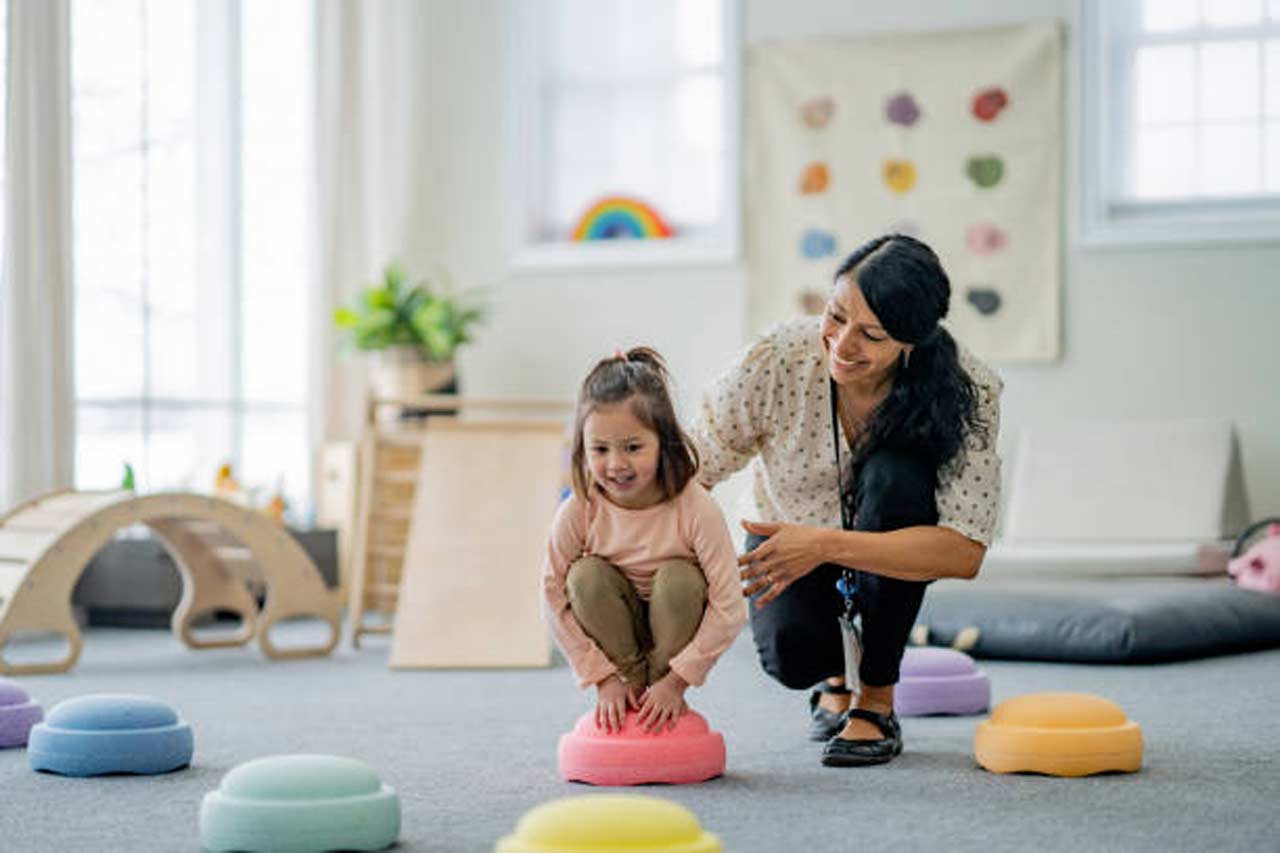
Here is the honest truth about working with children: they will not do exercises just because you tell them to. Play is the vehicle. A good paediatric physiotherapist designs activities that look like games but are actually targeted interventions. Jumping on a trampoline builds proprioception. Crawling through a tunnel strengthens core muscles. Catching a ball improves hand-eye coordination and bilateral movement. The child thinks they are just having fun. The therapist knows exactly which muscle group is being activated. This approach works. Compliance rates in play-based paediatric therapy are significantly higher than in directive exercise programs.
When Should Parents Seek a Referral?
Trust your instincts. If your child is not meeting movement milestones, that is worth investigating. Not walking by 18 months, not sitting independently by 9 months, consistently falling more than peers, toe-walking past age 3, or showing asymmetrical movement patterns – these are flags. Early referral leads to earlier treatment, and earlier treatment consistently leads to better outcomes. The World Health Organization recommends that children with developmental concerns be seen by a specialist within the first two years of life. Waiting to see if they grow out of it is a gamble not worth taking.


What Role Do Parents Play in the Process?
Parents are not spectators. They are active participants. Therapists will teach parents specific home exercises and activities to reinforce what happens in the clinic. A child seen once a week for physiotherapy still has 167 other hours. What happens during those hours matters just as much. Research consistently shows that parent-involved physiotherapy programs produce significantly better results than clinic-only approaches. The relationship between therapist, child, and parent is a triangle. Remove any one side and the structure collapses.