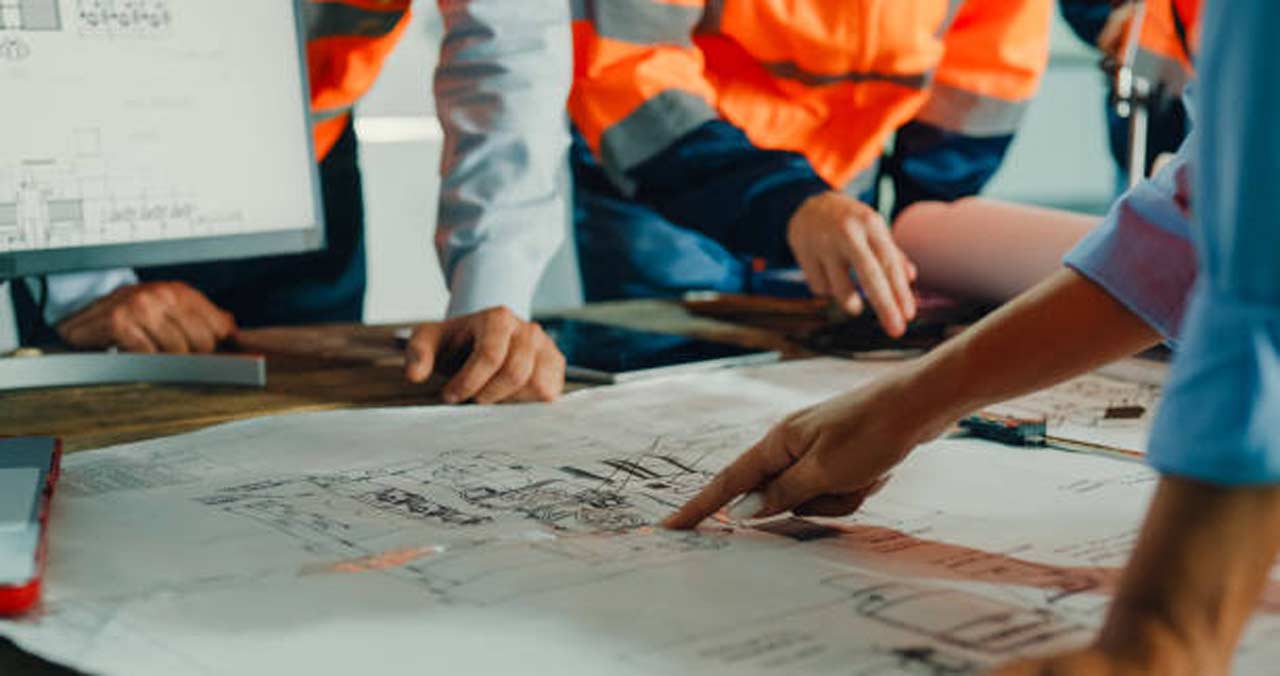
 A commercial construction project is never just about putting up walls and opening the doors. It is about creating a space that supports business goals, reflects a company’s standards, and works well for years after the ribbon is cut. In a fast-moving market like Dallas, where development continues to reshape neighborhoods, business districts, and mixed-use corridors, the contractor you choose can influence everything from timeline and cost control to long-term building performance.
That is why selecting the right partner deserves careful attention. The best Dallas commercial contractors do more than build. They coordinate teams, solve problems before they grow, understand local regulations, and guide projects through a complicated process with a steady hand. For business owners, developers, and property managers, that expertise can make the difference between a stressful experience and a well-run project.
Understanding the Commercial Construction Market in Dallas
Why Dallas remains a major building hub
Dallas has long been one of the country’s most active business centers, and that energy naturally fuels construction. As companies expand, relocate, or modernize, demand rises for office buildings, industrial facilities, retail centers, medical spaces, hospitality projects, and mixed-use developments.
The city’s growth has also created a wide range of project types. Some are ground-up developments on newly activated sites. Others involve renovations, tenant improvements, adaptive reuse, or expansions of existing buildings. That variety means the market rewards contractors who can adapt to different project scales and client needs.
For owners, this is both an advantage and a challenge. Dallas offers plenty of experienced builders, but it also means there is a wide difference in quality, communication style, and project approach from one firm to another.


How the industry has changed over time
Commercial construction in Dallas has not stayed static. Years ago, many projects focused heavily on size and visibility. Corporate campuses, high-rise office buildings, and major retail developments helped define the local landscape. While those projects still matter, the market has broadened.
Today, flexibility plays a larger role. Developers and tenants are looking for buildings that can evolve with changing business needs. More clients are also thinking about operating costs, energy efficiency, wellness features, and the long-term value of the space, not just the initial build.
The result is a more thoughtful approach to commercial construction. Projects are expected to do more than look good. They need to perform well, adapt to future use, and support the people who occupy them every day.
What makes Dallas projects unique
Every city has its own construction personality, and Dallas is no exception. Local climate, permitting requirements, growth patterns, and infrastructure needs all influence how projects are planned and built.
Heat is one practical factor. Materials, scheduling, energy design, and building systems must all account for long, hot seasons. Site conditions can also vary, which affects foundations, drainage, and construction logistics. On top of that, fast development can increase competition for labor, equipment, and materials.
This is where local knowledge becomes especially valuable. Contractors with real Dallas experience are usually better prepared to deal with these realities early rather than reacting to them once they have become problems.
What Dallas Commercial Contractors Actually Do
Their role goes far beyond construction labor
Many people think of a contractor mainly as the company that builds the project. That is true, but it only captures part of the job. Commercial contractors are also coordinators, schedulers, problem-solvers, and financial managers.
They oversee subcontractors, track progress, manage procurement, help maintain site safety, and keep communication moving between owners, architects, engineers, and vendors. In practical terms, they help turn drawings and approvals into a finished space that can actually be occupied and used.
That makes their role especially important on commercial jobs, where complexity tends to be higher. A restaurant buildout, for example, can involve kitchen systems, ventilation, health requirements, inspections, electrical upgrades, and tight opening deadlines. A warehouse expansion may require structural coordination, loading access, and utility planning. Good contractors keep those moving parts aligned.
Why project management matters so much
In commercial construction, delays and confusion can become expensive very quickly. That is why project management is one of the most important qualities to look for in Dallas commercial contractors.
Strong project management means more than keeping a calendar. It involves sequencing trades correctly, identifying lead times, monitoring costs, documenting changes, and communicating with enough clarity that everyone knows what is happening and why.
When project management is weak, even a technically capable builder can struggle. Materials arrive late, trades overlap the wrong way, decisions drag, and the budget begins to shift. A contractor who manages the job well protects the owner from much of that chaos.
Qualities to Look For in a Strong Commercial Contractor
Experience with similar project types
Not every commercial contractor is the right fit for every job. One company may be excellent at large industrial projects, while another may shine in healthcare renovations or restaurant interiors. That is why relevant experience matters more than general claims about capability.
If your project involves medical office space, ask about similar work. If it is a tenant improvement in an active building, ask how they handle coordination with occupied spaces. If it is a ground-up retail or hospitality build, review past work that matches that level of complexity.
The more closely a contractor’s past projects align with your own, the easier it is to trust their judgment when unexpected issues come up.
Familiarity with local codes and processes
Commercial construction involves permits, inspections, building codes, zoning considerations, and coordination with local agencies. A contractor who regularly works in Dallas is far more likely to understand how these processes move and where delays tend to happen.
That familiarity can save time. It can also reduce the risk of missed requirements, incomplete submissions, or redesigns late in the process. A team that knows how local review works is usually better at planning ahead and keeping approvals on track.
Communication that is clear and steady
Construction problems are not always caused by bad work. Very often, they come from poor communication. A contractor may assume the owner understands the schedule. The owner may assume a finish is included. The architect may assume a detail has already been priced. These gaps can lead to conflict even when everyone is acting in good faith.
Good communication is one of the clearest signs of professionalism. Reliable Dallas commercial contractors provide regular updates, explain issues plainly, and document decisions so there is less room for confusion later.
This matters especially when the project hits a complication, which most projects eventually do. At that moment, the contractor’s communication style becomes just as important as their construction skill.
Financial stability and organization
A commercial project depends on steady purchasing, timely payments, and realistic budgeting. Contractors need enough financial discipline to manage cash flow, retain subcontractor trust, and keep the job moving without unnecessary disruption.
This is not always obvious from a proposal alone, but owners can ask direct questions about process, billing, scheduling systems, and how the firm handles change orders. Organized contractors tend to show their discipline early. Their estimates are clearer, their scopes are more specific, and their answers are more grounded.
Why Local Knowledge Gives Contractors an Edge
It helps with planning and problem prevention
Contractors who know Dallas well are often better at spotting problems before construction begins. They understand neighborhood access issues, common approval delays, traffic impacts, weather patterns, and site conditions that may affect cost or schedule.
That early insight is valuable because prevention is always cheaper than correction. A contractor who identifies a utility issue during planning can help solve it calmly. A contractor who misses it until mid-construction may turn it into a major delay.
It improves relationships with the broader project team
Construction rarely happens in isolation. Contractors work with city departments, inspectors, suppliers, engineers, and specialized trades. Firms with strong local relationships often move through the process more smoothly because they know who to call, how to coordinate, and what standards are expected.
That does not mean relationships replace quality work. It means local familiarity helps the work move with fewer surprises. In a busy market, that can be a real advantage.
Budgeting for a Commercial Project
The lowest bid is not always the best value
It is tempting to compare proposals and focus on the lowest number. But commercial construction is not that simple. A lower bid may reflect missing scope, unrealistic scheduling, poor allowances, or weaker coordination. The number can look attractive at first and become expensive later.
Value comes from understanding what is actually included. Does the proposal account for project management, permits, subcontractor scope, cleanup, supervision, and realistic material pricing? Does it reflect current market conditions?
Owners who compare bids carefully usually get better results than those who compare price alone.
Hidden costs owners should prepare for
Commercial projects often involve costs that are not obvious at the beginning. Site work can shift. Utility upgrades may be needed. Existing conditions may be worse than expected. Lead times can affect labor and scheduling. Design revisions can trigger new expenses.
A strong contractor will not pretend these possibilities do not exist. Instead, they will explain likely risks and help the owner build appropriate contingency into the budget.
That transparency is useful. It helps owners make decisions with a more complete picture of what the project may actually require.
How value engineering can help
Value engineering is sometimes misunderstood as simply cutting cost. Done well, it is really about making smarter choices. That might mean selecting a material with better availability, adjusting a detail that delivers the same function more efficiently, or changing a system to reduce long-term operating cost.
The best Dallas commercial contractors know how to approach this carefully. They do not strip value from the project. They work with the design and ownership team to preserve intent while improving efficiency where possible.
For owners, this can be especially helpful when budgets tighten or market pricing changes unexpectedly.
Examples of What Strong Contractors Deliver
Renovation and adaptive reuse
One sign of a capable contractor is the ability to work with existing structures. Renovation and adaptive reuse projects are often more complicated than new construction because unknown conditions are part of the process. Walls may conceal outdated systems. Structural details may differ from drawings. Existing tenants or neighboring businesses may remain active during the work.
A contractor who handles these projects well tends to be patient, organized, and realistic. They plan carefully, communicate often, and adjust without losing control of the schedule.
Large-scale new construction
Ground-up commercial work demands another kind of discipline. Site development, structural coordination, procurement, inspections, and sequencing all become more complex as projects grow in scale.
On these jobs, owners need contractors who can think several phases ahead, not just focus on the task in front of them. The ability to manage long timelines while maintaining quality is one of the clearest signs of maturity in a commercial builder.
Future Trends Shaping the Dallas Market
Sustainability is no longer optional
Owners are increasingly interested in buildings that cost less to operate and perform better over time. That includes energy-efficient systems, sustainable materials, better insulation, improved indoor air quality, and strategies that support certifications or long-term environmental goals.
Contractors who understand these priorities will be better positioned moving forward. Sustainability is no longer a niche feature. In many projects, it is part of the baseline conversation.
Technology is changing how projects are run
Construction technology continues to improve planning and coordination. Digital modeling, project management software, drone site documentation, and more advanced tracking tools are helping teams identify issues earlier and communicate more clearly.
For clients, this often translates into better visibility. When contractors use technology well, owners can understand progress more easily and decisions can be made with stronger information.
Flexibility will matter more in future developments
As businesses continue to evolve, commercial spaces are expected to do more. Offices may need adaptable layouts. Retail spaces may need stronger integration with logistics. Industrial buildings may need room for future systems upgrades. Mixed-use environments may require more balance between public and private use.
Contractors who understand this shift can help build spaces that are useful now and resilient later. That kind of foresight will only become more valuable as Dallas continues to grow.
Making the Right Choice for Your Project
Choosing among Dallas commercial contractors is one of the most important decisions a project owner makes. The right contractor brings more than labor and scheduling. They bring local experience, sound judgment, reliable communication, and the ability to guide a project through uncertainty without losing momentum.
A good fit is not always the biggest company or the cheapest bid. It is the team that understands your project, communicates honestly, manages details well, and has the experience to execute with confidence.
In a city as active and ambitious as Dallas, commercial construction will keep moving quickly. Owners who choose their contractor carefully are far more likely to end up with a project that meets its goals, protects its investment, and stands up well over time. That is the real reason this decision matters. It shapes not only how the building gets built, but how successfully it will serve the people who rely on it afterward.