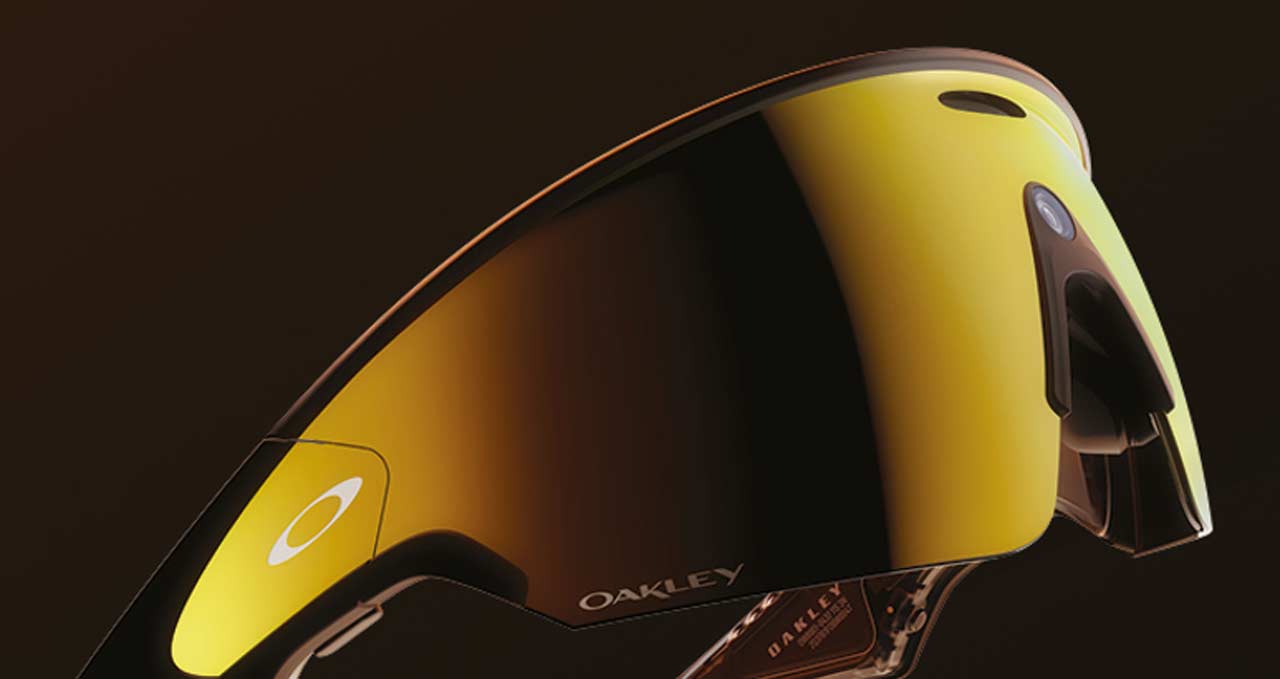
 Smart sunglasses have been talked about for years, often with more ambition than practical payoff. Early versions felt bulky, limited, or gimmicky — interesting, but not essential. That’s starting to change. Recent developments suggest smart eyewear is moving away from novelty and towards something more integrated, useful, and wearable.
Rather than replacing traditional glasses or sunglasses, smart eyewear is beginning to sit alongside them, adding subtle functionality without demanding constant attention.
From Wearable Tech to Everyday Object
One of the biggest shifts in smart sunglasses is intent. Early wearable tech tried to do too much, too obviously. Cameras, displays, notifications — all crammed into frames that felt more like prototypes than something you’d actually want to wear outside.
The newer approach is quieter. Instead of turning sunglasses into mini computers, brands are focusing on:
- Hands-free interaction
- Audio integration
- Discreet sensors
- Design that still looks like eyewear
That change in mindset is what makes the current wave of smart sunglasses more viable.


Why Partnerships Matter
Smart eyewear sits at the intersection of two very different worlds: technology and optics. Success depends on both working together properly.
That’s why collaborations between eyewear specialists and tech companies are significant. Each side brings something essential — one understands fit, comfort, lenses, and durability; the other understands software, connectivity, and user experience.
Oakley’s new partnership with META reflects this shift. Instead of tech being bolted onto frames as an afterthought, the goal is to integrate technology into eyewear that’s already designed for performance, movement, and long-term wear.
What Smart Sunglasses Can Actually Do Well
The most effective smart sunglasses focus on a few useful features rather than trying to replicate a smartphone.
Common capabilities include:
- Built-in audio for calls, music, or navigation
- Voice assistants for hands-free control
- Cameras for quick capture (used selectively)
- Sensors for contextual awareness
Crucially, these features are designed to work without requiring you to look at a screen. That keeps your attention where it belongs — on the environment around you.
Why Audio Is the Breakthrough Feature
Audio has emerged as the most natural use case for smart sunglasses. Open-ear speakers allow wearers to hear directions, take calls, or listen to music without blocking environmental sound.
For everyday use, this matters. You can:
- Walk or cycle while staying aware of traffic
- Take calls without reaching for your phone
- Listen to prompts without earbuds
It’s subtle, practical, and doesn’t change how sunglasses fundamentally feel to wear.
Design Still Comes First
No matter how advanced the technology, smart sunglasses won’t succeed if they’re uncomfortable or awkward-looking. Eyewear is deeply personal — people wear it on their face, every day.
The future of smart eyewear depends on:
- Lightweight construction
- Balanced weight distribution
- Frames that don’t look “techy”
- Battery life that doesn’t add bulk
The closer smart sunglasses feel to regular sunglasses, the more likely people are to adopt them.
Performance Use vs Everyday Use
Smart sunglasses aren’t trying to be everything to everyone. Instead, they’re beginning to split into two clear categories:
Everyday Smart Sunglasses
Designed for commuting, walking, travel, and casual use. These prioritise comfort, audio, and ease of use.
Performance-Focused Smart Sunglasses
Built for activity — running, cycling, training. These emphasise stability, durability, and hands-free interaction during movement.
This distinction helps smart eyewear feel purposeful rather than experimental.
Privacy and Social Acceptance
One of the biggest barriers to smart sunglasses has always been perception. People are understandably cautious around cameras and sensors worn on faces.
That’s why newer designs focus on:
- Clear indicators when recording is active
- Limited, intentional camera use
- Functionality that doesn’t rely on constant filming
As smart sunglasses become more transparent in how they work, social acceptance improves.
What This Means for Traditional Eyewear
Smart sunglasses aren’t replacing traditional frames. Instead, they’re expanding the category.
In the future, eyewear is likely to exist across a spectrum:
- Classic sunglasses and optical frames
- Performance eyewear for sport
- Smart eyewear for connected use
People may own different pairs for different contexts, just as they do now — work glasses, sunglasses, sports eyewear.
Adoption Will Be Gradual — and That’s a Good Thing
The future of smart sunglasses isn’t about sudden disruption. It’s about steady refinement.
As designs improve and features become genuinely helpful, adoption will grow organically. People won’t buy smart sunglasses because they’re new — they’ll buy them because they fit naturally into how they already live.
That’s the real shift happening now.
Smart sunglasses are finally starting to make sense — not because the technology is louder or more impressive, but because it’s becoming quieter and more thoughtful. With better design, clearer use cases, and partnerships that respect both form and function, smart eyewear is finding its place.
Rather than asking us to change our behaviour, the future of eyewear is adapting to us — subtly, comfortably, and without demanding centre stage.