Is Your Front Desk on Call 24/7? Why AI Receptionists are the New Patient Experience Standard

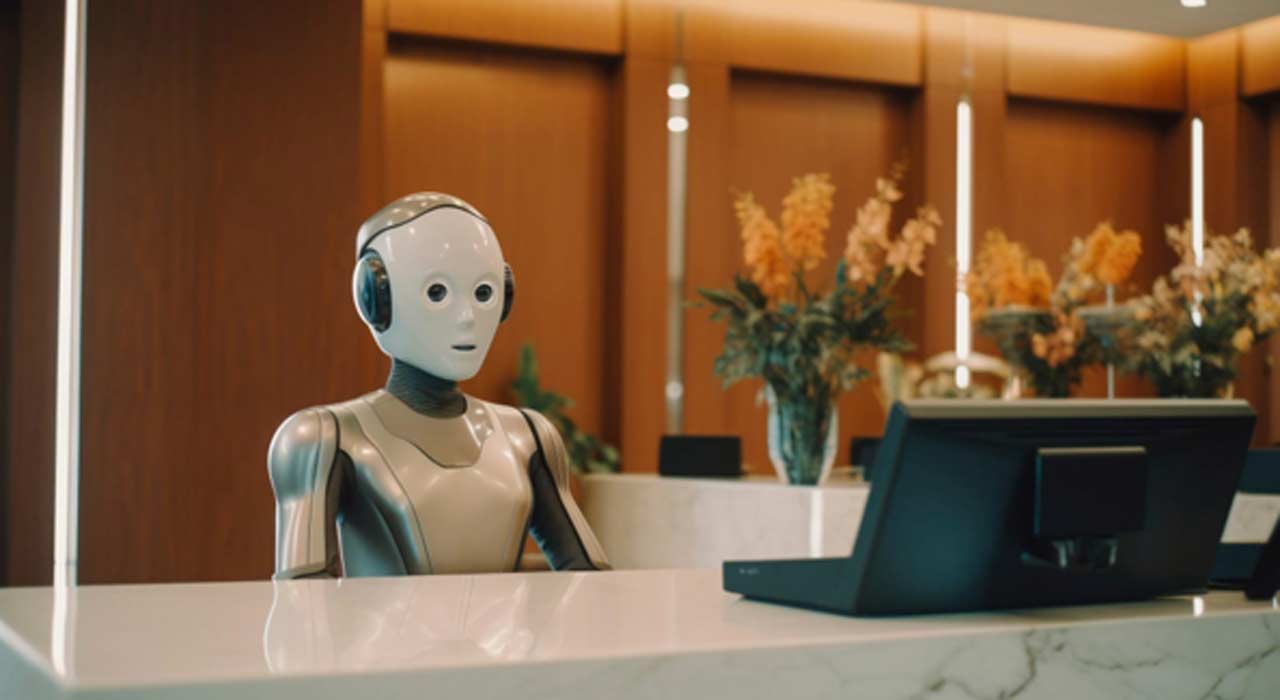
The demands on practitioners in the healthcare field have gone far beyond clinical care. Patients also demand convenience, speed, and accessibility at every stage of interacting with a medical practice. The conventional front desk functions, which are necessary, often struggle to keep pace with the growing volume of calls, appointments, and administrative tasks. Failure to answer calls, response delays, and inefficient scheduling may negatively impact patient satisfaction and operational performance. Modern AI healthcare solutions aim to overcome these issues by introducing smart reception systems that can interact with patients 24 hours a day. The use of AI receptionists signifies the future of round-the-clock access, as the practices would be able to work based on the needs of the patient and be accurate and consistent. With increasing levels of digital integration in healthcare settings, these systems are creating new expectations for front-desk experiences among patients.
5 Ways AI Receptionists Are Transforming Patient Experience
1. Complete Interaction with Clinical Systems.
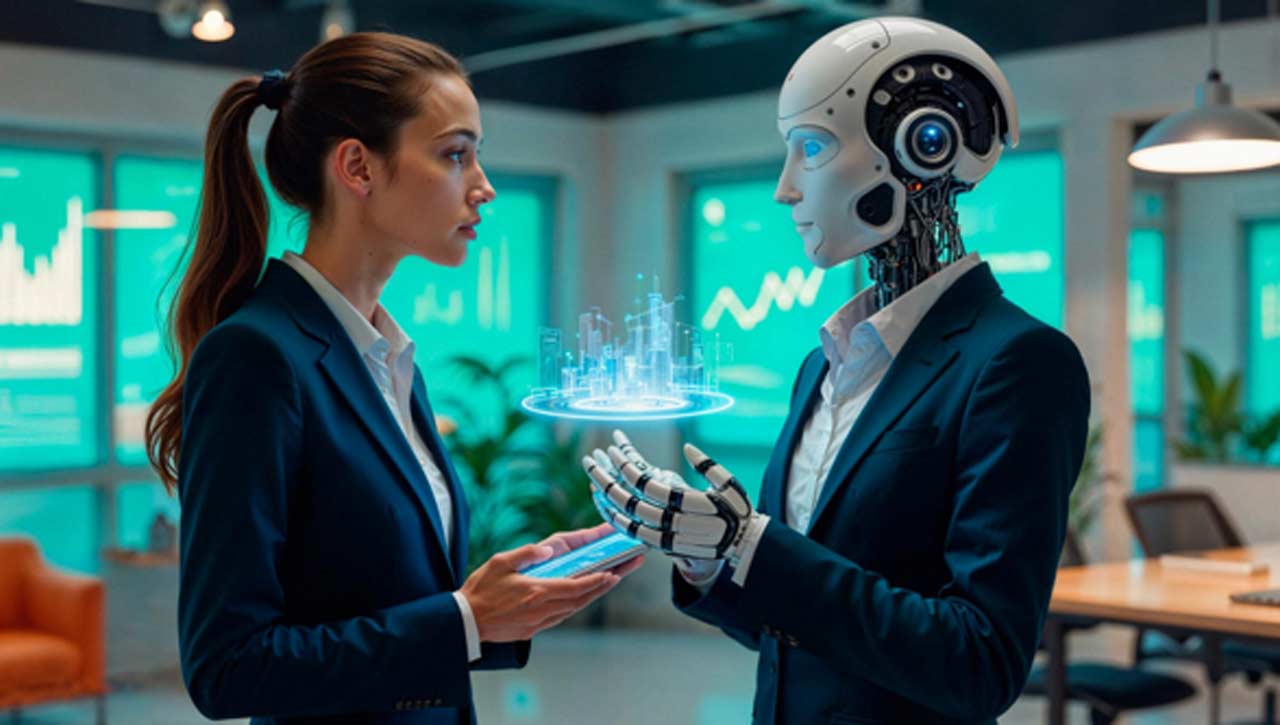
AI reception systems can be most effective when they are directly interoperable with the clinical infrastructure, including systems developed through EHR software development services. This integration enables the documentation of patient interactions, including appointment bookings, cancellations, and queries, and their automatic linking to electronic health records.
AI receptionists will enable front desk staff to eliminate manual data entry by integrating front desk operations with clinical systems. The appointment details, patient information, and communication history are updated in real time, which minimizes administrative workload and reduces the risk of errors.


Such a level of integration also guarantees that patient interactions are consistent across all contact points. Whether making appointments or updating information, patients interact with a single system that facilitates both administrative and clinical processes.
2. 24/7 Communication Access to Patients.
The main benefit of AI receptionists is around-the-clock availability. The AI systems do not have the time constraints of the traditional front desk operation, as the systems can answer patient questions at any time of the day.
Patients who want to make appointments, ask questions, or clarify some details usually want to receive the answers immediately. AI receptionists offer immediate services, eliminating frustrations that come with delaying seeing a physical receptionist or missing calls.
This 24-hour service also accommodates patients with different schedules, such as those who might not be able to reach medical professionals during the normal working hours. Practices enhance access and satisfaction of the patient by providing constant communication availability.
3. Better Efficiency and Less Administration.
Front desk staff tend to work with high volumes of repetitive duties such as responding to routine inquiries, managing appointments, and handling rescheduling requests. AI receptionists make these processes more efficient by automating interactions.
Robotization reduces the burden on administrative personnel, allowing them to spend their time on other tasks that require human effort. This transition enhances efficiency and highlights the quality of service delivery.
A reduced administrative workload also contributes to better workflow in healthcare practices. Once the daily chores are efficiently addressed, employees will have more time to work on the patients and to improve the operations.
4. Improved Precision and Uniformity in Communication.
In healthcare settings, consistency in communication is critical because the quality of communication has a direct influence on the patient’s experience. AI receptionists adhere to systematic guidelines; that is, they offer information in a clear and consistent manner in all their interactions.
There is also no promise of variability in the AI-driven systems, as compared to human-operated systems, which can change based on the workload or exhaustion. This uniformity minimizes the chances of miscommunication, and patients get reliable information.
Moreover, AI receptionists can check appointments, send reminders, and verify information accurately. The abilities help reduce scheduling errors and streamline practices in the healthcare sector.
5. Individualized Patient Communication at Scale.
Contemporary AI reception schemes can provide custom interactions based on patient data and communication history. This enables the system to be individualized in its response with consideration to individual preferences, appointment history, and past interactions.
Personalization improves the experience of the patient, as it makes the engagement more personal and attentive. Using the patient-specific needs, patients could be given specific appointment-reminding messages, follow-up messages, or recommendations.
Simultaneously, AI receptionists will be able to process massive amounts of interactions at a time. This scalability ensures that all patients are attended to on time without confusing the front desk personnel. The ability to combine personalization with efficiency is a significant improvement in healthcare communication.
End Point
Receptionists reshape front desk operations with continuous availability, seamless system integration, operational efficiency, consistent communication, and scalable personalization offered by AI receptionists. With ever-changing patient demands, healthcare practices need to adapt to ensure quicker, more dependable, and more convenient service to patients. AI-based reception systems are transforming the modern-day healthcare experience by streamlining administrative processes and enhancing patient involvement.