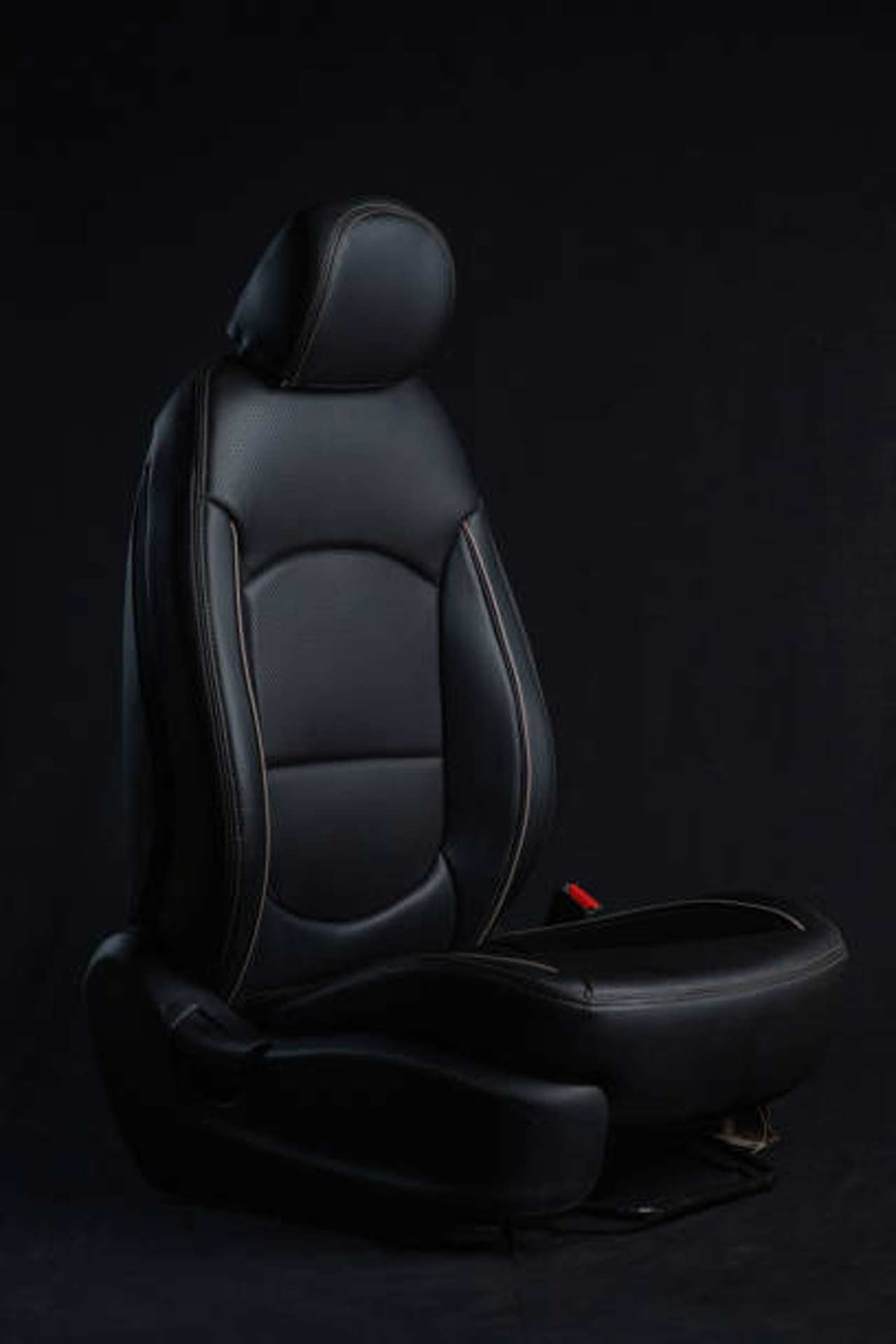
 Getting proper ford ranger raptor seat covers is one of those upgrades that owners often wish they had done on day one. The Ranger Raptor is a performance-oriented off-road machine that comes with premium factory seats, contoured bolsters, and specific stitching. Those seats are not cheap to repair or replace. A genuine interior repair on a Ranger Raptor can run into the thousands. A quality seat cover set runs a fraction of that and stops the damage from happening in the first place.
Why Are Raptor Seats Particularly Worth Protecting?
The Ranger Raptor’s factory seats are one of its strongest selling points. They are sculpted for lateral support during off-road driving, with prominent bolsters and thigh support extensions. Replacing or refurbishing them with original-quality materials is expensive precisely because of that complexity. Standard seat covers designed for the base Ranger will not fit correctly on the Raptor. The bolster geometry, headrest posts, and base contours are different. Raptor-specific covers account for that difference.
What Materials Work Best for Raptor Seat Covers?
Neoprene leads for wet and outdoor use, offering water resistance and durability. Canvas or heavy-duty polyester is better for tradespeople who carry sharp tools and rough materials, since canvas is more resistant to puncture and abrasion. Leather or leatherette gives the closest match to the Raptor’s premium interior aesthetic and is easy to wipe clean, but performs poorly in sustained heat without conditioning. The right material depends on what the Raptor is actually used for, weekend recreation versus daily hard work.
Do Seat Covers Interfere With the Raptor’s Seat Functions?
They can, if they are not designed properly. The Ranger Raptor offers heated and ventilated seats in higher trim levels. A thick neoprene cover will reduce the effectiveness of seat heating significantly and may block ventilation channels almost entirely. For Raptors with climate-controlled seats, perforated covers or slim-profile options preserve those functions better. Buyers should confirm whether the cover is designed to work with heated or ventilated seating before purchasing, not after.
How Important Is Airbag Compatibility on the Raptor?
Critical. The Ranger Raptor has side curtain airbags and seat-integrated side airbags. A cover that blocks or delays airbag deployment in a crash is a safety hazard. Covers designed specifically for the Raptor are cut with split seams and specific deployment clearances at the airbag locations. This is a non-negotiable feature. Do not assume a cover is airbag-compatible because the seller says so without documentation. Ask for airbag compliance certification specific to the Ranger Raptor model year you own.


What Is the Installation Process Like?
A quality custom-fit Raptor cover should install in 30 to 60 minutes per seat without tools. The process involves removing the headrest, slipping the cover over the seat back, securing elastic loops or hooks at the base, threading the headrest back through, and tensioning the cover flat. If it takes more than an hour and requires significant force, the cover is not the right fit. Good covers slip on firmly but without wrestling. Poor fitting covers shift during driving and wear out faster at stress points.
Can Seat Covers Actually Improve Driving Comfort?
For long trips, yes. Neoprene and quality foam-backed covers add a thin cushioning layer that softens the firm bolster contact points on long drives. For off-road use, a grippy neoprene surface holds the driver in position better than smooth factory fabric, which can cause sliding during aggressive cornering or rough terrain. Some Raptor owners specifically report less fatigue on long highway runs after fitting covers, which speaks to the cumulative difference a small material change can make over hours of driving.