Keytakeaways● Online medicine apps can be safe, but only when they follow strict prescription checks and legal pharmacy sourcing. ● A safe app should always ensure prescription verification, licensed pharmacy fulfilment, proper storage/packaging, and pharmacist/customer support. ● You can identify a genuine app by checking for invoice details, batch number + expiry visibility, secure packaging, delivery tracking, and clear policies. ● Red flags include selling prescription medicines without a prescription upload, unrealistic discounts, no invoice, loose packaging, and poor customer support. ● Safe ordering habits matter: always upload a clear prescription, verify strength and dose, and check expiry, seal, and invoice at delivery. ● Extra care is required when ordering high-risk medicines such as insulin, cardiac medicines, anti-cancer medicines, immunosuppressants, and blood thinners. ● The real issue is not whether the pharmacy is online or offline, but whether the process is verified, traceable, and handled professionally. |


In India, relying on an app to order medicines is now common among numerous families. Many families find it convenient; others find it essential, usually because of an elderly relative, someone suffering from a chronic illness, or someone recuperating from an operation, or because someone lives in a relatively rural area with limited options for getting medicines. Nevertheless, a question remains, and it is a legitimate concern.
Is it actually safe to use an online medicine app for prescription medicines?
Yes, there are indeed safe prescription delivery systems available, but they must be built on a sound legal basis (i.e., the app must comply with federal and state laws governing prescription medicines (distribution) and must use a secure method to deliver the medicines that were ordered and filled. It is also important to note that not all medical apps are alike. The same applies to prescription delivery apps.
This guide will share information on safety measures to consider when choosing a medical app and how to safely use a prescription delivery service for prescription medications.
Why People Use Apps for Prescription Medicines (And Why Safety Matters)
Unlike cough drops and multivitamins, prescription medicines can have impacts on the body’s systems, such as BP, blood sugar level, hormones, immune system function, and breathing patterns. Improperly taking an incorrect prescription medication, an incorrect dose, or an expired medication can lead to very serious health effects.
Individuals use Digital Medicine Applications to access many benefits:
- Convenience and speed of ordering.
- Increased Availability of Speciality Medications.
- Home Delivery for Patients Who Cannot Get to a Store.
- Price Transparency and Discount Options.
- Convenience for Patients Using Digital Medicine Applications to Refill Chronic Medicines.
However, as these benefits are derived through less direct involvement with a Pharmacist, the safety of using Digital Medicine Applications depends on the systems managed by each Application.
The Biggest Safety Risks With Prescription Medicines Online
Let us be clear about what can go wrong. A prescription medicine order becomes unsafe mainly due to these reasons:
1) Fake or Unverified Medicines
The pharmacy has sourced the medication from unverified suppliers or through legitimate pharmacies. This increases the risk of counterfeit medications being shipped to patients.
2) Expired or Poorly Stored Medicines
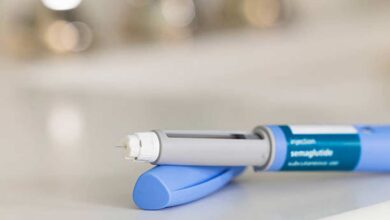
Medication can become ineffective due to improper storage conditions (e.g., insulin, injections, biologics) or because it has expired.
3) Wrong Medicine or Wrong Dose Delivered
Errors related to the medicine prescribed and the quantity of medication being delivered can result from:
- A lack of clarity in the prescription itself.
- The app is not properly verifying the prescription before delivery.
- The packaging team is not double-checking that both the medication and quantity match the prescription before shipping to the patient.
4) No Prescription Validation
Certain online pharmacy platforms allow users to order prescription-only medicines without first validating the prescribing physician’s prescription, creating a potential safety hazard and violating state and federal laws governing the sale and distribution of controlled substances.
5) Data Privacy Problems
The prescription itself will provide the user with access to the patient’s medical information, including their diagnosis and other health-related information, and there are potential data privacy issues with the prescription being sent electronically and mishandled.
What Makes an App Safe for Prescription Delivery?
A safe online pharmacy app includes checks similar to those of a professional pharmacy, rather than those of an online grocery store. The following are the critical attributes of a reliable app:
- A reliable prescription upload and verification Process
- A prescription-only medication will never be processed without a clearly legible prescription being uploaded.
- A prescription that has been manually reviewed/validated (physically within the app) by a pharmacist.
- Any unclear details must be confirmed via phone/text message.
- This is one of the main differences between a true Trusted Online Pharmacy App and the many random internet sellers.
- Licensed Pharmacy Fulfilment.
Prescriptions for medications should be dispensed from a licensed pharmacy that has a:
- Goods and Services Tax (GST) invoice.
- Batch number.
- Expiry date.
- Manufacturer details.
- If no invoice or batch details are available, it is best not to take the risk.
- Proper Storage and Packaging
A reliable pharmacy app must be able to properly store and package its products; therefore, the app must ensure:
- Medicines are stored/packaged at controlled room temperature.
- Cold-chain packaging for injections when necessary.
- Medications must be sealed with tamper-proof packaging.
- Adequate cushioning (padding) must be provided for fragile glass vials/syringes.
- Pharmacist Support and Customer Service.
The online app must have:
- Pharmacist counselling services are available (at least for all high-risk medications).
- Dedicated customer support for the replacement/verification of medicines.
- Written instructions on proper storage, dosage timings and missed doses.
How to Check If an Online Medicine App Is Genuine
It’s not necessary to be an expert. You just need to maintain a checklist mentality to be safe when ordering online.
Here’s a quick safety checklist to follow before placing an order:
- An online pharmacy is safe to order from if its app provides.
- Requirements for uploading a prescription for prescription-only medications.
- Invoice from a licensed pharmacy.
- Visible images of the medication and how it is packaged.
- Batch Number and expiration date information.
- Tracking information for your order with transparency from your delivery partner.
- Response time by customer support.
- If the online pharmacy you are considering does not provide at least 2-3 of these items, you may want to think twice before proceeding with your order.
Red Flags You Should Never Ignore
The following signals should raise red flags and immediately prevent you from using certain services:
- Selling prescription medicine without requesting a prescription slip.
- Providing “too good to be true” prices for costly medications.
- Providing no description of their pharmacy or invoice.
- Shipping loose tablets/strips without their associated boxes or packaging.
- Not informing you of their return/exchange policy.
- Packaging items poorly (for example, broken seals, peeling labels, etc.
Safe Steps to Use Prescription Delivery Apps Correctly
The user is also important, even when the app is reliable. Every time you order, please follow these steps:
Upload a current prescription
- Check dosing regimen (including how much and how often) and for how long.
- Look to see if you have the correct medicine name and dosage on the shopping cart.
- Indicate injection (or insulin) storage requirements.
Upon delivery:
- Confirm the money-back guarantee.
- Verify that the product is in good condition and properly sealed (the seal is intact).
- Check the shipping label for the correct address, etc.
Special Warning for High-Risk Medicines
There are different levels of risk associated with different types of medicines. Some medicines have a great potential for harming someone when misused.
When ordering certain types of medicines, you should take more care. These include:
- Insulin and injectables.
- Medicines used to treat cancer.
- Medicines used to treat heart problems.
- Medicines that affect thyroid or hormone levels.
- Anticoagulants (Blood Thinners).
- Psychiatric Medicines.
Reputable Online Pharmacies typically have stricter verification procedures for these types of medicines compared to other types of medications.
Are Online Medicine Apps Safer Than Local Pharmacies?
Online Medicine App varies by individual Chemist. Most are great Chemists, but there are a number of offline issues, such as:
- Selling expired stock.
- Substituting medications without consent from the customer.
- Not providing a bill of sale.
- Medications that may have been exposed to excessive heat.
Using a quality Digital Medicine App for the purchase of medications allows you to track your medicine through the following:
- Traceable invoices.
- Documented order history.
- Batch tracking/delivery logs.
- Replacement options.
- Quick access to Pharmacist Support.
Thus, the question of safety when purchasing medications online vs offline should be reframed as “verified purchases” vs “careless”.
Final Thoughts
Prescription medicine ordering through an online pharmacy can be safe, efficient, and dependable; however, only if you utilise a reliable platform and adhere to safe ordering methods. An ideal online pharmacy will verify the accuracy of prescribed medications for their patients, distribute medications from pharmacies licensed in your state, package medications safely and appropriately, and have clearly documented invoices for their transactions.
By treating the delivery of prescription medications as part of their medical regimen, rather than just buying products, patients can continue to enjoy the convenience of an online pharmacy while minimising risks to their health and well-being.