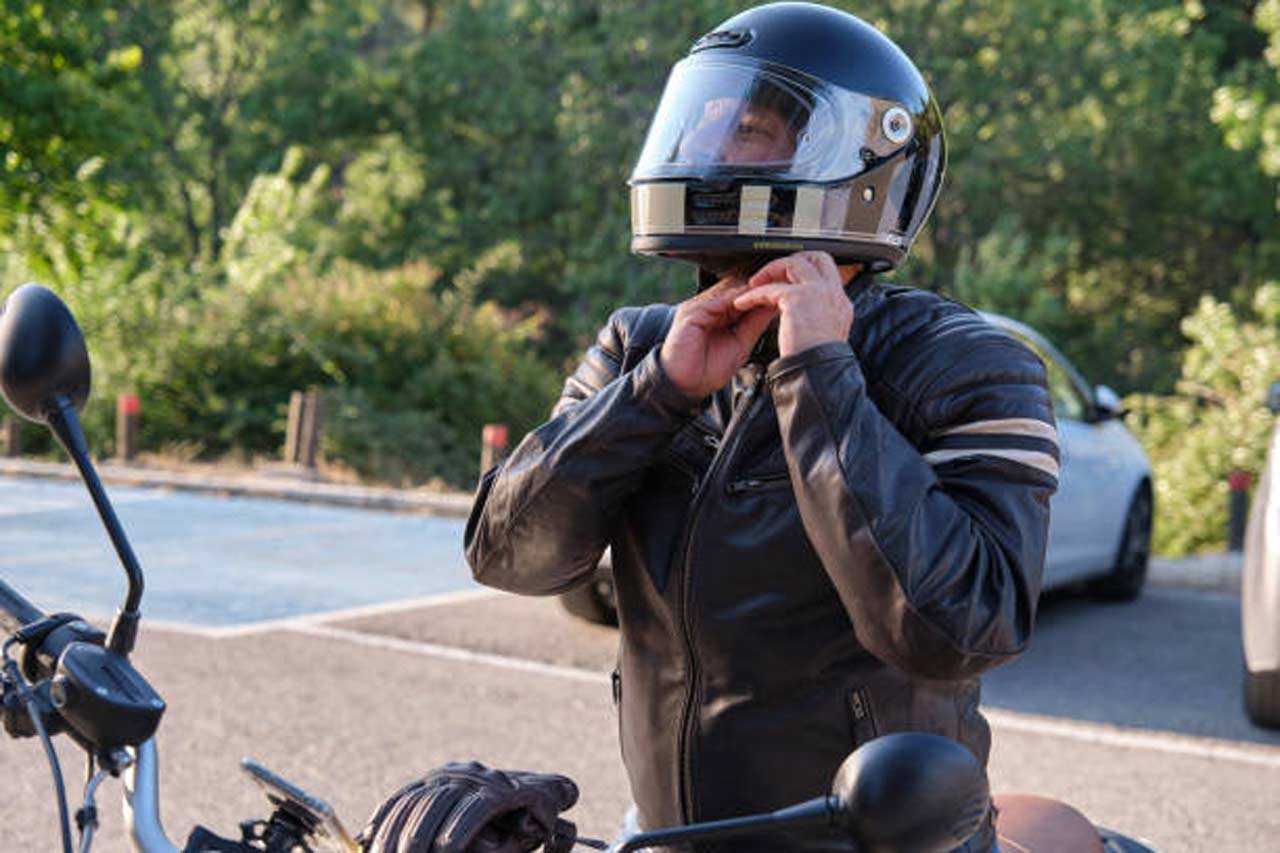
 Charlotte, North Carolina, is a city of constant motion, with surges across I-77, I-85, and I-485 and work zones that keep traffic patterns shifting. When a motorcycle crash happens, the injuries are serious, but the details of impact, speed, and rider position can be disputed within hours. That is where your helmet and gear become silent witnesses. North Carolina requires riders and passengers to wear helmets that comply with federal safety standards, so preserving the helmet you used can help show compliance and reveal how force travelled through the head and neck.
Scrapes on a visor, a crushed EPS liner, torn gloves, or shredded jacket seams can line up with medical findings and roadway marks, strengthening the timeline and countering insurance spin. The motorcycle accident attorneys at DeMayo Law can arrange proper documentation and expert review before items are misplaced or cleaned. Maintaining each piece, regardless of any damage, can safeguard your claim.
How Helmets Help Prevent Injuries
Helmets play an important role in preventing the serious impact of head injuries. Looking at the state of protective headgear after an event provides useful information. It looks for cracks, dents, or any impact signs. These details are important for determining whether the helmet absorbed force as intended or if it was a defective product. The location and severity of damage patterns can help or hinder narratives about the events of the impact.
Evaluation of Helmet Wearing in the Event of a Crash
Most investigations of such incidents will focus on whether the victim was wearing a helmet. Ambulance crews and emergency responders noted that the dentist’s office headgear was involved. Adults are more likely to suffer harm from a lost or improperly fastened helmet. Proper use can be confirmed through witness statements and photographs. These findings may turn a claim in favor of the claimant, particularly if applicable regulations impose certain safety requirements on riders.
Condition of Riding Gear Assessment
Motorcycles do not protect the wearer, and gear like gloves, jackets, boots, and pants provides a hot but valuable increase in protection from the elements, as well as accidents (though the skin stands in as protection too). These items reflect the forces at play during an accident, and they help investigators piece together the circumstances of the collision. Tears, abrasions, or gaps in clothing fit the sites of injuries present on the body. That is matching evidence that can verify how the rider leaned or slid after the point and moment of impact. Gear quality and wear and tear are also topics here, as old or damaged gear does not protect you.


Linking Evidence from Equipment to Patterns of Injury
Physicians judge injuries relative to the state of the equipment. So, for example, a helmet that has a dent on one side often corresponds with a head injury on that same side. So abrasions on a jacket might match scrapes on the arms. The information is used to piece together what order everything happened in and explain how such injuries occurred. It also helps to determine if the equipment worked or if it didn’t.
Influence on Legal Proceedings
The role of a helmet and gear in a motorcycle accident can be crucial in a legal proceeding and the amount of compensation one can receive. For example, if a rider is not wearing required safety equipment, banks may reduce their payouts. On the other hand, proving adherence to safety regulations may strengthen a defense against a damage claim. Photos, medical records, and witness testimony often support these arguments. Judges and juries can rely on this evidence when making decisions.
Impact on Accident Investigation
LEOs and crash analysts use helmet and gear evidence to reconstruct the nature of a wreck. For instance, the location of a helmet on the road could reveal the rider’s position at the time of impact. Damage to the gear may indicate whether a rider was dragged or thrown. These and other findings are compiled into extensive reports that affect criminal and civil results.
Promoting Safer Riding Practices
Accident investigation reports are also used to spur public safety campaigns. Statistics on helmet use and injury rates support the educational messages. Actual demonstrations of equipment reducing injury, however, are more effective at ensuring riders consistently use protective gear. This is an evidence-based practice that will assist in decreasing injury frequency and severity.
Conclusion
What is the evidence of your helmet and gear after your motorcycle accidents? This is useful for clinical assessments, legal claims, and helping to develop public safety policies. Careful consideration of this evidence enhances understanding of injury mechanisms and supports just outcomes. Both riders and authorities must now learn the value of proper equipment to prevent serious injuries moving forward.