Snapchat’s Solar System Is Breaking Friendships—and Here’s Why
Discover how Snapchat planets and friend rankings can stir drama—and learn how to enjoy the feature without stress.

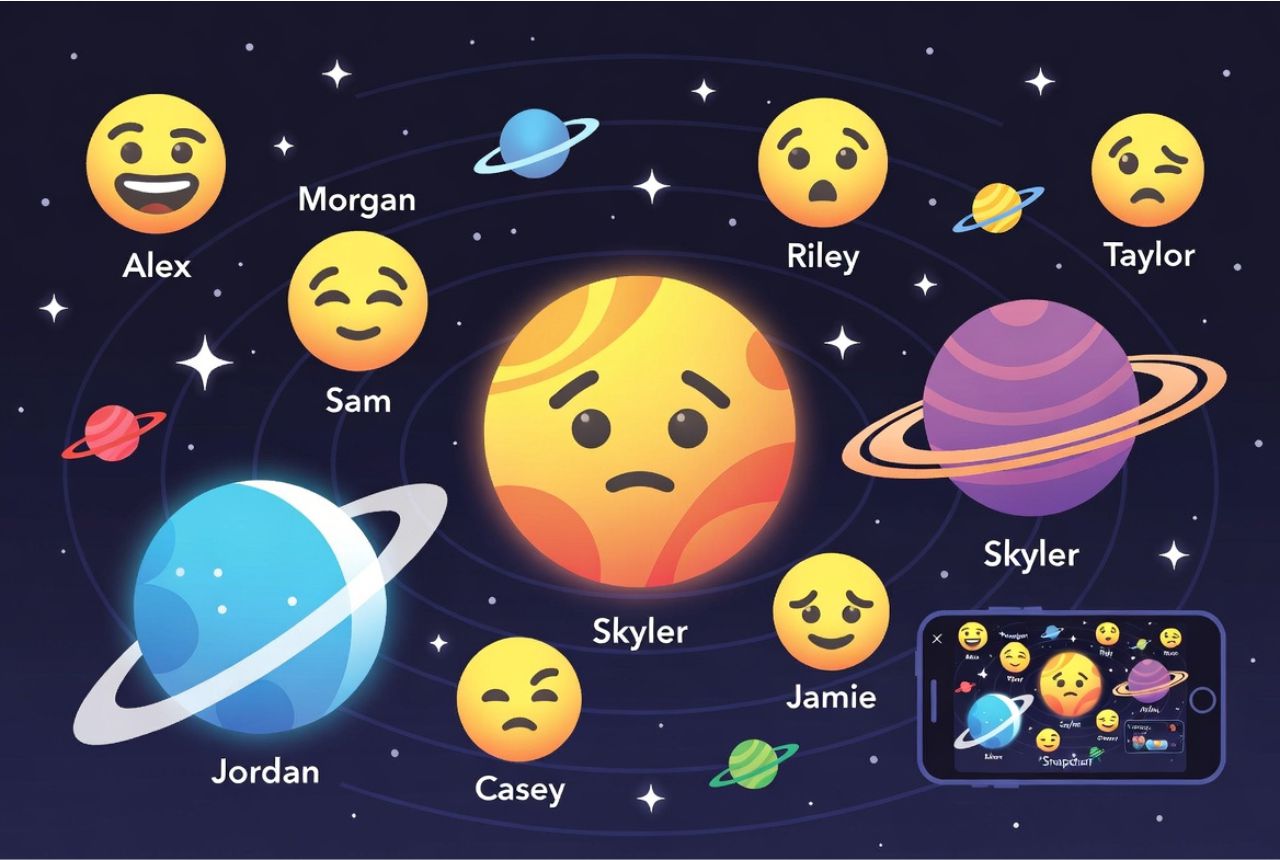
The Snapchat solar system is suddenly everywhere, and people can’t stop talking about it. If you use Snapchat, you may have noticed colorful Snapchat planets showing up next to your friends’ names. This fun-looking feature is part of Snapchat Plus, and it ranks your friends like planets in a tiny solar system. It seems cute at first. However, it is making many users feel confused, stressed, and even a little worried. And yes—some friendships are getting shaky because of it.
The idea is simple. Snapchat uses Snapchat friend ranking to show who chats with you the most. Then, it gives each friend a planet. For example, one friend might be “Mercury,” while another becomes “Jupiter.” But even though this feature looks playful, many people start to panic when their planet changes or when they are not someone’s “best friend planet.” Because of this, some users overthink their Snapchat friendship levels, feel left out, or compare their Snapchat friend score with others.
This is why the Snapchat solar system feature suddenly matters so much. Kids, teens, and even adults want to know what each planet means and why its place in the solar system moves up or down. And when someone sees their planet drop, they sometimes believe their real friendship is changing, too. That’s when small misunderstandings turn into real friend drama.
But don’t worry. In this guide, you will learn why the Snapchat Solar System might be “breaking friendships,” what the Snapchat planet meanings truly represent, and how to stop stress or confusion before it starts. By the end, you’ll understand how to enjoy this feature without hurting your feelings—or anyone else’s.


What Is the Snapchat Solar System? A Simple Explanation
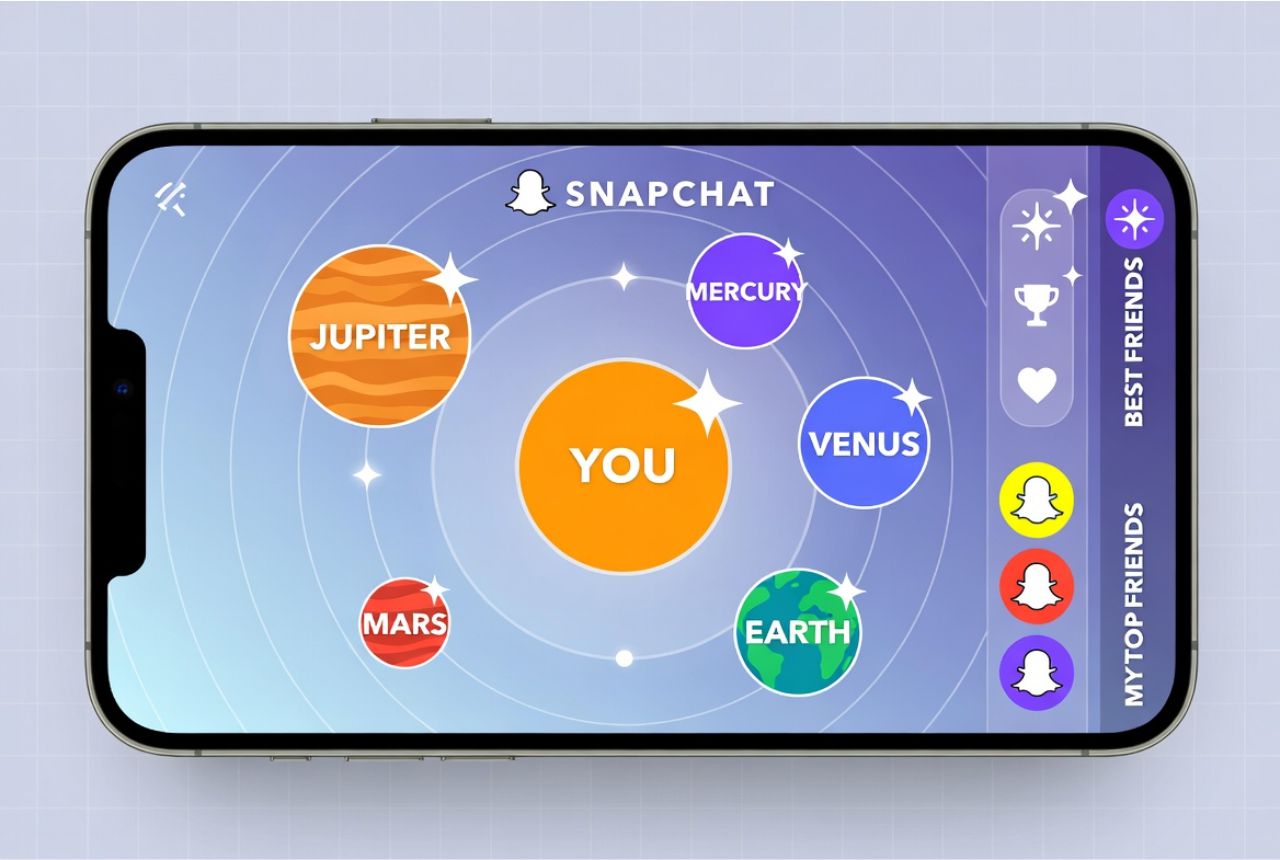
The Snapchat solar system is a fun feature inside Snapchat Plus that shows your closest friends as Snapchat planets. It looks cute and colorful, but many people don’t understand how it works. So let’s make it simple. Snapchat uses a special friend ranking system. It checks how much you chat, snap, or share with someone. Then, it gives them a planet based on how close they are to you. This is kind of like the old best friend emoji, but more detailed and more visual.
Here’s how it works. The friend you talk to the most becomes Mercury, because Mercury is the closest planet to the sun. The second closest friend becomes Venus. The list continues all the way to Neptune, which is the farthest planet. This means your top eight friends get a spot in your tiny solar system.
Each planet also has its own look and meaning. For example, Mars usually shows that the friend is in the middle of your list. But Jupiter means the friend is higher ranked, and you interact with them more. So, if someone sees you as Mars but you see them as Jupiter, it simply means you talk to them more than they talk to you. It doesn’t mean you are less important.
Because of this system, your planet may change often. But remember: Snapchat planets show activity, not real friendship. They help you see who you chat with the most, but they don’t measure feelings, trust, or real-life bonds.
This quick explanation helps you understand the Snapchat Solar System without confusion—and without stress.
Why the Snapchat Solar System Is Causing Friendship Drama
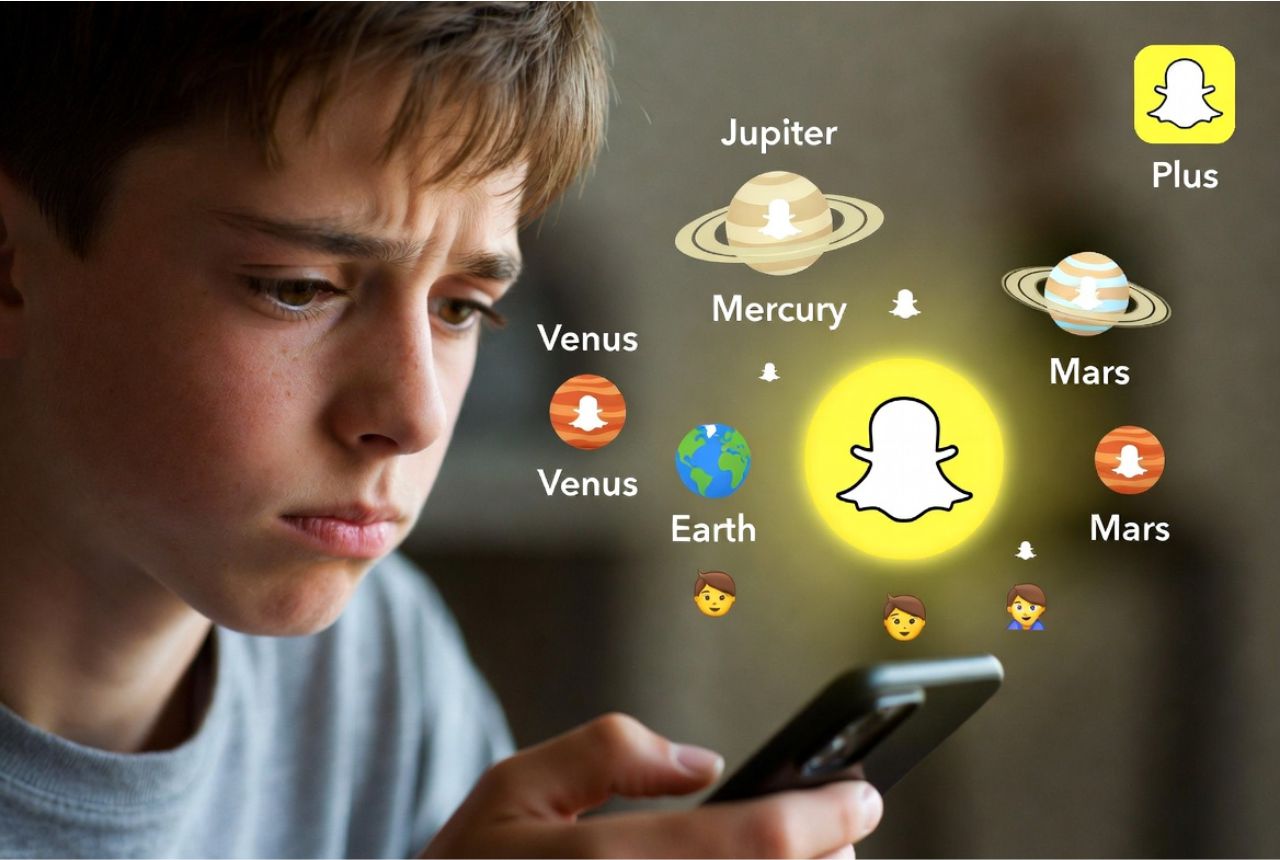
The Snapchat solar system may look cute, but it can also cause big feelings. When someone sees they are “lower” in a friend’s solar system, it can hurt. It may make them feel less close, even when the real friendship is fine. This emotional reaction is common, especially among kids, teens, and young adults who already compare themselves to others online. Because of this, the colorful Snapchat planets can quickly turn into tiny stress balls.
Many users fear losing closeness. When their planet moves from Venus to Mars, or from Jupiter to something lower, they start to worry. They think, “Did my friend stop liking me?” or “Am I not their top friend anymore?” These thoughts grow fast because of the pressure created by constant friend ranking. But remember: this ranking is based on chat activity, not real friendship.
There is also a strong comparison culture. People check their Snapchat friendship levels and compare them with others. They want to stay someone’s top friend all the time. This expectation creates pressure. It makes people feel like they must snap or chat more just to keep their planet spot. This is not healthy.
Even small planet changes cause anxiety. When someone sees their planet drop, they panic. They think something is wrong. But planet changes often happen simply because the other person talked more to someone else for a day or two.
That is why Snapchat’s Solar System creates friendship drama. It mixes emotions, comparison, and pressure into something that should be fun. Understanding this helps you stay calm—and enjoy it without stress.
Hidden Social Pressures Behind the Snapchat Solar System
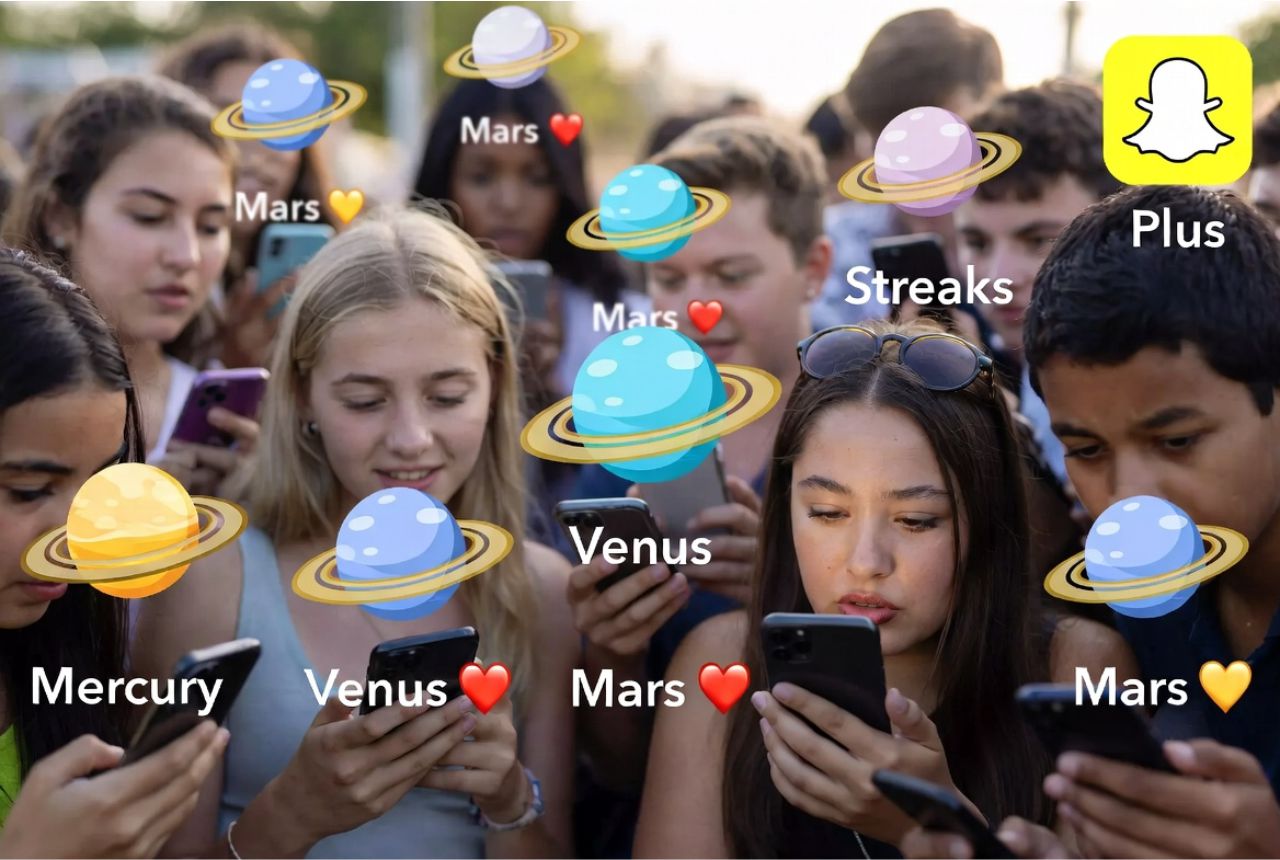
The Snapchat solar system may look like a simple set of planets, but it creates strong social pressure for many people. Today, users want to feel valued, noticed, and connected. So when they check their Snapchat friend score or look at their Snapchat Plus planets, they often search for social validation. They want to feel important. However, when their ranking drops or their planet changes, insecurity starts to grow.
This turns into a deeper problem. Because the ranking system updates based on how much you talk or snap, users begin to think these digital numbers reflect real friendship. But that is not true. Still, when the app shows a lower planet, it feels like a form of rejection. That is why many people get hurt even when nothing is actually wrong.
This leads to a common situation: A user checks their friend’s solar system and sees they moved from Jupiter to Mars. Instantly, they overthink. They wonder, “Did they replace me?” or “Why am I not their closest friend anymore?” Even though the change may simply be because the friend snapped at someone else more that day, it feels personal.
Here’s another scenario: A friend stays on a low planet even after chatting often. The person feels frustrated. They think the Snapchat friend ranking is unfair. This creates stress, jealousy, and sometimes arguments.
Because of these experiences, the Snapchat solar system causes hidden emotional pressure. It mixes digital activity with real feelings. And users start treating every planet shift as a sign of friendship change—even when it is not.
Understanding this helps you step back, breathe, and remember: planets are not proof of love, loyalty, or real connection.
Misunderstandings Caused by Snapchat’s Planet Rankings

The Snapchat solar system is fun, but it can also create a lot of misunderstandings. Many people see a planet change and assume that someone has “replaced them.” For example, if your friend moves from Jupiter to Mars, it is easy to think they no longer like you as much. However, these assumptions often lead to wrong conclusions about relationships.
The truth is, planet changes don’t always mean what you think. The Snapchat friend ranking is mostly algorithm-based. It looks at how often you chat, snap, or interact with someone, not your real feelings. So even if your planet drops, it doesn’t mean your friendship is weaker. It only shows activity, not emotional closeness.
Activity-based data drives the ranking. If your friend snaps someone else more often for a day, the planet may shift. This is normal, and it does not reflect the quality of your relationship. Many users overthink this, forgetting that Snapchat Plus planets are meant for fun, not for judging friendships.
Sometimes a friend may stay on a lower planet even though they care deeply about you. Others may appear higher simply because they are more active on the app. These small differences often cause stress and unnecessary friend drama.
By understanding that the Snapchat solar system is just an activity tracker, you can avoid misreading signals. Remember: a planet change is not a personal rejection. It is a digital ranking, not a measure of loyalty, trust, or true connection. Treat the feature as fun, and don’t let it affect your real friendships.
Privacy Concerns: What Snapchat Doesn’t Tell You
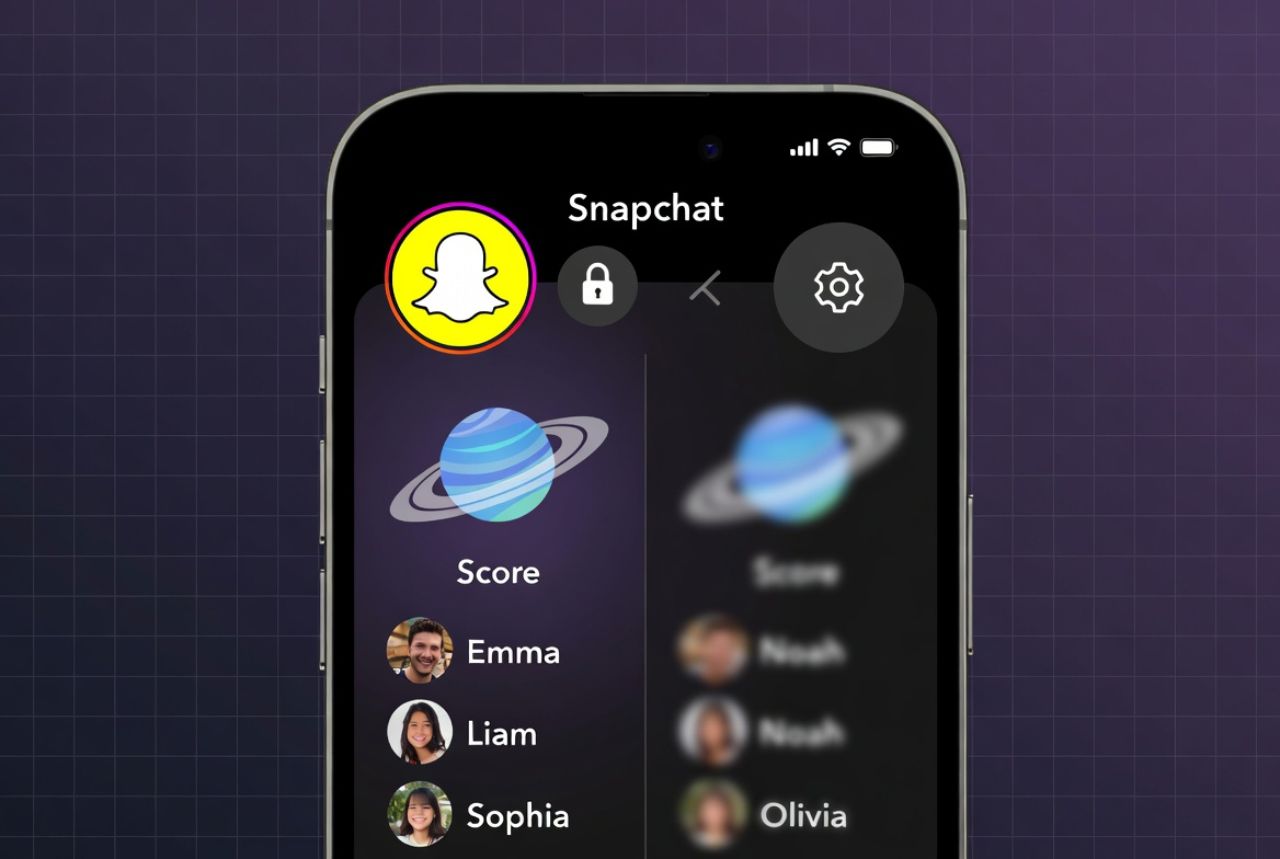
The Snapchat solar system is fun, but it also raises some important privacy concerns. Many users don’t realize that other people can see their Snapchat planets and rankings. This can feel surprising—or even stressful—especially if you didn’t expect someone to notice your Snapchat friend ranking.
Here’s the truth: Snapchat planet visibility depends on your settings and subscription. Only friends with access to your Snapchat Plus features can see your solar system. Regular users without a paid subscription cannot view your planet, which means not everyone knows your ranking. However, if you are on Snapchat Plus, your top friends can see where they appear in your solar system.
Another factor is your activity. The way you chat, snap, or interact with friends directly affects their rankings. For example, if you send snaps to one friend more often, their planet may rise. This shows that your activity influences others’ positions, even if you don’t mean to change anything.
Because of this, it’s easy to feel judged or worried about your digital placement. That’s why understanding Snapchat privacy settings is important. You can control who sees your solar system and reduce unnecessary friendship drama.
Remember, the Snapchat solar system is designed to track activity, not measure real friendship. Knowing who can see your planet and how rankings work helps you enjoy the feature safely. By managing Snapchat Plus settings, you can have fun without letting planet visibility create stress or confusion.
How to Handle Friendship Conflicts Caused by the Snapchat Solar System

The Snapchat solar system can make friendships tricky, but there are ways to stay calm and happy. First, practice healthy communication. If a friend’s planet changes and you feel hurt, talk to them kindly. Ask questions instead of assuming. Simple conversations can prevent jealousy or misinterpretation.
Next, consider turning off certain features to reduce stress. For example, you can manage Snapchat notifications so you aren’t constantly checking planet updates. This helps you focus on real-life moments instead of digital rankings.
Adjusting privacy settings is another smart step. Decide who can see your Snapchat planets. Limiting visibility helps you enjoy the app without worrying about comparisons or judgments. Remember: your solar system is based on activity, not real friendship.
Try using Snapchat for fun, not competition. Snap, chat, and share with friends without pressure. Avoid checking friend rankings too often, and remember that planet changes are normal. They reflect activity, not closeness.
Also, encourage your friends to understand the system. When everyone knows it’s just for fun, conflicts decrease. Celebrate friendship in real life, not just through emojis or planets.
By following these tips, you can enjoy the Snapchat solar system safely. Communicate openly, manage settings, and use the app without stress. This way, your friendships stay strong, and you can have fun with Snapchat without letting planet rankings cause unnecessary drama.
Should You Trust the Snapchat Solar System? The Honest Truth
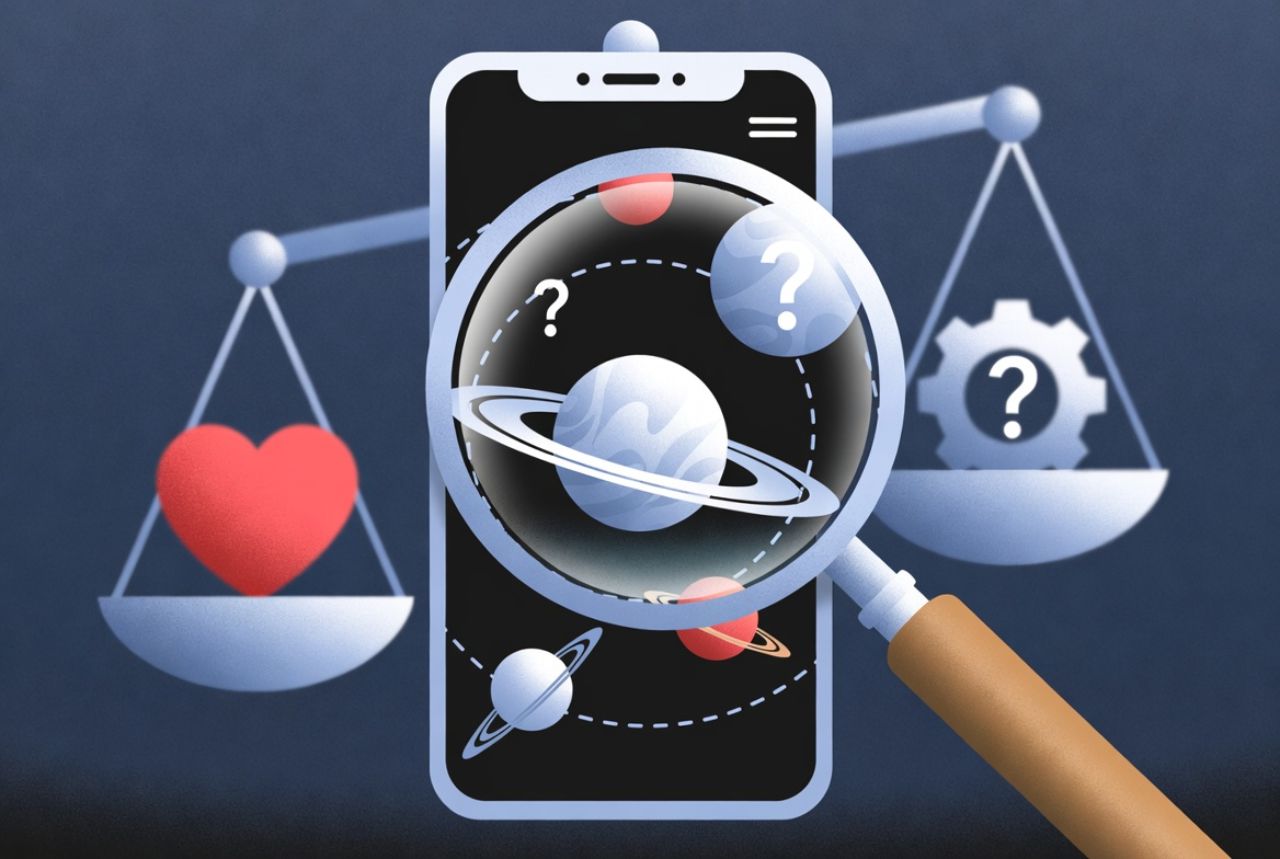
The Snapchat solar system may seem to measure friendships, but the truth is more complicated. Many people wonder if the planet rankings are accurate. The short answer: they are not. The system is algorithm-based, tracking how much you chat, snap, or interact with friends. It does not measure feelings, loyalty, or emotional closeness.
This is where things get tricky. People often mix emotional friendship with digital rankings. If your planet drops, it may feel like rejection. However, this is only activity-based data at work. Someone may still care about you deeply, even if their planet looks lower in your solar system. The ranking reflects interactions, not real-life bonds.
It’s also important to remember that the Snapchat solar system is designed for fun, not judgment. Your planets can change daily, depending on who you talk to most that day. This makes it unreliable as a measure of who your true friends are.
So, should you trust it? Only for fun. Treat Snapchat planets as a playful way to see activity, not as proof of friendship. Avoid letting rankings affect your emotions. Focus on real conversations, shared experiences, and the people who are there for you offline.
In short, the Snapchat solar system is entertaining, but it is not a real measure of closeness. Understanding this helps you enjoy the feature without overthinking or stressing about rankings. Keep your friendships strong by valuing real-life connections above digital platforms.
Benefits of the Snapchat Solar System (When Used Correctly)

The Snapchat solar system can be a lot of fun when you use it the right way. First, it adds a gamified experience to chatting. Seeing your friends appear as colorful Snapchat planets makes the app more playful and exciting. It feels like a tiny game inside your phone!
Another benefit is that it helps you track engagement, not feelings. The system shows who you talk to the most, but it does not measure loyalty, love, or real friendship. Understanding this is key to avoiding stress. You can enjoy the ranking without overthinking or worrying about your relationships.
The solar system also adds personality to the platform. Each planet represents a unique level of interaction. It makes your friend list look fun and interactive, rather than just plain names. This is especially great for users who love visuals and playful apps.
To use it without stress, adopt the right mindset. Treat the planets as entertainment, not a test of friendship. Don’t focus on rankings, and remember that activity changes every day. Small drops or rises in planets are normal and not a big deal.
Also, focus on real conversations and fun moments with friends instead of comparing planets. By keeping this perspective, the Snapchat solar system becomes a positive, engaging feature. You can enjoy it as a playful tool while keeping your friendships happy and drama-free.
In short, when used correctly, the Snapchat solar system is fun, informative, and stress-free—a perfect mix for enjoying Snapchat without overthinking.
Final Thoughts: Don’t Let the Snapchat Solar System Control Your Friendships
The Snapchat solar system can look fun, colorful, and exciting. But as we learned, it can also create worry, comparison, and unnecessary friendship drama. In this guide, we talked about how Snapchat planets, Snapchat friend ranking, and Snapchat friendship levels can confuse people and make them think their real friendships are changing. We also explained why your planet may move, why it doesn’t always mean something bad, and how simple misunderstandings can grow when you trust digital rankings more than real feelings.
So, always remember this: Friendships are not planets. Friends are not emojis. They are real people who care, talk, and share moments with you. A planet or ranking cannot measure that. Therefore, never let a digital icon decide your worth or your bond with someone. Instead, use these features for fun. And when you feel confused or hurt, talk to your friend. A small conversation can clear up big worries. Healthy, honest, and real communication always wins over any app feature.
But before you go, here’s something helpful. If you know someone who is stressed about their Snapchat planet meanings or worried about their spot in your solar system, send this guide to them. Share this with a friend who’s confused about Snapchat planets! It might help them feel better and avoid overthinking.
And if you enjoy learning about social media tools, cool updates, and trending features, don’t miss out. Want more guides on social media trends? Subscribe to Instagram for weekly updates! You’ll stay informed, feel confident, and always understand what’s going on in the digital world—without any stress.