Beyond Recycling: 3 Ultra-Innovative Materials Changing Manufacturing
Discover 3 Ultra-Innovative Materials Redefining Sustainable Manufacturing



Why “Innovative Materials” Are the Real Game-Changer in Manufacturing
The world of manufacturing is changing fast — and innovative materials are leading the way. These new materials are not just replacing old ones; they’re redefining how we build, produce, and protect our planet. Unlike traditional recycling, which only reuses what already exists, material innovation creates smarter solutions that last longer, waste less, and perform better.
Recycling is helpful, but it has limits. It still depends on old materials and often uses a lot of energy to process them. In contrast, innovative materials like bio-based composites, self-healing polymers, and nanomaterials go beyond this cycle. They are part of closed-loop systems where waste becomes raw material again, keeping production truly sustainable. These materials make products stronger, lighter, and more energy-efficient — saving both resources and money.
Globally, industries are embracing green manufacturing and sustainable material technology to meet growing environmental demands. Countries and companies are investing in eco-efficient production methods and carbon-neutral materials to reduce their footprint. This shift isn’t just about being “eco-friendly.” It’s about building smarter systems where performance, sustainability, and cost-efficiency all work together.
In today’s world, innovative materials are more than a scientific breakthrough — they’re the foundation of the next industrial revolution. They prove that technology and nature can work hand in hand to create a cleaner, stronger, and brighter future for manufacturing — one that truly goes beyond recycling.
Material #1 — Self-Healing Polymers: The Future of Durability

Imagine if a broken toy could fix itself — that’s what self-healing polymers do for manufacturing. These innovative materials are specially designed to repair damage automatically, without human help. At the core, they contain tiny capsules or special chemical bonds that activate when cracks or scratches appear. This means products can regain their strength and function, almost like magic, keeping them in use longer.
The applications are impressive. In the automotive industry, self-healing coatings can fix minor scratches on car bodies. In aerospace, these polymers help planes endure tiny cracks that could otherwise grow into serious damage. Even consumer electronics like smartphones and wearable devices are beginning to benefit, with screens and surfaces that self-repair scratches and dents.
Beyond convenience, self-healing polymers have major environmental and economic benefits. By extending product lifespan, they reduce the need for frequent replacements, cutting down industrial waste.
This supports eco-efficient production and helps factories move toward sustainable material technology. At the same time, businesses save money on repairs and replacements, making production smarter and greener.
In short, self-healing polymers are more than a scientific breakthrough — they are a step toward next-generation materials that combine durability, sustainability, and efficiency.
By embracing these materials, industries can reduce waste, save energy, and push manufacturing into a cleaner, more resilient future. They truly show how material innovation goes beyond recycling to change the game in modern production.
Material #2 — Mycelium Composites: Nature’s Strongest Design

Meet mycelium composites — a truly amazing example of innovative materials inspired by nature. Mycelium is the root network of mushrooms, and scientists have discovered that it can grow into strong, lightweight, and flexible materials. Unlike traditional plastics and foams, mycelium is a bio-based, renewable, and completely biodegradable material, making it an ideal solution for eco-friendly manufacturing.
These sustainable materials are already reshaping industries. In packaging, mycelium replaces polystyrene foam, providing cushioning that does not harm the environment. In furniture, it forms strong panels and decorative items that are lightweight yet durable. Even in architecture, designers are experimenting with mycelium as building materials, creating walls and insulation that are both functional and sustainable.
The environmental benefits are impressive. Mycelium is fully biodegradable, so it can return safely to the soil at the end of its life cycle. It also requires minimal energy to grow, reducing carbon emissions compared to traditional manufacturing. By using renewable resources, companies can achieve carbon-neutral production while embracing green manufacturing practices.
Economically, mycelium composites open doors to sustainable material technology that is cost-effective and scalable. They demonstrate how material innovation can replace harmful plastics, reduce industrial waste, and support a circular economy.
In short, mycelium composites prove that nature has already designed some of the strongest and smartest materials. By harnessing these bio-based solutions, industries can build a cleaner, greener, and more resilient future — truly moving beyond recycling and redefining sustainable manufacturing.
Material #3 — Graphene: The Super-Material Revolutionizing Engineering
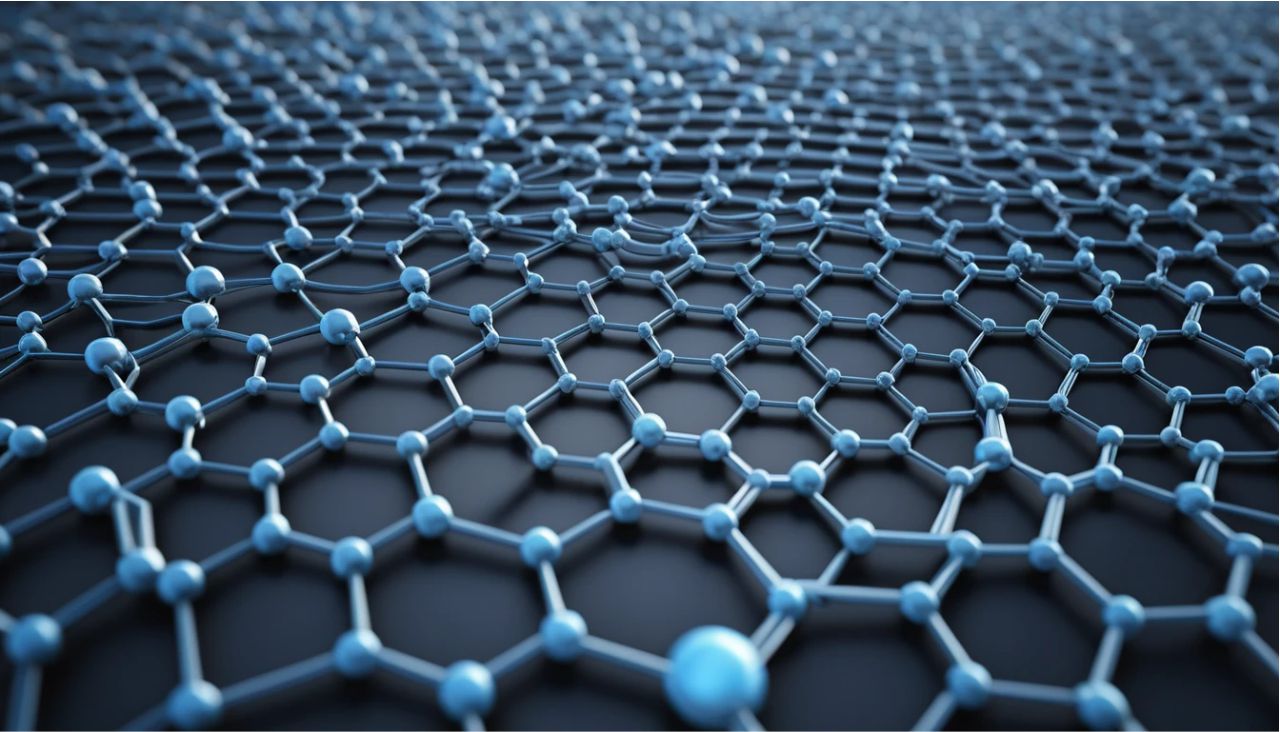
Graphene is one of the most exciting examples of innovative materials in the modern world. This super-material is just one atom thick, yet it is ultra-strong, highly conductive, and incredibly light. Its unique properties make it a game-changer for industries that need next-generation materials to boost performance while staying sustainable.
The potential of graphene is limitless. In electronics, it enables faster, highly efficient circuits and flexible, durable screens. Energy storage, graphene strengthens batteries and supercapacitors, helping devices charge quickly and last longer. In construction and advanced composites, it provides exceptional strength without added weight, making buildings, vehicles, and structures safer, lighter, and more energy-efficient.
But graphene isn’t just about performance. It also aligns perfectly with circular economy goals. Its lightweight design reduces energy consumption in production and transport, supporting eco-efficient manufacturing. Products made with graphene can last longer, reducing waste, while its scalable, renewable potential ensures that industries can grow sustainably.
By integrating graphene applications into manufacturing, companies embrace green manufacturing practices and push material innovation forward. It shows that the future of production doesn’t have to harm the planet — it can be stronger, smarter, and cleaner.
In short, graphene is more than a breakthrough material — it’s a revolution. With its sustainability benefits, energy efficiency, and industrial versatility, graphene proves that innovative materials are key to creating a resilient, eco-friendly, and high-performing manufacturing future. It’s a clear example of moving beyond recycling into a world where technology and sustainability grow together.
How These Materials Are Redefining “Sustainable Manufacturing”

The rise of innovative materials is changing the way factories and industries think about production. Traditional manufacturing often follows a linear model: take resources, make products, and create waste.
Now, the world is shifting toward a circular production model, where materials like self-healing polymers, mycelium composites, and graphene are reused, recycled, or naturally returned to the environment. This move is at the heart of sustainable manufacturing.
These materials also work hand in hand with advanced technologies. For example, AI helps monitor production efficiency, nanotechnology improves material performance, and green energy powers factories with minimal carbon footprint. Together, they create a smarter, cleaner, and more resilient manufacturing ecosystem. Industries can now make stronger, lighter, and longer-lasting products while reducing waste and energy consumption.
Beyond environmental benefits, material innovation has huge economic potential. New industries focused on eco-efficient production are creating jobs in advanced manufacturing sectors, research labs, and clean technology startups. Companies adopting sustainable material technology can save costs, meet global environmental standards, and gain a competitive edge in green markets.
In short, these next-generation materials are not just scientific breakthroughs — they are catalysts for a manufacturing revolution. By combining innovative materials with smart production, renewable energy, and circular economy principles, industries can build a future that is economically strong, environmentally responsible, and technologically advanced. They truly show that the future of making things goes beyond recycling and into a world of sustainability and innovation.
Challenges & The Road Ahead for Material Innovation

While innovative materials promise a brighter, greener future, there are still hurdles to overcome. One major challenge is cost. Advanced materials like graphene or self-healing polymers can be expensive to produce at scale.
Similarly, scalability is a concern — growing materials like mycelium composites for mass production requires careful planning and investment. On top of that, regulatory hurdles can slow adoption, as governments and industries must ensure these new materials are safe, reliable, and eco-friendly.
However, the road ahead is full of opportunities. Collaboration between startups, research labs, and manufacturers is key.
By sharing knowledge and resources, innovators can solve production challenges faster and create eco-efficient production systems that work for both businesses and the environment. Partnerships also accelerate the adoption of sustainable material technology across industries.
Emerging trends are exciting to watch. Smart factories powered by AI, automation, and nanotechnology are making it easier to integrate these next-generation materials efficiently. At the same time, breakthroughs in bio-based materials and advanced composites continue to expand possibilities for green manufacturing.
In short, while challenges like cost and regulations exist, material innovation is unstoppable. With collaboration, smart technology, and global investment in sustainable manufacturing, the future is bright.
Industries are learning how to move beyond recycling, embrace eco-friendly manufacturing, and build a world where technology, sustainability, and efficiency work together for a stronger, cleaner, and smarter tomorrow.
How Businesses Can Adopt Innovative Materials Today

Adopting innovative materials can transform a business, making production cleaner, smarter, and more sustainable. The first step is to integrate sustainable materials into your manufacturing processes.
Start small by testing bio-based materials, self-healing polymers, or advanced composites in select products. This helps your team understand how these eco-efficient materials perform and where they add the most value.
Next, build strong connections by partnering with suppliers and R&D labs. These collaborations give businesses access to cutting-edge research, new sustainable material technology, and scalable solutions.
Working closely with experts ensures that the materials meet quality, safety, and environmental standards. Over time, these partnerships can help create circular production models, where materials are reused and waste is minimized.
Finally, businesses can leverage ESG and green certifications to gain a competitive edge. Certifications show customers, investors, and partners that your company values green manufacturing and industrial sustainability. They also open doors to incentives, grants, and partnerships focused on next-generation materials.
By following these steps, companies can start moving beyond recycling and embrace a future where material innovation drives growth, efficiency, and environmental responsibility. Integrating these materials not only reduces waste and energy use but also positions businesses as leaders in sustainable manufacturing.
In short, adopting innovative materials today is more than a strategy — it’s a commitment to a cleaner, smarter, and stronger future. With careful planning, collaboration, and certification, businesses can thrive while helping the planet.
Conclusion – The Materials Revolution Has Begun
The world is finally looking beyond recycling — and stepping into a future built on innovative materials that do more than just reduce waste. These smart, sustainable materials are reshaping how things are made, used, and renewed.
From self-healing polymers that fix themselves to mycelium composites grown from nature and graphene that powers next-generation technology, each discovery pushes manufacturing toward a cleaner, stronger, and greener path.
This change isn’t small — it’s the start of a new industrial revolution. One where green manufacturing and material innovation come together to design a world that’s both efficient and eco-friendly.
Instead of relying only on recycling old resources, industries now have the power to build from bio-based materials, use renewable resources, and support carbon-neutral production. These breakthroughs prove that progress and planet protection can grow side by side.
But this movement needs bold minds and curious hearts. Whether you’re an engineer, entrepreneur, or sustainability advocate, you can help shape this transformation. Explore partnerships with sustainable material innovators.
Look for innovation grants and research collaborations that promote clean technology and eco-efficient production. Together, we can drive industrial sustainability that goes far beyond recycling — toward a truly circular, regenerative economy.
Because the future isn’t just about making less waste. It’s about making better choices. And those choices start today — with the courage to use innovative materials that redefine what’s possible in manufacturing and what’s right for the planet.