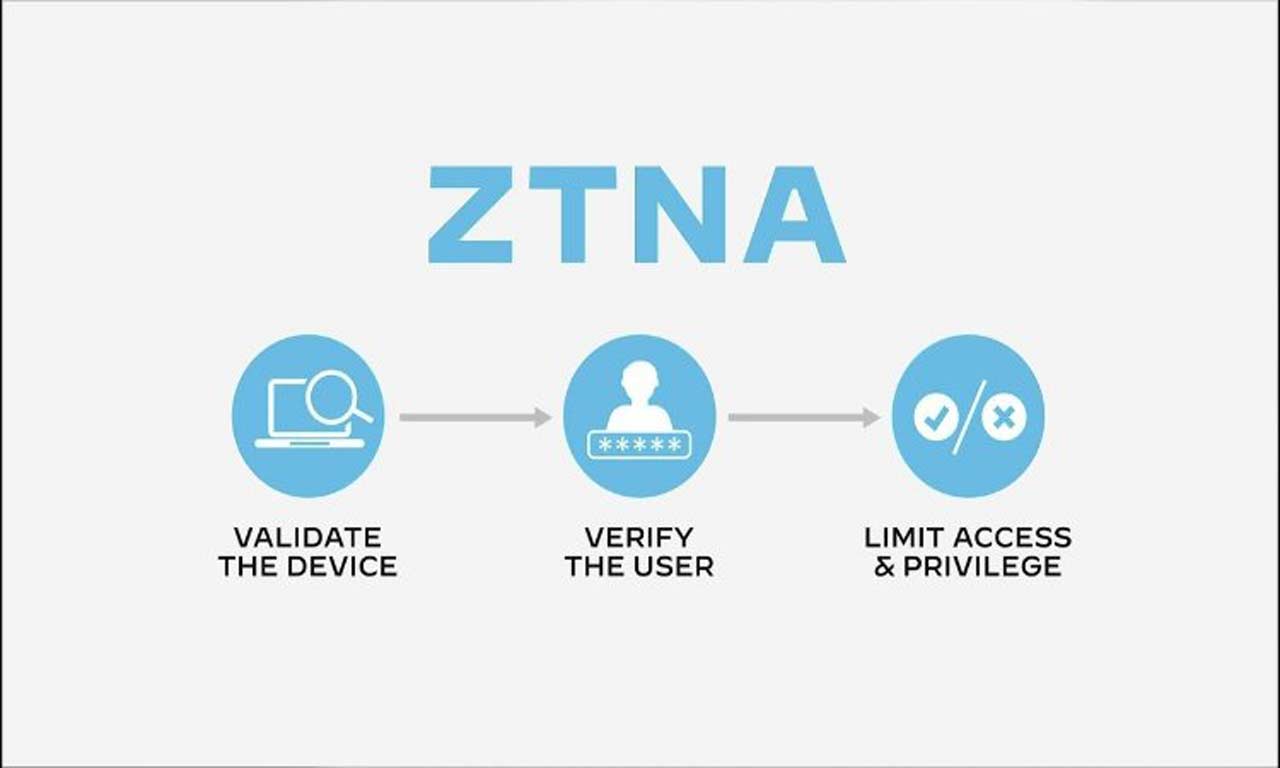
 Highly sensitive data, such as financial records, patient information, identity details, and confidential transactions, are managed by BFSI and healthcare organisations. As a result, these industries fall under the prime targets of cybercrime and threats. Traditional security models are no longer able to provide them with the most secure services. Hence, Zero Trust Network Access (ZTNA) has become increasingly important, providing controlled, identity-based access to applications and data.
Here is a practical blueprint for BFSI and healthcare organisations that are adopting ZTNA:
Why Zero Trust Matters in High-Compliance Environments
The main motto of ZTNA is “never trust, always verify”. ZTNA solutions always require users to verify their identities when accessing internal networks. This reduces risks of credential misuse, insider threats, and lateral movement.
For sectors that operate under laws like RBI guidelines, HIPAA, PCI-DSS, and other regional regulations, Zero Trust supports stronger compliance and tighter controls over who accesses what.
ZTNA for BFSI: Key Requirements and Best Practices
1. Strong Identity Verification
Banks and financial institutions are highly susceptible to fraud and data threats, hence they require rigorous authentication before granting access. ZTNA reinforces this with multi-factor authentication, persistent identity verification and tight session management.


2. Application-Level Access
Instead of exposing the entire network, BFSI teams can grant access only to specific apps such as core banking, loan processing tools, and digital payments systems, reducing risk exposure significantly.
3. Micro-Segmentation for Transactional Security
BFSI environments handle large transaction volumes. By segmenting applications and workloads, ZTNA limits the spread of breaches and ensures compliance with data-access regulations.
4. Secure Remote and Vendor Access
Financial institutions depend on distributed teams, third-party auditors, and outsourced service providers. ZTNA offers secure, controlled, and temporary access without opening the whole network.
ZTNA for Healthcare: Key Requirements and Best Practices
1. Protecting Patient Data
Various Electronic Health Records (EHR), such as laboratory findings, prescriptions and imaging data, should be protected. ZTNA limits access to authorised clinicians and administrative personnel. Tata Communications has launched its ZTNA services, which help companies keep their data safe.
2. Device Diversity and Verification
Healthcare reports are mainly stored in laptops, tablets, diagnostic machines and other devices. This makes the data highly vulnerable to hackers. Hence, ZTNA verifies the device posture before granting access, which can help minimize vulnerabilities.
3. Segregation of Clinical and Non-Clinical Access
Doctors, billing teams, radiologists, and telemedicine partners require very different levels of access. ZTNA enables the creation of fine-grained policies that match each role.
4. Support for Remote Consultations
As telemedicine grows, secure remote access becomes essential. ZTNA enables encrypted, identity-driven access for consultations, record sharing, and remote diagnostics.
Building a Blueprint: What Both Industries Need
A successful ZTNA strategy in BFSI and healthcare generally includes:
- A strong identity and access management system
- Continuous authentication and monitoring
- Role-based and context-aware access policies
- Encrypted connections for all traffic
- Visibility into user behaviour to detect anomalies
- Smooth integration with existing cloud and on-prem systems
High-compliance sectors cannot afford security gaps, even small ones. ZTNA offers a practical path to tightening control without slowing down operations.
Conclusion
The use of Zero Trust Network Access for industries dealing with critical and sensitive data has become paramount. ZTNA provides a structured, policy-driven way to reduce risks, improve compliance, and support a hybrid and remote workforce. But the actual impact lies in how organisations can plan and execute a Zero Trust model that fits their environment.