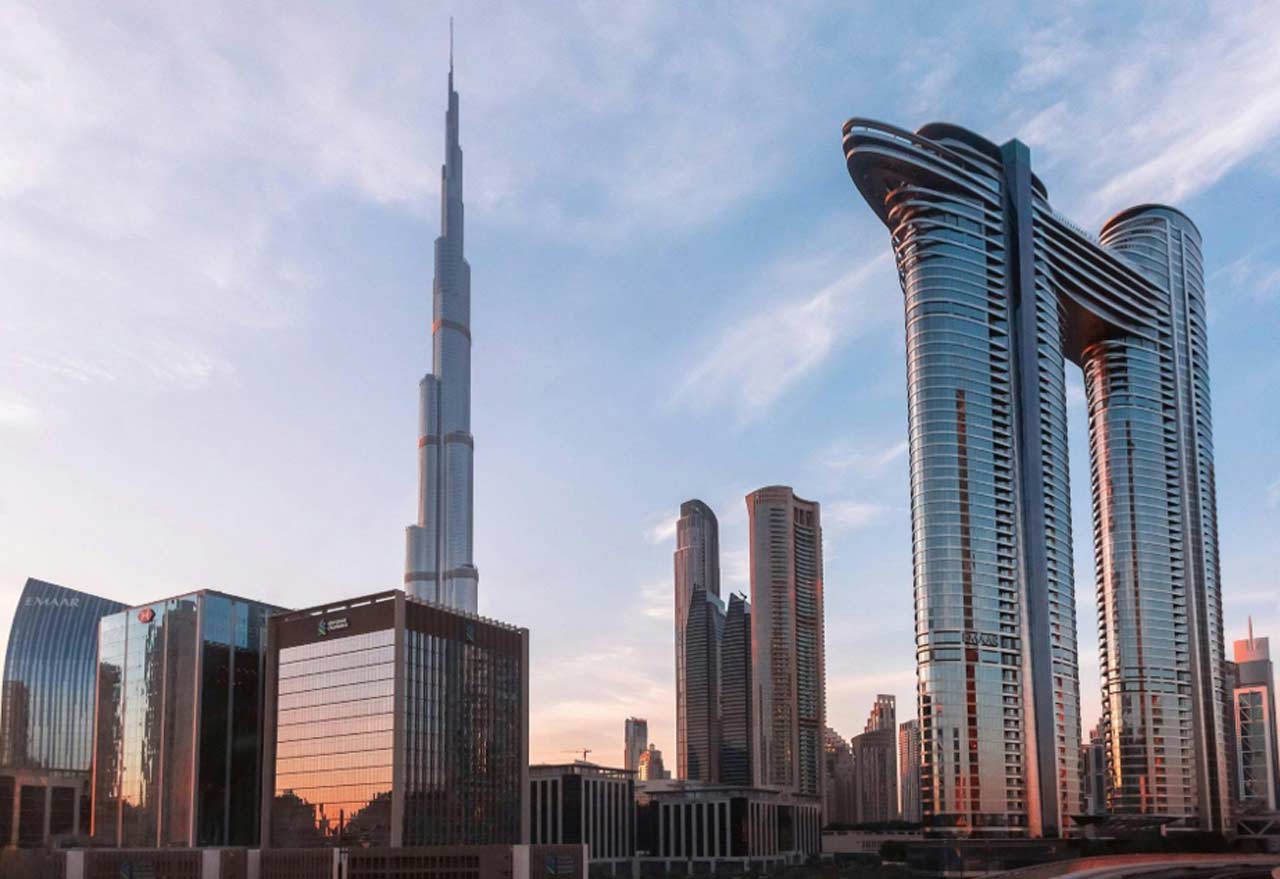
 Smart living is no longer limited to futuristic showpieces. In Downtown Dubai, it is increasingly influencing how apartments feel, function, and fit into modern routines. From access and security to comfort and building services, technology is shaping expectations in subtle, daily ways.
This article discloses how smart living can influence apartment interiors, tower operations, lifestyle amenities, and decision-making for buyers and investors.
Smart Living in Downtown Dubai: What it Signals for Apartment Living
In Downtown Dubai apartments, smart living often refers to connected systems that enhance the day-to-day experience without requiring constant attention. The focus is typically on convenience, safety, and predictability, which resonate with Indian audiences accustomed to app-led services and time-efficient routines.
Key ways this shift tends to show up include:
- More control over the home environment through a single interface
- Quicker, more structured access for residents and visitors
- Service requests that may move from calls to digital workflows
Inside the Apartment: Connected Comfort and Control
Smart living at the apartment level often centres on managing the basics well. Rather than adding complexity, well-set systems are usually intended to reduce friction in daily tasks and maintain comfort across changing schedules.
Common in-home directions include:
- Centralised control of lighting, cooling, and ventilation settings
- Smarter access management, which may include digital keys and controlled entry
- Automated routines that can support consistent settings at different times of day
In high-rise settings, residents may also value:
- Clear visibility of device status and usage
- Simple controls that work reliably without frequent resets
- Options that do not lock residents into a single device ecosystem
Building-wide Features Shaping Daily Life in Downtown Towers
Smart living extends beyond the unit. In premium towers, building operations can also use connected systems to improve flow, security, and service delivery. The result, when managed well, can feel like fewer bottlenecks and more predictable access.


Areas often influenced by building-wide systems include:
- Digital visitor management and controlled entry points
- Integrated surveillance and monitoring, handled through centralised security protocols
- Smarter lift operations and smoother movement through lobbies and common areas
- Structured parking access that can reduce confusion and improve order
These features may also support team building by standardising processes, thereby improving consistency in how issues are logged and addressed.
Smart Living and Efficiency in a High-rise Environment
Efficiency tends to sit at the centre of smart living conversations, especially in towers where cooling and lighting loads can be significant. Automation may support more balanced usage patterns, although outcomes can depend on how well systems are configured and maintained.
Smart efficiency typically relates to:
- Cooling controls that aim to reduce waste during low-occupancy periods
- Lighting management in shared areas to align with footfall and timing
- Alerts that can highlight unusual consumption or device faults earlier
Residents often notice changes most clearly through:
- Faster adjustments to comfort settings
- Fewer manual steps in routine management
- A steadier indoor experience across different times of day
Lifestyle: Smart Amenities and Common Spaces
In Downtown living, smart amenities can shape routines beyond the apartment itself. The emphasis is usually on smoother access, better scheduling, and less uncertainty in shared spaces.
Amenity areas that may reflect smart living include:
- Digital booking and access for shared facilities
- Delivery handling systems are designed to reduce missed parcels and congestion
- Connectivity support across common areas, which can matter for remote work rhythms
These touches can influence how residents use the building throughout the week, especially when schedules are tight and convenience matters.
What Buyers and Investors May Look For
For buyers and investors, smart living can be part of the overall value discussion, though it is usually assessed alongside location, layout, building management, and service quality.
Points that may be reviewed during evaluation include:
- Whether core systems are supported by the building, not only by individual owners
- How maintenance and updates are handled, including response times
- Compatibility between in-unit controls and building-level operations
- Whether digital access and service tools feel stable and straightforward
Challenges and Considerations in Smart Living
Smart living can introduce additional considerations, particularly around data handling and long-term reliability. These factors may affect comfort and confidence over time.
Common considerations include:
- Privacy expectations related to access logs and connected services
- Ongoing upkeep, including updates, repairs, and system support
- Interoperability issues between devices, platforms, and building systems
Conclusion
Smart living is increasingly shaping how Downtown Dubai apartments are perceived and experienced, from in-home control to tower-wide service delivery. When implemented thoughtfully, connected systems may support comfort, smoother access, and better-managed routines. For Indian buyers and investors assessing Downtown, the strongest signal is often not novelty, but how quietly and reliably smart features support everyday living.