In today’s digital age, secure and reliable connectivity is paramount for the banking sector. Robust Wi-Fi solutions play a vital role in supporting smooth operations, safeguarding sensitive data, and delivering uninterrupted customer experiences. Let’s explore how secure Wi-Fi enhances banking operations and fosters customer trust.
Enabling Real-Time Account Access and Transaction Verification
Secure Wi-Fi solutions empower banks to integrate their ATM and core banking platforms, providing customers with accurate, real-time account information and transaction verification. This reduces errors and minimises opportunities for fraud, instilling confidence in the banking system.
Benefits of Real-Time Access
Benefits include:
• Improved customer satisfaction
• Enhanced fraud detection and prevention
• Streamlined banking processes
Ensuring Flexible and Resilient Connectivity
Advanced wireless technologies such as LTE/5G and AirFiber plans enable banks to deploy branches, mobile offices, ATMs, and kiosks rapidly and securely, without costly rewiring. This flexibility ensures continuous service availability and allows banks to adapt swiftly to changing business needs.


Advantages of Wireless Connectivity
Some advantages are
• Rapid deployment of banking infrastructure
• Reduced downtime and service interruptions
• Cost-effective scalability and expansion
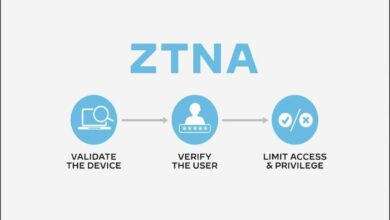
Implementing Zero Trust Network Architecture
Modern Wi-Fi solutions for banks adopt zero-trust security models, replacing traditional VPNs with encrypted tunnels. This approach minimises attack surfaces and enhances data protection across all network endpoints, including branches, ATMs, and digital signage.
Key Elements of Zero Trust Security
Key elements include:
• Device profiling and authentication
• Granular access control policies
• Continuous monitoring and threat detection
Maintaining Compliance and Data Privacy
Cloud-based Wi-Fi platforms designed for financial services enforce strict compliance with global data protection regulations. By securely profiling and authenticating devices, controlling guest access, and maintaining audit trails, banks can safeguard customer data and protect their brand reputation.
Compliance measures involve:
• Secure device profiling and authentication
• Controlled guest access management
• Comprehensive audit trails and reporting
Enhancing Customer Experience
Secure Wi-Fi enables banks to integrate connectivity with mobile apps and digital strategies, delivering an uninterrupted and personalised omni-channel experience. This fosters customer engagement and loyalty, as users can access banking services conveniently and securely across various touchpoints.
Prioritising Comprehensive Cybersecurity
Banks implement advanced cybersecurity measures over their Wi-Fi networks, including:
• Network monitoring and incident response
• Breach prevention and threat intelligence
• AI-driven threat detection and analysis
These proactive measures safeguard sensitive financial data transmitted over secure Wi-Fi, ensuring the integrity and confidentiality of customer information.
Strengthening User Identity Verification
Multi-factor and passwordless authentication methods, such as biometric and behavioural authentication, are incorporated into secure Wi-Fi banking systems. This strengthens user identity verification, reducing risks associated with static passwords and phishing attacks.
Authentication Methods
Some authentication methods involve:
• Biometric authentication (fingerprint, facial recognition)
• Behavioral authentication (typing patterns, device usage)
• One-time passwords (OTPs) and push notifications
Avoiding Public Wi-Fi Risks
Banking over public Wi-Fi is discouraged due to vulnerabilities like man-in-the-middle attacks. Instead, banks encourage customers to use secure home or managed Wi-Fi with WPA3 encryption or VPNs to protect financial transactions.
Secure Wi-Fi Best Practices
Best practices include:
• Use WPA3-encrypted Wi-Fi networks
• Avoid unsecured public Wi-Fi for banking
• Employ VPNs for added security
Enhancing Operational Efficiency
Managed Wi-Fi solutions help banks centralise control, simplify network management, and ensure high-performance connectivity optimised for financial services. This supports staff productivity and customer satisfaction by providing reliable and secure access to banking systems and applications.
Benefits of Managed Wi-Fi
The benefits of managed WiFi are:
• Centralised network control and management
• Optimised connectivity for financial services
• Improved staff productivity and efficiency
In Summary
When it comes to secure and reliable connectivity for banking operations, Airtel Wi-Fi offers a compelling solution. With a high-speed, low-latency network, banks can ensure uninterrupted service delivery, regulatory compliance, and customer trust. Wi-Fi plans in Hyderabad and other cities, tailored for financial institutions, integrate robust security features and scalable performance to meet the evolving needs of the banking sector.
By embracing secure Wi-Fi solutions, banks can enhance their operations, safeguard sensitive data, and deliver exceptional customer experiences. As the financial landscape continues to digitise, investing in reliable and compliant connectivity becomes a critical factor in building a trustworthy and thriving banking ecosystem.
Disclaimer: Information such as data packs, plan validity, and offers is subject to change. Please verify details within the Airtel Thanks app or website for the latest updates.