The Future of Network Topology: Trends Shaping Digital Infrastructure in 2025
Discover how evolving network topologies are shaping digital infrastructure, security, and connectivity in 2025 and beyond.


In today’s fast-moving digital world, network topology plays a vital role in how we connect, share, and grow. It is the blueprint that shows how computers, servers, and devices link together to create a network. Simply put, network topology is the foundation of our digital infrastructure — it decides how smoothly data travels, how fast systems respond, and how secure our connections stay.
But in 2025, this digital map is changing faster than ever. With the rise of AI (Artificial Intelligence), IoT (Internet of Things), cloud computing, and 5G technology, networks are no longer fixed or simple. They are becoming smarter, faster, and more adaptive. These new technologies are reshaping how networks are built — turning traditional layouts into intelligent, self-healing systems that can handle more data and devices than ever before.
For example, AI-driven automation helps networks fix problems on their own. Cloud-based topologies make it easy to store and share data globally. And IoT networks connect everything — from cars and homes to entire smart cities. This evolution is making digital infrastructure stronger, greener, and more reliable.
As we move deeper into the digital age, understanding these network topology trends is key for every business, engineer, and student who wants to stay ahead. From improving network performance to ensuring cybersecurity and sustainability, the way we design and manage networks will shape the future of our connected world.
Let’s explore how network topology trends are shaping the backbone of global digital transformation in 2025.


What Is Network Topology and Why Does It Matter in 2025

In simple words, network topology is like a map that shows how computers, devices, and servers connect in a network. It tells us how data travels, how systems talk, and how smoothly everything runs. There are two main types — physical topology and logical topology.
The physical topology shows the actual layout — how cables, switches, and routers are placed. On the other hand, the logical topology shows how data moves between devices, even if they’re not directly connected. Together, they create a clear picture of how a network works and communicates.
In 2025, understanding network topology is more important than ever. With AI, cloud computing, IoT, and 5G growing fast, networks must handle more devices, faster speeds, and stronger security. A well-planned topology ensures that data moves quickly, systems stay stable, and information remains safe.
Good network design also helps with scalability, allowing a system to grow without slowing down. It boosts efficiency by cutting down delays and improves security by making it easier to detect and block attacks.
Today, choosing the right topology can make or break a network. Whether it’s a star, mesh, hybrid, or bus topology, the design affects everything — from cost to performance.
So, as digital connections expand, smart network design decisions are no longer optional — they are essential for building fast, reliable, and secure digital infrastructures in 2025 and beyond.
The Evolution of Network Topology — From Legacy Systems to Smart Infrastructures

The story of network topology began with simple designs that formed the base of today’s complex digital world. In the early days, traditional layouts like bus, ring, star, mesh, and hybrid topologies helped connect computers and share data across offices and schools. Each had its own benefits — bus topologies were easy to set up, ring networks kept data organized, while mesh and hybrid systems added strength and flexibility.
But as the world became more connected, these old systems started to struggle. Networks needed to be faster, smarter, and more flexible. That’s where software-defined networking (SDN) and network automation changed everything. With SDN, network managers can now control data flow through software instead of hardware, making updates easier and faster. Automation helps fix problems before users even notice them, keeping systems running smoothly.
Today, we’re moving from static networks that stay the same to dynamic architectures that learn, adapt, and grow. This shift is making modern infrastructures more powerful and efficient than ever.
At the same time, cloud computing and edge computing are reshaping how networks work. The cloud allows data to be stored anywhere, while edge computing brings processing closer to users, cutting delays and improving performance.
In 2025, the evolution of network topology is not just about connecting devices — it’s about creating smart, adaptive infrastructures that power the digital future with speed, intelligence, and reliability.
Key Network Topology Trends Shaping Digital Infrastructure in 2025

The year 2025 marks a new era for network topology, where technology is faster, smarter, and more connected than ever before. The way networks are built and managed is changing to meet the growing demands of data, devices, and users worldwide. Let’s explore the top trends that are shaping the future of digital infrastructure.
One major trend is AI-driven network optimization. These smart networks can self-monitor, analyze, and even self-heal when problems occur. This reduces downtime and keeps systems running smoothly without constant human control.
Another powerful change is the rise of edge and cloud hybrid topologies. By combining both, networks can reduce latency, handle data closer to users, and improve speed and scalability. This makes everything from video streaming to smart devices more efficient and reliable.
Mesh topology is also gaining importance, especially in IoT networks and smart cities. It offers decentralized connectivity, meaning every device can connect directly with others, creating a strong and flexible web of communication — even if one part fails.
And of course, 5G and beyond are pushing network performance to the next level. With ultra-fast speeds and resilient frameworks, 5G supports billions of devices, paving the way for automation, connected vehicles, and advanced digital experiences.
Together, these network topology trends are transforming how we connect, communicate, and create in the digital world. They’re not just improving performance — they’re building the foundation for the smart, connected future of 2025 and beyond.
The Rise of Intent-Based Networking (IBN) and Automation

In 2025, one of the biggest changes in network topology is the rise of Intent-Based Networking (IBN). This new technology uses AI and machine learning to make networks smarter, faster, and more reliable. Instead of humans setting every rule, IBN allows users to tell the network what they want it to do — and the system figures out the best way to make it happen.
With IBN, networks can think, learn, and act almost on their own. They can analyze data, spot problems before they happen, and fix them automatically. This means less downtime, fewer human errors, and faster performance. It’s like having a smart assistant that keeps your network healthy 24/7.
Another big benefit is predictive maintenance. Using data patterns, IBN can predict when a network device might fail and repair it before it causes trouble. Plus, automated scaling helps networks grow smoothly when new devices or users are added — without manual setup.
In real-world settings, Intent-Based Networking is already making waves in enterprise and cloud networks. Companies use it to manage global connections, secure data transfers, and boost productivity. It helps cloud systems handle huge amounts of data while keeping costs low and performance high.
As network topology trends evolve, IBN and automation are leading the charge toward a world where networks can manage themselves — smarter, faster, and more efficient than ever before.
Network Security and Resilience in Future Topologies

In the fast-changing digital world of 2025, keeping networks safe and reliable is more important than ever. The structure of a network topology directly affects its cybersecurity, data privacy, and disaster recovery. A well-designed network doesn’t just move data — it protects it. Every connection, link, and device plays a role in building a secure and stable system.
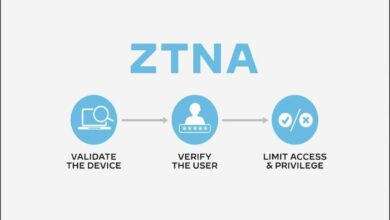
Modern networks face new threats every day, from data breaches to system failures. To fight these risks, experts are turning to zero-trust architectures and decentralized security models. In a zero-trust model, no user or device is trusted by default — everyone must prove their identity before accessing information. This approach helps block hackers and stop attacks before they spread.
Meanwhile, decentralized security spreads protection across the network instead of relying on a single control point. This makes it harder for attackers to target one weak spot. It also ensures that even if one part fails, the rest of the system keeps running safely.
Building fault-tolerant network topologies is another key trend in 2025. These networks are designed to keep working, even when a device or link goes down. They quickly reroute data to maintain uptime and reliability.
In short, the future of network topology is all about resilience and protection. By combining smart design with strong security frameworks, networks in 2025 can stay faster, safer, and stronger — ready to face any digital challenge ahead.
Sustainable Network Topology — The Green Tech Approach

As the world becomes more connected, sustainability is taking center stage in the evolution of network topology. In 2025, the focus is not just on building faster or smarter networks — it’s also about making them greener. The rise of energy-efficient network designs is helping reduce power use and protect the planet. Every new network decision now considers both performance and environmental impact.
Companies around the world are using smart topology planning to cut down on carbon footprints. By choosing better layouts and smarter routing paths, they can send data using less energy. Many are also turning to renewable energy sources to power their servers and data centers. These steps help create digital systems that are both efficient and eco-friendly.
In addition, virtualization and cloud-based networks are helping organizations lower their physical hardware needs. Fewer devices mean less heat, less waste, and lower energy bills. This shift not only saves resources but also makes networks more flexible and easier to scale.
Looking ahead, the future of network topology is tied closely to green technology. The goal is to build smart, sustainable infrastructures that balance speed, power, and environmental care. As eco-friendly digital infrastructure grows, it will pave the way for a cleaner and smarter global network.
In short, sustainable network topology is not just a trend — it’s the heart of tomorrow’s digital world, where technology and nature work together in harmony.
Choosing the Right Network Topology for Future-Ready Businesses

In 2025, every business — big or small — depends on a strong and flexible network topology to stay connected and competitive. The right network design helps companies grow faster, protect their data, and handle modern digital demands with ease. Choosing wisely can make the difference between a smooth system and one that struggles under pressure.
To adapt to the 2025 networking landscape, businesses must look beyond speed. They need to focus on scalability, cost, security, and growth potential. A scalable network allows easy expansion when new users or devices join. Cost-efficient setups help manage budgets while still delivering top performance. And with cyber threats rising, strong security should always be part of the design.
When picking the best topology — whether star, mesh, hybrid, or cloud-based — it’s important to match it with your company’s goals and operations. For example, growing startups may choose a star topology for its simplicity, while large enterprises may prefer hybrid designs for flexibility and fault tolerance.
Modern companies are also aligning their network strategy with emerging technologies like AI, IoT, and edge computing. These innovations demand networks that can adapt quickly and handle more data without downtime.
In short, the future belongs to businesses that think ahead. By investing in future-ready network topologies, organizations can build systems that are not only fast and secure but also smart, scalable, and ready for the challenges of tomorrow’s digital world.
The Future of Network Topology — Predictions Beyond 2025

The future of network topology goes far beyond the smart systems we see today. As technology keeps growing, networks will become even more intelligent, powerful, and interconnected. After 2025, we can expect a world where digital connections happen faster than ever — driven by innovations like quantum networking and AI-native infrastructures.
Quantum networking will change how data travels by using the power of quantum particles. This means super-secure connections and almost instant communication between devices. At the same time, AI-native infrastructure will allow networks to learn, predict, and adapt automatically without human help. These changes will build systems that are not only fast but also smart and self-sustaining.
As automation continues to advance, networks will run themselves more efficiently. They will handle massive amounts of data from billions of devices while keeping everything stable and secure. Global connectivity will also expand, linking smart cities, businesses, and homes in one seamless digital ecosystem.
But this hyperconnected world needs preparation. Businesses and users must plan for scalable, secure, and sustainable network designs. Embracing innovation early will make it easier to stay ahead as new technologies emerge.
In the end, the future of network topology is about creating systems that think, heal, and evolve — connecting people and machines in ways we’ve only imagined. The networks beyond 2025 will not just support technology; they will become the foundation of our digital lives.
Conclusion: Building Smarter, Stronger, and Sustainable Networks
As we look ahead, it’s clear that network topology trends in 2025 are reshaping the way our world connects. From AI-powered automation to IoT-driven smart systems and 5G innovation, every new technology adds more strength and speed to our digital networks. These advancements are not just improving performance — they are building the foundation for a more secure, sustainable, and intelligent digital future.
The future of network topology is all about flexibility, creativity, and innovation. Modern networks can now adapt to new demands, resolve problems more quickly, and support billions of devices worldwide. Whether it’s a business trying to grow, a student learning about technology, or an engineer designing new systems — understanding these trends helps everyone stay ahead in the digital race.
To keep up, it’s important to embrace change and invest in smart, scalable, and energy-efficient network designs. The world is moving toward a future where every connection matters — from your phone to global data centers. By staying curious and open to innovation, we can all contribute to shaping this exciting digital journey.
So, as we close this chapter on the future of network topology, remember — the networks we build today will power the world of tomorrow.
💡 Stay connected, stay informed, and keep exploring!
If you found this guide helpful, share it with your friends and let’s spread the knowledge. Also, don’t forget to leave your thoughts in the comments — we’d love to hear how you think network topology will evolve in the coming years!