Top 7 Benefits of Hybrid Cloud Applications for Modern Enterprises
Discover how hybrid cloud applications empower modern enterprises with speed, security, and smarter digital transformation.


In today’s rapidly evolving digital landscape, modern enterprises are striving for smarter and more adaptable cloud environments. The way businesses store, manage, and utilize their data has undergone a complete transformation. Instead of relying only on private or public clouds, companies now blend the best of both worlds through Hybrid Cloud Applications.
Hybrid Cloud Applications combine the power of public clouds with the security of private clouds. This smart mix helps organizations stay flexible, scale faster, and stay safe at the same time. In 2025, this approach isn’t just a trend—it’s becoming a must-have strategy for every growing business. Whether it’s improving cloud integration, boosting scalability and security, or driving digital transformation, the hybrid model is shaping the future of enterprise technology.
Unlike traditional systems, hybrid cloud computing gives companies total control. They can easily move data between platforms, reduce costs, and adapt quickly to changing demands. This means smoother operations, faster innovation, and stronger performance for every kind of business—from startups to global enterprises.
In this blog, we’ll explore the top 7 benefits of hybrid cloud applications that are helping modern enterprises grow smarter and faster. You’ll learn how this technology improves flexibility, enhances data protection, and fuels innovation like never before. Get ready to discover why the hybrid cloud isn’t just the future—it’s the present key to enterprise success.


What Are Hybrid Cloud Applications? (And Why Enterprises Prefer Them)
In simple words, Hybrid Cloud Applications are smart systems that use both public and private clouds together. This means a business can store some data safely in a private cloud while using the public cloud for speed and easy access. It’s like having the best of both worlds — security and flexibility in one powerful setup.
Hybrid cloud computing works by connecting private servers (for sensitive data) with public ones (for general tasks). This connection allows smooth data flow and faster performance. For example, an online store can keep customer details secure in its private cloud while running its website on the public cloud for quick service.
Modern companies love this model because it offers freedom and control. They can move workloads between clouds depending on their needs. When traffic grows, they scale up easily. When it’s quiet, they scale down to save money. It’s a simple, efficient, and cost-friendly approach to managing cloud resources.
In today’s digital age, hybrid cloud applications help enterprises stay agile and competitive. They support digital transformation by making systems more connected and adaptive. With the rise of remote work, global operations, and AI-driven services, this approach is more relevant than ever.
Now that you know what hybrid cloud applications are, let’s explore the top 7 benefits that make them the backbone of modern enterprise growth and innovation.
Enhanced Flexibility and Scalability

One of the biggest strengths of Hybrid Cloud Applications is their amazing flexibility and scalability. In simple terms, this means businesses can easily adjust their computing power and storage based on what they need — no more paying for unused resources or worrying about sudden traffic spikes.
With hybrid cloud computing, companies can scale workloads dynamically. When demand increases, they can quickly add more resources from the public cloud. When things slow down, they can reduce usage to save costs. This process is called Elastic Resource Allocation, and it helps businesses stay fast, efficient, and cost-friendly all at once.
For example, an e-commerce store may see thousands of new customers during a holiday sale. Instead of crashing under pressure, the store uses its hybrid cloud to expand resources instantly, ensuring smooth checkouts and happy customers. Similarly, a financial services company can handle big data loads during audits or reports without overloading its private systems.
This balance between public and private clouds gives enterprises complete control over their performance and spending. It lets them respond quickly to changes, support new projects, and serve global customers without limits.
In today’s fast-paced digital world, hybrid cloud applications help businesses grow smarter and faster. They make sure every operation — big or small — runs smoothly, no matter the demand. This flexibility and scalability are what truly set hybrid cloud solutions apart in modern enterprise success.
Improved Security and Data Compliance

When it comes to protecting data, Hybrid Cloud Applications give businesses the best of both worlds — strong security and easy access. They blend the private cloud’s protection with the public cloud’s performance, creating a smart system that keeps information safe while staying fast and flexible.
In a hybrid cloud architecture, companies can store sensitive data like customer records or financial details in the private cloud, where only authorized users can access it. At the same time, they use the public cloud for everyday tasks such as running apps, sharing files, or processing data faster. This setup ensures that data remains both secure and accessible — a perfect balance every enterprise needs.
One major advantage is Regulatory Compliance, which is vital for industries such as healthcare, finance, and government. These sectors must follow strict rules about how and where data is stored. With hybrid cloud computing, they can meet all these legal standards while still enjoying the benefits of the cloud.
Another big plus is Controlled Data Placement. Companies decide exactly where their data lives — on-premises for safety or in the cloud for speed. This helps reduce risks while improving efficiency.
In short, hybrid cloud applications make it easy for businesses to protect critical information without slowing down operations. In today’s world of cyber threats and data regulations, this balance of security and compliance is not just an advantage — it’s a must-have for every modern enterprise.
Cost Efficiency and Optimized Resource Management

One of the smartest advantages of Hybrid Cloud Applications is how they help businesses save money while working better. Instead of spending heavily on hardware and maintenance, companies can use cloud resources only when needed. This reduces infrastructure costs and makes operations more efficient.
With the Pay-as-You-Go model, businesses don’t need to buy extra servers “just in case.” They simply pay for what they use. During busy times, they can quickly scale up to handle more work. When things slow down, they scale back to avoid extra costs. This flexibility helps prevent waste and keeps budgets under control.
Hybrid cloud computing also supports Efficient Resource Utilization. It means companies can balance workloads between public and private clouds for the best performance at the lowest cost. For example, heavy tasks can run on the public cloud for speed, while sensitive data stays safe in the private cloud. This balance ensures smooth operations without overspending.
By combining smart workload distribution with cost control, hybrid cloud architecture gives enterprises a major financial edge. It allows IT teams to plan better, optimize systems, and direct resources where they matter most.
In today’s competitive business world, spending wisely matters as much as growing fast. That’s why hybrid cloud applications have become a game-changer. They help enterprises save money, boost performance, and manage every cloud resource with precision — making growth not only possible but profitable.
Seamless Integration with Legacy Systems

For many companies, moving to the cloud sounds exciting but also challenging — especially when they already use old or complex IT setups. That’s where Hybrid Cloud Applications come in. They offer a smooth and secure way to connect new cloud solutions with existing on-premise systems, without starting from scratch.
Hybrid cloud computing is ideal for enterprises with legacy infrastructures because it supports a gradual change. Businesses don’t need to shift everything at once. Instead, they can use a Smooth Transition Strategy — moving workloads and data in small, safe steps. This way, there’s no major downtime and daily operations continue as normal.
With a hybrid cloud architecture, old systems and new technologies can easily work together. For example, a company can keep its accounting software on local servers while running analytics or customer apps in the cloud. This setup keeps performance high and risk low.
Another huge benefit is Unified Management Tools. These tools make it simple for IT teams to monitor both cloud and on-prem systems from one dashboard. They can track performance, manage data, and fix issues faster — all in one place.
By allowing smooth integration, flexibility, and control, hybrid cloud applications help enterprises modernize without losing stability. They turn legacy systems into powerful assets instead of obstacles. In today’s fast-moving digital world, that kind of balance is exactly what businesses need to stay smart, efficient, and future-ready.
Business Continuity and Disaster Recovery
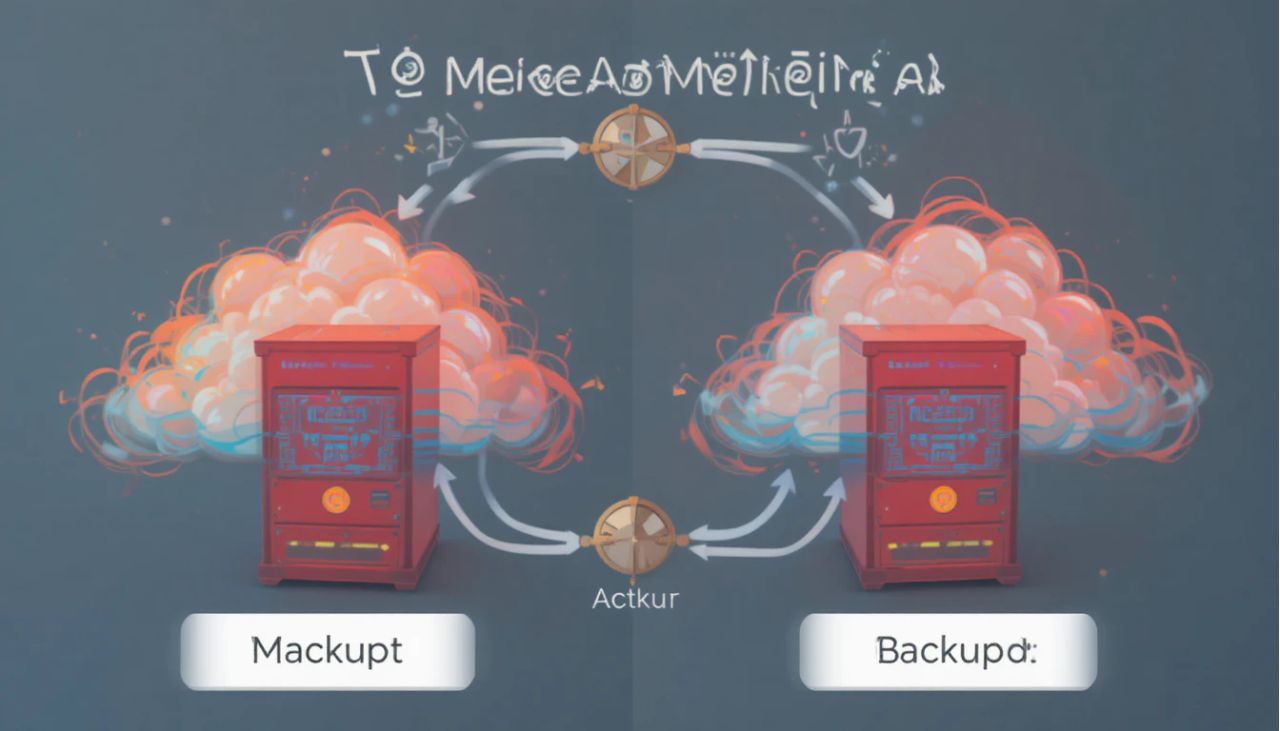
In today’s digital world, every second counts. A small system failure can stop operations, lose data, or disappoint customers. That’s why Hybrid Cloud Applications play a key role in keeping businesses running smoothly — even during tough times. They help companies maintain business continuity and recover quickly from any disaster.
With hybrid cloud computing, data is stored across both private and public clouds. This setup ensures high uptime and strong data redundancy. If one system fails, the other takes over instantly, keeping services online without interruption. This smart design protects businesses from losing important data or facing long downtimes.
A major advantage is Multi-Cloud Redundancy. It means critical workloads are backed up in multiple environments. So, if a server or region goes down, another one automatically steps in to handle the load. This keeps apps and services running smoothly for customers everywhere.
Another big plus is Fast Recovery Mechanisms. With a hybrid cloud architecture, businesses can restore lost files or systems in minutes instead of hours or days. This quick response reduces operational loss and helps maintain trust with clients.
By combining reliability, backup strength, and flexibility, hybrid cloud applications give enterprises peace of mind. They make sure that no matter what happens — power failures, cyberattacks, or system errors — the business stays up and running. In simple terms, they turn possible disasters into short pauses, ensuring success never stops.
Accelerated Innovation and Digital Transformation

In a fast-moving digital world, innovation is the key to success. Businesses that adapt quickly grow faster, serve better, and stay ahead. That’s exactly what Hybrid Cloud Applications help achieve. They create an environment where agile development and faster deployment become easy and efficient.
With hybrid cloud computing, developers can build, test, and launch applications at lightning speed. Teams can use the public cloud for quick experimentation while keeping core systems secure in the private cloud. This setup shortens development cycles, reduces delays, and boosts overall productivity.
One of the biggest strengths of hybrid cloud architecture is its support for DevOps and AI workflows. These modern tools rely on speed, automation, and data. The hybrid model allows developers and data scientists to share resources, test new ideas, and scale projects instantly. This seamless process streamlines innovation pipelines and brings creative ideas to life faster than ever before.
Another major advantage is a Future-Ready Infrastructure. Technology keeps evolving — from AI and machine learning to IoT and edge computing. Hybrid cloud applications give enterprises the flexibility to adopt these technologies easily without rebuilding their systems from scratch.
By encouraging speed, flexibility, and adaptability, hybrid cloud applications help businesses lead the digital transformation race. They don’t just keep up with change — they power it. In today’s world of constant innovation, hybrid cloud is the secret engine driving smarter, faster, and more future-ready enterprises.
Global Reach with Localized Performance

In today’s connected world, customers expect fast, smooth, and reliable digital experiences — no matter where they are. That’s why Hybrid Cloud Applications are a perfect solution for global enterprises. They help companies deliver high-speed services to users worldwide while keeping performance strong and consistent everywhere.
With hybrid cloud computing, businesses can store and process data closer to their users. This setup reduces latency — the delay between a user’s action and the system’s response. When apps respond faster, customers stay happier and more engaged.
A major reason for this speed is Edge Computing Integration. It means the system runs important tasks on local edge servers near users instead of far-away data centers. For example, a gaming company or streaming service can deliver videos or updates instantly without slow buffering. This makes the user experience faster and smoother.
Another big benefit is Hybrid Global Networks. These networks spread workloads across different regions, balancing performance for users everywhere. So whether a customer is in Asia, Europe, or America, they get the same fast and reliable service.
By combining global access with local precision, hybrid cloud applications allow businesses to scale internationally while maintaining top performance. They make sure every click, download, or transaction happens quickly and safely — no matter the location. In short, hybrid cloud turns distance into power, helping modern enterprises reach the world while keeping every user just one fast connection away.
Key Challenges and Best Practices for Maximizing Hybrid Cloud Benefits

While Hybrid Cloud Applications bring speed, flexibility, and global power to modern enterprises, they also come with some challenges. But don’t worry — with the right approach, these hurdles can be turned into growth opportunities. Let’s explore the key challenges and how to solve them smartly.
The first big challenge is integration. Many businesses use both on-premise and cloud systems. Connecting them smoothly can be tricky. The best practice is to use cloud management platforms that unify different environments. This ensures all systems talk to each other easily and data flows without disruption.
Next comes management complexity. Handling multiple clouds means keeping track of resources, apps, and workloads. To fix this, companies can use automated monitoring tools that provide a single dashboard view. This simplifies control and boosts productivity.
The third major concern is security. Since data moves between private and public clouds, there’s always a risk of breaches. The best solution is to use end-to-end encryption, multi-factor authentication, and regular security audits. These steps protect sensitive information and build user trust.
By following these best practices, businesses can fully unlock the benefits of hybrid cloud applications — from improved efficiency to stronger security. With the right tools, clear strategies, and a proactive mindset, organizations can enjoy the power of hybrid cloud without the stress of complexity. It’s all about turning challenges into chances for innovation and success.
Why Hybrid Cloud Applications Are the Future of Smart Enterprises
The digital world is growing fast, and staying flexible and secure has never been more important. That’s why Hybrid Cloud Applications are changing how modern enterprises work. They offer the perfect balance of speed, safety, and scalability that every business needs to stay ahead in 2025 and beyond.
Let’s quickly recap the 7 key benefits of hybrid cloud applications that make them so powerful:
- Flexibility and Scalability — Grow faster and adjust easily to changing demands.
- Stronger Security and Compliance — Keep your data safe while meeting all rules.
- Cost Efficiency — Pay only for what you use and save big on IT costs.
- Smooth Integration — Blend new cloud tools with your old systems with ease.
- Business Continuity — Stay online and recover quickly from any failure.
- Faster Innovation — Support digital transformation and launch new ideas faster.
- Global Reach — Deliver great performance to users anywhere in the world.
In today’s fast-paced world, hybrid cloud computing is no longer optional—it’s essential. It helps businesses stay agile, reduce risks, and grow with confidence.
So, if your company hasn’t started its enterprise cloud strategy, now is the time. Explore hybrid cloud solutions, talk to cloud experts, and find out how this smart approach can unlock your next level of success. The future belongs to those who combine innovation with intelligent cloud integration—and that future starts today.