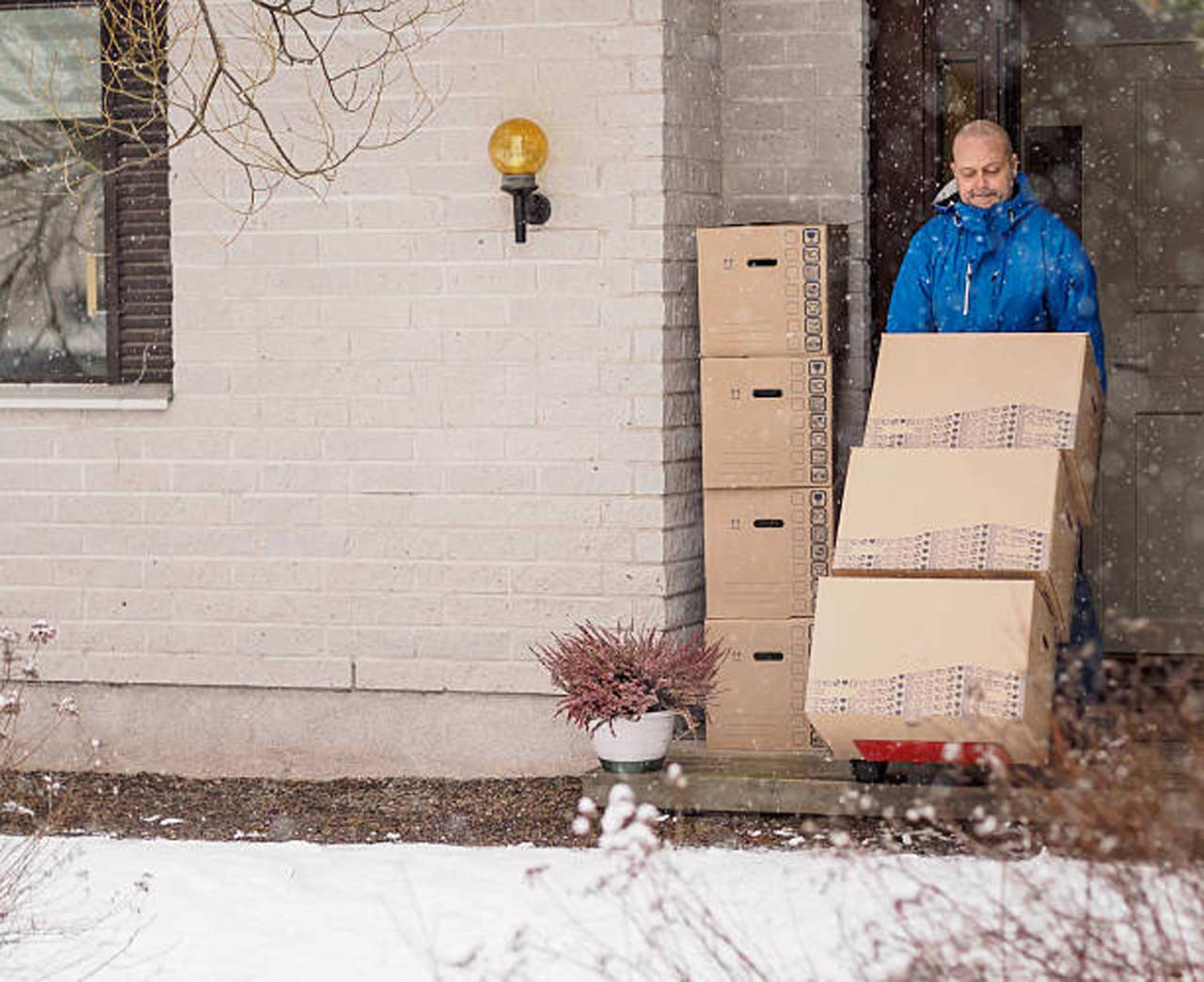
Moving during the winter months might seem daunting, but if you prepare right and follow some tried-and-true strategies, it can be a smooth and successful experience. Challenges include icy roads and unpredictable weather delays, making extra planning and a flexible mindset essential.
If your timeline is about to land in the middle of winter and you can’t afford to change it, the following tips will help you handle your winter move and take advantage of hidden benefits like lower rates and easier scheduling.
1. Planning Your Winter Move
Timing is critical because winter means shorter days, harsher conditions, and busy holidays. To keep stress to a minimum:
- Book early: Summer is the peak season for moving companies, but winter has some busy periods too, particularly around the holidays. Booking early ensures you lock in favorable terms and scheduling.
- Stay flexible: Keep a backup date if a snowstorm or ice makes travel impossible. Movers may also appreciate your flexibility if they must reschedule due to the weather.
- Keep an eye on the weather forecast: Watch conditions in your departure and arrival cities and along your route. A clear day in one place doesn’t mean smooth sailing across multiple states.
What if a snowstorm hits on my moving day?
Contact your moving company as soon as possible. Most movers allow rescheduling in severe weather. Having a backup date planned makes things smoother.


2. Preparing Your Home and Belongings
Cold temperatures and damp conditions can damage your possessions. Some items, such as plants, electronics, or delicate furniture, need extra care in winter.
Wrap electronic items in insulated padding to protect them from freezing. Move houseplants in your car, not on the truck. Use waterproof packing supplies because cardboard boxes can quickly weaken if exposed to slush or snow. Keep your belongings safe by using plastic bins or waterproof wraps. Another helpful tip is to keep your items organized. Label boxes clearly and prioritize essential items.
Pack an essentials box with blankets, warm clothes, and a few pantry staples in case you face delays arriving at your new home.
Stock up on supplies like bubble wrap, tape, and blankets during post-holiday sales. Many stores discount these items in January, which can save you money of packing materials.
3. Staying Safe on the Road
Driving in the winter is stressful enough, but adding the stress of moving could get overwhelming. Preparing your vehicle and knowing how to react on snowy roads will make a huge difference.
- Winterize your car: Check antifreeze levels, replace worn tires with winter or all-weather options, and ensure your windshield wipers and fluid are suitable for icy conditions.
- Build an emergency kit: This kit could be your lifesaver in case of a breakdown. Include blankets, a flashlight, non-perishable snacks, bottled water, a snow shovel, and jumper cables.
- Plan your route: Avoid the backroads because snow removal will be less frequent. Instead, stick with major highways. Consider an alternate route in case of closures.
- Drive defensively: Allow extra time and distance when braking or turning. It’s better to arrive late than not at all.
4. Car Shipping as a Safer Option
For many, the thought of driving cross-country in January is daunting, and for good reason. Snow, ice, and unpredictable conditions make winter driving treacherous. Ship your car to a different state, and you avoid the stress of winter driving altogether. A professional car transport company hauls your vehicle while you fly to your new home.
The most cost-effective option is an open carrier; however, enclosed carriers are worth considering if you want extra protection from snow, salt, and road debris.
5. Managing Costs During a Winter Move
One advantage of moving in the colder months is the potential to save money. Demand for moving services tends to drop after the summer rush, so many companies offer more competitive pricing and better availability. Moving mid-week or mid-month is another way to save.
If you want to reduce expenses further, look for bundled services, such as moving and storage packages, or deals for shipping more than one vehicle simultaneously. You can also cut costs by being prepared on moving day. Movers will spend less time packing or disassembling furniture if you’ve already done it.
Stocking up on packing supplies early can be another money-saver. After the holiday season, stores often discount items like tape, bubble wrap, and storage bins.
Do moving companies charge more in winter?
In most cases, no. Winter is typically less expensive than summer, although rates can rise slightly around the holidays.
6. Settling into Your New Home in Winter
The challenges don’t stop once you arrive at your new home. Walking into a cold, dark house isn’t the best way to start your new life, especially after you’ve hauled all your belongings across a city or state.. It’s essential to ensure that heating, electricity, and water are up and running before moving day. This small step will make a massive difference in your comfort. When you come in from the cold, you’ll be greeted by a warm living room and hot water.
Unpacking should also be done strategically. Focus first on items you’ll need immediately, such as bedding, warm clothing, and kitchen basics, before opening the less urgent boxes. Depending on your location, you may also need to winterize your new property. Check for drafts, insulate pipes, and clear pathways of snow and ice, making your home safer and more comfortable.
Final Thoughts
A winter move comes with its share of obstacles, but with the right planning, it can be both practical and cost-effective. Preparing your belongings for cold conditions, making safety a priority, and considering services like car shipping all help relieve the pressure.
The quieter season often offers lower rates and more flexible scheduling, giving you an opportunity to relocate without the chaos of peak summer. By approaching your move with foresight and flexibility, you’ll be able to settle into your new home smoothly, even if the snow is falling outside.