Mastering the Art of Student Loans Refinance: The Ultimate Guide
Understanding Student Loans: The Good, the Bad, and the Ugly


How Student Loans Shape Your Financial Future
Student loans can be both a blessing and a curse. They enable many individuals to pursue higher education, unlocking doors to better job opportunities, professional growth, and personal development. However, the shadow of student debt looms large over graduates, often affecting their financial stability for years. The average U.S. student graduates with about $30,000 in debt, which can hinder their ability to buy a home, save for retirement, or invest in their careers. Understanding the long-term implications of student loans is crucial. These debts not only impact credit scores but also dictate future financial decisions, including spending habits and the ability to achieve financial independence.
The Hidden Costs of Ignoring Your Loans
Ignoring student loans can lead to detrimental consequences. The most immediate issue is the accruement of interest, which can significantly increase the total amount you owe over time. For federal loans, interest can capitalize, leading to the debt ballooning beyond what was originally borrowed. Moreover, neglecting repayment can affect credit scores, making it difficult to secure future loans or credit cards with favorable terms. Additionally, the emotional burden of debt can be overwhelming. The stress associated with financial insecurity often advances to anxiety and dissatisfaction in personal and professional lives. Therefore, proactive management of student loans is not just financially prudent but essential for maintaining mental well-being.
Differentiating Between Federal and Private Student Loans
Understanding the distinction between federal and private student loans is vital in navigating the refinancing landscape. Federal loans typically offer more generous repayment and forgiveness options, lower interest rates, and fixed rates that remain unchanged throughout the loan term. Programs such as Income-Driven Repayment and Public Service Loan Forgiveness can ease the burden for many borrowers. In contrast, private loans, offered by banks and credit unions, usually carry variable interest rates, which can increase over time, leading to unpredictability in repayment amounts. Moreover, qualifying for private loans often depends on creditworthiness and income. Misunderstanding these differences can lead borrowers to refinance their federal loans into private ones, potentially forfeiting benefits that could save them money in the long run.
When to Refinance: The Sweet Spot for Savings
Identifying the Right Time to Refinance Your Student Loans
Deciding on student loans refinance can be a strategic move, but knowing when to take that step is crucial. Generally, individuals should consider refinancing when they have improved their credit score, gained a stable income, or if interest rates have dropped significantly since they originally obtained their loans. An enhanced credit score can lead to lower interest rates, thus multiplying potential savings over the loan term. Furthermore, borrower sentiment toward consolidating or pursuing a student loans refinance often shifts depending on job security or life circumstances, making timing an essential element for maximizing benefits. Moreover, if you have federal loans, carefully consider market trends and legislative changes that could present better repayment options in the future.
Signs That Refinancing Could Save You Money
There are several indicators that point toward refinancing being a financially sound decision. The primary sign is a significant reduction in the prevailing interest rates compared to your current rate. If market rates have fallen by at least half a percentage point or more since you took out your initial loan, refinancing may allow for considerable savings. Another telltale sign is if you experience an increase in your employment income or if your credit score has improved, warranting a better interest rate. Additionally, if the repayment terms on your current loans are stretching out your payments, refinancing can shorten these terms, allowing you to eliminate payments faster and save on interest overall.


The Ideal Market Conditions for Refinancing
The ideal market conditions for refinancing typically involve low interest rates combined with high borrower demand for financing options. When economic indicators signal that the Federal Reserve may lower rates or when inflation is subdued, it can be an opportune time to refinance your loans. It’s vital to stay informed on economic trends, considering factors such as unemployment rates and overall economic growth, as these influence lending practices. Furthermore, lenders may offer promotional rates that provide discounts for refinancers, making it a perfect time to take advantage of a more favorable economic climate.
The Refinancing Process: Navigating the Maze Efficiently
Step-by-Step: How to Refinance Your Student Loans
The refinancing process can appear daunting, but breaking it down into manageable steps makes it significantly easier. First, start by evaluating your current loans and defining what goal you aim to achieve with refinancing lower payments, lower interest rates, or a shorter loan term. Next, research lenders, comparing rates, terms, and creditor reviews. Once you have a shortlist, gather your financial information, including pay stubs, tax returns, and student loan details. Submit your applications to several lenders to find the best offers.
When you receive offers, closely analyze them. Don’t just look at the interest rates; also consider the overall terms, fees and whether you can retain any federal loan benefits. After choosing the best offer, finalize your new loan paperwork and await payoff of your existing loans. Congratulations, you’ve successfully refinanced your student loans!
Key Documents You’ll Need for a Smooth Application
Preparing the necessary documentation is crucial for a smooth refinancing experience. Typically, lenders require proof of income, which can include recent pay stubs or tax returns, to verify your income stability and employment status. You’ll also need to provide information regarding your existing loans, such as account numbers, current balances, and payment history to establish your eligibility. Furthermore, details concerning your credit history may be evaluated, so having your credit report on hand can help streamline the process. By organizing your documents before initiating the refinance application, you ensure timely processing and minimize friction down the road.
Understanding the Fine Print of Refinancing Offers
While an attractive interest rate shines brightly in refinancing offers, understanding the fine print is imperative to making an informed decision. Pay attention to potential fees such as origination fees, prepayment penalties, and other costs associated with setting up the new loan. In some cases, lenders incentivize low rates with hidden fees that might erase your expected savings. Moreover, scrutinize the repayment terms to ensure they align with your financial goals. For instance, a lower monthly payment may seem appealing, but could extend your loan term and lead to higher total interest costs over time. Thorough examination of these intricacies can prevent unexpected financial hurdles post-refinancing.
Smart Strategies Post-Refinance: Staying Ahead of the Game
How to Budget Effectively After Refinancing
Once you’ve successfully refinanced your student loans, adjusting your budget is essential. Start by recalibrating your monthly budget to reflect your new repayment amount. Consider leveraging budgeting software or apps to track your expenses against your income. An important step is allocating any savings you generated from refinancing toward your debt payments, as this can further reduce your principal amount and diminish interest paid over time. Additionally, ensure you’re still reserving funds for savings and unexpected expenses, so your budget remains balanced despite the adjustments in loan repayment. By proactively budgeting, you’re fostering better cash flow management and greater financial health post-refinance.
Tips for Maintaining Good Credit Post-Refinance
Your credit score plays a key role in financial health, especially after refinancing. Paying on time is paramount; even one missed payment can negatively impact your score. Set up automatic payments or reminders to ensure bills are paid promptly. It’s also critical to keep credit utilization low; avoid taking on new debt unless necessary, and keep credit cards paid off. Regularly reviewing your credit report can also help you identify any errors early, allowing for rectification before lenders notice. By adhering to these practices post-refinance, you can effectively boost your credit score and enjoy more favorable borrowing terms in the future.
Long-Term Financial Planning: Beyond Just Your Loans
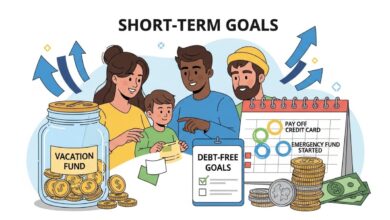
Refinancing is just one piece of your overall financial puzzle. It’s essential to think long-term about your financial situation, taking into account savings initiatives, retirement plans, and other investments. Setting clear financial goals is crucial whether it’s saving for a home, funding travel, or building an emergency fund, allocate resources accordingly. Investing in retirement accounts, such as a 401(k) or IRA, should also be a priority, especially if your employer offers matching contributions. Keep in mind that financial planning is an ongoing process; regularly revisit and update your goals as they evolve over time. Taking a holistic approach will enhance overall financial wellness and ensure that you’re better prepared for future financial decisions.