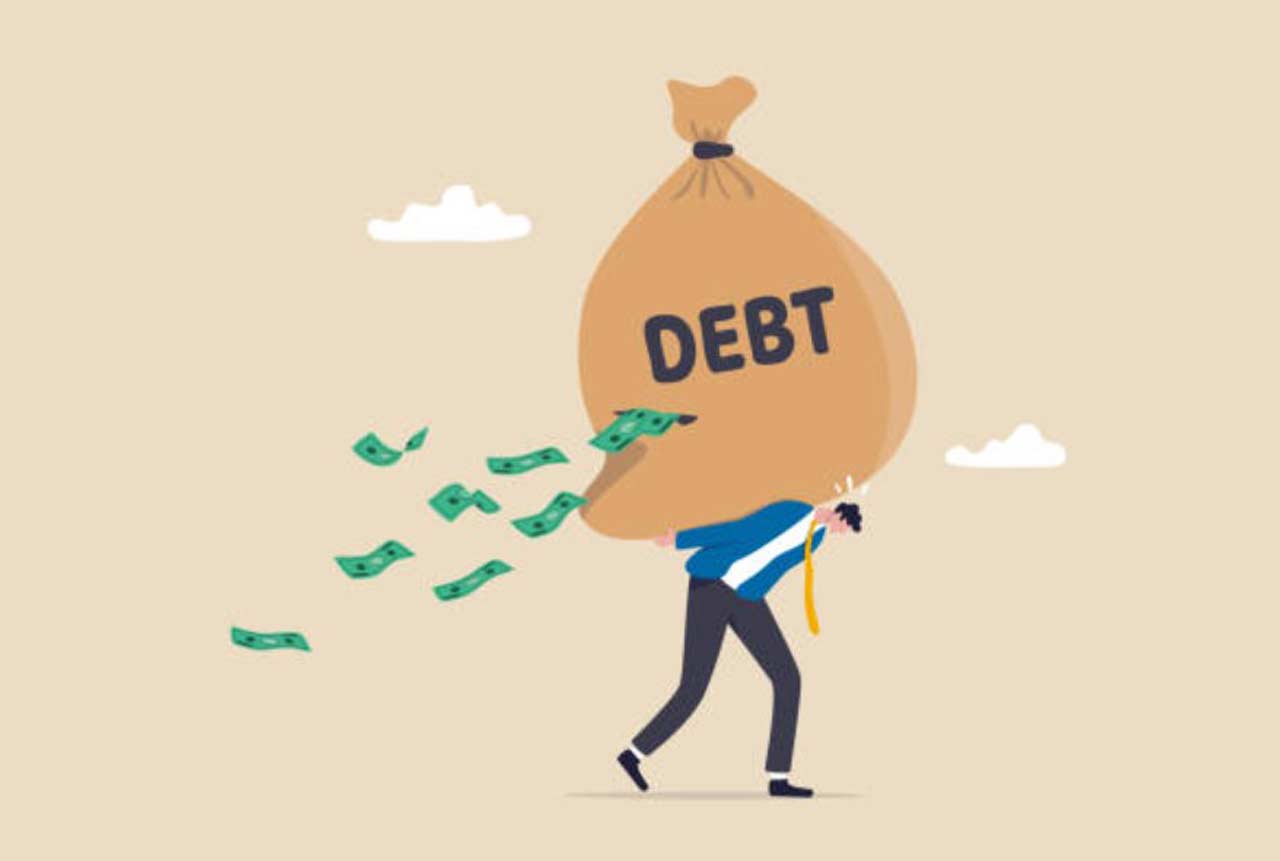
 Money decisions happen every day, from picking up coffee on the way to work to choosing whether or not to upgrade your phone. These choices may feel small in the moment, but they add up and influence your financial health over time. Developing mindful spending habits means slowing down and making decisions with intention instead of reacting automatically. It’s about asking yourself if a purchase fits your values, goals, and well-being. For many people, financial tools like debt consolidation in Arizona provide a path to regain control, but real long-term stability comes from learning how to spend in a way that reflects who you are and what you want for your future.
Recognizing Emotional Triggers
A big part of spending is emotional. You may buy something to celebrate, relieve stress, or fill a gap you feel in your life. While emotions are natural, they often lead to purchases that don’t align with your long-term goals. Developing mindful spending habits starts with paying attention to these triggers. If you find yourself shopping online after a tough day or swiping your card when you’re bored, take a pause. By noticing the connection between mood and money, you can start making choices that feel less reactive and more intentional.
Clarifying Your Values and Goals
Mindful spending isn’t about saying no to everything—it’s about saying yes to the things that truly matter to you. Take some time to think about what you value most. Maybe it’s travel, quality time with family, or building a sense of security. Once you identify your priorities, you can align your spending with them. For example, instead of splurging on random shopping trips, you might choose to save for a family vacation. This shift turns spending from something impulsive into something purposeful.
Creating Space Before You Buy
One simple but powerful habit is to create space between the urge to buy and the decision to purchase. That could mean waiting 24 hours before making nonessential purchases or setting a monthly spending limit for impulse buys. This pause gives you time to evaluate whether the purchase is really worth it or just a temporary desire. Often, by the next day, the urge passes, and you’ll realize you didn’t need it after all. Over time, this habit helps you save money and focus on what matters most.
Tracking and Reflecting on Spending
Mindfulness is about awareness, and one of the best ways to build awareness around money is to track it. Keep a journal or use an app to record your purchases, then review them regularly. Ask yourself: Did these purchases add value to my life? Do they reflect my priorities? Did I regret any of them? Reflection helps you spot patterns and adjust. It’s less about judgment and more about learning. Over time, you’ll gain a clearer picture of how your spending habits align—or don’t align—with your goals.


Balancing Needs and Wants
Mindful spending doesn’t mean cutting out fun or living without enjoyment. It means finding balance. Essentials like housing, food, and utilities must come first, but wants also have a place in a healthy financial life. The difference is that wants should be chosen with awareness rather than bought impulsively. Setting aside a portion of your budget for guilt-free spending ensures that you enjoy your money without derailing your long-term goals. When you spend on things you genuinely value, even small purchases can bring lasting satisfaction.
Building New Habits with Small Steps
Like any skill, mindful spending takes practice. Start with small steps, like pausing before a purchase or reflecting on a weekly spending summary. These simple habits build over time, and the more consistent you are, the easier it becomes to make mindful decisions automatically. Think of it as training your financial muscles. Small, deliberate choices today create stronger habits tomorrow, leading to greater stability and confidence in the long run.
Reframing Success with Money
Many people measure financial success by how much they earn, but mindful spending shifts the focus to how intentionally they use what they have. Success is not buying the most expensive items—it’s using your resources in a way that supports your goals and well-being. When you look at money through this lens, spending becomes less about keeping up with others and more about building a life that reflects who you are.
Final Thoughts
Developing mindful spending habits is about more than budgets and numbers. It’s about aligning money decisions with your values, creating space to think before you buy, and reflecting on what truly adds value to your life. By paying attention to emotional triggers, tracking your spending, and practicing balance, you can transform your relationship with money. The result is not only stronger financial health but also a deeper sense of peace and confidence in the choices you make. Mindful spending gives you control, clarity, and the freedom to create a financial life that truly fits you.