The best schools foster a culture of safety and learning for all students. This is why many administrators are turning to wearable panic buttons as vital components of their school safety plans. When incidents occur, reliability is crucial. Regardless of power outages, dead batteries, or poor Wi-Fi, safety technology must be able to signal the right help to the right location every time.
Truly reliable safety technology requires thoughtful design, continuous monitoring, and built-in layers of control. Administrators should look for safety solutions that build trust and reliability. When evaluating new safety technology for schools, administrators should consider the following essential features to achieve optimal reliability.
Reliable Safety Solutions Feature Long Battery Life
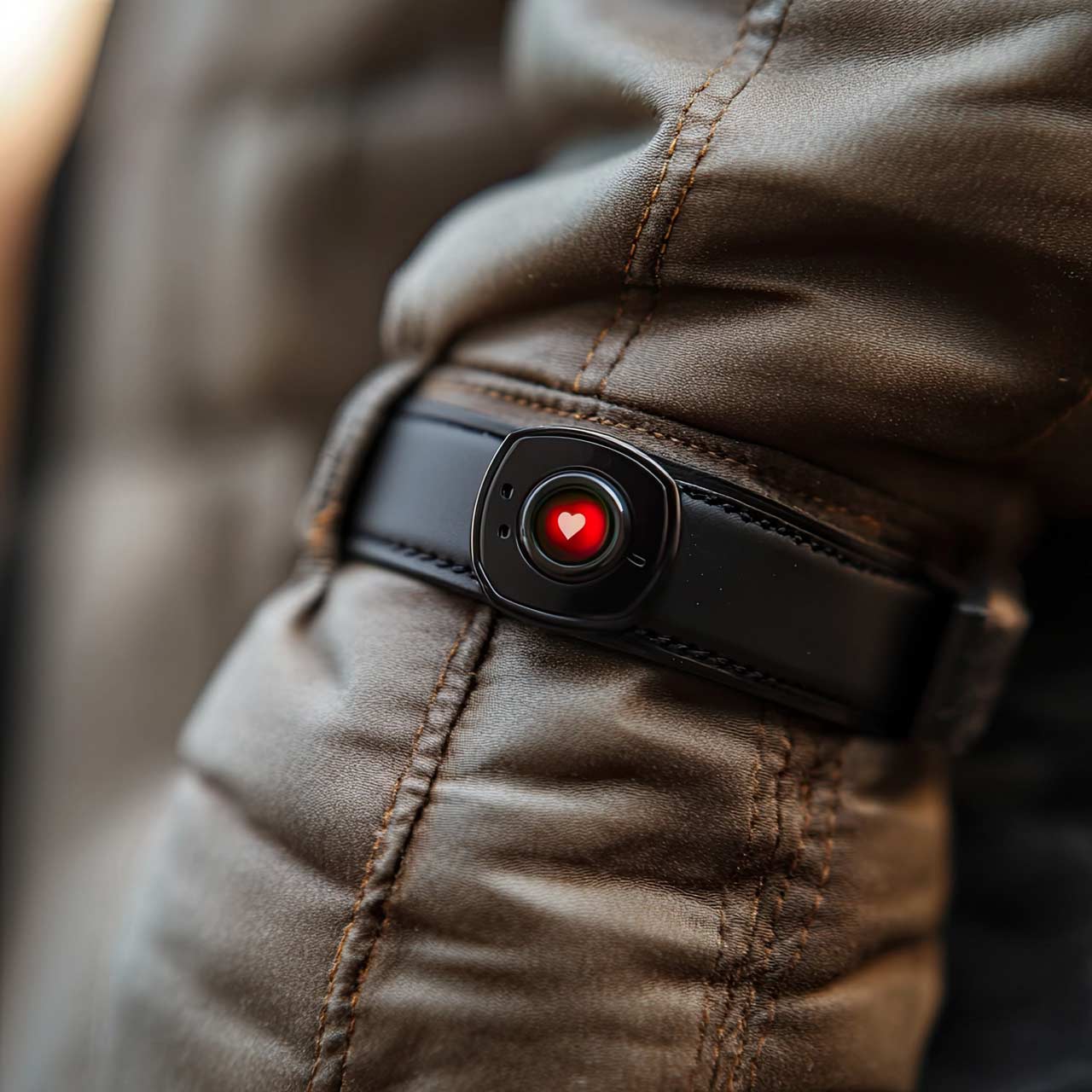
The most frequently used school safety solutions today come in the form of mobile or wearable panic buttons. Because of their limited battery life, almost all of these solutions rely on equipment that must be frequently recharged.
However, the need for frequent recharging significantly undermines the reliability of these safety solutions. A forgotten device or one left uncharged compromises the school’s entire safety plan, creating potential gaps in coverage. Even though schools have charging stations and implement reminders and safety procedures that attempt to reduce the risk, there is no way to completely eliminate human error.


Mobile panic buttons are especially vulnerable, as a dead phone battery renders any safety app useless. Unlike wearable panic buttons that are owned by the school, mobile apps are installed on teachers’ personal devices. This leaves administrators unable to monitor or control battery status, significantly increasing the safety risk.
Fortunately, there are school alert systems equipped with long-lasting batteries. These batteries are built to last a year or more, eliminating the need for frequent recharging. Devices like this offer peace of mind, reducing the burden on administrative staff and allowing teachers to focus on the classroom rather than constantly remembering to charge safety devices.
Reliable Safety Solutions Aren’t Dependent on Wi-Fi and Offer Full Campus Coverage
Many safety solutions require strong cellular coverage or Wi-Fi with no dead zones to initiate and receive emergency alerts. This leaves certain areas on campus, like basement classrooms, stairwells in older buildings, and remote parking lots or playgrounds, vulnerable during emergencies.
Emergencies, such as natural disasters, can also cause power outages that impact Wi-Fi connectivity. Unfortunately, many safety solutions rely on Wi-Fi to function, and this poses a significant gap in safety.
Administrators should search for solutions designed to function independently of building power and Wi-Fi networks, delivering alerts and notifications without interruption. The best solutions operate on private LoRaWAN and Bluetooth networks and provide complete coverage everywhere on campus.
Reliable Safety Solutions Allow for Integrated, Full-Time Monitoring
It’s hard to fix a problem if you don’t know it exists. Many schools juggle a mix of safety tools that don’t always work together or give a clear overall picture of safety gaps. These solutions usually include:
- Staff badges with wearable panic buttons
- School visitor badges and visitor management systems
- Cameras and visual strobes
- Digital campus maps
Choosing an integrated system that monitors all safety components in real time means staff won’t be caught off guard in an emergency. With automatic checks happening behind the scenes, staff and administrators can feel confident that every piece of the safety puzzle is ready to work when it’s needed most.
Reliable Safety Solutions Connect Directly With Law Enforcement
When someone dials 911 during an emergency, the call routes to a local Public Safety Answering Point (PSAP), where dispatchers assess the emergency and send the appropriate response teams. This could consist of police, firefighters, or paramedics. While most PSAPs are run by law enforcement and emergency agencies, traditional phone calls require staff to verbally relay critical information, which can lead to delays or miscommunications during urgent situations.
Integrating a school’s wearable duress button system directly with the PSAP streamlines this process, allowing authorized personnel to request help instantly with the push of a button. This automation not only accelerates response times, potentially saving lives, but also reduces the chance for human error.
Integration empowers staff members to act decisively in emergencies and supports the development of stronger protocols for handling threats. Advanced wearable duress buttons can transmit the precise location of an incident to dispatchers on digital maps, further enhancing situational awareness and ensuring first responders arrive exactly where they’re needed.
Reliable Safety Solutions Create Shared Responsibility
School safety is a responsibility best shared by an entire community. When everyone on campus is empowered to prevent and respond to emergencies, schools can intervene swiftly and effectively, reducing the risks and impact of crises. Relying on a few overwhelmed teachers to raise the alarm can lead to delays and confusion, whereas unified, well-supported systems allow for faster, more coordinated responses.
Unfortunately, safety concerns weigh heavily on educators. Alarming numbers from recent surveys reveal that most teachers worry about their safety, feel unsupported, and even consider leaving the profession due to these stresses. This costs districts both talent and resources. Teachers need tools and support to feel safe and valued in their roles. When they lack confidence in school safety, the whole learning environment suffers, because anxious staff can’t give their best to their classrooms.
Truly effective school safety begins with creating a climate of shared responsibility, where all staff are trained, empowered, and equipped to take action. Investing in comprehensive solutions makes sure everyone has a role, from first responders to educators, supported by technology that streamlines alerts and communication during emergencies.
Utilizing campus-wide response tools, live maps, and automated notifications guarantee no single individual bears the burden alone, while fostering a culture in which every staff member and student benefits from a safer, more connected school community.
Reliable Safety Solutions Capture Robust Data to Inform Policies
School behavioral incident data holds remarkable power for educational leaders eager to create safer, more supportive campuses. As behavior challenges persist nationwide, administrators are turning to comprehensive data analysis to shift from crisis management to proactive intervention and lasting cultural change. When paired with modern alert systems, this approach brings visibility into campus safety patterns and empowers schools to predict where and when issues are likely to arise. With this data, administrators can tailor interventions to meet real needs rather than relying on assumptions.
Effective school leadership requires evidence-based decision-making. The right school alert system will collect a variety of data, including:
- academic performance
- student attendance or consistent early check-outs
- areas with frequent wearable panic button alerts
- visitor and vendor visitor data
Integrated data provides a comprehensive view of school dynamics, enabling the allocation of resources wisely, demonstrating accountability, and implementing interventions that drive meaningful improvement.
Schools that capture key data points, such as frequency, location, timing, student identification, behavior categorization, and missing skills, can transition from reactive discipline to proactive support.
For example, insights about when and where incidents occur enable targeted changes in supervision or routines, while behavior patterns guide tiered interventions and focused curriculum updates. Modern wearable panic button systems now automate much of this data collection, drastically reducing errors and providing real-time insights that help transform discipline into an opportunity for growth and positive change.
Modern school alert systems can record and report:
- Exact incident location – Instantly identifies where assistance is needed, indoors or outdoors.
- Incident pattern analysis – Reveals campus hotspots to guide preventive action.
- Staff alert data – Shows who requests help and how often for targeted training.
- Time-based insights – Pinpoints peak times for better staffing decisions.
- Incident type breakdown – Detailed reasons clarify behavioral challenges.
The Future of Wearable Panic Buttons and Safety Systems
With ongoing advances in technology, wearable panic buttons can significantly bolster campus safety. As connectivity methods improve and monitoring becomes increasingly sophisticated, the next generation of safety systems will offer new ways to promote rapid and reliable communication in every situation.
By continually integrating reliability, intuitive functionality, and thoughtful design, these technologies empower schools to respond quickly and confidently when it matters most.