Business Analytics is no longer only a specialized knowledge area, but it is also the core in making an organization successful. In the current age of data-driven applications, companies are increasingly turning to the use of analytics in order to draw greater insight, foresight, and efficiency in their operations. Rapid changes in the development and massive increase in the amount of data have created new tendencies that have changed the way firms use analytics. Knowledge of these trends is necessary for an organization as well as other people, like professionals, who want to future-proof their careers in the field.
Introduction
Given the dynamics of the competitive business world today, top executives need to make swift and informed decisions with the support of data in order to keep abreast of the competition. Business Analytics comes into the picture here. It can be optimizing processes, customer experiences, or even in the prediction of market changes, analytics has come to be a tool that cannot be ignored in strategic decision-making.
For senior leaders, gaining expertise in this domain is no longer optional, it’s a necessity. Programs like the IIM senior management program provide a comprehensive understanding of how data can be harnessed to drive innovation and business growth. As we look ahead, several trends are set to redefine the scope and application of Business Analytics.
1. The Rise of Predictive and Prescriptive Analytics
While descriptive analytics tells us what happened in the past, predictive analytics forecasts future outcomes, and prescriptive analytics suggests the best course of action. Organizations are now moving beyond simple reporting to advanced models that help them anticipate customer needs, forecast demand, and mitigate risks.

- Example: Retail chains in India use predictive analytics to forecast inventory demand during festive seasons, ensuring products are available without overstocking.
- Impact: This shift helps businesses move from reactive to proactive strategies.
2. Integration of Artificial Intelligence (AI) and Machine Learning (ML)
AI and ML are no longer just buzzwords; they are integral to modern analytics. Machine learning algorithms can detect patterns in large datasets that humans might miss, enabling more accurate decision-making.
- Example: Indian fintech companies use AI-driven analytics to assess creditworthiness in real-time, offering instant loans to customers with minimal paperwork.
- Impact: This trend reduces human error, enhances efficiency, and opens new avenues for personalized customer experiences.
3. Real-Time Data Analytics
In industries like finance, e-commerce, and logistics, real-time analytics is becoming the norm. Businesses cannot afford to wait for monthly or quarterly reports to act — decisions need to happen instantly.
- Example: Food delivery platforms in India use real-time analytics to optimize delivery routes, ensuring faster service and improved customer satisfaction.
- Impact: Organizations can respond to operational challenges immediately, improving both efficiency and customer trust.
4. Democratization of Data
Traditionally, analytics was the domain of specialized data teams. Today, tools with user-friendly interfaces are empowering employees across departments to access and interpret data.
- Example: Self-service BI platforms enable marketing teams in startups to directly analyze campaign performance without depending on IT teams.
- Impact: This democratization promotes a data-driven culture across all levels of an organization.
5. Cloud-Based Analytics Solutions
Cloud platforms have transformed the way data is stored, processed, and analyzed. Cloud-based analytics offer scalability, cost efficiency, and accessibility from anywhere in the world.
- Example: Indian SMEs are adopting cloud analytics platforms to compete with larger enterprises without heavy infrastructure investments.
- Impact: Cloud adoption enables businesses to scale operations quickly and cost-effectively.
6. Emphasis on Data Privacy and Ethics
As analytics becomes more advanced, concerns about data privacy and ethics are growing. With regulations like India’s Digital Personal Data Protection Act, businesses must ensure compliance while using customer data responsibly.
- Example: Banks and insurance companies in India are investing in secure data storage solutions and transparent data usage policies.
- Impact: Organizations that prioritize ethics will build stronger customer trust and brand reputation.
7. Advanced Visualization and Storytelling
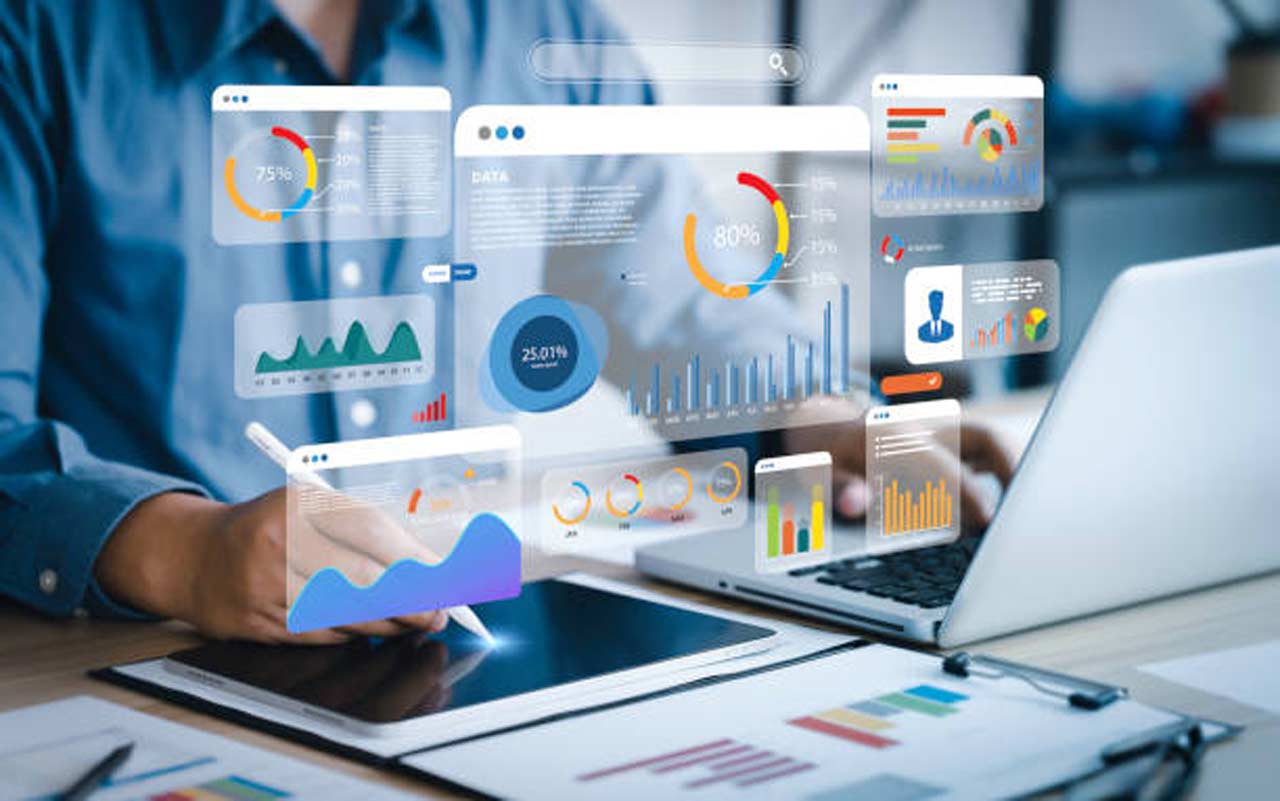
Data is only as useful as the story it tells. Advanced visualization tools help translate complex datasets into easy-to-understand visuals that can drive strategic decisions.
- Example: Indian healthcare providers use dashboards to track patient recovery rates and resource allocation, enabling better decision-making.
- Impact: Clear visualization improves communication between technical and non-technical teams.
8. Cross-Industry Collaboration in Analytics
Data insights are now being shared across industries to generate innovative solutions.
- Example: The collaboration between logistics companies and e-commerce platforms in India to optimize last-mile delivery routes using shared analytics.
- Impact: Such collaborations lead to efficiency gains and better service delivery.
Conclusion: Preparing for the Future of Business Analytics
The developments that have been influencing Business Analytics show that in the future, data-driven decision-making will become the core of any successful organization. With the changing technologies, there is equally an emerging demand for skilled personalities capable of interpreting, analyzing, and taking appropriate actions based on the data intelligence.
For professionals aspiring to stay ahead, investing in structured learning is crucial. Enrolling in an IIM Business Analytics course can equip you with the advanced skills required to navigate this rapidly changing landscape. These programs bridge the gap between theory and practice, enabling learners to apply cutting-edge analytical techniques to real-world business challenges.
Doubt making relevant gods. In God we trust. All others must bring data, as W. Edwards Deming put it. This means that in the future, those who cannot only extract the data but also decipher actions from it will succeed. These trends are changing the nature of the business landscape, and in order to make sure they do not become obsolete, professionals need to upskill proactively.