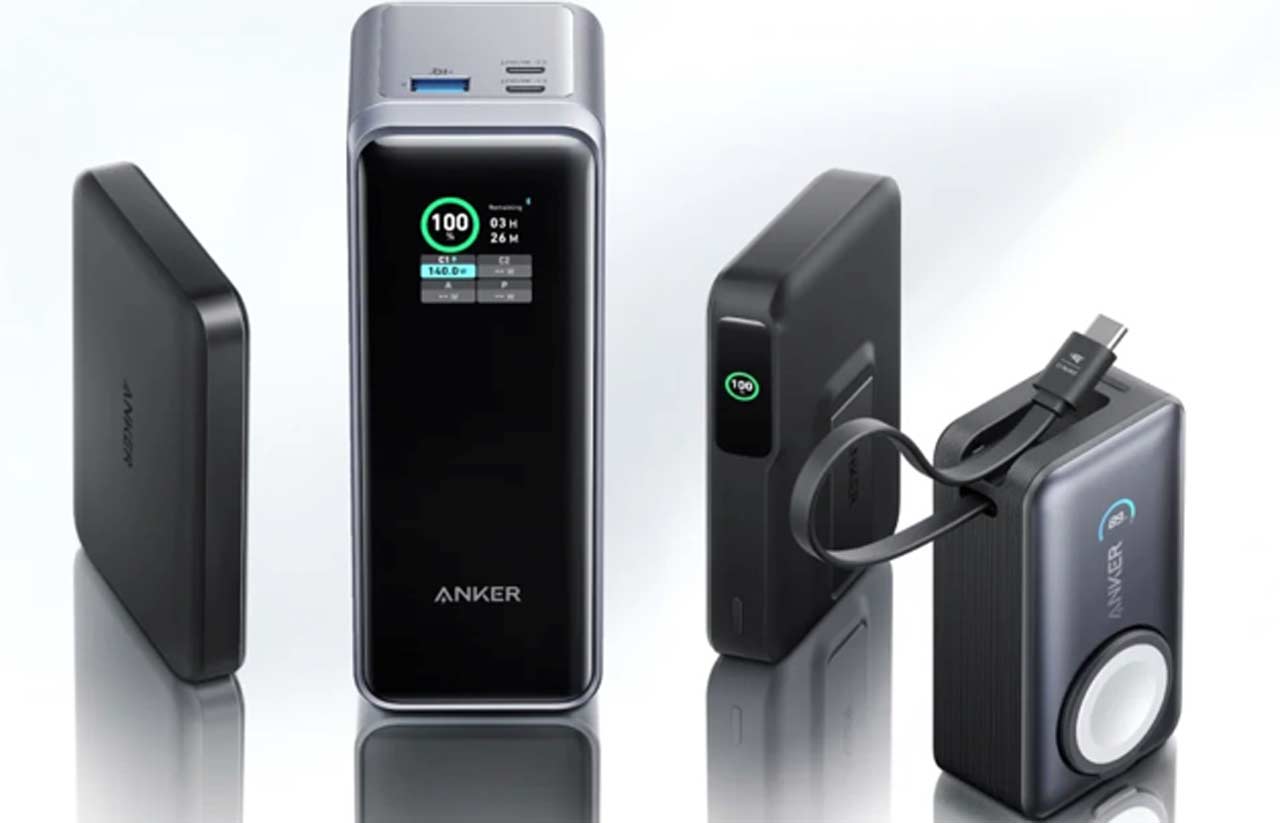
A swollen power bank isn’t just an inconvenience—it’s a hazard waiting to happen. Lithium-ion batteries, which power most portable chargers, swell due to gas buildup from overheating, physical damage, or aging. This compromises the battery’s structure, risking leaks, fires, or even explosions. If you’re shopping for a reliable replacement, consider Anker’s power bank—a trusted brand known for quality and safety. In this article, we’ll walk you through six critical steps to handle a swollen power bank safely, from immediate actions to long-term prevention.

1. Immediate Safety Actions
The moment you notice your power bank is swollen, stop using it immediately. Unplug it from any device or charger, and avoid pressing or poking the bulging area. Place it in a cool, dry, and non-flammable location, away from direct sunlight or heat sources like radiators. Never attempt to charge or discharge it further, as this could trigger a thermal runaway—a chain reaction leading to fire. Keep it away from children, pets, or flammable materials like curtains or paper. If the device feels hot, use gloves or tongs to move it, and monitor it for smoke or unusual smells. Acting quickly can prevent a minor issue from becoming a major disaster.
2. Proper Storage Before Disposal
While waiting to dispose of your swollen power bank, store it safely to minimize risks. A metal container with a lid (like an empty cookie tin) is ideal, as it can contain potential fires. Avoid plastic bags or cardboard boxes, which can easily catch fire. Place the container in a well-ventilated area, such as a garage or balcony, away from living spaces. If possible, sprinkle sand or baking soda nearby to smother flames in case of ignition. Never store the battery in a refrigerator or freezer—extreme temperatures can worsen the swelling. Label the container clearly as “Damaged Battery” to alert others.


3. Safe Transportation Tips
Transporting a swollen battery requires caution. If you’re taking it to a recycling center, place it in the same metal container used for storage. Secure the container in your car’s trunk or truck bed, far from passengers. Avoid jostling or dropping the battery, as physical shock can rupture the casing. Keep the windows slightly open for ventilation, and never leave the battery unattended in a parked car, especially in warm weather. For extra safety, bring a fire extinguisher rated for electrical fires (Class D). Public transportation is not recommended—many agencies prohibit damaged batteries due to fire risks. If you must ship the battery, contact the carrier first; most require special hazardous-materials handling.
4. Correct Disposal Methods
Find Local Battery Recycling Centers
Many communities have dedicated facilities for hazardous waste, including swollen batteries. Search online for “battery recycling near me” or check your local government’s website for drop-off locations. Some centers accept batteries free of charge, while others may levy a small fee. Call ahead to confirm they handle lithium-ion batteries, as not all centers do.
Retailer Take-Back Programs
Major electronics retailers often provide battery take-back programs, even if you didn’t purchase the power bank from them. Stores like Best Buy or Home Depot (U.S.) or Currys (U.K.) may accept damaged batteries for recycling. Anker and other reputable brands sometimes offer mail-in disposal services for their products—check the manufacturer’s website for details. These programs ensure batteries are processed under professional supervision, reducing environmental harm. Always disclose that the battery is swollen when using such services to ensure safe handling.
Never Throw in Regular Trash
Tossing a swollen power bank in household trash is dangerously irresponsible. Lithium-ion batteries can ignite in garbage trucks or landfills, putting workers at risk and causing environmental damage. In many regions, improper disposal is also illegal and may result in fines. If no recycling options are available, contact your local fire department for guidance—they may direct you to a hazardous waste collection event. Remember: A few extra steps to dispose of batteries correctly protect both people and the planet.
5. Warning Signs You Ignored
Previous Overheating Incidents
Did your power bank get excessively hot during use or charging? Frequent overheating is a red flag. Lithium-ion batteries degrade faster when exposed to high temperatures, accelerating gas buildup. If you often charged your device in direct sunlight or left it plugged in overnight, these habits likely contributed to swelling. Pay attention to unusual warmth even if the battery seems to function normally—it’s a silent cry for help.
Case Deformation Over Time
A slightly warped or cracked casing often precedes visible swelling. Many users dismiss this as cosmetic damage, but it indicates internal pressure changes. Inspect your power bank regularly for subtle changes in shape, especially along seams. Flexible silicone cases can mask deformities, so remove the cover occasionally for a closer look. Early detection could prevent a hazardous situation.
Reduced Capacity Before Swelling
If your power bank couldn’t hold a charge as long as it used to, that was a warning. Aging lithium-ion batteries lose capacity due to chemical wear, which also makes them prone to swelling. Users often blame “bad charging habits” rather than the battery itself, but performance drops are a key symptom of impending failure. Track your device’s runtime—if it drops below 70% of its original capacity, consider replacing it preemptively.
6. Prevention for Future Power Banks
To extend your next power bank’s lifespan, avoid extreme temperatures—never leave it in a hot car or freezing outdoor space. Use only the manufacturer’s recommended charger, as off-brand adapters may deliver unstable currents. Unplug the device once fully charged; continuous trickle charging strains the battery. Store it at 50–60% charge if unused for months, as full discharge or charge accelerates degradation. Regularly inspect for physical damage, and replace it every 2–3 years, even if it seems functional. Investing in quality products (like Anker’s power banks) with built-in surge protection and temperature control also minimizes risks.
Conclusion
A swollen power bank demands immediate action—ignore it, and you risk fire, injury, or environmental harm. By following these steps (stop usage, safe storage, careful transport, and proper disposal), you protect yourself and others. Stay alert to early warning signs like overheating or reduced performance, and adopt preventive habits for future devices. Battery safety isn’t just technical jargon; it’s a daily practice that keeps your gadgets—and your home—secure.