Unlock the Power of Predictive Maintenance for Maximum Equipment Efficiency
Discover how predictive maintenance cuts downtime, saves money, and keeps machines running smoothly.

Machines are great—until they stop working. When that happens, everything stops. Work slows down. Money is lost. People wait. This is referred to as unplanned downtime, and it poses a significant challenge for many businesses. But what if we could stop problems before they even happen?
That’s where predictive maintenance comes in. It’s a smart way to take care of machines. Instead of waiting for a breakdown, predictive maintenance (PdM) watches machines closely. It uses real-time data, smart sensors, and even AI to spot signs of trouble early.
Traditional maintenance only works when something breaks or at set times. But PdM is different. It checks the health of machines all the time. It tells you, “Hey, this part looks weak!” so you can fix it before it causes a big problem.
Today, many companies are using predictive analytics, condition-based monitoring, and IoT tools to keep machines running. Whether it’s a factory, a hospital, or a power plant, predictive maintenance helps keep everything smooth and steady. It saves money, boosts equipment efficiency, and reduces risk.
In a world filled with automation and smart tools, this way of working is not just smart—it’s necessary. Businesses need fast, safe, and low-cost ways to stay ahead. That’s why predictive maintenance is becoming so popular.


In this blog, you’ll learn what predictive maintenance means. You’ll discover how it works, why it matters, and how you can start using it today. Let’s dive into the future of smart maintenance and say goodbye to surprise breakdowns.
What Is Predictive Maintenance and Why Does It Matter

Predictive maintenance (PdM) is a smart way to take care of machines. It tells you when a machine might break before it does. How? It watches and listens to the machines using tools like sensors, data, and predictive analytics. Then, it sends alerts so you can fix the issue early.
This is not like reactive maintenance, where you wait for something to break. And it’s not like preventive maintenance, where you fix machines on a set schedule. Predictive maintenance is different. It looks at real-time data. It uses condition-based monitoring to know exactly when a part is getting weak. That way, you only repair when needed.
Why does it matter? Because machines that stop suddenly can cause a lot of trouble. This is called equipment downtime. It wastes time, money, and energy. But with PdM, you stop problems before they grow. You save money—up to 30% in maintenance costs (Deloitte says so!). You also keep workers safe and your schedule on track.
Industries like automotive manufacturing use predictive maintenance all the time. For example, factories check engine parts using smart sensors. If a part starts shaking or heating too much, the system warns the team. They fix it fast and avoid engine failure.
PdM is now a key part of every smart maintenance strategy. It helps you stay ahead, save money, and keep machines strong.
Want to dive deeper? Check out our blog on Predictive Analytics for Informed Decision-Making.
How Predictive Maintenance Improves Equipment Efficiency
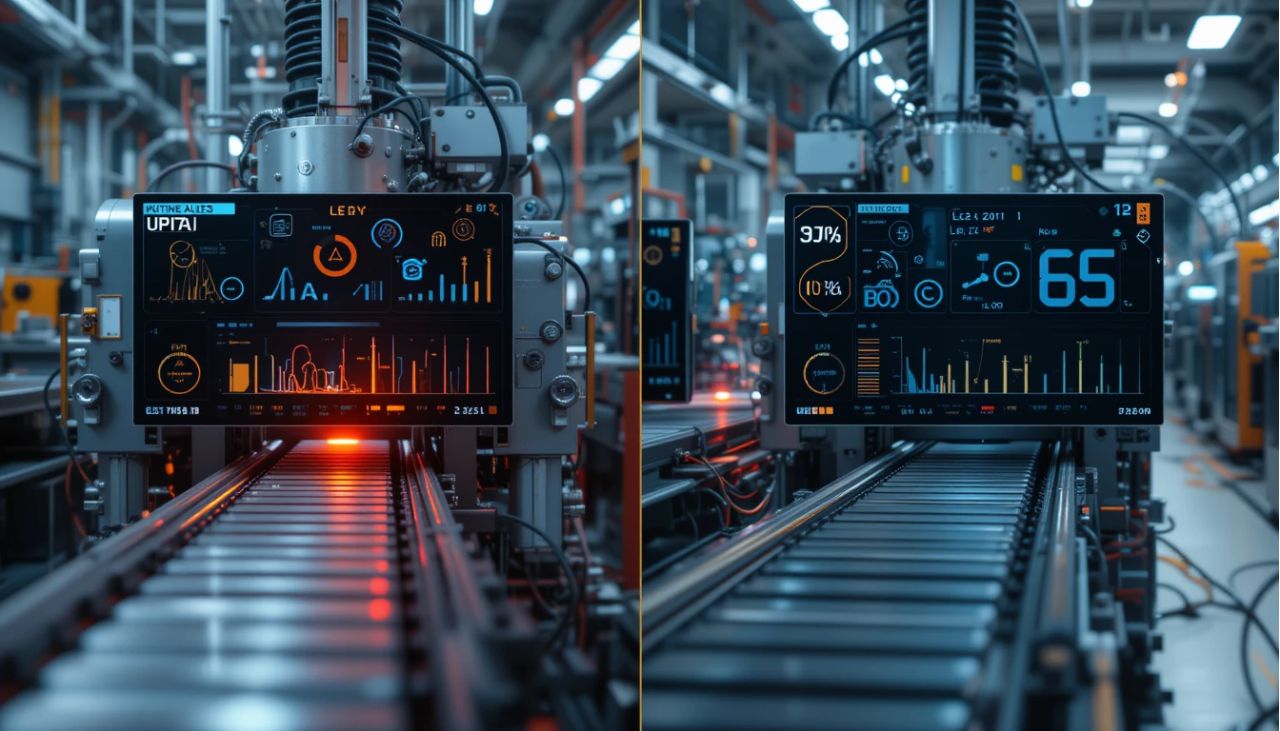
When machines work well, everything runs better. But when they break, everything stops. This costs time and money. That’s why many companies now use predictive maintenance to keep machines in good shape.
Predictive maintenance gives you real-time data insights. It uses smart tools to watch your machines all the time. If something looks wrong, it tells you right away. That means you can fix it early. No more surprises. No more waiting for a big problem to happen.
This helps cut down on unplanned downtime. Work keeps moving. Teams stay happy. And your machines stay healthy. According to McKinsey, predictive maintenance can boost uptime by 10–20%. That’s a big win for your business.
It also helps your machines last longer. When you fix small problems early, you avoid big damage. This means your machines can live a longer life. You save money on repairs and replacements.
And that’s not all. PdM also helps with optimized resource allocation. You don’t waste time, tools, or workers on machines that don’t need help. You send help only when it’s needed.
For example, think about a big factory. They use IoT sensors to check conveyor belts. The sensors tell the system when a belt needs a check-up. This keeps everything moving and boosts production efficiency.
When you care for machines the smart way, you improve asset performance. You also use machine learning maintenance tools that keep getting smarter over time.
Curious about what’s coming next? Read our blog on Top 8 Future Innovations That Will Redefine Our World.
Technologies That Power Predictive Maintenance

Predictive maintenance works like magic, but it’s powered by smart technology. These tools help machines speak to us before they break down. Let’s explore how it all works!
First, we have IoT and smart sensors. These tiny tools watch machines closely. They check temperature, noise, and movement. For example, if a motor shakes too much, sensors catch it. This is called vibration analysis. It helps find motor problems early, before they stop the work.
Next comes the brain behind it all—artificial intelligence (AI) and machine learning. These tools learn from data. They use predictive algorithms to find patterns. AI says, “This machine had the same problem last time. It may break again soon.” Then, you can fix it fast.
All this information needs a place to live. That’s where cloud computing and data analytics platforms help. They store big amounts of machine data, also called big data analytics. These tools sort, read, and send alerts to the team when something looks wrong.
These smart systems work together to keep machines healthy. 83% of manufacturers say AI helps reduce maintenance costs, according to PwC. That means more savings and less stress.
Want to try these tools yourself? You can start small. Many teams already use them in smart ways.
See our list of 15 Artificial Intelligence Tools Everyone Should Try Now to learn more.
With the help of tech like IoT in maintenance, you can stop guessing and start knowing. That’s the power of predictive maintenance!
Key Industries Benefiting from Predictive Maintenance

Predictive maintenance is not just for factories. It helps many industries stay safe, save money, and work better every day. Let’s look at who is using it and how.
First is manufacturing. In smart factories, machines run all the time. When one stops, the whole line can break. With predictive maintenance, workers fix machines before they stop. This keeps the work moving and cuts downtime.
Next is oil and gas. These places use big machines that must run nonstop. If something breaks, it can be dangerous. PdM helps spot small leaks or cracks early. This keeps people safe and lowers repair costs.
Then there’s aviation. Airplanes must be safe before flying. Airlines use predictive maintenance to check jet engines. If something looks odd, like heat or sound changes, they repair it before the flight. This boosts aviation safety and trust.
In the energy and utilities world, PdM helps keep the power on. It checks wires, pipes, and turbines. This makes sure everything works during storms or heavy use. That’s how it improves energy reliability for homes and cities.
Healthcare is also using PdM. Hospitals now watch their machines, like MRI and X-ray tools. If anything acts strange, they fix it fast. That means patients stay safe, and care never stops.
Learn more in our blog on 5 Tech Trends Shaping the Future of Healthcare: A Comprehensive Overview.
From industrial maintenance to hospital care, predictive maintenance helps us all. It makes every industry smarter, safer, and stronger.
Steps to Implement Predictive Maintenance in Your Business
Starting with predictive maintenance may sound tricky, but it’s easier when you follow the right steps. Let’s break it down into simple parts.
Step 1: Assess your current maintenance plan.
Look at how your team takes care of machines now. Do you fix things only when they break? Or do you have a regular schedule? This check helps you build a better PdM strategy.
Step 2: Pick the right tools and tech.
Choose sensors, software, and other condition monitoring tools that match your needs. Some tools are big, some small. Find what fits your business best.
Step 3: Gather past data.
Machines leave clues when they start to fail. So, collect old repair logs and sensor data. This helps your system learn patterns and predict future problems.
Step 4: Train your team.
Your workers are key. Teach them how to use the new tools. Show them how to read alerts and act fast.
Step 5: Track your results.
Watch important numbers like uptime and cost savings. These are called KPIs. If something doesn’t work, change it. Keep improving your implementation steps over time.
Here’s a real story: A small factory used low-cost sensors to track machine noise. They spotted trouble early and fixed it before a major breakdown. Within one year, they saw a 25%-30% ROI.
Want to learn how this fits into bigger changes? Check out What is Digital Transformation & Why is it Important?
With the right plan, predictive maintenance can work for any business, big or small.
Common Challenges and How to Overcome Them
Predictive maintenance is powerful, but starting can feel hard. Let’s look at the common problems and how to fix them.
Challenge 1: High upfront investment
New tools and systems can cost a lot at first. This scares many companies. But here’s a tip—start with a pilot program. Try PdM on a few machines. See the results. Then grow step by step.
Challenge 2: Old systems don’t mix well
Some machines are old and can’t connect to the new tools. But there’s a fix. Use add-on sensors. For example, many teams add sensors to legacy HVAC systems. This makes them smarter without replacing everything.
Challenge 3: Data security concerns
When machines send data to the cloud, some worry about hackers. So, use strong passwords and trusted software. Work with IT teams to protect your data.
Challenge 4: Employees resist change
Some workers don’t trust new tech. That’s okay. Use change management. Teach teams how PdM makes their jobs easier, not harder. Give them time to learn and ask questions.
Also, data integration issues can slow things down. Old and new tools don’t always “talk” to each other. Choose platforms that work with your current setup.
Want to see how smart data builds trust? Read Transforming Customer Engagement Through Data-Driven Insights.
Yes, predictive maintenance risks exist. But with the right plan, you can beat them. Stay patient. Keep learning. And remember—every big win starts with a small step.
Future of Predictive Maintenance and Industry Trends
The future of predictive maintenance looks bright. New tools and smart ideas are making it easier and faster for all businesses.
One big change is the rise of Predictive Maintenance-as-a-Service (PdMaaS). Now, companies don’t need to buy all the tools. Instead, they can pay for the service. This saves money and helps small teams get started quickly.
Next, more small and medium businesses (SMEs) are using PdM. Before, it was mostly big factories. But now, thanks to simple sensors and apps, smaller teams can also enjoy fewer breakdowns and better planning.
We also see the rise of autonomous maintenance using AI. Machines can now check themselves. They learn when something feels wrong. Then, they tell the system or even fix small problems on their own. That’s autonomous equipment monitoring in action.
Another cool trend is the use of digital twins. A digital twin is a copy of a real machine, but it lives in a computer. It shows how the real one works. You can test changes and find issues without touching the real machine.
All these trends are shaping the future of industrial maintenance. And there’s more to come. Experts say the predictive maintenance market will reach $18.65 billion by 2027 (Fortune Business Insights).
So yes, the future is smart. It’s fast. It’s safe. And it’s built on data. Businesses that start now will be ready for what’s next.
With all these exciting PdM trends, one thing is clear—maintenance will never be the same again.
Frequently Asked Questions (FAQs)
What is predictive maintenance?
Predictive maintenance (PdM) is a smart way to fix machines before they break. It uses sensors, data, and AI to find early warning signs and prevent big problems.
How is predictive maintenance different from preventive maintenance?
Preventive maintenance is done on a schedule, even if nothing is wrong. Predictive maintenance uses real-time data to fix machines only when needed. That saves time and money.
Why is predictive maintenance important for businesses?
It helps stop unplanned downtime, lowers repair costs, and keeps work moving. Companies also save up to 30% on maintenance costs (Deloitte).
Can small businesses use predictive maintenance?
Yes! With affordable sensors and cloud tools, even small factories or shops can use predictive maintenance and improve equipment efficiency.
What tools are used in predictive maintenance?
PdM uses IoT sensors, AI, machine learning, cloud computing, and big data analytics to monitor machines and spot issues early.
Which industries benefit the most from predictive maintenance?
Industries like manufacturing, oil and gas, aviation, healthcare, and energy all use PdM to reduce risks and stay efficient.
What is an example of predictive maintenance in action?
Airlines use PdM to check jet engines. If something seems off, they fix it before the plane flies. This keeps flights safe and on time.
What are the main challenges of starting predictive maintenance?
Some challenges include high startup costs, old machines that don’t connect easily, data safety concerns, and staff who resist new tech.
How can I start predictive maintenance in my business?
Start small. Review your current plan, choose the right tools, collect past data, train your team, and track your progress over time.
What does the future look like for predictive maintenance?
The future includes AI-powered tools, digital twins, and Predictive Maintenance-as-a-Service. The PdM market may reach $18.65 billion by 2027!
Final Thoughts on Embracing Predictive Maintenance for Long-Term Success
Now you know why predictive maintenance matters. It’s not just a cool idea. It’s a smart way to keep machines working. It saves money, stops surprises, and helps things run better every day.
With real-time monitoring, smart sensors, and AI-powered insights, you can find small problems before they turn big. That means less downtime and more work getting done. It also means safer machines and a less stressed team.
The best part? The good stuff doesn’t stop today. When you start using predictive maintenance, your future gets brighter. Fewer breakdowns mean more time, more trust, and more profit. You get to fix things before they break, and that keeps your business strong for years.
You don’t need a huge budget to begin. Even small teams can start small and grow. Many tools use IoT, cloud software, and predictive analytics. These tools are easier to use and cheaper than ever before.
So, don’t wait for a machine to stop. Stay one step ahead. Use the power of predictive maintenance and give your business the care it deserves.
Start with what you have. Learn, grow, and watch your equipment do more with less.
Are you ready to make the switch? Take the first step today. Try a simple PdM setup. See the results for yourself. Your machines—and your team—will thank you.