Mastering Kitchen Organization: Innovative Approaches to Enhance Culinary Efficiency

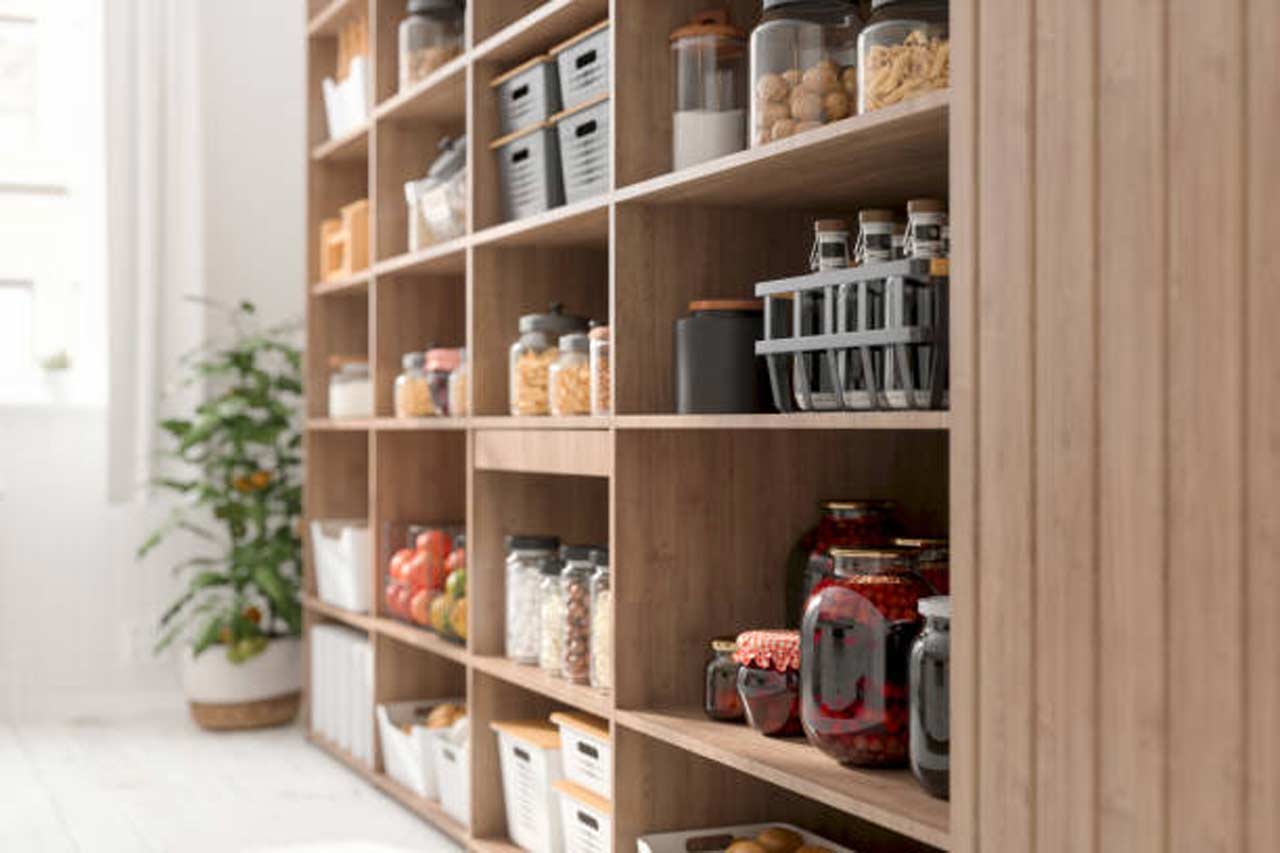
A cluttered and disorganized kitchen can stifle that creativity and make cooking a daunting task. Mastering kitchen organization is essential for enhancing culinary efficiency, ensuring that you can easily access ingredients and tools when you need them. In this article, we will explore innovative approaches to organizing your kitchen, enabling you to streamline your culinary processes and transform cooking from a chore into a joy.
Reimagining Storage Solutions
When thinking about kitchen organization, the first step is to evaluate your current storage solutions. Traditional cabinets and drawers can often lead to wasted space and disarray. Consider reimagining these spaces with adjustable shelving or pull-out drawers that can accommodate larger pots and pans. Vertical storage is also an excellent option for maximizing space. Utilize the backs of cabinet doors for storing smaller items like spices, measuring cups, or even pot lids. Magnetic strips can be employed along walls to hold knives or metal utensils, freeing up precious counter space while keeping your tools easily accessible.
Investing in Clear Containers
Visibility is key in the kitchen. One innovative approach to organization is to invest in clear containers for storing pantry items. By using transparent jars for grains, pasta, and snacks, not only do you create an aesthetically pleasing pantry, but you also make it easier to see what you have on hand, reducing food waste. Labeling these containers, either with a label maker or handwritten tags, adds an extra layer of organization. Additionally, consider using stackable containers to save space and keep similar items together. This not only streamlines your cooking process but also makes it easier to maintain order over time.
Creating Zones for Efficiency
Another effective strategy for kitchen organization is the creation of designated zones. By categorizing your kitchen into specific areas based on functionality, you can enhance efficiency and minimize movement during meal preparation. For instance, establish a cooking zone near the stove, equipped with pots, pans, utensils, and oils. Adjacent to this, implement a prep zone with cutting boards, knives, and mixing bowls. A baking zone can house your measuring cups, mixers, and baking sheets, while a storage zone can keep your ingredients, spices, and pantry items organized. By ensuring that each zone is stocked with the necessary tools and ingredients, you’ll move seamlessly from one task to the next, significantly reducing prep time.


Utilizing Vertical Space
Often underestimated, vertical space can be a game changer in kitchen organization. Install shelves that reach all the way to the ceiling, making use of upper areas that are typically neglected. This can be particularly useful for storing infrequently used appliances or seasonal items. Consider implementing a pegboard on a wall for hanging pots, pans, and utensils, which not only saves cabinet space but also adds a touch of rustic charm to your kitchen. Hooks can also be an excellent solution for hanging mugs, aprons, or dish towels, keeping them off surfaces and within easy reach.
Embracing Multi-Functional Furniture
In smaller kitchens, every piece of furniture must serve multiple purposes. Embrace innovative furniture solutions, such as kitchen islands with built-in storage or pull-out tables that can be tucked away when not in use. A rolling cart can also be an excellent addition, providing extra storage and counter space that can be moved around as needed. Look for dining tables or stools that can double as prep surfaces, facilitating a seamless transition from cooking to serving. By choosing multi-functional furniture, you not only save space but also add versatility to your kitchen layout.
Implementing a Routine for Maintenance
A well-organized kitchen requires ongoing maintenance to sustain its efficiency. Developing a routine for kitchen organization can help keep clutter at bay and ensure that everything remains in its designated place. Set aside time weekly or bi-weekly to reassess your pantry and refrigerator, checking for expired items and reorganizing as needed. Create a habit of returning items to their proper spot after each use to cultivate a sense of order. Involving the entire household in this process can also foster a collective responsibility for maintaining a tidy kitchen, making it less of a burden on one individual.
Incorporating Technology
In today’s digital age, technology can play a significant role in kitchen organization. Numerous apps can assist with meal planning, grocery lists, and inventory management, helping you stay organized and efficient. Smart appliances, such as refrigerators with touch screens that allow you to keep track of your pantry items, can also enhance your culinary experience. Consider investing in smart kitchen scales or timers that sync with your devices, making it easier to execute recipes with precision. By leveraging technology, you can simplify your cooking process and keep your kitchen organized with minimal effort.
Cultivating a Mindful Approach to Cooking
Finally, cultivating a mindful approach to cooking can greatly enhance kitchen organization. Embrace the practice of preparing meals ahead of time, which can help reduce the chaos that often accompanies last-minute cooking. Batch cooking and meal prep not only streamline your cooking process but also allow you to keep your kitchen organized as you work efficiently through your ingredients. Additionally, consider involving family members in cooking activities, transforming it into a collaborative experience that fosters creativity and enjoyment.
By implementing these innovative approaches, you can master kitchen organization and enhance your culinary efficiency. An organized kitchen not only promotes a smoother cooking experience but also encourages creativity and inspiration. Ultimately, investing time and effort into organizing your kitchen can lead to a more enjoyable and efficient culinary journey.