Helicopter Return from Everest Base Camp: Easier, Quicker and Scenic

After pushing through tough trails, thin air and finally reaching Everest Base Camp, many trekkers face a new challenge—the long, tiring descent. Your legs ache, energy dips and the idea of retracing your steps back to Lukla isn’t exactly exciting. For many, the descent is even harder than the climb, especially after days of walking at high altitude.
This is where the Everest Base Camp trek with helicopter return experience changes the game. Instead of walking for days, you can fly back in under an hour while enjoying Himalayan views. It’s faster, more comfortable and a scenic way to wrap up your adventure. The bird’s eye view transforms the final leg of your journey into a highlight rather than a chore.
In this post we’ll explain why a helicopter return is worth considering, how it works, what it costs and who it’s for. Let’s help you finish your trek with ease, speed and unforgettable views. Whether you’re a first time trekker or a seasoned hiker, a helicopter return is a unique and rewarding way to complete your Everest experience.
Why Choose a Helicopter Return from Everest Base Camp?
Is the Helicopter Return Worth It for Trekkers?
After reaching base camp, most trekkers are physically exhausted. The return trek takes another 3 to 4 days and covers the same route back. It can feel repetitive and demanding. The initial adrenaline wears off and many just want to get back to comfort.

A helicopter return from Everest Base Camp lets you skip this difficult part and head straight to Lukla or Kathmandu. It’s perfect for trekkers who want a quicker, more scenic exit or are short on time. Plus it adds a touch of luxury to your adventure.
You also avoid the risk of injury from tired legs or overuse. Descending steep, rocky terrain can be tough on knees and joints. The flight saves your body while delivering stunning views.
How Does It Save Time on the EBC Trek?
The standard EBC trek takes around 12 to 14 days. A helicopter return cuts that by 3 to 4 days. Instead of walking from Gorak Shep to Lukla, you fly in about 15 minutes or reach Kathmandu in under an hour.This is perfect for travelers with tight schedules. You can complete your trek and still have time to explore more of Nepal or simply relax before heading home. Many trekkers use those extra days to recover or enjoy cultural activities in Kathmandu.
For those with limited vacation days, this option allows you to experience EBC without extending your trip unnecessarily. It brings efficiency and ease to a demanding itinerary.
Is It a Safer Option After Reaching High Altitude?
High altitude can still affect trekkers during the descent. Symptoms like fatigue, dizziness and headaches are common. A helicopter return provides a quick escape to lower elevations.
It’s not just for emergencies. Even mild symptoms or general fatigue are good reasons to fly back. You’ll descend faster and feel better sooner. This quick descent can be a critical health safeguard, especially for those prone to AMS (acute mountain sickness).
Trekkers often feel pressure to continue walking even when they feel unwell. Having the option to fly provides peace of mind and prevents pushing beyond safe limits.
The Scenic Experience: What You’ll See from the Sky
Helicopter Ride Highlights from EBC to Lukla or Kathmandu
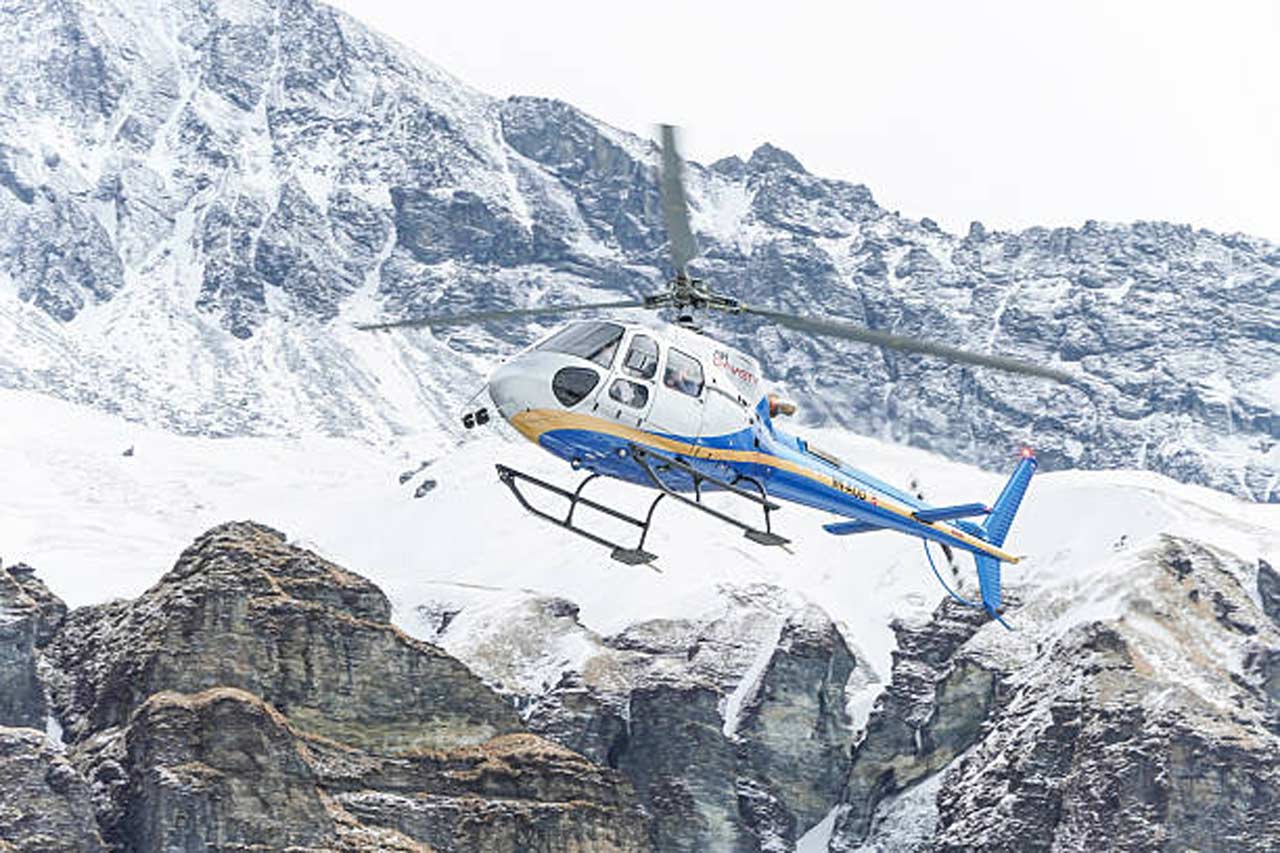
The flight itself is a highlight. You’ll fly past Mt. Everest, Lhotse, Nuptse and Ama Dablam. The Khumbu Icefall and Tengboche Monastery look even more stunning from above. The vast glaciers and river valleys stretch out beneath you like a living map.
Depending on the route and weather you might also see Gokyo Lakes or Namche Bazaar. It’s a photographer’s dream and a fitting end to your Himalayan journey. Don’t forget to keep your camera ready during the flight.
The changing light, the shadows across the ridgelines and the sheer scale of the mountains from the air are mesmerizing. This unique perspective is a rare gift that few get to witness firsthand.
Best Weather and Visibility Conditions for Scenic Flights
Clear mornings offer the best flying conditions. March to May and September to November are the best seasons. During these months the skies are clearer and visibility is at its best.
Most flights happen between 6 AM to 9 AM. Later in the day clouds and wind can cause delays. Booking your flight early in the day increases the chance of a smooth ride. Always consult with your guide to select the optimal time slot.Winter flights can be beautiful but come with higher cancellation rates. Summer months bring clouds and reduced visibility. Book your flight during peak trekking season for the best views.
How the Helicopter Return Works Logistically
Where and When Can You Book a Helicopter Pickup?
Most pickups are from Gorak Shep or Lobuche. Everest Base Camp itself is not a landing zone due to glacier terrain. You can book in advance or during the trek. Helicopters need flat and stable ground to land safely.
Trekking agencies will handle everything, including permits and coordination. Inform your guide at least a day in advance if you’re considering the option. Some companies offer last-minute arrangements depending on demand.
Booking in advance is recommended during high season, but if you’re not sure, keep the option open as a backup. It’s always easier to coordinate flights from Gorak Shep as it’s a known landing zone.
Shared vs. Private Helicopter Return: What’s the Difference?
Shared helicopter flight includes 4-5 people and is cheaper. It’s the most common option for trekkers. Cost is split evenly so it’s more affordable for budget travelers.
Private flight offers more flexibility and privacy. You can choose your timing and have uninterrupted views. It’s ideal for couples, photographers or luxury travelers. It also allows for a customized schedule if you’re not trekking on a fixed itinerary.
If you have gear or want more space, a private helicopter might be worth the investment. Some even opt for a detour over Everest for a once in a lifetime aerial view.
What to Expect During the Flight
Flight from Gorak Shep/Lobuche to Lukla takes 15 minutes. From Gorak Shep/Lobuche to Kathmandu it takes 60-70 minutes. Baggage is limited, 10-15 kg per person.
Ride can be slightly bumpy depending on weather. Sit by the window for the best views. Your guide or operator will brief you before takeoff. Expect a headset to reduce noise and communicate with the pilot.
Helicopter models used in Everest region are strong and weather tested, designed for high altitude performance. Pilots are experienced and trained for Himalayan routes.
Helicopter Return from Everest Base Camp Cost
How Much Does It Cost?
Shared helicopter from EBC to Lukla costs $800-$1000 per person. EBC to Kathmandu $1100-$1400. Private charter $3500-$4500 depending on the season.
Rates depend on availability, number of passengers and how early you book. Spring and autumn are peak season so prices may be slightly higher. Booking last minute can sometimes get you a discount but not guaranteed.
Some luxury trekking packages include the helicopter return in the price. Always ask your agency if this is part of your package.
Can You Split the Cost with Other Trekkers?
Yes, many trekkers share flights to reduce the cost. Agencies will help you find others with the same plan. It’s common to find group notices at tea houses or speak directly with fellow trekkers.
In Gorak Shep you can check the notice board or ask around. It’s a common practice and helps to make the helicopter return more affordable. Even solo travelers can find someone to share with, especially during peak season.
Sharing is also a good way to meet other trekkers and exchange stories. The shared flight experience can become a memorable part of the journey.
Is the Helicopter Return Covered by Insurance?
Travel insurance covers helicopter evacuation for medical emergencies. But it usually doesn’t cover pre-planned scenic returns. Be sure to understand the terms of your policy before the trek.
Check your policy before the trek. If you feel unwell during the descent and your doctor or guide recommends evacuation, it may qualify for coverage.
Always carry your insurance details with you. Some agencies require pre-authorization so having contact numbers and your policy number handy can save time.
Who Should Consider the Helicopter Return Option?
For Tight Schedules or Trekker Fatigue
If you’re short on time or energy after reaching EBC, a helicopter return makes sense. It saves you several days of walking. The faster return means more time for cultural activities or rest.
You get back to Kathmandu quickly and have more time to relax or explore other destinations like Pokhara or Chitwan. Many trekkers take advantage of this and extend their vacation in more relaxed environments.
For business travelers or those with tight deadlines, this option prevents missing flights and gives peace of mind.
For Elderly or Family Treks
Older trekkers or those with limited mobility benefit from this option. It reduces strain on joints and lungs. This is especially important in the last few days when fatigue is at its peak.
Families trekking together—especially with children or seniors—find the helicopter return a safer and more comfortable option. It allows everyone to enjoy the trek without worrying about the return leg.
Parents often use this as a reward for kids or elderly family members who make it to EBC but may struggle with the descent.
For Luxury Everest Base Camp Treks
High end EBC trek packages often include a helicopter return. It adds comfort, saves time and enhances the overall experience. This option goes well with luxury lodges and personalized trekking services.
If you’re staying in luxury lodges and enjoying premium service the helicopter exit fits the bill. You’ll finish your trek as impressively as you started it.
Luxury operators often arrange pre-packed meals, champagne on landing or scenic detours to make the experience unforgettable.
Final Thoughts: Making the Most of Your Helicopter Return
Plan Ahead and Book Through a Reputable Trekking Company
Always choose a reliable trekking agency. They’ll coordinate logistics, secure your seat and handle unexpected delays. Reviews and recommendations can guide you to reputable operators.
Look for agencies with experience in the Everest region and clear cancellation policies. Agencies with Kathmandu offices can also assist you upon your return.
Be Prepared for Weather Delays and Be Flexible
Mountain weather can change quickly. Even early flights may face delays due to clouds or wind. Prepare mentally and physically for unexpected changes.
Build a buffer day into your itinerary. Carry snacks, water and layers in case of waiting periods. A good book or downloaded content can help pass the time.
Having a guide to navigate these delays makes a huge difference. They can reschedule flights or arrange alternative accommodation if needed.
Bring a Camera — You’ll Want to Remember This!
This is one of the most scenic helicopter rides in the world. Capture Everest and the surrounding peaks from above. You’ll want to revisit these memories long after your trek ends.
Charge your camera or phone the night before. The views are unforgettable and you’ll want to share them. Use a wrist strap or secure case to avoid drops during the flight.
Videos work great for capturing the sound and feel of the experience. You’ll treasure these clips just as much as your summit photos.
Everest Base Camp with Helicopter Return: The Best of Both Worlds
Now many trekkers opt for Everest Base Camp with helicopter return. It’s the best of both worlds – adventure and comfort.
You walk through Sherpa villages, reach base camp and then fly over the same mountains you walked beneath. It’s the ultimate way to finish your trek.
These hybrid packages are available through many agencies and often include extra perks like porter support, upgraded lodges and personalized service.
Want to plan your Everest Base Camp with helicopter return trek? Let us help you find the perfect package with expert guides, comfortable lodges and smooth flight coordination. Whether you’re trekking solo, with a partner or in a group, this return option makes your journey more enjoyable and saves time.
Enjoy the best of both worlds – a great climb up and a thrilling flight down.