7 Powerful Short Term Financial Goals That Can Transform Your Money Fast
Achieve Quick Financial Wins with Simple, Achievable Short-Term Money Goals

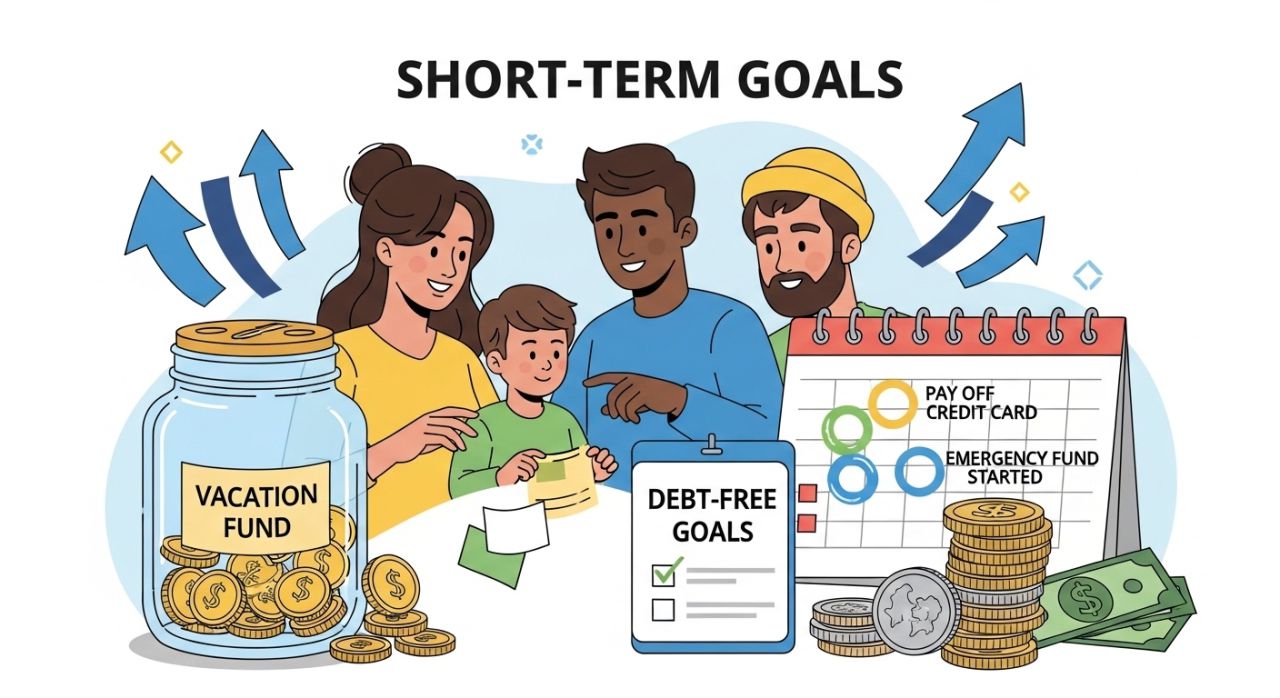
Most people fail financially not because they lack ambition, but because they lack direction. They want to save. They want to grow.
However, they do not know where to start. That is why short-term financial goals are so powerful. They give you a clear path. They show you what to do first. And most importantly, they help you see results fast.
When you set small and simple short-term money goals, you create quick financial wins. These wins build confidence. Then confidence builds momentum.
Right now, you might feel money stress. Maybe you live paycheck to paycheck. Maybe your savings account feels empty. Or maybe you feel stuck and unsure how to improve your personal finance goals. That feeling is common. But it does not have to stay that way.


With smart financial planning tips and easy budgeting strategies, you can take control step by step. Even small actions, like setting monthly savings goals or starting basic emergency fund planning, can change everything.
The good news? You do not need a big salary. You do not need a complicated plan. Instead, you need focus and simple money management habits. In this guide, you will discover 7 achievable short-term financial goals that deliver fast results. Each goal is practical. Each goal is clear. And each goal can help you start saving money fast.
So take a deep breath. Change begins with one small step. Let’s start with why short-term planning works.
What Are Short-Term Financial Goals? (And Why They Matter More Than You Think)
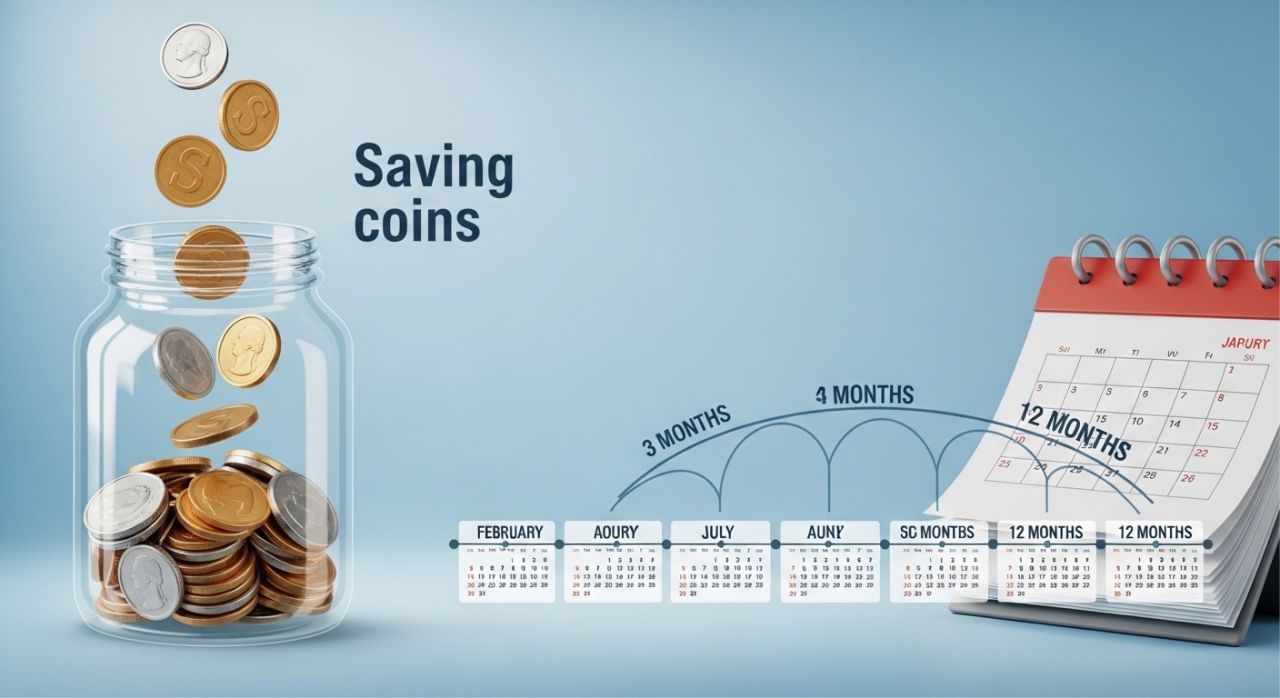
Short-term financial goals are money goals you want to reach soon. Most people set them for 3 to 12 months. They are small steps. But they create big change. For example, you might save $500, start planning an emergency fund, or follow simple budgeting strategies. These are clear and simple short-term money goals.
Now, you may wonder, how are they different from long-term plans? Long-term financial planning focuses on big dreams. Think about buying a house or retiring one day. Those take many years. However, short-term goals happen faster. They help you fix small problems right now. As a result, they feel more at ease and less scared.
When you set short goals, you build strong habits. You practice saving money, and fast to track your spending. You improve your money management habits. Step by step, you grow your financial discipline. And that is powerful.
There is also something special that happens in your mind. When you reach a small goal, you feel proud. That pride gives you energy. It makes you want to keep going. These quick financial wins boost confidence. They reduce money stress. And they move you closer to financial stability.
In simple words, short-term goals are the building blocks of your personal finance goals. They are smart financial growth tips in action. Start small. Stay consistent. And watch your money grow.
How to Set Short-Term Financial Goals That Actually Work
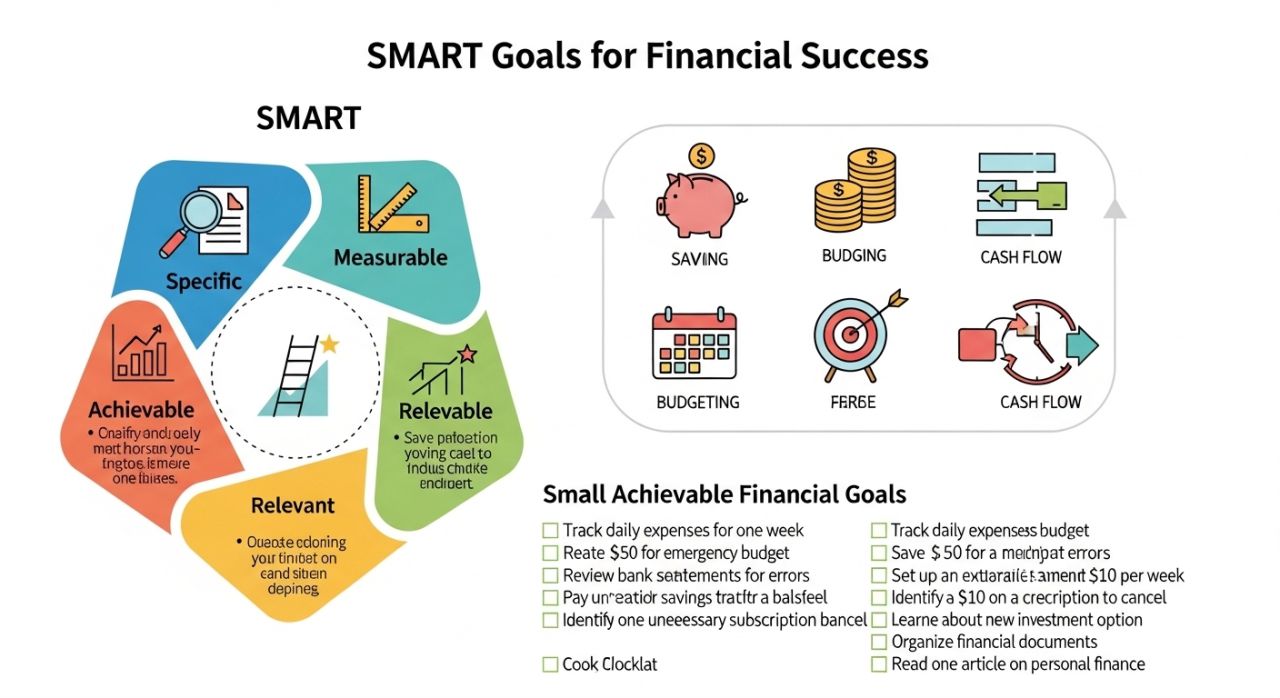
Setting short-term financial goals is simple when you follow clear steps. First, decide what you want to fix. Do you want to save money fast? Pay off debt? Improve your cash flow management? Start small. Then write your goal down. Clear goals work better than wishes.
Next, use the SMART method for financial planning. SMART means Specific, Measurable, Achievable, Relevant, and Time-bound. For example, say, “I will save $300 in 3 months.” That is clear. It is easy to track. This is how to set short-term financial goals that actually work.
After that, choose what matters most. If debt feels heavy, start there. Try emergency fund planning to have savings. Also, focus on your budgeting strategies if your money disappears too fast. Always fix the most urgent problem first. This makes your beginner financial goals easier and less stressful.
However, be careful. Many people set goals that are too big. Others forget to track progress. Some try to do everything at once. These mistakes can hurt your short-term financial planning strategies. So stay focused. Pick one goal. Take one step at a time.
The 3 Questions to Ask Before Choosing a Goal
- What money problem hurts me the most right now?
- Can I reach this goal in 3 to 6 months?
- Will this goal improve my financial stability?
Answer these. Then move forward with confidence.
💰 The 7 Powerful Short-Term Financial Goals
Short-term financial goals are small steps that create big change fast. They help you save money, pay off debt, and feel more in control. These goals are simple, clear, and achievable in a few months. By focusing on one goal at a time, you build financial discipline and gain quick wins.
In this guide, you will discover 7 powerful short-term financial goals that anyone can follow. Each goal is designed to improve cash flow management, reduce money stress, and grow your personal finance goals step by step. Let’s explore them!
1. Build a Starter Emergency Fund for Financial Stability
The first and most powerful of all short-term financial goals is building a starter emergency fund. Life brings surprises. Your car may break down. A bill may pop up. Or you may lose a small part of your income. That is why emergency fund planning is so important. It protects you when things go wrong.
Think of an emergency fund like a safety helmet. It keeps your money safe. Without it, small problems can turn into big debts. However, with it, you feel calm and ready.
So, how much should you save? A smart first target is $500 to $1,000, depending on your income. This is not your forever goal. It is your starting line. It is one of the best beginner financial goals because it builds quick confidence.
Now you may ask, how can I start saving money fast? First, cut one small expense. Next, set simple monthly savings goals. Then, move extra cash into a separate savings account. Even small amounts help. Saving $10 or $20 at a time still works. Small steps grow into big results.
Most importantly, an emergency fund gives you financial stability. It lowers stress. It helps you sleep better at night. And it keeps you from using credit cards for every surprise.
Start today. One small deposit can begin your journey to real financial security.
2. Create a 90-Day Debt Payoff Plan
Another important short-term financial goal is creating a 90-day debt payoff plan. Debt can feel heavy and stressful. But a focused plan helps you take control and see results fast. When you know exactly what to pay and when, your money works for you, not against you.
There are two popular ways to pay off debt. First is the snowball method. You pay the smallest debt first. This gives you quick wins and motivation. Second is the avalanche method. You pay the debt with the highest interest first. This saves money over time. Both methods work. Choose the one that fits your style.
By setting this goal, you build financial stability. Even paying off one debt in 90 days makes a big difference. You free up money for savings, emergencies, or investing. Small wins like this also boost confidence. You feel proud and motivated to keep going.
To start, list all your debts. Note the amount, interest, and minimum payment. Pick one method. Then make a simple schedule for 90 days. Track each payment. Celebrate each debt you eliminate.
This is one of the best short-term financial goals because it gives quick results. It reduces stress, improves your cash flow management, and sets you up for bigger money wins.
Remember, small steps matter. Even paying off a single credit card or loan brings freedom. Start your 90-day debt payoff plan today and watch your money feel lighter and stronger.
3. Set a Monthly Savings Goal You Can Actually Hit
A great short-term financial goal is setting a monthly savings goal you can actually reach. Saving money can feel hard. But small, realistic goals make it easy and fun. Even saving $20 or $50 a month counts. These small steps add up quickly and give you quick financial wins.
First, decide how much you can save without stress. Don’t choose a number that feels impossible. Your goal should be realistic. This is the key to short-term money goals that work. When you hit your goal each month, you feel proud. That pride keeps you motivated to save more.
Next, make it automatic. Use a bank app or auto-transfer to move money to savings each month. Automating your savings is one of the smartest savings strategies. You don’t have to think about it. The money grows on its own.
Also, track your progress. Seeing your savings grow motivates you even more. It shows that monthly savings goals are not just numbers—they are steps toward financial stability.
By focusing on a simple monthly savings plan, you build habits that last. You improve cash flow management and make bigger goals easier in the future. Plus, you reduce stress because you know money is being saved regularly.
Remember, saving doesn’t have to be huge. Small, consistent steps are powerful. Start today with a monthly savings goal you can actually hit and watch your money grow faster than you imagined.
4. Cut One Major Expense and Redirect the Cash
Another powerful short-term financial goal is to cut one major expense and use that money wisely. Many people spend money without thinking. Subscriptions, unused apps, or extra services take cash every month. By finding one unnecessary recurring expense, you free up money fast.
Start by looking at your monthly bills. Ask yourself: Do I really need this? Can I pause or cancel it? This simple check is one of the easiest practical budgeting strategies. Even a small change can save $20, $50, or more each month.
Next, redirect the money to something that matters. You can put it in your emergency fund planning, increase your monthly savings goals, or pay off a small debt. This turns wasted money into a short-term financial goal to save money fast.
By focusing on one expense, you also improve cash flow management. You know exactly where your money goes. You feel more in control. Plus, small wins like this motivate you to find more ways to save.
Remember, you don’t need to overhaul everything at once. Just start with one major expense. Track the savings. Celebrate the progress. Over time, these small actions create big results.
Cutting costs is simple, smart, and effective. It’s a short-term money goal that helps you feel stable, grow your savings, and build stronger financial habits—all while making your money work for you.
5. Increase Your Income with a Quick Side Hustle
One of the smartest short-term financial goals is to increase your income with a quick side hustle. Sometimes, saving money isn’t enough. You also need to earn extra cash to reach your goals faster.
There are many ways to do this. You can try freelancing, sell unused items online, or pick up small gig work. Even a few extra dollars a week adds up. This gives you fast results and motivates you to keep going.
For young adults, side hustles are a perfect way to reach short-term financial goals. They boost your income while teaching money skills. You learn how to manage your cash flow, track earnings, and make smarter decisions with money.
Adding extra income also helps fight money stress. When you actively grow your earnings, you feel more in control. This reduces financial anxiety and gives you confidence to tackle other goals, like saving money or paying off debt.
Start small. Pick one idea you can do this week. Track how much you earn. Then, decide where the extra money will go—your emergency fund, savings, or a debt payment.
Even small steps in earning extra income create quick financial wins. Over time, side hustles help you reach financial stability, improve your personal finance habits, and make your money work harder.
Remember, it’s not about getting rich overnight. It’s about taking action today. A simple side hustle can change your money fast and make your short-term financial goals feel achievable.
6. Improve One Money Management Habit in 30 Days
A simple but powerful short-term financial goal is to improve one money management habit in just 30 days. Big changes feel hard. But small, consistent steps create real results.
Start by tracking your spending daily. Write down every dollar you spend. This shows where your money goes. You might be surprised how small purchases add up. Tracking is one of the easiest personal finance goals for beginners because it gives clear insight.
Next, follow a simple budgeting system. You don’t need anything fancy. Just plan for your bills, savings, and spending money each month. A clear plan helps you make smart choices and avoid overspending.
By focusing on one habit at a time, you build financial discipline. You learn to control your money, not let it control you. This small habit grows into bigger habits, like paying off debt, saving money fast, or improving your cash flow management.
The key is consistency. Even 30 days of focused effort can make a difference. Check your progress weekly. Celebrate small wins. This motivates you to keep improving.
Improving one money habit may seem simple, but it has a big impact. Over time, it helps you reach more short-term financial goals, reduces money stress, and gives you confidence to tackle bigger financial challenges.
Remember, small daily actions lead to quick financial wins. Start today, pick one habit, and watch your money grow stronger in just one month.
7. Set a 6-Month Financial Reset Goal for 2026
One of the most powerful short-term financial goals is to set a 6-month financial reset goal. This goal gives you time to fix money problems, save smartly, and build strong habits. In just six months, you can see real change.
For individuals, a 6-month reset could mean paying off a small debt, building an emergency fund, or reaching your monthly savings goals. For families, it might include creating a simple family budget, cutting unnecessary expenses, or starting a savings plan for future needs. These are all examples of realistic short-term financial goals for 2026 that anyone can achieve.
The key is consistency. Small steps every week add up. Saving a little, tracking spending, and sticking to your plan transform your finances fast. You will feel more confident, reduce money stress, and see your short-term money goals come to life.
A 6-month reset also helps you practice financial discipline. It teaches you to focus on what matters, prioritize urgent goals, and make smarter decisions. Plus, achieving this goal gives you a sense of pride and momentum to tackle bigger money plans in the future.
Remember, it doesn’t have to be perfect. The most important part is starting and staying consistent. A simple, achievable plan in 6 months can change your money habits forever.
Start your 6-month financial reset goal for 2026 today and watch your money grow stronger, smarter, and more secure. Small, consistent steps create quick financial wins that last.
Common Mistakes That Ruin Short-Term Financial Goals

Even the best short-term financial goals can fail if you make simple mistakes. The first mistake is setting unrealistic targets. If you try to save $1,000 in one week, it feels impossible. Goals should be small, clear, and achievable. This is how short-term financial planning strategies actually work.
The second mistake is trying to fix everything at once. Some people want to save, pay debt, and start a business all at the same time. That’s too much. Focus on one goal at a time. Small wins build momentum.
Next, many people ignore tracking and accountability. If you don’t check your progress, you may waste money or forget your plan. Track spending, review your goals, and celebrate wins. It keeps you motivated.
Another mistake is a lack of clear deadlines. A goal without a time limit is just a wish. Set dates for each milestone. For example, “I will save $200 in 2 months.” Deadlines help you act and measure progress.
By avoiding these mistakes, you can follow short-term money goals that work. Stick to a simple plan. Track your steps. Celebrate small wins. Focus on what matters most.
Remember, achieving short-term financial goals is not about doing everything perfectly. It’s about being consistent, realistic, and focused. When you plan smartly and avoid common mistakes, you can save money fast, reduce stress, and build strong financial discipline. Small, steady actions today create quick financial wins for tomorrow.
How to Reach Your Short-Term Financial Goals Quickly (Without Burnout)

Reaching short-term financial goals doesn’t have to feel stressful. The key is focus. Start with 1–2 goals at a time. Trying to do everything at once can cause burnout. Small, clear goals give you quick results and keep motivation high.
Next, celebrate quick financial wins. Even a small victory, like saving $50 or paying off one debt, matters. It boosts confidence and makes you want to keep going. These wins are part of short-term money goals that work.
Another smart strategy is habit stacking. This means linking money habits to something you already do. For example, check your spending while drinking your morning coffee. Or transfer savings automatically when you get paid. Little steps like these build financial discipline without feeling like work.
Also, use accountability systems. Tell a friend or family member about your goals. Track your progress in a notebook or app. When someone else knows, you stay consistent and avoid slipping up.
By focusing, celebrating, stacking habits, and staying accountable, you can reach your short-term financial goals faster. You’ll save money quickly, reduce stress, and build stronger money habits.
Remember, it’s not about being perfect. It’s about consistent action. Small, smart steps today lead to big, quick financial wins tomorrow. Start now, and watch your money grow stronger and faster than you imagined.
Final Thoughts – Small Goals Today, Big Money Tomorrow
You made it this far. That means you care about your future. And that matters. Remember this: short-term financial goals create momentum. They help you move. They help you win. When you win once, you want to win again. That is how progress begins. First, you build small, short-term money goals. Then, you grow stronger money habits. Soon, your personal finance goals feel easier and clearer.
Do not try to fix everything at once. Instead, choose one simple step. Maybe start emergency fund planning. Or set small monthly savings goals. You can even improve one tiny money management habit this week. Small actions may look simple. However, they are powerful. Because financial growth starts with small, consistent action. And quick financial wins help you believe in yourself.
Also, remember this: quick wins build long-term wealth. When you save a little today, you feel proud. Then you want to save more tomorrow. That is how smart financial planning tips and easy budgeting strategies change your life over time. Step by step. Day by day.
Now it is your turn. Which short-term financial goal will you start this month? Tell me in the comments. Share this post with someone who needs a fresh start. And follow us on Instagram for weekly tips that make saving money fast feel simple and fun.
Finally, if you want to grow even stronger together, read our post on The Importance of Setting Financial Goals as a Family. Because money success feels even better when everyone wins together.