Millennials vs Gen Z – The Brutal Truth About How They Think and Work
Discover how Millennials and Gen Z think, work, and redefine success in today’s workplace.


People everywhere are talking about Millennials vs Gen Z. You hear it at work. You see it online. Sometimes it feels like a quiet argument between two age groups who see the world very differently. Because of that, curiosity is growing. So is tension. One group is called lazy. The other is called too sensitive. But is that really true? Or is there a deeper story behind how they think and work?
This topic matters more than you may think. Millennials vs Gen Z affects workplaces, careers, money choices, and even how people feel about life. For example, some people want job safety. Others want freedom. Some like long meetings. Others prefer quick messages. These generational differences at work can cause stress. But they can also create powerful teams—if we understand them.
In this post, we will look at the real reasons behind these differences. Not guesses. Not jokes. And definitely not unfair labels. Instead, you will get honest, data-backed, and practical insights that are easy to understand. We will talk about mindset, work style, values, and communication style in a clear and simple way.
So, what is the brutal truth everyone is searching for? The truth is not about who is better. It is about why Millennials and Gen Z act the way they do. Their lives shaped them. Their world shaped them. And once you see that, everything starts to make sense.


By the end, you will understand how Millennials vs Gen Z really think and work—and why this knowledge can help you build better teams, stronger careers, and smarter choices for the future.
Millennials vs Gen Z Mindset — How Each Generation Thinks Differently

When people talk about Millennials vs Gen Z, they often mean one big thing: mindset. Mindset is how people think, feel, and make choices. It shapes behavior at school, at work, and in life. Although Millennials and Gen Z are close in age, their minds were shaped by very different worlds.
The core psychological and value-driven differences come from what each generation experienced while growing up. Millennials grew up with big dreams and hope. Gen Z grew up with fast change and real problems. Because of this, they see the world in different ways. Neither way is wrong. They are simply shaped by time.
Life events matter a lot. Millennials saw the rise of the internet. They believed hard work would always pay off. Gen Z was born into a digital world. They saw global stress early. This changed how they think about success, money, and safety. These generational mindset differences affect how they act at work and in daily life.
Millennials’ Mindset — Optimism, Stability, and Delayed Success
The Millennials’ mindset is often hopeful. Millennials were taught to dream big. They believed in plans and long paths. Many value stability, teamwork, and loyalty. They are willing to wait for success. They believe effort will lead to rewards over time.
At work, Millennials like clear goals and feedback. They want growth and purpose. Their mindset is shaped by patience and belief. Even when things get hard, many stay optimistic and keep going.
Gen Z Mindset — Realism, Urgency, and Emotional Awareness
The Gen Z mindset is more realistic. Gen Z saw stress early in life. They saw money problems, job loss, and fast change. Because of that, they think quickly and act fast. They value urgency and flexibility.
Gen Z also shows strong emotional awareness. They talk openly about feelings and mental health. They want balance, not burnout. At work, they prefer freedom, honesty, and meaning. They ask “why” before they act.
In the end, Millennials vs Gen Z is not a fight. It is a lesson. When we understand these mindsets, we build better teams, kinder spaces, and stronger futures—together.
Millennials vs Gen Z Work Style — Productivity, Flexibility, and Purpose
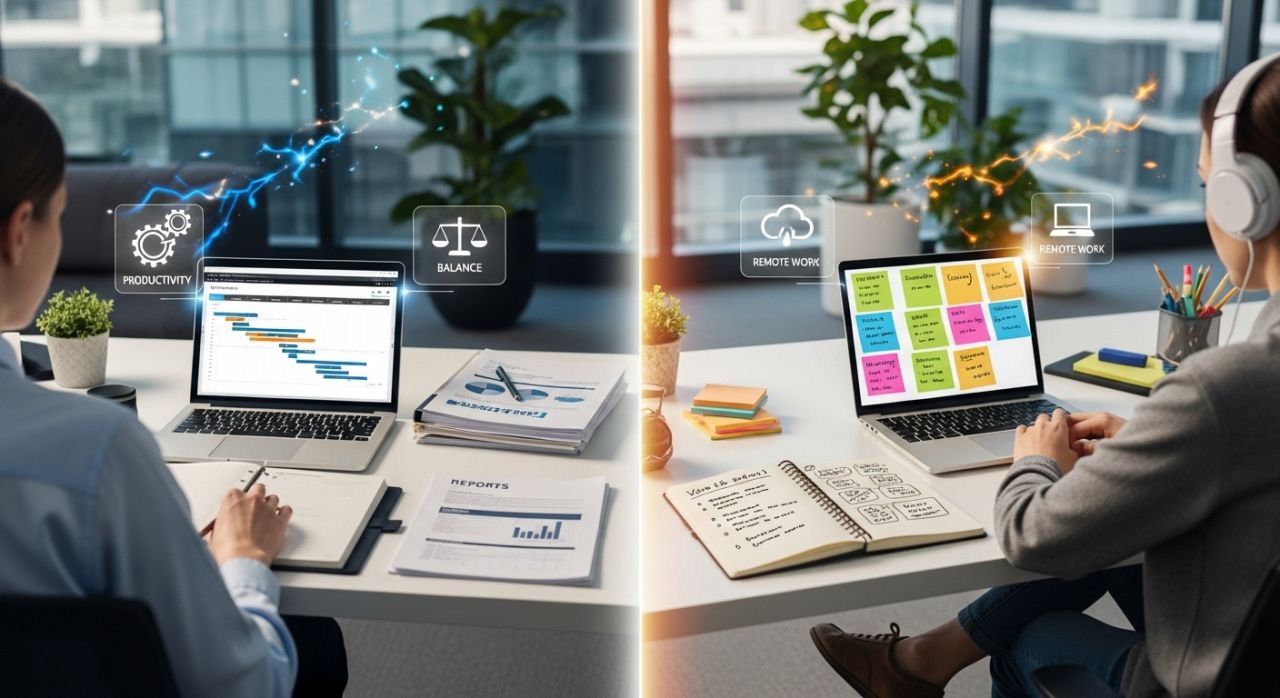
When people compare Millennials vs Gen Z, the way they work often stands out first. Work style shows how people handle tasks, measure productivity, and stay motivated. Because both generations grew up in different worlds, their approach to work and performance looks very different.
Millennials often connect productivity with effort and time. They believe strong results come from focus, long hours, and steady commitment. Gen Z views productivity differently. They care about results, not hours. If a task is done well and on time, they see no reason to stay longer. These generational differences at work shape how teams function every day.
Views on hustle culture also divide the two groups. Many Millennials grew up hearing that hustle leads to success. They often accept overtime and busy schedules as normal. Gen Z questions this idea. They believe too much hustle causes stress and lowers creativity. Because of that, they value boundaries, flexible hours, and remote work that supports mental health.
Millennials’ Work Ethic and Loyalty to Employers
The Millennials’ work ethic is built on loyalty and trust. Millennials often stay with one company for a long time. They like clear rules, job titles, and steady growth. Many believe dedication will lead to promotions and security.
At work, Millennials show commitment by helping teammates and meeting deadlines. They respect managers and value feedback. Their loyalty grows when companies invest in their careers and recognize their effort.
Gen Z Work Style Focused on Balance and Meaning
The Gen Z work style centers on balance and purpose. Gen Z wants work to fit into life, not take it over. They protect personal time and speak openly about mental health. This Gen Z mindset values rest as a way to stay productive.
Gen Z also looks for meaning in every task. They ask how their work helps people or creates change. When a job feels empty, they search for better options. For them, success means doing meaningful work while staying healthy, happy, and focused.
Understanding these differences in Millennials vs Gen Z helps teams communicate better, reduce conflict, and create workplaces where everyone can do their best work.
Millennials vs Gen Z Career Expectations and Success Definitions
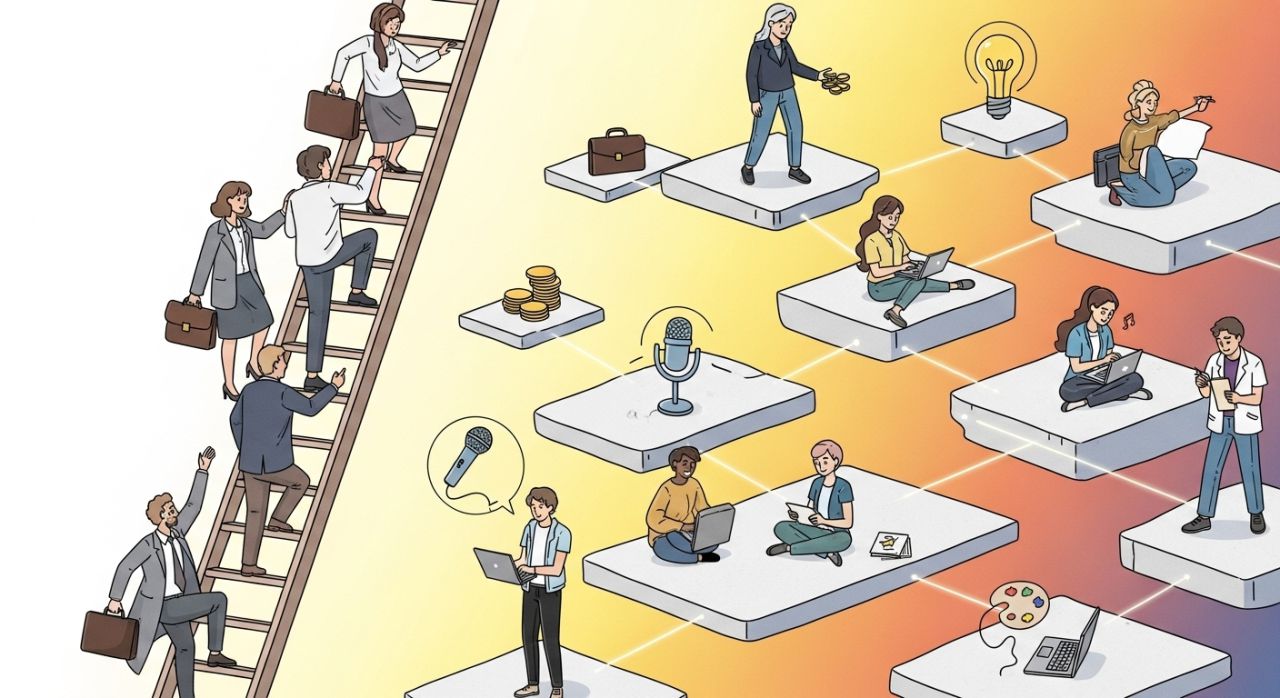
When we talk about Millennials vs Gen Z, one big difference is how each generation sees success. Success is not just money or a job title. It is what makes people feel proud, happy, and accomplished. Millennials and Gen Z define it in very different ways because they grew up with different challenges and opportunities.
For many Millennials, success means climbing the ladder at work. They want promotions, steady growth, and recognition for their effort. They see career progress as a step-by-step journey. This mindset makes them loyal to companies. They value rules, training, and clear goals that guide them toward long-term achievements.
Gen Z looks at success differently. They care about freedom, flexibility, and purpose. They often combine multiple jobs, side hustles, or freelance work to earn money and explore passions. For them, a career is not just a single ladder. It is a mix of opportunities that provide income, experience, and personal satisfaction. They value career pivots and enjoy experimenting with new paths without fear of starting over.
Millennials Career Mindset — Climbing the Ladder
The Millennials’ career mindset focuses on steady growth. They like structured plans, promotions, and long-term security. Millennials believe patience and persistence lead to big rewards. At work, they follow processes and respect leadership. They aim to move up gradually and take pride in reaching milestones one step at a time.
Gen Z Career Goals — Building Freedom and Multiple Income Streams
The Gen Z career mindset is all about flexibility and independence. They often combine full-time jobs with side hustles or freelance projects. Gen Z wants choices, control over their schedules, and work that feels meaningful. They define success as earning money while keeping life balanced, learning new skills, and exploring creative opportunities.
By understanding these differences in Millennials vs Gen Z, employers, mentors, and teams can create careers that meet everyone’s goals. Recognizing how each generation sees success helps build better workplaces, encourages collaboration, and makes work more rewarding for everyone.
Millennials vs Gen Z Communication Style at Work
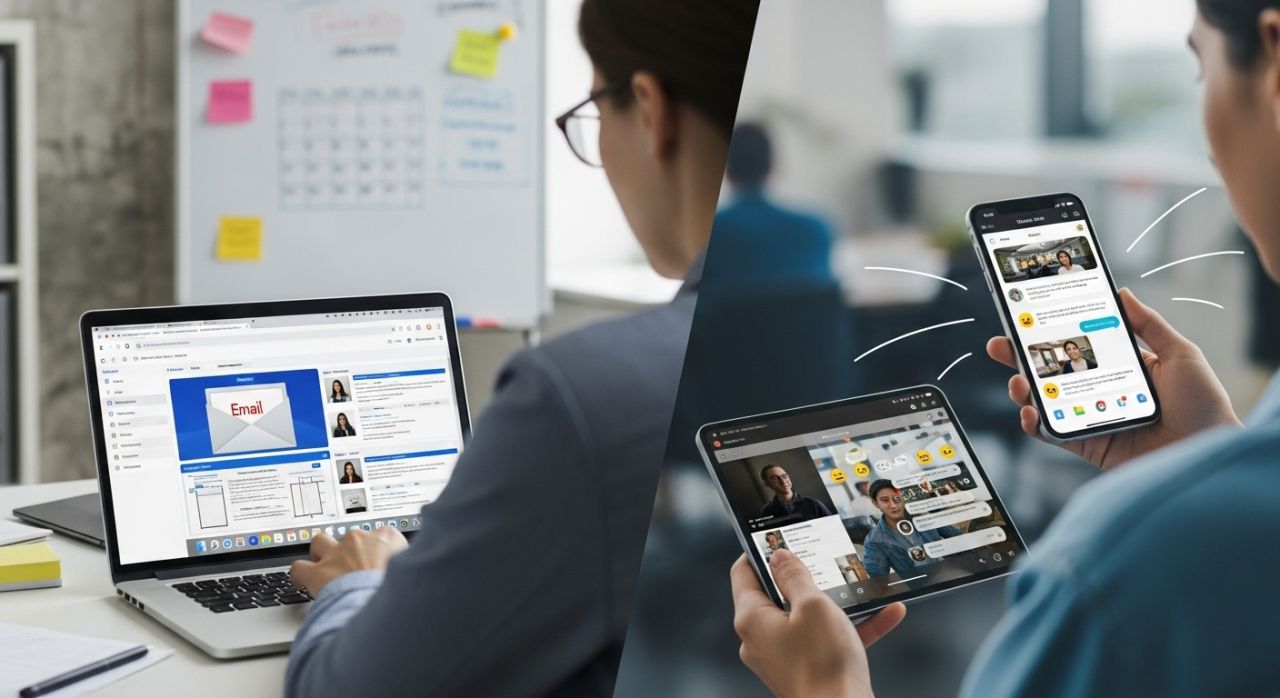
When we talk about Millennials vs Gen Z, communication is one of the biggest differences. How people share ideas, ask questions, and work together can change teamwork and leadership. Each generation grew up in a different world, so they have different habits and preferences.
Millennials prefer structured and collaborative communication, often using emails, scheduled meetings, and clear instructions. They take time to think before replying and value teamwork, believing that long discussions help solve problems and build trust. Because of this, their communication style fits well in organized workplaces where planning and process matter.
Gen Z communicates in a faster, simpler way, growing up with smartphones, chat apps, and video messages. They prefer quick answers, visuals, and short updates, often using chat, instant messaging, or async tools instead of long meetings or emails. This direct and flexible communication style helps teams move faster and adapt to change easily.
Millennials’ Communication Style — Collaborative and Structured
Millennials focus on teamwork and structure, believing that group discussions lead to better solutions. They often plan meetings and use email to record ideas, taking time to explain things clearly to ensure everyone understands. This approach helps build strong relationships at work and ensures tasks are done correctly.
Gen Z Communication Style — Fast, Visual, and Direct
Gen Z prefers speed and clarity, using short messages, emojis, and videos to explain ideas quickly. They value visual communication for its simplicity and often rely on asynchronous updates, allowing team members to respond on their own time. This style keeps teams productive, flexible, and creative.
By understanding Millennials vs Gen Z communication styles, workplaces can improve teamwork and leadership. Combining structured collaboration with fast, direct updates creates a stronger, smarter, and more balanced team where everyone can succeed.
Millennials vs Gen Z Values — Security vs Flexibility

When we talk about Millennials vs Gen Z, their values are one of the most important differences. Values are the ideas and beliefs that guide how people make decisions at work and in life. Each generation grew up in a different world, so what matters most to them is not always the same.
Millennials often value security, stability, and steady growth. They saw the world recover after economic crises and believed that careful planning and loyalty led to success. They care about mental health, inclusivity, and doing work they can be proud of. Millennials also value authenticity and transparency at work. They want clear rules, honest feedback, and a safe environment where they can grow.
Gen Z, on the other hand, grew up with financial anxiety and fast-changing opportunities. This shaped their values to focus on flexibility, freedom, and meaning. Gen Z wants work that fits their life, not work that takes over their life. Mental health is a top priority, and they expect workplaces to support it. They also care deeply about inclusivity, authenticity, and transparency, but they want action, not just words.
Millennials’ Values Shaped by Economic Recovery
Millennials learned to value security because they experienced uncertainty early in life. They trust careful planning, long-term careers, and loyalty to employers. They focus on growth and stability while making decisions. At work, this mindset encourages teamwork, responsibility, and steady results.
Gen Z Values Shaped by Financial Anxiety and Uncertainty
Gen Z grew up seeing rapid change, global stress, and economic challenges. This shaped their desire for flexibility and adaptability. They value multiple income streams, short-term learning, and jobs with purpose. At work, they prioritize mental health, fair treatment, and open communication. Gen Z also pushes for real inclusivity and transparent leadership.
Understanding Millennials vs Gen Z values helps teams work better together. When companies balance security and flexibility, honor mental health, and foster inclusivity, everyone can thrive. Combining these generational strengths creates a happier, smarter, and more productive workplace.
Millennials vs Gen Z Leadership Expectations

When we talk about Millennials vs Gen Z, one big difference is what they expect from leaders at work. Leadership expectations are about what people need from their managers to feel supported, motivated, and able to do their best. Each generation has its own ideas about feedback, trust, growth, and emotional intelligence.
Millennials value mentorship, guidance, and recognition. They want managers to teach them, give clear instructions, and notice their hard work. Millennials believe that trust grows when leaders show experience and support. They also like feedback that helps them improve and grow in their careers. These Millennials’ leadership expectations make them loyal and focused employees.
Gen Z, however, looks for empathy, autonomy, and honesty. They want leaders who understand their challenges, respect their boundaries, and listen to their ideas. Gen Z thrives when they can make decisions on their own while still having a supportive manager nearby. They also want open communication, transparency, and emotional intelligence from leaders. This Gen Z leadership mindset encourages independence, creativity, and fast problem-solving.
Millennials’ Leadership Expectations — Mentorship and Recognition
Millennials see mentorship as a key part of success. They value managers who guide them, explain processes, and provide growth opportunities. Recognition is important too—simple praise or acknowledgment of effort motivates them to keep working hard. Millennials respect leaders who combine experience with patience and clear direction.
Gen Z Leadership Expectations — Empathy and Autonomy
Gen Z prefers leaders who show empathy and understand their needs. They like autonomy, meaning they can work without constant supervision. They value managers who communicate openly, listen carefully, and support mental health. Gen Z also expects leaders to encourage innovation and give space for creativity.
By understanding these differences in Millennials vs Gen Z, workplaces can create leadership styles that work for both generations. Combining mentorship with empathy, recognition with autonomy, and guidance with trust helps teams stay motivated, productive, and happy. This balance strengthens collaboration and builds stronger, smarter organizations.
Millennials vs Gen Z in the Workplace — Where Conflict and Growth Collide

When we talk about Millennials vs Gen Z, the workplace can sometimes feel tricky. Both generations have different ways of working, communicating, and thinking. These differences can cause misunderstandings.
For example, Millennials might see Gen Z as too impatient, while Gen Z might find Millennials too slow or rigid. These common generational misunderstandings can lead to small conflicts, but they also create chances to learn and grow.
Companies that understand these differences can bridge the generational gap. Leaders can offer clear communication, flexible schedules, and mentorship programs. Teams can mix structured guidance with freedom and creativity, so both generations feel supported. Training about generational values, work styles, and communication preferences helps coworkers appreciate each other.
When workplaces embrace diversity, generational teams often outperform single-generation groups. Millennials bring stability, experience, and loyalty. Gen Z brings speed, adaptability, and new ideas. Together, they solve problems faster, share knowledge, and innovate in ways one generation alone cannot.
Understanding Millennials vs Gen Z is not about choosing who is right. It is about learning from each other. When companies encourage collaboration, respect differences, and combine the strengths of both generations, they create happier, smarter, and stronger teams. This makes the workplace more productive, creative, and ready for the future.
Is Gen Z Really “Replacing” Millennials — Or Redefining the Rules?

When people talk about Millennials vs Gen Z, some worry that Gen Z is “replacing” Millennials at work. This is a common myth. In reality, Gen Z is not taking over—they are reshaping the rules. Both generations bring unique strengths, and together they create stronger teams.
Many fears come from misunderstanding. Millennials have experience, loyalty, and long-term thinking. Gen Z brings speed, adaptability, and fresh ideas. Instead of erasing Millennials, Gen Z adds new ways to solve problems. They challenge old habits and encourage creativity, which helps workplaces grow faster and smarter.
The future of work will not belong to one generation alone. It will be a blended model, where Millennials and Gen Z collaborate, share knowledge, and learn from each other. For example, Millennials can mentor and guide, while Gen Z can introduce new technologies and innovative approaches. This combination creates a balanced, productive, and dynamic workplace.
Understanding Millennials vs Gen Z helps reduce fear and builds respect between teams. Companies that embrace both generations see higher performance, better teamwork, and happier employees. Rather than competing, the two generations complement each other.
When we see Gen Z not as a replacement but as a partner, workplaces can evolve. Collaboration, adaptation, and mutual learning become the foundation of success. This blended approach ensures that everyone—Millennials and Gen Z alike—can thrive while shaping the future of work together.
Final Thoughts: Learning From Each Other Makes Us Stronger
The story of Millennials vs Gen Z is not about winners or losers. It is about differences. Millennials and Gen Z think in unique ways. They grew up in different times. Because of that, their mindset, work style, and values are not the same. Millennials often look for stability and growth. Gen Z often looks for balance and purpose. Neither approach is better. They are simply different.
When we understand these generational differences at work, something powerful happens. Teams work better. Leaders listen more. Stress goes down. Ideas grow faster. A workplace that understands Millennials vs Gen Z can build trust, improve communication style, and support healthy career goals for everyone.
But understanding alone is not enough. We also need adaptation, empathy, and collaboration. That means learning to listen. It means respecting feelings. It means working together, even when opinions differ. When Millennials and Gen Z meet in the middle, they create smarter solutions and stronger work cultures.
Now it’s your turn. What generation are you from? And what has your experience been like at work or school? Share your story in the comments. Your voice matters, and others can learn from it.
Also, if this post helped you, share it with your manager, HR team, or coworkers. It could spark an important conversation. Finally, explore our related posts on Gen Z mindset, workplace trends, and career evolution to learn even more.
Understanding Millennials vs Gen Z is not just useful. It is essential. And when we learn together, we grow together.