Why the Gen Z Stare Feels So Unsettling and What It Secretly Reveals
Discover what the Gen Z stare really means and why it surprises older generations


You are in a classroom. You tell a joke. Everyone laughs… except one teen. They look at you with a blank face. No smile. No words. Just quiet eye contact. That moment feels strange, right? That is what many people call the Gen Z stare. It happens at work, at family dinners, and even at social gatherings. And yes, it can feel awkward.
So, what is the Gen Z stare? In simple words, it is a silent reaction. A young person looks at you without showing clear emotion. No big smile. No loud reply. Just a calm face. This small act is part of modern Gen Z behavior and their unique communication style.
But here’s the big question. Why is the Gen Z stare unsettling? Many older people expect quick answers, strong eye contact, and clear facial expressions. When they see a quiet pause instead, it feels confusing. Some think it is rude. Others think it shows bold Gen Z confidence. So, is the Gen Z stare rude or misunderstood? The truth is more interesting.
In fact, this silent look connects to Gen Z psychology, body language, and even social media culture. It may show boundaries. It may show humor. Or it may simply show comfort in silence.


In this article, you will learn what the Gen Z stare really means. You will discover why it feels powerful. Most importantly, you will gain clear insight into modern youth and their changing nonverbal cues. Let’s explore what this quiet look secretly reveals.
What Is the Gen Z Stare and Why Is Everyone Talking About It?
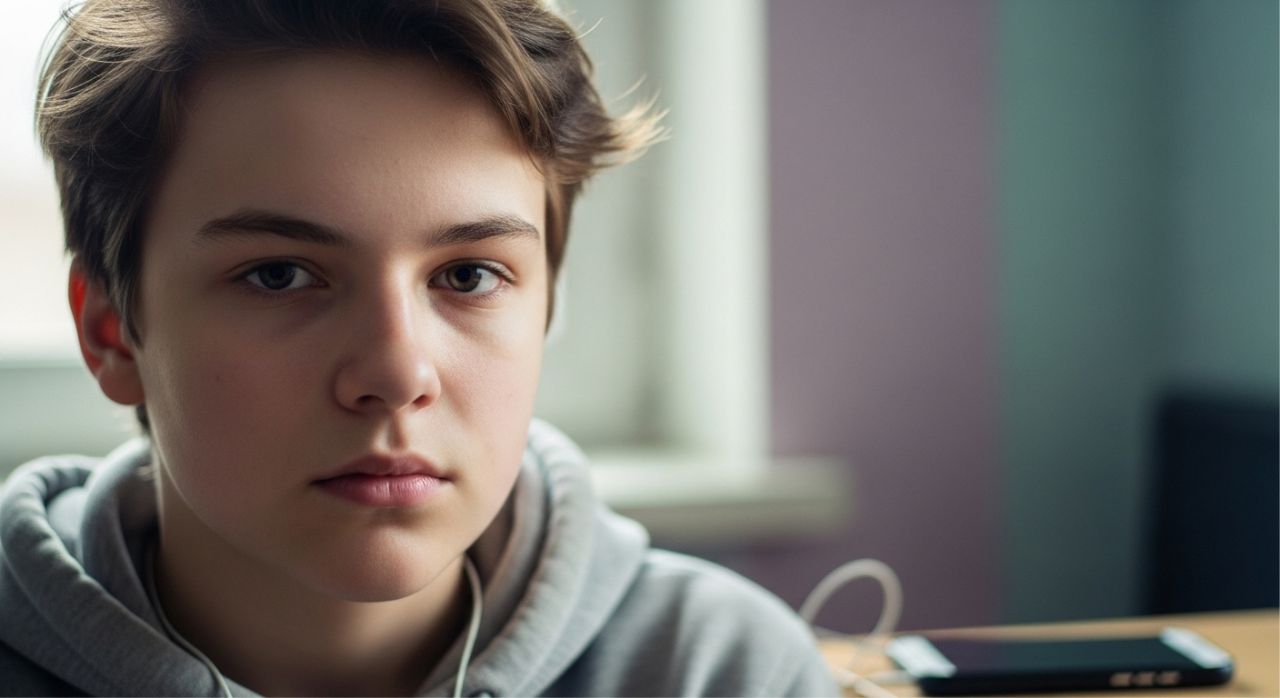
Have you ever said something and a teen just looked at you… quietly? No smile. No words. Just a calm face. That look is called the Gen Z stare. It is a new social trend. And now, everyone is talking about it.
The Gen Z stare is a silent reaction. A young person gives steady eye contact with little facial expression. They may not laugh. They may not answer right away. Instead, they pause. This small moment feels powerful. It is part of modern Gen Z behavior and their unique communication style.
But why is this simple look such a big deal? The answer is social media. Gen Z grew up online. They love short, funny videos. They enjoy dry humor. So, their quiet reactions became part of internet culture. Soon, people started sharing clips of the Gen Z stare everywhere.
Older generations suddenly noticed it. Why? Because it feels different. In the past, people showed clear body language. They smiled widely. They reacted fast. Now, silence speaks louder. That change feels surprising. So, parents, teachers, and managers began asking, “What is happening?”
Let’s explore how this trend grew so fast.
The Viral Rise of the Gen Z Stare Trend
The Gen Z stare became viral through Gen Z social media culture. Short-form video platforms helped a lot. Quick clips showed teens giving blank looks in funny or awkward moments. Viewers laughed. They shared. And the trend spread quickly.
Because these videos are short and easy to watch, millions of people saw them. The simple stare became a meme. Soon, it was everywhere. That is how modern trends grow fast. Social media amplifies small actions into big conversations.
Gen Z Stare Explained in Simple Terms
So, what is the Gen Z stare in simple words? It is a quiet look that shows calm nonverbal cues. It may mean confusion and sarcasm. Or it may show quiet Gen Z confidence.
Importantly, it is not always rude. It reflects Gen Z psychology and changing emotional expression. Gen Z feels comfortable with silence. They do not always rush to fill space with words.
In the end, the Gen Z stare is more than just a look. It is a symbol of shifting communication. And that is why everyone is talking about it.
Why the Gen Z Stare Feels So Unsettling to Older Generations
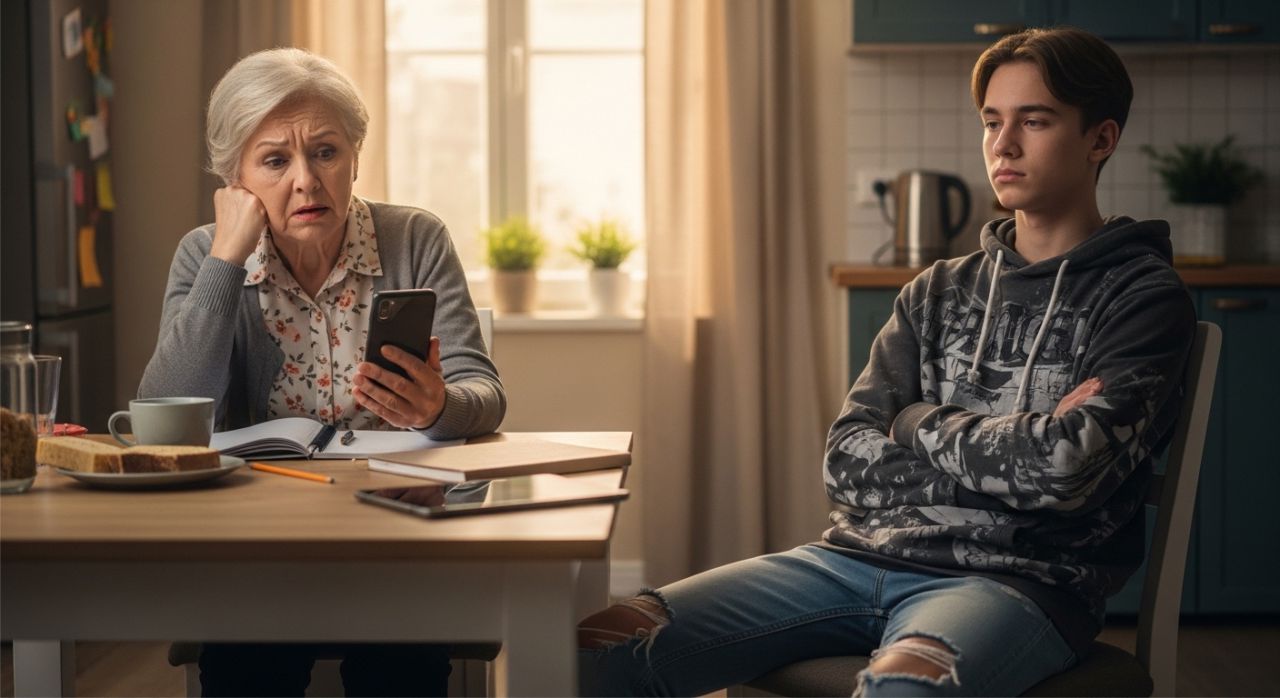
The Gen Z stare may look small. But it feels big. Many older adults feel confused when they see it. Why? Because it is different from what they learned about eye contact and polite behavior.
In the past, people were taught clear rules. Smile when someone talks. Nod your head. Answer quickly. Show big facial expressions. These were signs of respect. Strong eye contact meant you were listening. Quick words meant you cared.
However, the Gen Z stare breaks these old patterns. Gen Z often stays calm. They keep a straight face. They pause before speaking. Their body language feels quiet. This new Gen Z communication style can feel strange to Millennials and Gen X.
So, the silence creates discomfort. When someone does not react fast, older generations may think, “Are they upset? Are they bored? Are they being rude?” But many times, the teen is just thinking or joking subtly, or setting a boundary. The quiet reaction is not always negative. It is simply different.
Gen Z Stare vs Millennial Reactions
Millennials often show clear emotions. They laugh loudly. They say “wow” or “oh no” quickly. Gen X may nod and respond right away. Their nonverbal cues are easy to read.
In contrast, the Gen Z stare is more still. It uses fewer words. It shows calm Gen Z confidence. Instead of reacting fast, Gen Z may hold eye contact and wait. This difference creates a gap. One group expects energy. The other shows calm silence.
Because of this, misunderstandings happen. One person sees disrespect. The other feels normal.
Cultural Expectations Around Eye Contact
Culture also plays a big role. Many societies teach that strong eye contact shows honesty. Smiling shows kindness. Fast replies show interest.
But Gen Z grew up with screens. They text more. They watch short videos. Their Gen Z behavior developed in digital spaces. As a result, their emotional expression feels softer and more controlled.
The Gen Z stare challenges old rules about eye contact. It shows that communication is changing. And change can feel unsettling.
Still, instead of judging, we can learn. When we understand new styles, we build better conversations. After all, every generation speaks in its own way.
The Psychology Behind the Gen Z Stare
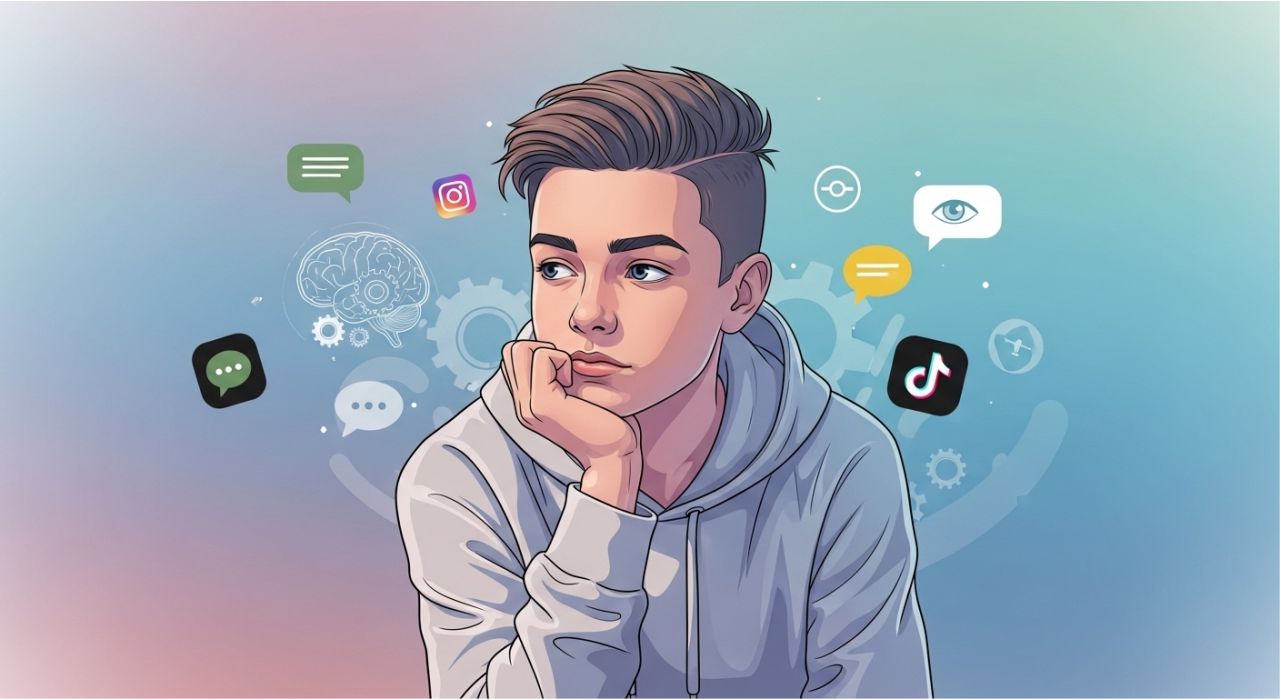
The Gen Z stare is more than just a blank face. It reflects how young people think, feel, and communicate today. Understanding it requires looking at Gen Z psychology and their emotional expression. Unlike older generations, Gen Z often shows feelings in subtle ways. They may not always smile or react loudly, but that does not mean they are uninterested.
Sometimes, the Gen Z stare comes from confidence. Other times, it shows detachment or even irony. Some teens use it to stay calm in tricky situations. Others may feel shy or anxious. Social media also plays a big role. Gen Z grew up with screens, texting, and short videos. They spend less time in face-to-face interactions than previous generations. This digital upbringing affects their body language and nonverbal cues, making quiet reactions normal for them.
In fact, the Gen Z stare often blends humor, thoughtfulness, and subtle self-expression. A teen might stare silently while thinking or waiting for a perfect moment to respond. Sometimes, it communicates sarcasm or a joke that only certain friends understand. This makes it tricky for older generations to interpret.
Gen Z Body Language and Nonverbal Cues
Gen Z uses more than words to express themselves. Eye contact, facial expressions, and posture send messages, too. The Gen Z stare can show attentiveness without words. It can signal curiosity, reflection, or simply comfort in silence. These nonverbal cues have become a signature part of Gen Z’s communication style.
Is the Gen Z Stare Rude or a Sign of Confidence?
Many adults misread it. They may think it is rude or disrespectful. In reality, it is often a sign of confidence. Gen Z is comfortable expressing emotions in new ways. Their calm stare shows they do not need to react loudly to be understood.
Overall, the Gen Z stare reflects the mix of modern digital habits, evolving social norms, and the unique Gen Z mindset. By understanding its psychology, we can see that what feels unsettling is really just a new way of communicating.
What the Gen Z Stare Secretly Reveals About Modern Youth

The Gen Z stare may seem quiet, but it speaks volumes about how young people think and feel today. Behind that calm face, there are important shifts in the Gen Z mindset. Unlike older generations, Gen Z values personal space, emotional boundaries, and self-protection. They are careful about how much they share and when. This makes their silence feel meaningful instead of empty.
Sometimes, the Gen Z stare is a form of silent resistance. Teens might use it to show disagreement without arguing. Other times, it carries subtle humor. A blank look in the middle of a joke can be a playful way to communicate. These behaviors show how Gen Z expresses themselves differently, relying more on nonverbal cues than loud reactions.
Gen Z also changes how respect and authority work. Older adults may expect instant answers or obvious reactions. But Gen Z communicates respect through quiet attention and thoughtful observation. The Gen Z stare reflects this new balance between listening, thinking, and responding on their own terms.
Gen Z Personality Traits Reflected in Silence
Through silence, Gen Z reveals key personality traits. They are introspective, aware, and observant. Their calm expressions often show confidence, patience, and emotional intelligence. Unlike previous generations, they don’t feel pressure to fill every moment with words. This makes their body language a powerful tool for communication.
The Role of Gen Z Confidence and Authenticity
The Gen Z stare is also about authenticity. Gen Z prefers to be real rather than perform for attention. Their calm, direct look shows self-assurance. They are confident enough to pause, think, and express themselves on their own terms. It’s a quiet power that older generations may not always understand but is deeply meaningful in modern youth culture.
In short, the Gen Z stare is more than a blank face. It reveals evolving mindset, emotional boundaries, subtle humor, and a confident, authentic way of expressing themselves. By paying attention, we can see that silence is not emptiness—it is a new, powerful form of communication for Gen Z.
How Social Media Shaped the Gen Z Stare Behavior
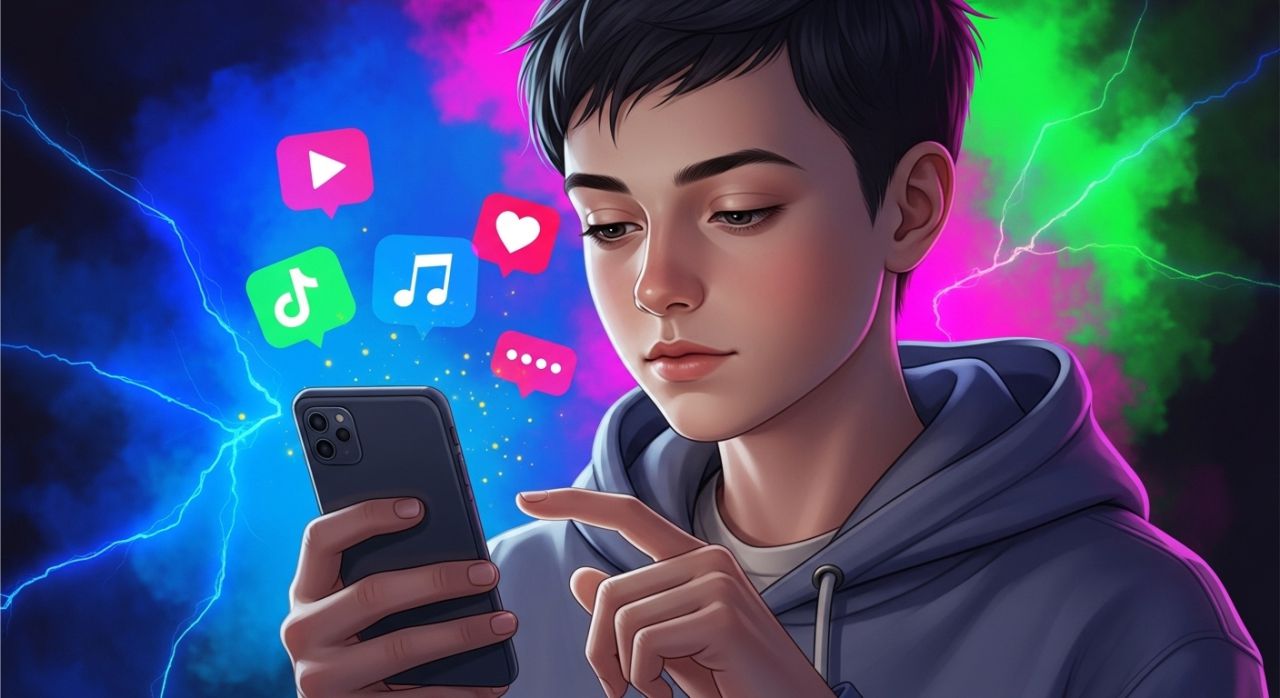
The Gen Z stare did not appear out of nowhere. Social media played a huge role in shaping this unique behavior. Platforms like TikTok, Instagram, and Snapchat let teens share short, funny clips. Over time, meme culture and irony became part of their daily communication. A quiet, blank stare could be funny, clever, or even sarcastic. This made silence a new tool for humor.
Gen Z loves short-form humor. Quick videos often show deadpan expressions—faces that do not change much but still make people laugh. The Gen Z stare fits perfectly in this style. Instead of exaggerated reactions, teens rely on subtle expressions to get their message across. This shows their growing comfort with minimal cues and clever timing.
Silence has another role too. Many Gen Z jokes and trends use pauses or blank faces to create suspense. A Gen Z stare can make a punchline land better or highlight irony in a situation. Over time, this approach became widely recognized. Older generations may find it confusing, but for Gen Z, it is natural and expressive.
Gen Z Stare on TikTok Meaning
On TikTok, the Gen Z stare often appears in videos showing awkward, ironic, or funny moments. Teens stare silently to add humor or make a point without saying a word. It can signal sarcasm, boredom, or even confidence. Millions of viewers watch, imitate, and share these clips, helping the trend grow faster every day.
The Power of Minimal Reaction Culture
The Gen Z stare is part of a larger trend: minimal reaction culture. Teens show that they don’t always need to react loudly to communicate effectively. A small gesture, a blank face, or calm eye contact can carry meaning. This quiet communication reflects the Gen Z mindset, their digital upbringing, and their ability to express humor, confidence, and awareness with very little movement.
In short, social media did more than spread the Gen Z stare—it shaped it. Through memes, short videos, and deadpan humor, Gen Z turned silence into a powerful and recognizable way to communicate. It is a modern trend that combines humor, expression, and confidence all in one simple, quiet look.
Why Older Generations Often Misunderstand the Gen Z Stare
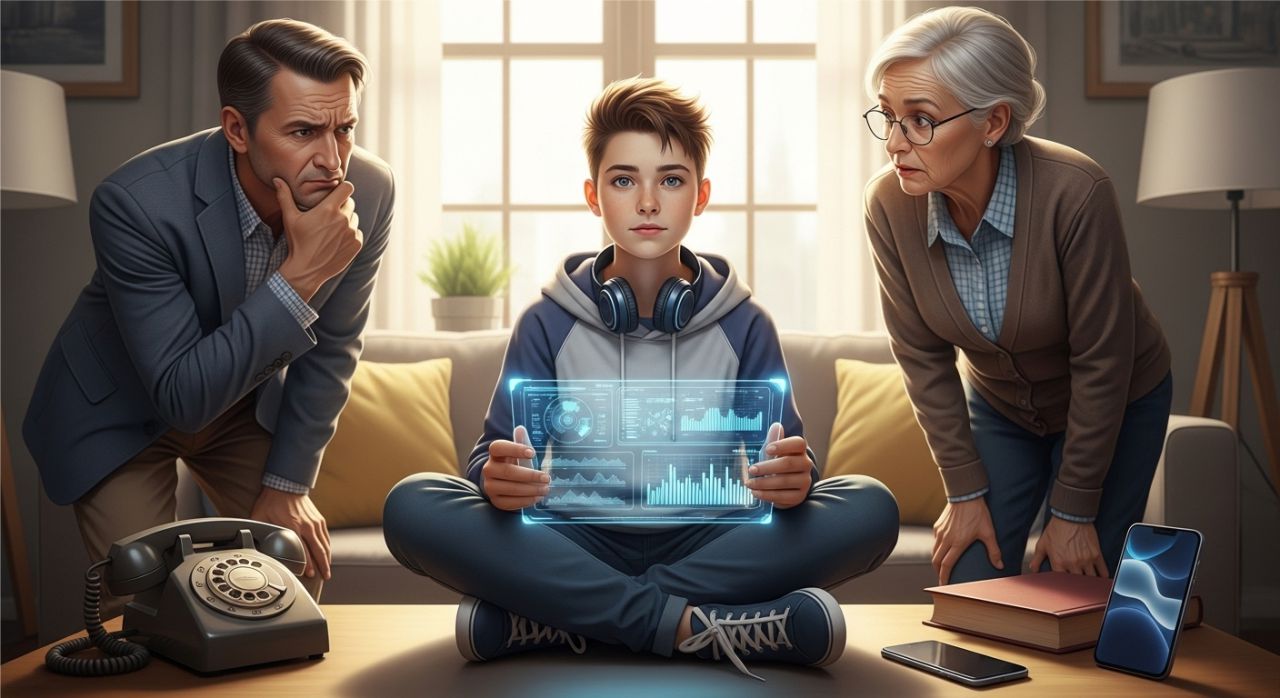
The Gen Z stare can feel puzzling to many adults. That’s because it is very different from traditional ways of communicating. Older generations grew up expecting clear reactions. Smile when someone talks. Nod to show you are listening. Speak quickly to show interest. Gen Z does not always follow these rules. This creates a generational communication gap.
Politeness also means different things across generations. Adults may see silence as rude. Teens see it as calm, thoughtful, or even humorous. The Gen Z stare is not about disrespect. It is about a new way of expressing emotions. Some Gen Z teens are more comfortable with emotional suppression, showing feelings quietly instead of loudly. Older adults, used to open emotional cues, can misinterpret this calm expression.
Workplaces are another area where confusion happens. Managers may expect energetic responses or visible excitement. When a Gen Z employee responds calmly, it can feel awkward or wrong. These misunderstandings are common. Yet, the Gen Z stare often signals focus, confidence, or careful thinking—not disinterest.
Gen Z Communication Style Differences at Work
At work, Gen Z prefers short, clear messages. They rely on email, chat, or quick updates instead of long conversations. They may pause before speaking in meetings to think carefully. This contrasts with older generations, who expect immediate verbal feedback. Their nonverbal cues are quieter, more subtle, and sometimes misunderstood.
Read in detail Gen Z in the Workplace: How to Attract, Retain, and Manage the Newest Generation
Why the Gen Z Stare Is Misread as Disrespect
Adults may see the Gen Z stare and assume rudeness. However, the stare is often a sign of attention, thoughtfulness, or even humor. Gen Z communicates with minimal reactions, using calm expressions instead of dramatic gestures. What seems cold or dismissive is actually a modern Gen Z behavior shaped by digital culture and evolving social norms.
In short, the Gen Z stare is not disrespectful. It is a reflection of shifting communication styles, different definitions of politeness, and a generation that values thoughtfulness and authenticity over loud reactions. By understanding these differences, older generations can bridge the gap and appreciate what this quiet look truly conveys.
How to Respond to the Gen Z Stare Without Overthinking It

The Gen Z stare can feel strange at first. Adults often wonder, “Are they upset? Are they bored?” The truth is, many times, the stare is neutral. It is part of Gen Z communication style and their unique way of expressing emotions. Instead of worrying, it helps to learn simple ways to respond.
First, pause and observe. Look at their body language and facial expressions. Sometimes the stare shows humor, sometimes it sets boundaries, and sometimes it is simply thoughtful silence. Understanding this helps you avoid misreading the situation.
Second, bridge generational gaps by being patient. Ask open questions. Listen carefully. Avoid assuming intentions. Gen Z prefers honest, calm, and clear communication. By matching their style, you create a more comfortable conversation.
Third, treat the Gen Z stare as an opportunity to improve understanding. Use it to practice noticing nonverbal cues like eye contact, posture, or subtle gestures. These clues tell you more than words sometimes.
Reading Gen Z Nonverbal Communication Trends
Pay attention to Gen Z body language. A blank face may mean thinking, curiosity, or quiet confidence. Minimal reactions are often part of digital upbringing and modern humor trends. Observing these cues helps you interpret stares correctly without overreacting.
Building Better Conversations with Gen Z
To connect better, match their calm pace. Give them space to respond. Respect emotional boundaries. Smile when appropriate. Show active listening. This encourages trust and smooth interaction. Over time, these small adjustments can improve cross-generational communication in workplaces, schools, and social settings.
In short, the Gen Z stare is not a challenge—it is a new form of communication. By paying attention, being patient, and understanding their cues, you can respond confidently. Remember, silence is sometimes powerful. And with the right approach, the Gen Z stare can lead to better conversations, stronger connections, and a deeper understanding of modern youth.
The Gen Z Stare Is Not a Problem — It’s a Powerful Shift
Now you know the truth about the Gen Z stare. At first, it may feel strange. It may even feel cold. However, it is not a flaw. Instead, it is a cultural shift. Times change. People change. And communication changes, too.
The Gen Z stare is about mindset. Gen Z grew up with screens, short videos, and fast messages. So their communication style feels different. They use fewer words. They show calm body language. Sometimes their quiet face is part of their humor. Other times, it shows clear boundaries. That is not disrespect. That is modern Gen Z confidence.
It is also about modern communication. Silence can speak loudly. A simple look can send a message. In today’s world, nonverbal cues matter more than ever. The Gen Z stare shows evolving Gen Z behavior and emotional expression. And yes, it also shows growing confidence.
Most importantly, choose understanding over judgment. Instead of saying, “That is rude,” ask, “What does this mean?” When we learn about different generations, we build stronger workplaces and happier families.
Now let me ask you: Have you experienced the Gen Z stare? Did it feel rude, funny, or powerful? Share your thoughts in the comments. Start the discussion. Also, share this article with colleagues, parents, or managers who want better cross-generational communication. And if you’re curious, explore more insights on Gen Z psychology and workplace communication trends.