Gen Z in the Workplace: How to Attract, Retain, and Manage the Newest Generation
Practical strategies to engage, lead, and grow the newest generation at work


Gen Z in the workplace is no longer a future trend—it is happening right now. Every year, millions of Gen Z employees are joining offices, startups, and remote teams across the world. They are young, curious, tech-smart, and full of fresh ideas. Because of this, workplaces are changing fast.
However, many companies still use old rules and outdated leadership styles. Sadly, those methods no longer work. Gen Z thinks differently. They communicate differently. And most importantly, they expect more from work than just a paycheck.
Traditional management styles often feel too strict or too slow for Gen Z. Long meetings, top-down commands, and poor communication push them away.
As a result, employers struggle to attract Gen Z, keep them engaged, and build loyalty. This generation values purpose, flexibility, and honesty. They want to feel heard. They want to grow. And they want a workplace culture that matches their values.


To succeed today, employers must truly understand Gen Z in the workplace. This means learning about their mindset, their work behavior, and their communication style. It also means creating a positive Gen Z work culture where feedback is frequent, growth is clear, and mental well-being matters. When companies ignore these needs, retention becomes a challenge.
That’s why this article matters. In this guide, you will learn how to attract Gen Z with the right employer branding, how to retain Gen Z employees through trust and growth, and how to manage Gen Z using modern leadership styles.
Step by step, we will explore simple, practical strategies to help your workplace thrive with the newest generation. Because when Gen Z thrives, businesses grow—faster and smarter.
Who Is Gen Z? Understanding the Newest Generation at Work

Gen Z in the workplace means employees born between 1997 and 2012. They are the newest group to join offices, teams, and businesses. Gen Z grew up with the internet, smartphones, and social media all around them.
Because of this, Gen Z employees are digital natives. Technology feels normal to them. They use it every day to learn, talk, and solve problems. As a result, workplaces must match their tech-first mindset to stay relevant and effective.
Gen Z is often compared to Millennials, but they are not the same. Millennials entered work during economic change and focused on teamwork and growth. Gen Z entered during global uncertainty. Because of this, they value stability, clarity, and honesty.
They want clear rules, fair treatment, and quick feedback. While Millennials enjoy collaboration, Gen Z prefers independence with guidance. This difference is important when companies try to attract, retain, and manage Gen Z successfully.
Key Gen Z Workplace Traits
The Gen Z mindset at work is strongly shaped by purpose and values. They want their work to matter. They care about fairness, diversity, and mental well-being. Money is important, but it is not everything. Gen Z wants learning, growth, and balance. When employers listen and support them, trust grows. When they don’t, motivation drops. This is why understanding Gen Z values in the workplace is so important.
Another major trait is Gen Z work behavior. They work fast and think clearly, and like short messages and simple instructions. They dislike long meetings and confusing rules. Instead, they prefer clear goals and the freedom to choose how they work. Because of this, old management styles often fail. Companies must adapt their leadership to support the modern Gen Z work culture.
One strong trait is a tech-first communication style. Gen Z prefers chat tools, quick emails, and short video messages. They want fast replies and clear updates. This helps them stay focused and confident. When companies use the right tools, Gen Z employees perform better and feel more connected.
Another key trait is the desire for purpose, flexibility, and transparency. Gen Z wants to know why their work matters. They value flexible schedules when possible. They also want honest leaders who share goals and challenges openly. When companies provide these things, they retain Gen Z employees more easily and build loyalty.
In the end, understanding who Gen Z is helps businesses grow. When employers respect their mindset and behavior, they can manage Gen Z better and build stronger teams. Gen Z is not difficult. They are simply different—and when supported well, they become one of the strongest forces in today’s workforce.
What Gen Z Wants from the Workplace
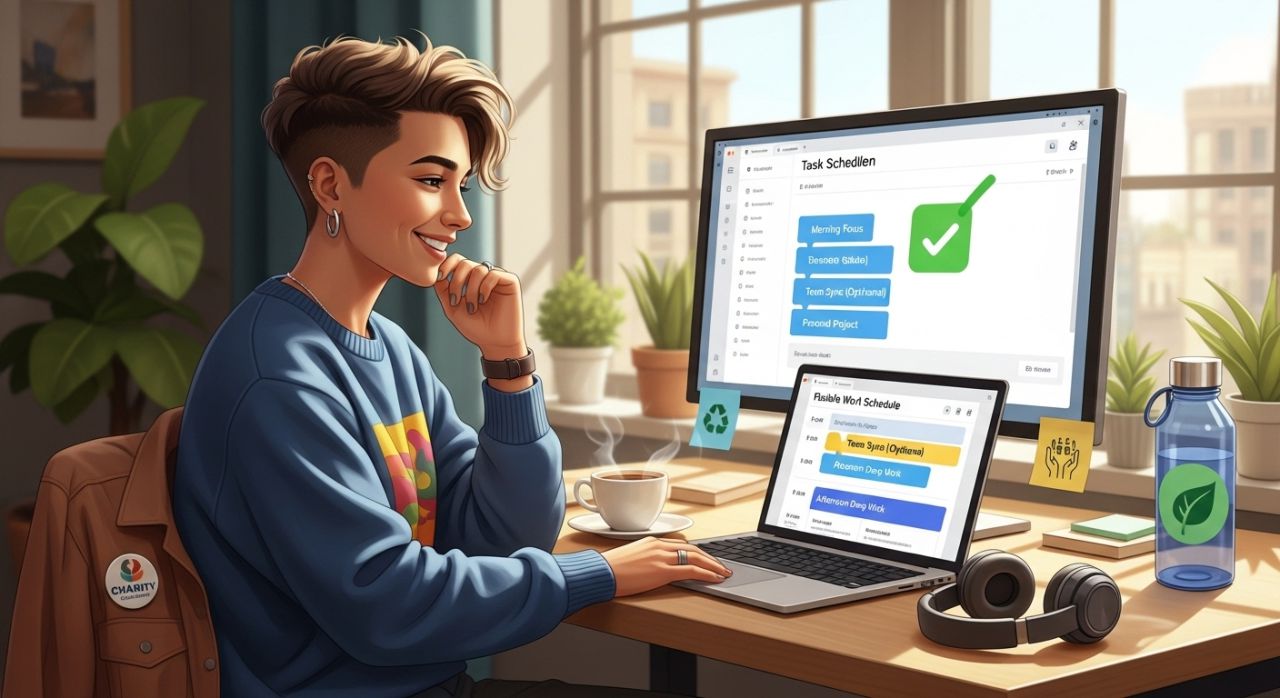
Gen Z in the workplace has clear needs and strong values. This generation does not work “just because.” They work with purpose. Gen Z workplace expectations are shaped by how they grew up in a fast, digital world.
They want fairness, honesty, and respect at work. They also want leaders who listen and care. When companies understand these needs, it becomes easier to attract Gen Z and build trust from day one.
Meaningful work matters a lot to Gen Z employees. They want to know why their job is important. They care about helping people and making a positive social impact. When work feels useful, they feel proud. Because of this, companies that stand for good values often win Gen Z loyalty.
At the same time, Gen Z prefers flexibility. They like options such as remote work or flexible hours. They also value inclusion and mental well-being. A safe and supportive workplace helps them stay happy, focused, and motivated.
Understanding these values helps employers retain Gen Z employees and reduce turnover. When Gen Z feels seen and supported, they stay longer and perform better.
Top Motivators for Gen Z Employees
One major motivator is career growth and skill development. Gen Z loves learning. They want training, new skills, and clear paths to grow. They enjoy challenges that help them improve. When companies invest in learning, Gen Z feels valued. As a result, they work harder and stay committed. This is a key part of modern Gen Z work culture.
Another strong motivator is authentic leadership and company culture. Gen Z wants real leaders, not fake ones. They trust leaders who are honest, kind, and open. They also want a workplace culture that matches its words with actions. When leaders show care and fairness, Gen Z responds with loyalty. This makes it easier to manage Gen Z and build strong teams.
In short, Gen Z wants more than a job. They want meaning, growth, and care. When employers meet these needs, they unlock energy, creativity, and long-term success in the modern workplace.
How to Attract Gen Z in the Workplace
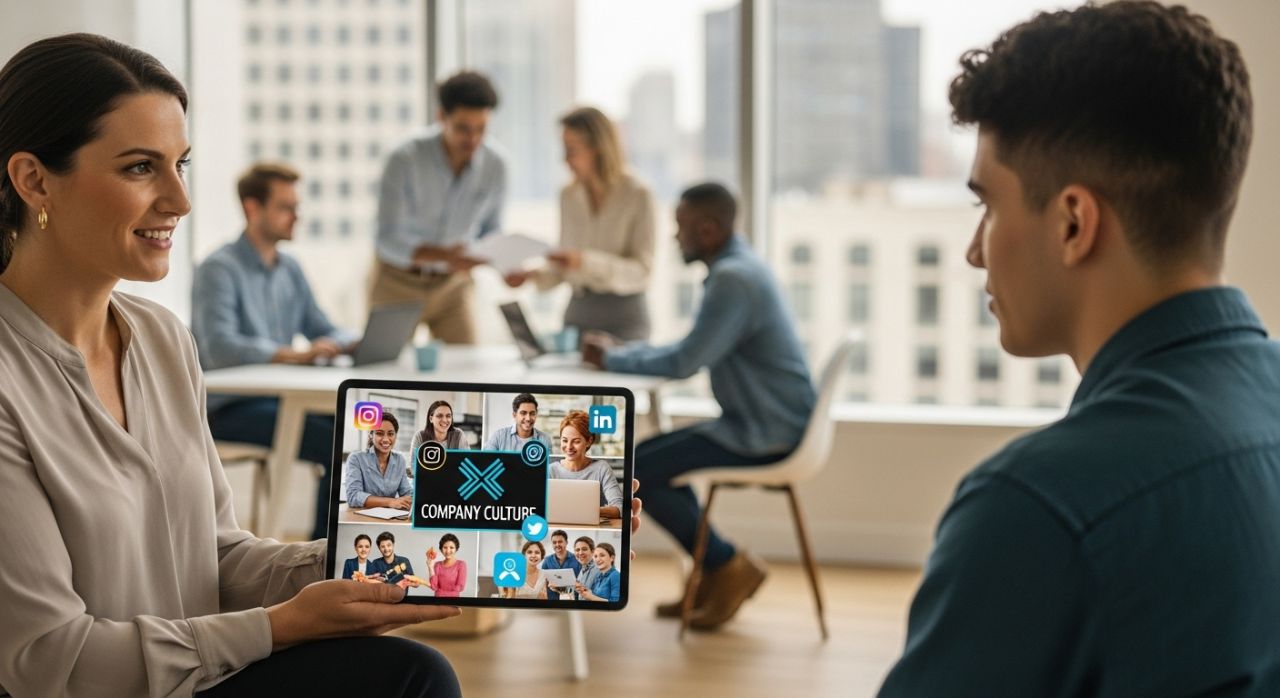
Attracting Gen Z in the workplace starts with understanding how they see companies. Gen Z looks beyond salary. They care about values, growth, and honesty.
Because they grew up online, they research employers before applying. This means employer branding matters more than ever. Companies must clearly show who they are and what they stand for. When brands feel real and kind, Gen Z talent pays attention.
Digital platforms play a big role in how companies attract Gen Z. Gen Z spends time on social media, career websites, and online communities. They like short videos, clear messages, and real voices. Because of this, businesses should share content on platforms like LinkedIn, Instagram, and career pages.
This helps build trust and visibility. Along with this, job descriptions must change. Gen Z dislikes long and boring posts. They want simple words, clear roles, and honest expectations. When job posts sound human, Gen Z feels welcomed.
Understanding these steps helps companies reach the right people and grow a strong Gen Z workforce.
Best Practices to Attract Gen Z Employees
One smart way to attract Gen Z is by highlighting purpose, flexibility, and growth. Gen Z wants work that matters. They want to help others and learn new skills. Flexible hours and remote options also attract them. When companies offer learning paths and freedom, Gen Z feels excited. This makes them more likely to apply and stay.
Another powerful method is showcasing real employee stories and values. Gen Z trusts people more than ads. They enjoy seeing real workers talk about their jobs and teams. Sharing stories builds connection and honesty. It shows what daily work looks like. This helps Gen Z imagine themselves in the role.
Also, companies should use clear and friendly language everywhere. From websites to social posts, the tone should feel open and warm. This supports a positive Gen Z work culture. When messages are honest and simple, trust grows fast.
In the end, to attract Gen Z employees, companies must be real, digital, and caring. When brands share purpose, support growth, and show real people, Gen Z listens—and applies.
How to Retain Gen Z Employees Long-Term

Retaining Gen Z in the workplace can be a challenge. This generation grew up with choice, speed, and access to endless opportunities. Because of this, they are less likely to stay in jobs that feel boring, unfair, or inflexible.
High turnover can be costly for companies, but understanding Gen Z workplace expectations makes retention easier. They value supportive, inclusive, and transparent work environments where their ideas matter and their growth is prioritized.
Creating a strong Gen Z work culture is key. Employers must build workplaces where employees feel safe, included, and heard. Open communication, respect for diversity, and trust between leaders and staff make a huge difference.
At the same time, regular feedback, recognition, and clear career paths show Gen Z that their work is meaningful. When employees feel seen and appreciated, they are more motivated to stay and contribute.
Proven Strategies to Retain Gen Z
One effective strategy is offering continuous learning opportunities. Gen Z loves to learn and improve. Training programs, mentorship, and skill-building workshops help them feel challenged and engaged. When employees can grow their abilities, they feel loyal and invested in the company.
Another essential strategy is mental health support and work-life balance. Gen Z values flexibility and personal well-being. Offering options like remote work, flexible hours, and wellness programs shows that the company cares. When leaders support mental health and balance, employees feel happier and more productive.
Additionally, recognition matters a lot. Simple gestures like public praise, meaningful rewards, or constructive feedback strengthen trust. Combined with growth and flexibility, these strategies create a workplace where Gen Z wants to stay long-term.
In short, retaining Gen Z employees requires attention, care, and modern management. Companies that prioritize inclusion, career growth, and well-being will see higher retention, stronger engagement, and a motivated workforce. By understanding what Gen Z wants, leaders can turn challenges into opportunities and build a workplace that thrives with the newest generation.
How to Manage Gen Z Employees Effectively

Managing Gen Z in the workplace requires a fresh approach. This generation grew up with technology, fast communication, and constant feedback. Traditional command-and-control styles no longer work.
Instead, modern leadership focuses on guidance, coaching, and collaboration. Leaders must understand Gen Z communication style and expectations to keep employees engaged, motivated, and productive.
One key difference is that Gen Z values autonomy and trust. They do not respond well to micromanagement. They want to know their goals and then work in their own way.
At the same time, they expect leaders to be honest, approachable, and supportive. This means shifting from strict supervision to a coaching mindset, where managers guide, mentor, and provide resources rather than just giving orders.
To succeed in managing Gen Z, leaders must also adapt to how this generation communicates. They prefer short, clear messages and fast responses. They use chat tools, emails, and quick video updates rather than long meetings. Understanding these Gen Z work behaviors helps managers reduce frustration, improve efficiency, and strengthen team trust.
Management Tips for Gen Z in the Workplace
One effective strategy is setting clear goals with autonomy. Gen Z employees perform best when they know exactly what is expected but have the freedom to choose how they achieve it. This builds confidence, creativity, and ownership. Leaders should focus on outcomes rather than micromanaging processes.
Another important tip is frequent check-ins and transparent communication. Regular updates, honest feedback, and open discussions help Gen Z feel connected and supported. They want to know how they are doing and how their work contributes to bigger goals. Transparency also builds trust, which is key to long-term engagement.
In addition, managers should provide guidance on career growth and learning opportunities. Gen Z thrives when they feel they are growing personally and professionally. Combining clear expectations, autonomy, and regular feedback creates a strong, motivated, and loyal workforce.
In short, effectively managing Gen Z employees means being flexible, supportive, and tech-savvy. By embracing modern leadership styles and understanding Gen Z values, companies can retain top talent, boost productivity, and create a workplace where the newest generation truly thrives.
Common Challenges of Managing Gen Z (and How to Solve Them)

Managing Gen Z in the workplace can be exciting, but it also comes with challenges. One common concern is the perceived lack of loyalty or patience. Because Gen Z grew up with instant access to information and opportunities, they may switch jobs faster than older generations.
However, this is often a desire for growth, not a lack of commitment. Leaders can solve this by creating clear career paths and offering learning opportunities that keep them engaged.
Another challenge is balancing flexibility with accountability. Gen Z values flexible hours and remote work, but managers worry about performance. The solution is to set clear goals with measurable results. When employees know what success looks like, they can work independently while staying accountable. This approach respects their need for freedom while maintaining productivity.
Finally, bridging generational gaps in the workplace can be tricky. Older employees may prefer traditional methods, while Gen Z uses tech and fast communication. To solve this, companies can encourage mentorship programs and cross-generational collaboration. This builds understanding, trust, and stronger teams.
In short, while managing Gen Z has challenges, they are not impossible. By offering growth, clear expectations, and open communication, leaders can turn these challenges into opportunities. With the right strategies, companies can build a motivated, loyal, and productive Gen Z workforce that drives success in today’s modern workplace.
How Gen Z Is Changing the Future of Work

Gen Z in the workplace is not just a new generation of employees—they are reshaping how work gets done. Their values, skills, and expectations are driving major workplace trends and transforming company culture. Organizations are becoming more tech-driven, flexible, and purpose-oriented to keep up with this generation.
One clear impact is the rise of purpose-driven, tech-enabled organizations. Gen Z wants work that matters. They care about social impact, sustainability, and fairness. At the same time, they are digital natives who expect seamless tools, communication, and online collaboration. Companies that combine purpose with technology attract top Gen Z talent and improve overall productivity.
Another change is how businesses prepare for a Gen Z-dominated workforce. Older management styles no longer work. Leaders must adopt modern leadership approaches, embrace flexibility, and create learning opportunities. Workplaces are now more collaborative, inclusive, and open to new ideas. Companies that adapt early gain a competitive edge by retaining talent and boosting engagement.
In short, Gen Z is driving the future of work by demanding meaningful work, innovation, and transparency. Organizations that embrace these shifts will thrive in the modern workplace.
To succeed, companies must align culture, technology, and purpose with Gen Z expectations. Doing so not only attracts and retains the newest generation but also builds a stronger, smarter, and more motivated workforce ready to meet tomorrow’s challenges.
Businesses that understand Gen Z today are shaping the workplace of tomorrow.
Final Thoughts: Building a Workplace Where Gen Z Wins
Gen Z in the workplace is not a challenge to fear. Instead, it is an opportunity to grow smarter and stronger. Throughout this guide, we explored clear ways to attract, retain, and manage Gen Z with care and confidence.
From creating a strong Gen Z work culture to using modern leadership styles, the message is simple: when you understand Gen Z, everything works better. They stay longer. They work harder. And they bring fresh ideas that help businesses grow.
More importantly, adapting to Gen Z gives companies a real competitive advantage. While others struggle with high turnover, you build loyalty. While others use old rules, you create trust. Gen Z employees value purpose, feedback, and flexibility. When leaders offer these things, they unlock motivation and innovation. As a result, teams become stronger and more connected.
Now is the time for leaders to evolve. Managers and HR teams need to adopt new ways to lead, listen, and support Gen Z employees. Even small changes can create a big impact. Begin by reviewing your current workplace culture and asking key questions:
- Does your company support growth?
- Will it prioritize mental well-being?
- Does it encourage open communication?
Implementing these steps helps retain Gen Z talent, boost engagement, and drive long-term business success.
Your turn to act. Evaluate your workplace today and begin using Gen Z-focused strategies. Share this article with your team. Leave a comment about your experience with Gen Z employees. And don’t forget to follow us on Instagram for fresh insights into Gen Z workplace trends. Together, we can build workplaces where the newest generation truly thrives.