Why Your MidJourney Prompts Fail (And the Exact Formula to Fix Them)
Stop guessing and learn the exact formula to fix failed MidJourney prompts for consistent, stunning AI images.

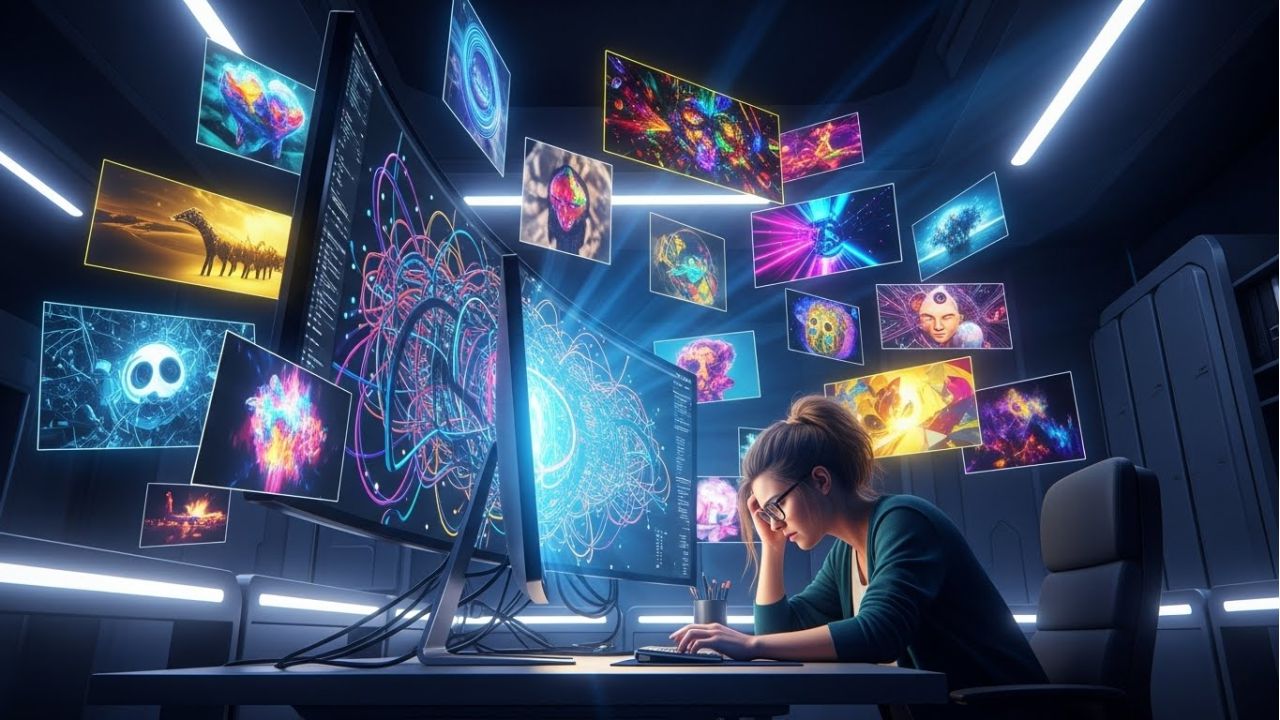
You type a prompt into MidJourney, hit enter, and wait. Instead of the image in your head, you get something strange, random, or completely off. It feels frustrating. It feels confusing. And honestly, it makes you wonder if you’re doing something wrong. Here’s the truth: most MidJourney prompts fail—and it’s not your fault. This happens to beginners and professionals alike. Many creators face the same problem when their MidJourney prompts don’t match their expectations.
The real issue is the gap between what humans think MidJourney understands and how it actually works. You write prompts as you talk to people. But MidJourney doesn’t think like a person. It reads words as visual signals. It follows patterns, not feelings. Because of this, even good ideas can turn into weak results. That’s why so many people search for why MidJourney prompts fail or how to improve MidJourney results.
This is where a clear system helps. In this post, you’ll learn a simple and powerful MidJourney prompt guide that removes guesswork. Instead of hoping for a good image, you’ll use a proven MidJourney prompt structure. Step by step, you’ll understand how MidJourney understands prompts, what details it needs, and why small changes make a big difference.
By the end of this guide, you’ll know how to write MidJourney prompts that work every time. You’ll learn how to fix MidJourney prompts, avoid common mistakes, and use a repeatable MidJourney prompt formula. Most importantly, you’ll stop guessing—and start creating images you actually love.


What Midjourney Actually Understands (Not What You Think)
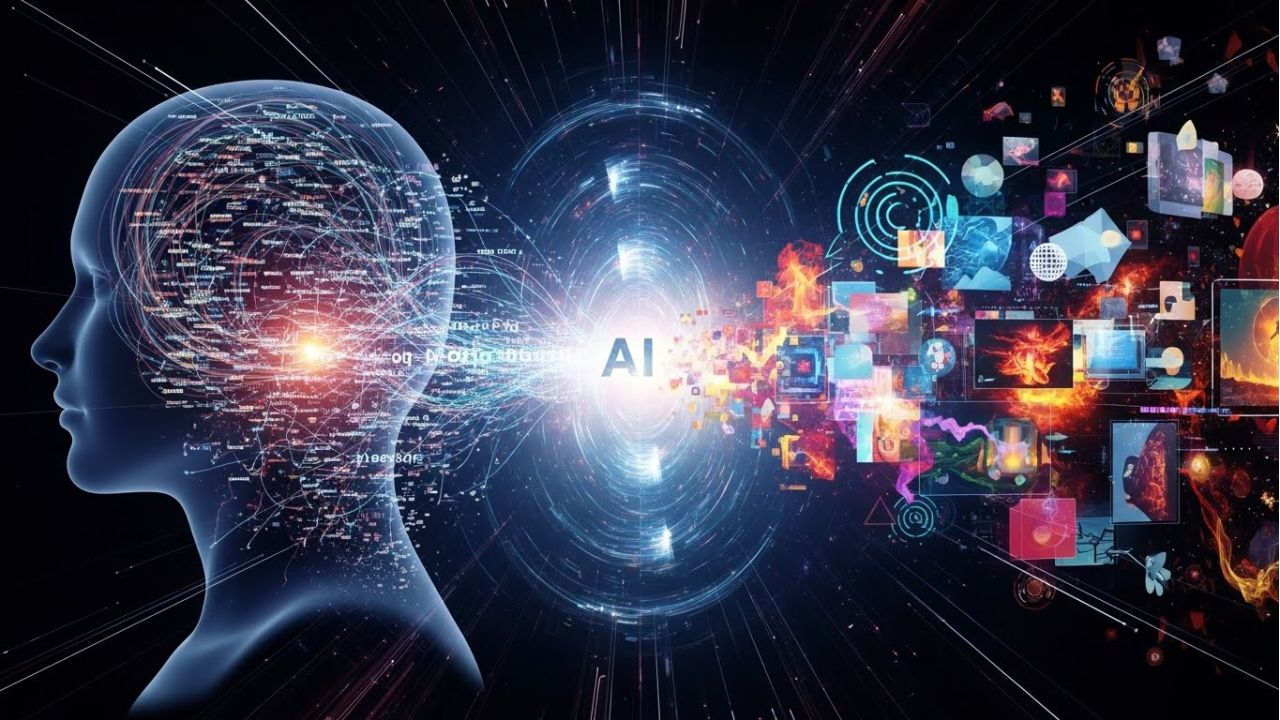
Many people think MidJourney reads prompts like a human. That idea causes most failures. In reality, how MidJourney works is very different from how people think it does. MidJourney does not understand feelings, stories, or hidden meaning. Instead, it breaks your prompt into small parts. This process is called MidJourney AI interpretation. It scans words, spots patterns, and matches them with images it has learned before.
Because of this, human intent often gets lost. You may mean something clear in your head. But MidJourney only sees text. When your prompt is vague, the result becomes vague too. Words like beautiful, cool, or epic sound strong to humans. However, they tell MidJourney almost nothing. That’s why vague prompts lead to generic images that look random or boring.
This is where visual language matters more than conversation. MidJourney responds best to clear visual clues. Think shapes, styles, lighting, camera angles, and materials. Simply adding more adjectives does not help. Adjectives alone don’t create better images. They need support. For example, saying “beautiful woman” is weak. But saying “portrait of a woman, soft studio lighting, 85mm lens, realistic skin texture” gives direction.
MidJourney also follows priority rules. It focuses on important keywords first. Early words matter more. Clear subjects matter more. Extra words at the end matter less. That’s why a structured MidJourney prompt guide works so well. When you understand how MidJourney reads prompts, you stop guessing—and start creating images that match your vision.
See Also: 120+ Best AI Prompts for Content Creators: Unlock Viral Ideas Instantly
The Most Common Reasons Midjourney Prompts Fail
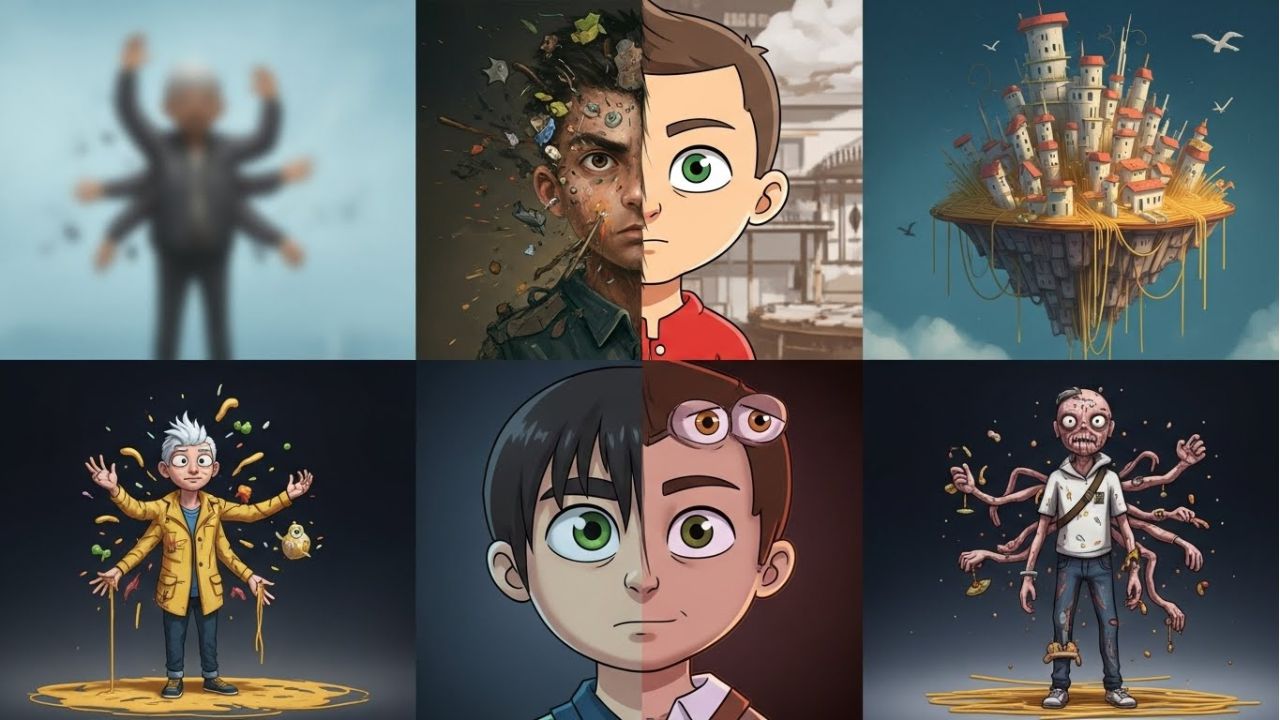
Most failed images come from simple mistakes. These common MidJourney mistakes happen to almost everyone. The good news is this: once you see them, they are easy to fix. Let’s break them down clearly and simply.
First, many prompts are too broad or too abstract—words like future, magic, or power sound exciting. However, MidJourney cannot “see” them. When your idea is unclear, the image becomes unclear too. This is one of the biggest prompt errors beginners make.
Next, some people overload their prompts. They add too many ideas at once. For example, a prompt might mix realism, cartoon style, dark mood, bright colors, and many subjects. As a result, MidJourney gets confused. Too many conflicting ideas lead to messy images.
Another big problem is missing details. Many prompts forget composition, lighting, or style. Without these, MidJourney fills the gaps on its own. That usually means average results. Clear lighting, camera angle, and art style help the AI make better choices.
Many users also rely on “inspiration words.” Words like epic, cinematic, or stunning feel powerful. But they are weak without visual cues. MidJourney needs clear image instructions, not feelings.
Copying viral prompts often fails, too. What works for one image may not work for yours. Also, longer prompts do not mean better results. The myth that “longer prompts = better images” is false. A focused MidJourney prompt guide always beats a long, messy prompt.
The Midjourney Prompt Formula That Actually Works
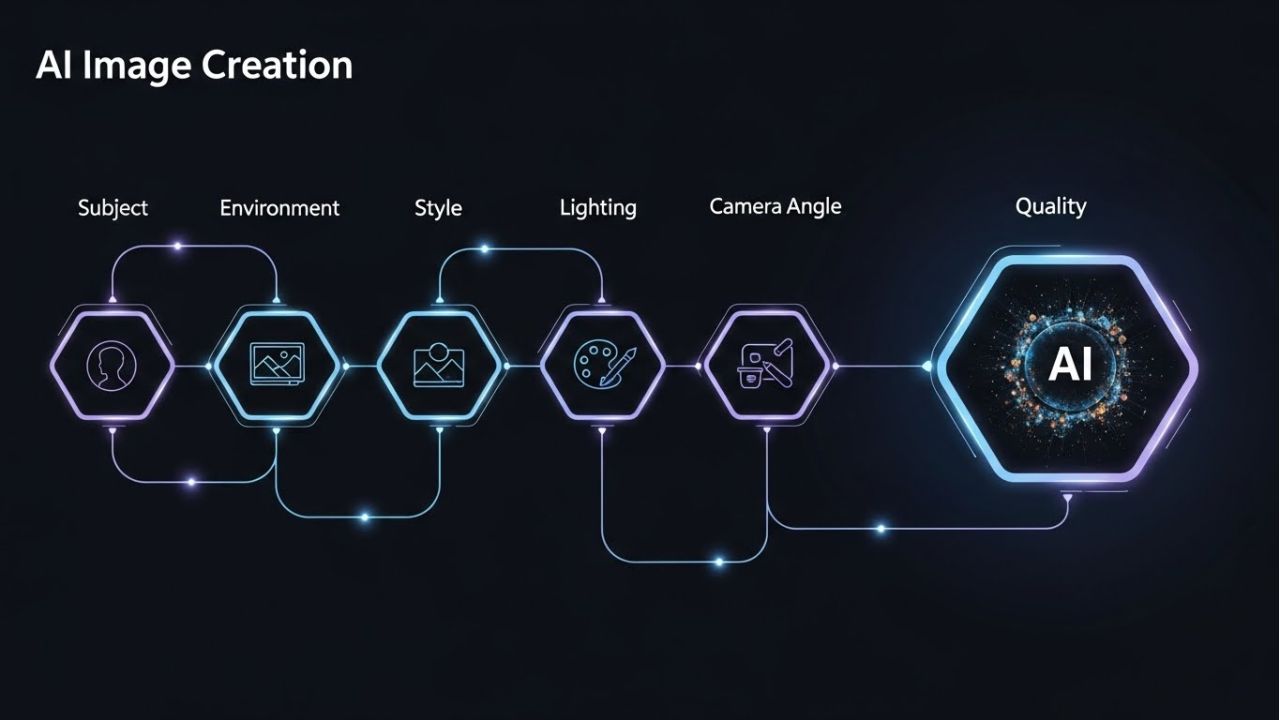
Guessing does not work with AI. That is why a clear system matters. This is where a simple MidJourney prompt guide makes all the difference. Instead of random words, you use a proven MidJourney prompt formula that speaks the AI’s language. This formula helps you get clear, repeatable, and high-quality images.
Let’s break it down step by step.
First comes the Subject. This is the main thing in your image. Always start here. Next is the Environment. This tells MidJourney where the subject is. Then comes Style & Medium. Is it a photo, painting, 3D art, or illustration? After that, add Lighting & Mood. Light shapes emotion. It changes everything. Next, include Camera or Perspective. This controls how the image is seen. Finally, add Quality & Rendering Details like realism, sharp focus, or ultra-high detail.
Order matters in MidJourney prompts. The AI reads from left to right. Early words carry more weight. This is how MidJourney prioritizes keywords. When your subject comes first, the image stays focused. When quality comes last, it refines the result.
This formula works because it matches how MidJourney understands prompts. It aligns with MidJourney’s training data, which is built on labeled images and visual patterns. When you follow this structure, you stop guessing. You guide the AI. And that’s how professionals create consistent, powerful visuals using smart MidJourney AI prompts.
Before vs After: Fixing a Failed Midjourney Prompt
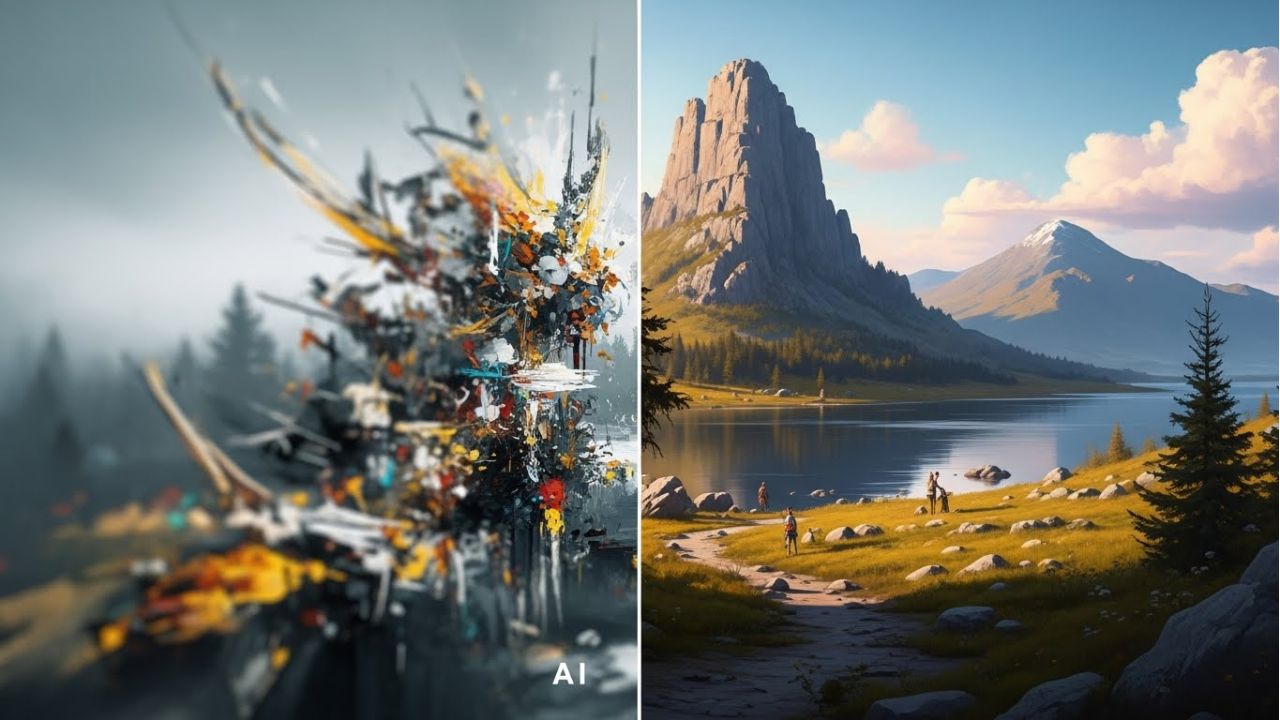
The best way to learn is to see the difference. Let’s look at a real example. This will show how small a prompt improvement can create a big change. Many people think their idea is bad. In truth, the prompt is just weak.
Before (Weak Prompt):
“A beautiful warrior in a fantasy world”
The result looks random. The style is unclear. The mood feels flat. This happens because the prompt is too vague. It lacks visual direction. This is a common issue seen in many MidJourney prompt examples.
Now let’s fix it using a clear MidJourney prompt guide.
After (Improved Prompt):
“Female warrior wearing silver armor, standing on a snowy mountain, fantasy digital art, dramatic lighting, cold blue tones, cinematic mood, sharp focus, ultra-detailed”
The difference is huge. So what changed?
First, the subject became clear. We know who the warrior is. Next, the environment gives context. The style & medium tell MidJourney how to draw it. Then, lighting & mood shape the feeling. Finally, quality details sharpen the image.
Each small change adds control. MidJourney now understands what to create. This works because the prompt follows how the AI reads text. Clear structure beats fancy words every time.
This shows an important truth. Small prompt tweaks create massive visual upgrades. You don’t need more words. You need better words in the right order. That’s how professionals turn bad images into powerful results—fast and consistently.
Advanced Prompt Tweaks Most Users Ignore
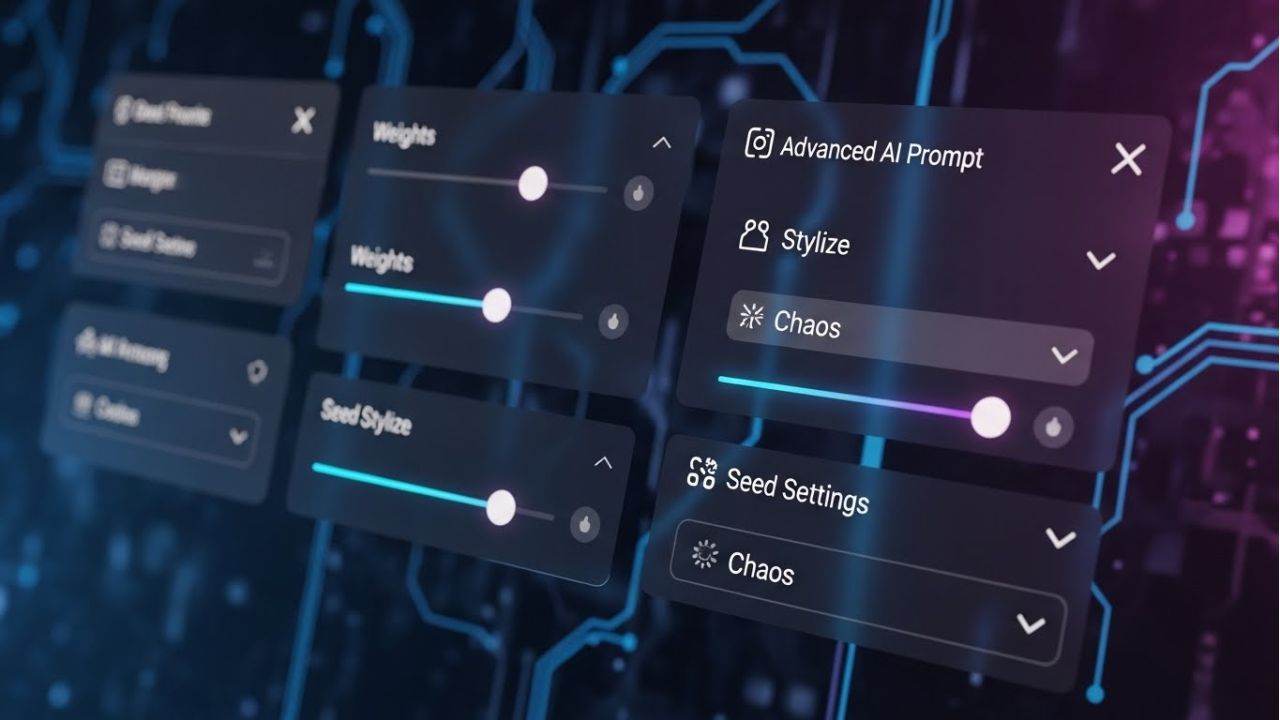
Once you master the basics, small tweaks can take your results to the next level. These advanced MidJourney prompts help you control images like a pro. Many users ignore them and settle for average results. But with a few smart adjustments, you can create stunning visuals every time.
First, learn to use weights (::) correctly. Weights tell MidJourney which parts of your prompt matter most. For example, dragon::2, fire::1 makes the dragon twice as important as the fire. This is a simple but powerful MidJourney prompt tip that changes focus instantly.
Next, explore stylize, chaos, and seed settings. Stylize adjusts how artistic or realistic your image looks. Chaos adds variety, creating unique results. Seed locks randomness, helping you reproduce the same image again. Using these correctly gives control without guessing.
You can also manage realism versus artistic output. Want a photo-like image? Add clear details, lighting, and camera angles. Want fantasy art? Increase stylization and play with dramatic effects. These choices guide MidJourney to match your vision.
Finally, instead of starting over when a prompt fails, debug it. Check the subject, environment, style, and weights. Adjust one element at a time. This method helps you improve MidJourney prompts without wasting effort.
By mastering these tweaks, you stop relying on luck. You gain control, consistency, and precision. Combine these advanced strategies with a structured MidJourney prompt guide, and your AI images will finally match your imagination—every single time.
See Also: Bing AI Image Generator: The Ultimate Tool for Stunning Visuals in Seconds
How to Adapt This Midjourney Prompt Guide for Any Use Case
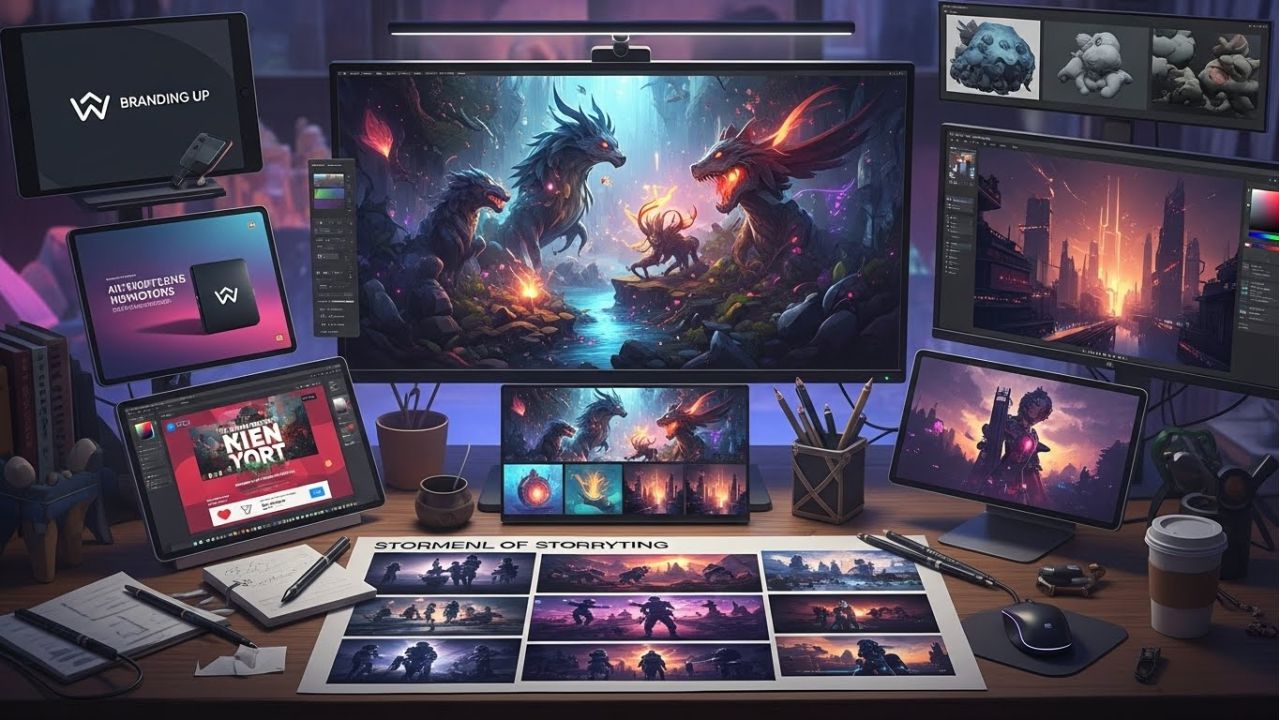
The beauty of a structured MidJourney prompt guide is that it works for everyone. Whether you are a digital artist, content creator, marketer, or storyteller, this system adapts to your needs. Understanding how to use it for different purposes unlocks your full creative potential.
For digital artists, the guide helps create detailed, professional art. You can control style, lighting, and composition. This means every character, landscape, or scene matches your vision perfectly.
For content creators, including thumbnails and social media visuals, the prompt guide ensures clarity and impact. Clear MidJourney prompts make subjects pop, attract attention, and engage viewers. You can maintain a consistent style across posts.
For branding, ads, and social visuals, the formula helps maintain consistency in colors, tone, and style. This is key for businesses and marketers who want a professional and recognizable look. Every image reflects your brand identity.
For concept art and storytelling, the guide allows you to create imaginative worlds with precise details. You can control environment, mood, and perspective, making your story come alive visually.
No matter the use case, the formula works because it focuses on the core components: subject, environment, style, lighting, perspective, and quality. Small tweaks and clear instructions can drastically improve your results.
By adapting this MidJourney prompt guide for your projects, you save time, reduce trial and error, and produce consistent, high-quality images. Whether for art, marketing, or storytelling, you now have a system that transforms ideas into stunning visuals effortlessly.
Why Consistency Matters More Than Creativity in Prompting
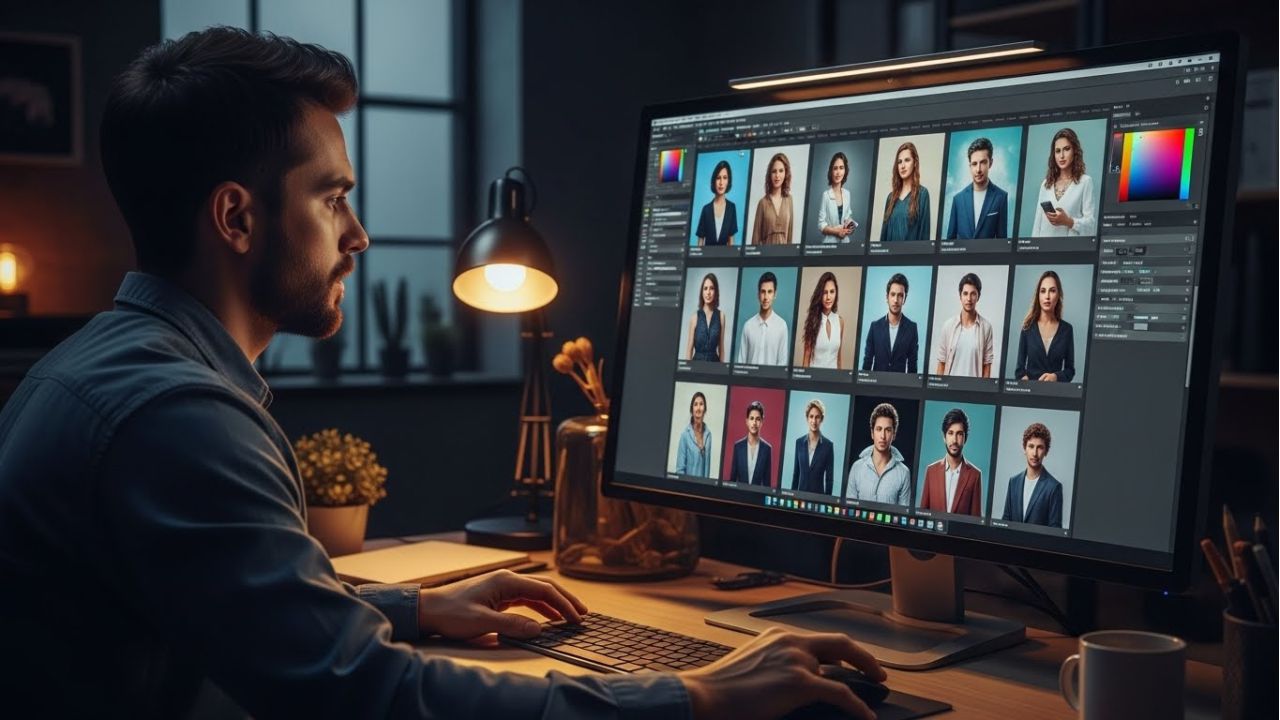
Many people think creativity alone makes a great MidJourney image. In reality, consistency matters more than creativity. Random ideas can be fun, but they rarely produce reliable results. To get consistent MidJourney results, you need a repeatable system.
A structured MidJourney prompt guide turns guessing into control. When you follow a formula, each prompt produces predictable results. This beats random experimentation every time. You know exactly what to write, and MidJourney knows exactly what to create.
Professionals don’t rely on luck. They build prompt templates. These templates are reusable structures. They control subject, environment, style, lighting, perspective, and quality. With templates, professionals create multiple images that all match their vision. They tweak only a few words when needed, saving time and avoiding mistakes.
Consistency also makes MidJourney a predictable creative tool. Instead of hoping the AI interprets your idea correctly, you guide it step by step. This way, even complex images become achievable. You maintain style across projects, whether for thumbnails, concept art, or branding.
The key takeaway is simple: focus on structure and clarity first. Creativity is still important, but it works best when combined with a solid system. Using a proven MidJourney prompt guide ensures your images look amazing, match your vision, and are easy to reproduce. In other words, consistency amplifies creativity—making every project faster, easier, and more professional.
Stop Guessing. Start Creating with Confidence
Now you know the truth. Most MidJourney prompts fail because they are unclear, unplanned, and full of guesswork. People write prompts like sentences. But MidJourney does not think like a human. It looks for structure. It looks for visual clues. Without a clear system, even great ideas turn into weak images. That’s why so many users struggle and search for ways to fix MidJourney prompts or improve MidJourney results.
The good news is simple. A clear system changes everything. This is why a structured MidJourney prompt guide matters so much. When you follow a proven MidJourney prompt structure, you stop hoping for good results. Instead, you control them. You know what to write. You know why it works. And you know how to repeat it again and again. This brings consistency, clarity, and control to your creative process.
With the right MidJourney prompt formula, you avoid common mistakes. You understand how MidJourney understands prompts. You use the right words in the right order. As a result, your images look better, sharper, and more professional. This works for beginners and advanced creators alike. It’s how professionals write MidJourney AI prompts that deliver strong visuals every time.
Now it’s your turn. Save this formula. Keep it close. Use it in your next prompt and see the difference for yourself. Don’t forget to test, tweak, and improve. If you want to go deeper, read our related guide on advanced MidJourney prompting and real MidJourney prompt examples. Stop guessing. Start creating images you truly love.