Claude vs. ChatGPT: Crafting the Perfect Prompt for Each AI’s Strengths
Master prompt strategies for Claude AI and ChatGPT AI to get precise, creative, and high-quality results every time.

If you have ever typed the same prompt into two AI tools and received very different answers, you are not alone. This is one of the biggest surprises users face when comparing Claude vs ChatGPT. At first glance, both feel smart, fast, and helpful. However, under the hood, they think in very different ways. That is why one prompt doesn’t work equally well across AI models. And yes, this difference matters more than most people realize.
Today, many content creators, writers, marketers, and AI power users are switching between Claude AI and ChatGPT AI. As a result, confusion is growing. A prompt that works perfectly in OpenAI ChatGPT may fall flat in Anthropic Claude. Meanwhile, a structured request that Claude loves may feel too strict for ChatGPT. This gap leaves users asking a big question: Which AI is better, and how do I communicate with it effectively?
This guide exists to clear that confusion. In this post, you will learn how AI understands prompts, why AI response quality changes, and how to adjust your words for each tool. More importantly, you will discover AI prompting techniques that match each model’s strengths. We will break down Claude’s prompting style and ChatGPT’s prompting style in a way that is easy to follow—even for beginners.
Whether you use AI for writing stories, coding projects, research tasks, or business strategy, this comparison will help you get better results. By the end, you will stop guessing and start prompting with purpose. Because when you master prompts, you unlock the true power of AI content generation.
Claude vs ChatGPT — A Quick Overview of Both AI Models



Before learning how to write better prompts, it helps to understand the tools. In the Claude vs ChatGPT debate, both AIs are powerful. However, they shine in different ways. Knowing these differences makes AI prompt engineering easier and smarter.
Claude AI, built by Anthropic, is great at thinking deeply. It focuses on reasoning, nuance, and long-form understanding. This means Claude is very skilled at reading lengthy texts and recalling details. It follows the rules carefully. It also gives policy-safe responses. Because of this, Claude works best for structured thinking, research, and careful explanations. In addition, Claude has strong context retention. So, it does not forget what you said earlier. This makes it helpful for long conversations and detailed tasks.
On the other side, we have ChatGPT AI, created by OpenAI. This tool is popular for a reason. It feels friendly and fast. It talks naturally. Most of all, it is very creative. ChatGPT is amazing at brainstorming ideas, writing stories, and creating marketing content. It supports rapid ideation, which means it helps you think quickly. Because of its conversational fluency, many people enjoy using it daily.
So, what is the big lesson? Claude vs ChatGPT is not about which AI is better. Instead, it is about which AI fits your task. Claude helps when you need logic and depth. ChatGPT helps when you need speed and creativity. When you know this, your prompts become more powerful—and your results improve.
How Claude vs ChatGPT Interpret Prompts Differently

To get great results from AI, you must understand how prompts are interpreted. This is where Claude vs ChatGPT truly feels different. Both tools read your words, but their AI prompt behavior is not the same. When you learn this, your prompts become clearer and stronger.
First, let’s talk about Claude. Claude prefers clear structure and strong intent. It likes prompts that explain what to do and how to do it. When prompts are well-defined and logical, Claude responds better. For example, it works best when you add constraints, clear goals, and step-by-step instructions. This helps Claude focus. It also reduces confusion. Because of its deep thinking style, Claude shows strong AI reasoning differences compared to other tools. That is why it shines in research, analysis, and long tasks.
Now, let’s look at ChatGPT. ChatGPT feels more relaxed. It enjoys conversational and exploratory prompts. You can talk to it like a friend, ask follow-up questions, and change your mind. ChatGPT handles open-ended and creative prompts very well. In fact, loose prompts often work better here. When you give it space, it becomes more creative. This makes ChatGPT great for brainstorming, storytelling, and idea generation.
So, what does this mean for you? Use structure for Claude. Use freedom for ChatGPT. When you match your prompt style to the AI, results improve fast. That is the real secret behind better AI output.
Best Prompting Style for Claude — How to Get Precise, High-Quality Output
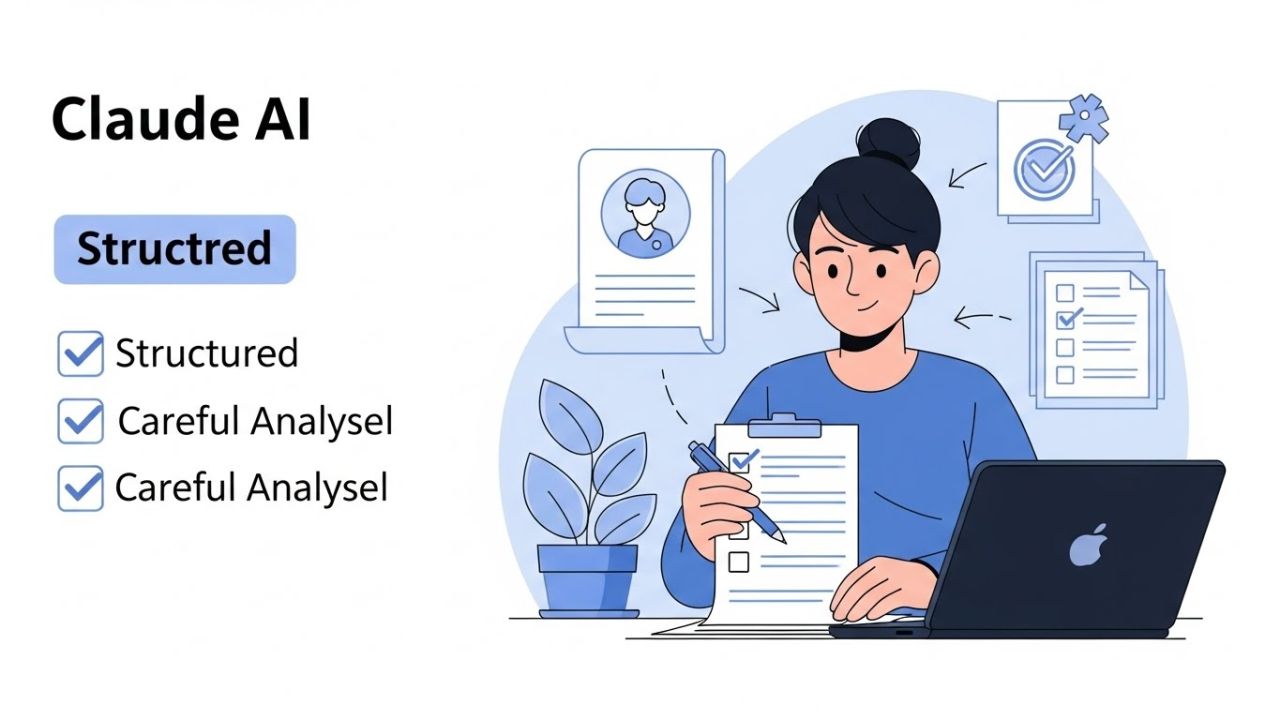
To get the best results in the Claude vs ChatGPT comparison, you must learn how to talk to Claude the right way. Prompting Claude AI works best when your words are clear and focused. Claude loves order. It listens closely when you explain things step by step.
First, always use explicit context and clear objectives. Tell Claude who the audience is. Tell it what tone to use. Also, explain the expected outcome. For example, say if you want a simple answer or a deep one. When you do this, Claude feels confident. This is why many Claude prompt examples start with clear instructions. Clear prompts lead to clean results.
Next, break complex tasks into logical instructions. Claude is very good at following structured frameworks and outlines. Instead of giving one long request, split it into small steps. This helps Claude think better. It also improves accuracy. Because of this skill, Claude shines in tasks that need careful thinking.
So, when does Claude outperform ChatGPT? Claude is a strong choice for legal analysis, long documents, and ethical reasoning. It also explains hard ideas in a deep and calm way. If a task needs focus, balance, and safety, Claude often wins.
In short, Claude rewards clarity. The more organized your prompt is, the better the output becomes. Use structure. Set goals. Guide the steps. When you do this, Claude gives you high-quality and precise answers every time.
Best Prompting Style for ChatGPT — How to Unlock Creativity and Speed

When exploring Claude vs ChatGPT, one thing becomes clear very fast. ChatGPT loves freedom. Prompting ChatGPT works best when you talk in a natural and friendly way. You do not need heavy rules. Instead, you need smart conversation.
First, use conversational, role-based prompts. This is where “Act as…” prompts shine. You can say, “Act as a storyteller” or “Act as a marketing expert.” These persona-driven instructions help ChatGPT understand its role. As a result, responses feel lively and human. Many ChatGPT prompt examples use this style because it unlocks creative thinking.
Next, encourage exploration and iteration. ChatGPT enjoys back-and-forth talks. Ask one question. Then ask another. Change direction if needed. Follow-up questions refine results and improve quality. This makes ChatGPT fast and flexible. It learns from each reply and adapts quickly.
So, when does ChatGPT outshine Claude? ChatGPT wins in marketing copy, storytelling, and social media content. It is also amazing for ideation and brainstorming. If you need many ideas in a short time, ChatGPT is your best friend. Its speed helps creators move faster.
In simple words, ChatGPT loves conversation. Give it space. Ask creative questions. Play with ideas. When you do this, you unlock both creativity and speed—and get results that feel fresh and exciting every time.
Claude vs ChatGPT Prompt Examples — Side-by-Side Comparison

One of the easiest ways to understand Claude vs ChatGPT is to see them in action. By comparing AI prompt examples, you can learn how each tool thinks and responds. This AI prompt comparison shows why the same task needs different approaches for each AI.
Imagine you want a blog outline. With Claude AI, you give a clear structure: define sections, word count, and tone. Claude follows step-by-step instructions carefully. In contrast, ChatGPT AI enjoys a looser approach. You might ask it to “Brainstorm ideas for a blog about AI tools”. ChatGPT produces creative headings and alternative angles, sometimes adding extra suggestions you didn’t expect.
Next, consider ad copy. Claude prefers a defined goal: “Write three variations of a professional ad for a marketing agency, keeping it formal and concise.” ChatGPT responds better to prompts like, “Act as a marketing expert and create fun ad ideas for Instagram.” The result is lively, diverse, and catchy content.
Even for a research summary, Claude delivers structured, in-depth explanations. ChatGPT might provide shorter, more readable bullet points and creative insights.
So, why do these differences happen? Each AI interprets prompts through its own reasoning style. Claude vs ChatGPT examples highlight that Claude loves clarity and rules, while ChatGPT thrives on creativity and conversation.
The key lesson is simple: adapt your prompt to the AI, not the other way around. By testing prompts side by side, you will get better results and understand how AI understands prompts in different ways.
Common Prompting Mistakes in Claude vs ChatGPT (And How to Fix Them)
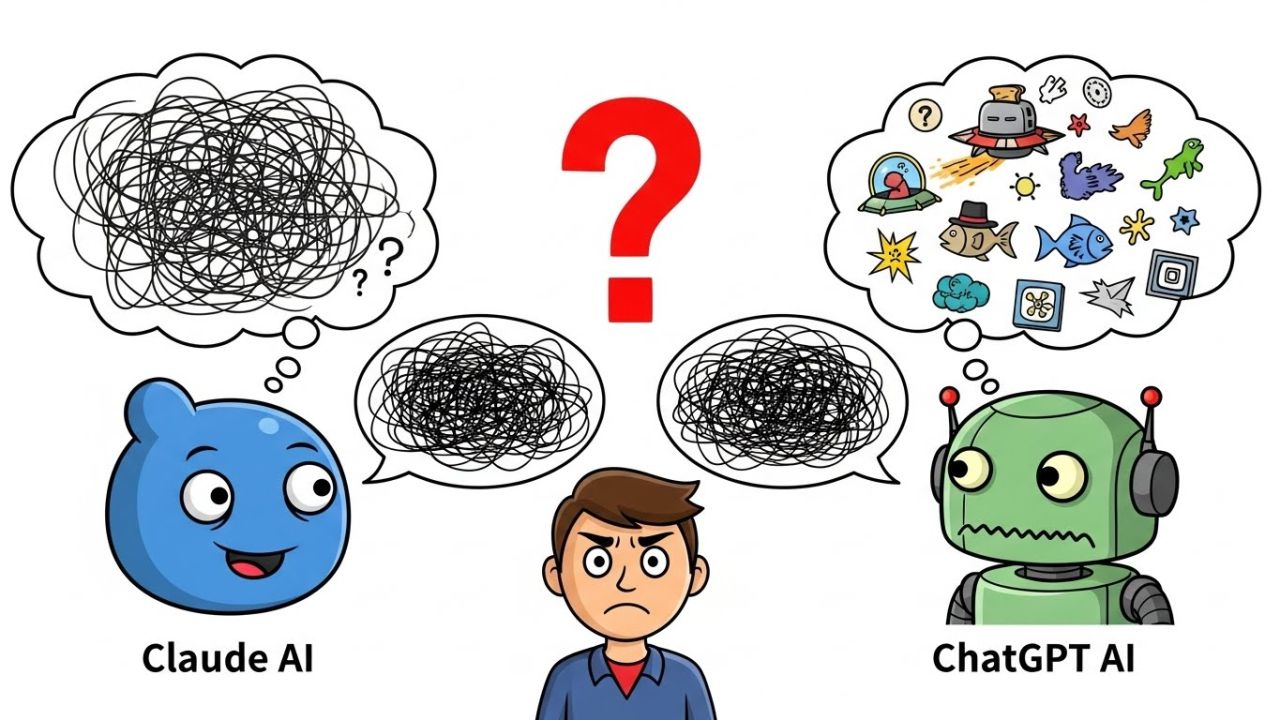
Even experienced users make Claude vs ChatGPT mistakes when crafting prompts. Understanding AI prompt mistakes helps you create better AI prompts that get accurate and useful results.
One common error is overloading Claude with vague creativity. Claude works best with structure and clear instructions. When you give it a messy or overly broad prompt, it can get confused or give long, unfocused answers. To fix this, break tasks into smaller steps and set clear goals. For example, instead of saying, “Write a blog post about AI, you can say, “Write a 5-section blog post on AI tools for beginners with clear headings and examples.”
Another mistake is being too rigid with ChatGPT. ChatGPT thrives on open-ended prompts. If your instructions are overly strict, you can lose creativity and produce stiff answers. To improve, allow flexibility and encourage exploration. Ask follow-up questions or request multiple ideas to refine the output.
A third common error is ignoring each AI’s feedback patterns. Both Claude and ChatGPT respond to prompt hints differently. If results fall flat, adjust your prompts quickly by rephrasing, adding context, or changing instructions. Observing their responses helps you learn how each AI interprets your words.
In short, the secret is to match your prompting style to the AI. Keep Claude structured and clear. Give ChatGPT freedom and room to explore. When you do this, mistakes decrease, and high-quality, precise output becomes the norm. By avoiding these pitfalls, you will save time and get better results every time you use AI.
Which AI Should You Choose? Claude vs ChatGPT by Use Case

Choosing between Claude vs ChatGPT depends on what you want to achieve. Both are powerful, but each shines in different areas. Understanding their strengths helps you pick the best AI for writing, research, marketing, or business strategy.
Best for Writers and Researchers:
If you need long-form content, deep analysis, or structured research, Claude AI is your best choice. Its strength in reasoning, context retention, and detailed explanations makes it perfect for reports, essays, and policy-safe content.
Best for Marketers and Creators:
For creative ideas, social media posts, storytelling, and ad copy, ChatGPT AI excels. Its conversational fluency and fast ideation allow you to brainstorm multiple concepts quickly. ChatGPT helps you think outside the box.
Best for Business and Strategy Tasks:
Both tools have value, but it depends on the task. Use Claude for strategic documents, legal analysis, and in-depth planning. Use ChatGPT for quick presentations, creative proposals, and idea generation.
Quick Decision Summary:
- Claude AI: Structured, detailed, logical, research-focused
- ChatGPT AI: Creative, fast, conversational, marketing-focused
- Both: Use side by side for mixed tasks—Claude for depth, ChatGPT for speed
In short, choose the AI that fits the task, not the hype. When you match your goals to the right tool, you get high-quality, precise results. By understanding Claude vs ChatGPT by use case, you save time, reduce frustration, and unlock the full potential of AI for your work.
See Also: 120+ Best AI Prompts for Content Creators: Unlock Viral Ideas Instantly
Final Thoughts: Win the Claude vs ChatGPT Game With Smarter Prompts
At the end of the day, prompt design matters more than the AI itself. Many users blame the tool when results feel weak. However, the real issue is often how the prompt is written. This is the core lesson of Claude vs ChatGPT. Both tools are powerful. Yet each one listens, thinks, and responds in its own way. When you understand this, everything changes.
The key takeaway is simple but powerful: adapt your prompting style, not just your expectations. Claude AI works best with a clear structure and careful thinking. ChatGPT AI, on the other hand, shines with creative, open, and conversational prompts. When you match your words to the right AI, AI response quality improves fast. This is the heart of smart AI prompt optimization.
Next, do not be afraid to explore. Try the same task in both tools. Change your wording. Test different formats. This kind of experimentation helps you learn how AI language models really work. Over time, you will build strong AI prompting techniques that save time and boost results—whether you create content, do research, or plan strategy.
Now it is your turn. Bookmark this guide so you can return anytime you need better prompts. Also, join the conversation below. Which AI do you use more — Claude or ChatGPT? Your answer may help others choose wisely.
Finally, if this post helped you, share it with creators, marketers, and teams who use AI every day. Better prompts lead to better outcomes—and now you know exactly how to create them.