Death by a Thousand Cuts: The #1 SaaS Churn Killer You’re Not Using
Discover how the ultimate SaaS churn killer turns customer loss into long-term growth and loyalty.


Your biggest growth problem isn’t acquisition—it’s attrition. In the fast-paced world of SaaS, losing a few customers may seem harmless at first. However, over time, those small losses accumulate. This slow bleed is what experts call “death by a thousand cuts.” Every canceled subscription, every silent churn, and every inactive user quietly chips away at your revenue. Before you know it, growth stalls—not because you can’t attract new users, but because you can’t keep the ones you already have.
This is where the real danger lies. Many SaaS founders and product managers focus on flashy marketing campaigns or new feature launches. Yet, they overlook the one thing that can truly save their business: a powerful but often ignored SaaS churn killer. It’s not about slashing prices or begging customers to stay. It’s about building a system that predicts, prevents, and reverses churn before it even happens.
In this post, we’ll uncover the hidden churn traps that slowly destroy your growth engine. You’ll learn how tiny moments of friction—like a confusing onboarding process or ignored customer feedback—lead to big retention losses. We’ll also reveal the #1 SaaS churn killer that top-performing companies use to boost customer success, strengthen loyalty, and drive long-term SaaS customer retention.
If you’re ready to stop losing users and start building loyal fans, this guide will show you how. Let’s explore how a smarter SaaS retention strategy, powered by predictive churn analysis and customer success automation, can turn your slow leaks into unstoppable growth.


Understanding SaaS Churn — Why It’s More Dangerous Than You Think
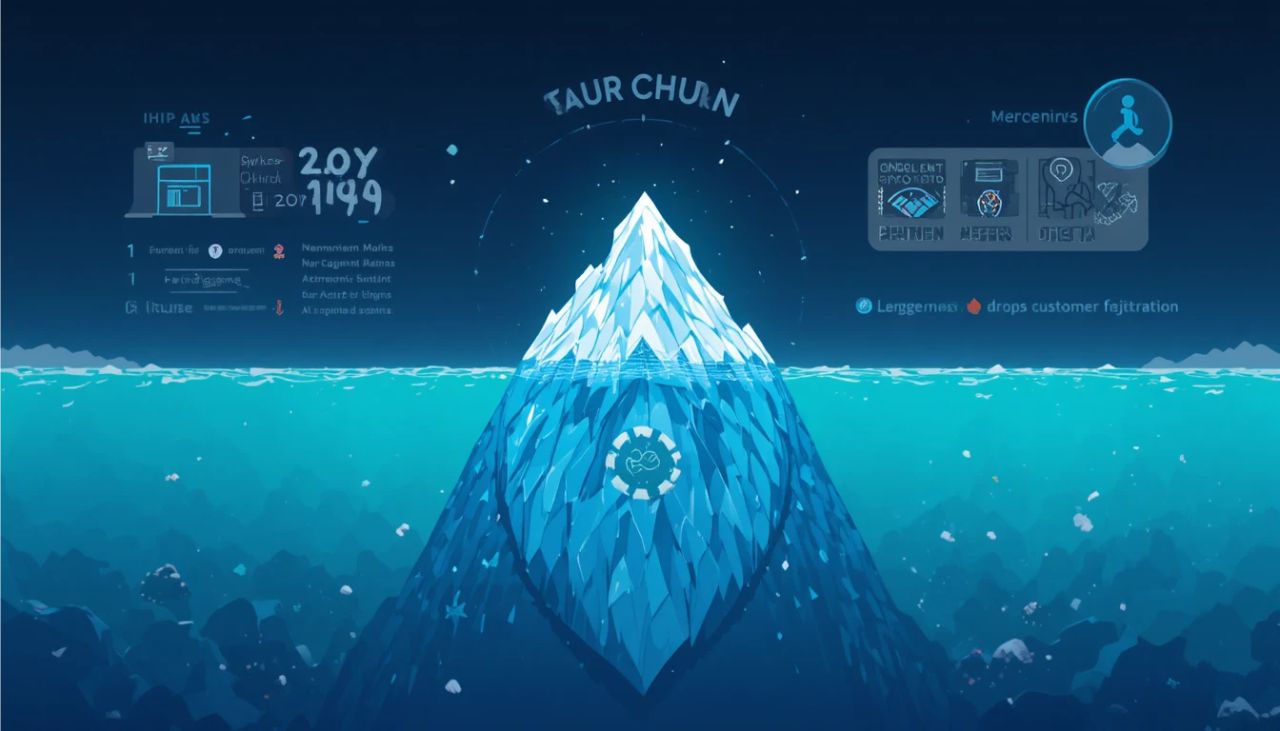
At first glance, SaaS churn may look like a simple number — customers who cancel or stop using your product. But in reality, it’s much deeper than cancellations. Churn reflects lost trust, poor engagement, and missed opportunities. When users quietly leave without saying why, that’s the real danger. It’s not a single event; it’s a signal that something in your product or process isn’t clicking.
To truly fight churn, you must track the right churn prevention metrics. Start with your MRR churn rate, which shows how much monthly revenue you lose. Then, monitor user engagement — are people logging in often, using core features, or inviting teammates? Finally, keep an eye on your Net Promoter Score (NPS) to learn how customers feel about your brand. These early warning signs can reveal hidden churn risks before they explode.
Even great products lose loyal customers. Why? Because churn isn’t just functional — it’s also emotional. A user may love your software but feel ignored, overwhelmed, or undervalued. These feelings push them away long before they hit the “cancel” button.
That’s why the best SaaS churn killer isn’t only about fixing bugs or adding features. It’s about creating emotional connections, delivering consistent value, and keeping your users engaged every step of the way. When you understand the true meaning of churn, you gain the power to stop it — and turn lost users into lifelong fans.
The Hidden ‘Thousand Cuts’ That Slowly Kill SaaS Businesses
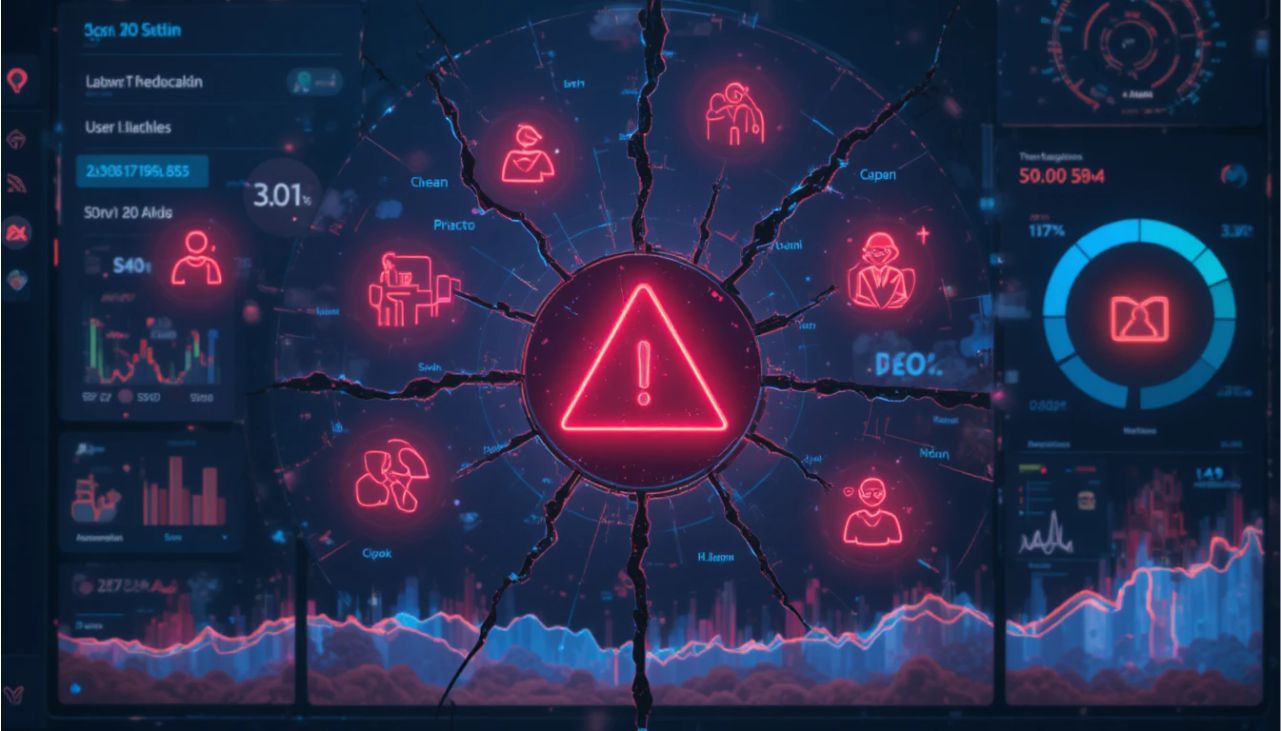
In SaaS, failure doesn’t happen overnight — it sneaks in quietly. Every small problem that gets ignored becomes one of the “thousand cuts” that slowly drain your growth. Churn is rarely caused by one big issue. It’s the result of many tiny pain points your users face every day.
It begins with onboarding friction. When new users don’t see quick wins, they lose excitement fast. A confusing setup, unclear steps, or too many choices can make them walk away before they feel the product’s true value. Then come poor communication loops — when customers ask for help but never hear back, or updates happen without context. Silence makes users feel forgotten.
Another hidden cut is feature overload. Many SaaS companies believe that adding more features will make users stay. But too much complexity without guidance creates confusion, not loyalty. Users need clarity, not clutter.
And finally, there are the micro-moments of frustration — small bugs, slow responses, or confusing buttons that go unfixed. Each one may seem minor, but together, they cause silent drop-offs.
The truth is simple: SaaS churn isn’t a single event — it’s the sum of small, ignored moments. To stop it, you must spot these cuts early and fix them fast. The best SaaS churn killer is a system that listens, learns, and responds before frustration turns into cancellation. Because when you heal the small wounds, your business grows stronger than ever.
Why Traditional Churn Reduction Strategies Fail
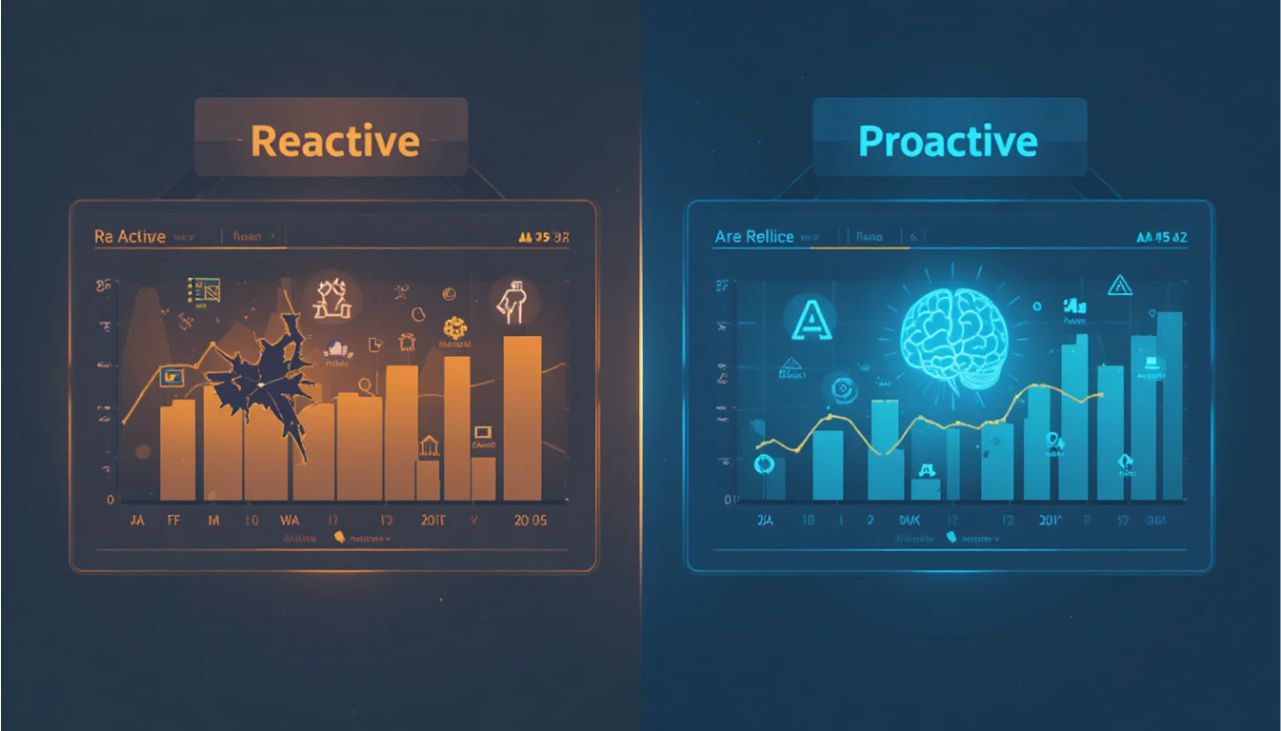
Most SaaS teams try to fight churn, but they often fight it the wrong way. They focus on fixing what’s visible instead of what’s real. The truth is, traditional churn reduction strategies fail because they treat the symptoms, not the causes.
Many companies use reactive retention — they act only after a customer decides to leave. But by then, it’s too late. Offering a quick call or begging users to stay won’t change their minds. The smarter way is proactive engagement — connecting with users early, spotting churn risks, and solving problems before they grow. That’s how the best SaaS churn killer works.
Another mistake is over-reliance on discounts or exit surveys. When a user cancels, giving them a discount may win a short-term save, but it doesn’t fix the deeper issue. Exit surveys, too, come too late. They tell you why someone left, not how to keep them.
And then there’s the lack of deep product usage analytics. Many SaaS teams fail to study how users behave — which features they love, which ones they ignore, and when engagement drops. Without customer segmentation, all users get treated the same way, even though each group has different needs.
In short, traditional churn tactics react; modern churn killers predict. Success comes from seeing early warning signs and acting fast. When you shift from reaction to prevention, your SaaS retention strategy becomes stronger — and so does your long-term growth.
The #1 SaaS Churn Killer You’re Not Using

Here’s the truth: most SaaS companies don’t lose customers because their product is bad — they lose them because they react too late. The secret weapon they’re missing is proactive customer success automation, the real SaaS churn killer that top-performing brands use quietly but effectively.
This strategy combines predictive churn modeling and behavior-driven lifecycle personalization to stop churn before it starts. It tracks how users interact with your product — every login, feature click, and usage gap — then uses smart automation to respond instantly. For example, if a user hasn’t logged in for a week, the system can send a personalized tip, share a quick-win video, or alert your success team to reach out.
Why does it work so well? Because it’s personal, fast, and data-driven. Instead of waiting for red flags like cancellations, you fix issues while customers are still engaged. Yet, it’s often ignored because teams assume automation feels “cold” or too technical. In reality, when done right, it feels human and timely.
Proof? A study by Gainsight shows that companies using proactive customer success automation reduced churn by 23% within six months. Another report from Totango found a 40% boost in customer retention when predictive engagement was applied.
The lesson is clear: the real SaaS churn killer isn’t luck — it’s foresight. By blending automation with empathy, you can predict churn, prevent frustration, and protect every dollar of recurring revenue before it slips away.
How to Implement the SaaS Churn Killer in Your Business
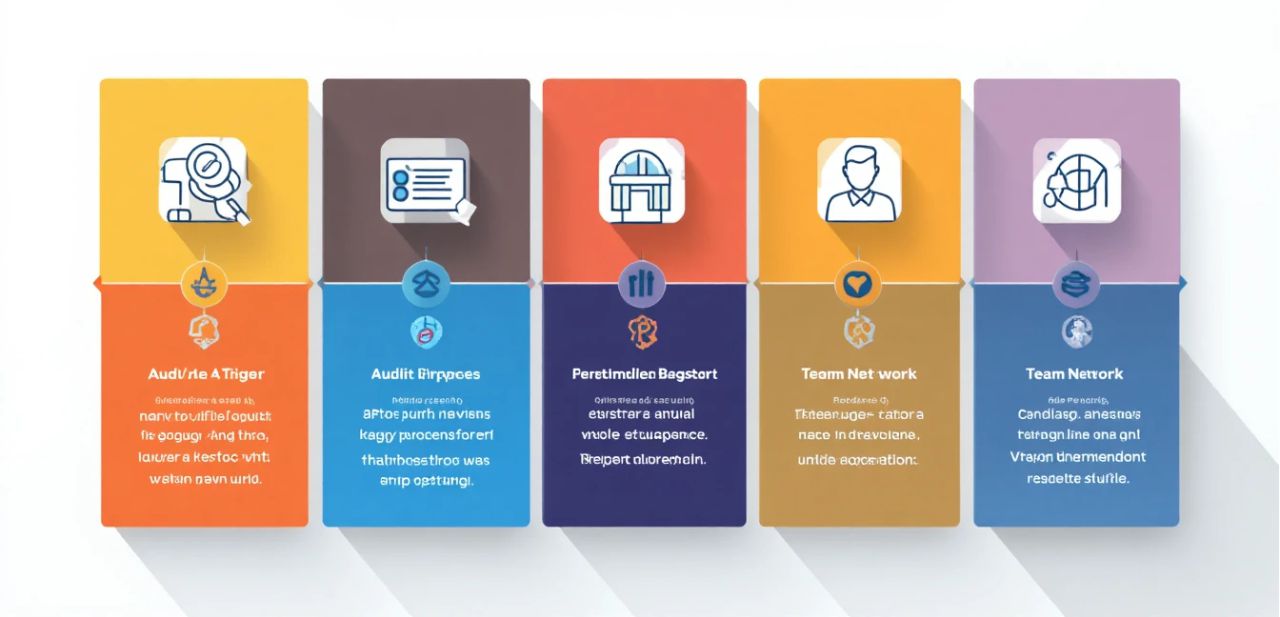
Knowing the secret is one thing — using it effectively is another. To make the SaaS churn killer work for your business, you need a simple yet smart plan. Here’s how to start turning churn prevention into real growth.
Step 1 – Audit your current retention ecosystem: Look at how you manage retention today. Check your onboarding flow, support response time, and customer feedback loops. Find gaps that cause user drop-offs.
Step 2 – Identify churn risk triggers and behaviors: Use predictive churn analysis to spot patterns. Do users leave after a certain feature? Do engagement rates drop after onboarding? These signs reveal where customers start to drift away.
Step 3 – Automate personalized engagement at critical lifecycle points: Set up customer success automation tools that react in real-time. If a user stops logging in or skips key actions, send personalized messages, tips, or offers that bring them back.
Step 4 – Align product, marketing, and customer success teams around retention: Everyone must work together. Product teams fix friction points, marketing communicates value, and customer success keeps users happy. That’s how you build a strong SaaS retention strategy.
Step 5 – Measure and iterate based on customer health scores: Track metrics like activity levels, satisfaction scores, and support requests. Use this data to improve continuously.
When done right, these steps transform churn prevention into a predictable SaaS growth strategy—keeping your customers loyal and your revenue steady.
Tools and Technologies That Support Churn Prevention
Even the best SaaS churn killer needs the right tools to work its magic. Today’s SaaS landscape offers powerful technologies that help you understand, predict, and prevent churn before it happens. These tools turn guesswork into clear, data-driven action.
Start with churn analytics and customer health platforms like Gainsight, Totango, and Mixpanel. These tools track how users behave inside your app — how often they log in, which features they use, and when their activity drops. With this data, you can spot early churn risks and step in before it’s too late. They also help calculate customer health scores, giving you a simple way to see who needs attention right now.
Next, use AI-driven retention and automation tools. These systems analyze behavior patterns, predict who might leave, and trigger personalized actions — such as an email, tutorial, or special offer — to re-engage users. They bring customer success automation to life by making every interaction timely and relevant.
Finally, connect everything with seamless feedback and engagement integrations. Use surveys, in-app chat, or feedback forms that sync directly with your CRM. This keeps communication loops open, so customers always feel heard and valued.
Together, these tools create a complete SaaS retention strategy — one that blends human insight with machine precision. When you combine analytics, automation, and feedback, you build a smart system that doesn’t just reduce churn — it predicts, prevents, and transforms it into lasting SaaS customer retention.
Common Mistakes to Avoid When Fighting SaaS Churn
Even with the best tools and strategies, many teams still struggle to stop churn. Why? Because they repeat the same mistakes that weaken their SaaS churn killer efforts. Avoiding these common traps can save your business time, money, and loyal customers.
The first mistake is relying only on email campaigns. Emails help, but they can’t do everything. If users stop opening them, your message is lost. You need a mix of channels — in-app messages, chat support, and personalized prompts — to keep engagement strong.
The second mistake is treating all users the same. Not every customer needs the same message or support. Without customer segmentation, you risk sending generic content that doesn’t connect. Tailor your approach based on behavior, usage, and goals. Personalized experiences always build stronger SaaS customer retention.
Next, ignoring early engagement data is a major error. Most churn happens within the first few weeks. If users don’t see value fast, they leave quietly. Use predictive churn analysis to track who’s active, who’s struggling, and who’s drifting away — then act fast.
Finally, never underestimate the power of consistent product education. Customers can’t love what they don’t understand. Regular tutorials, tooltips, and quick guides help users succeed and reduce frustration.
Remember, preventing churn is about connection, not correction. When you avoid these simple mistakes and focus on proactive engagement, your SaaS retention strategy becomes unstoppable — keeping users happy, active, and loyal for the long haul.
Turning Churn Prevention Into a Growth Engine

Most people see churn prevention as a way to stop losses. But the smart ones know it can do much more. When done right, your SaaS churn killer can actually fuel growth, boost revenue, and create loyal fans who spread the word for you.
Here’s how it works. When customers stay longer, they don’t just pay again — they often buy more. This retention-driven expansion revenue becomes one of the strongest growth levers in your business. And happy customers talk! Their referrals bring in new users who already trust your brand.
Next comes a mindset shift — from churn reduction to customer delight and advocacy. Instead of focusing only on keeping users, start exciting them. Deliver small wins, quick results, and constant value. When users feel valued, they turn into your best marketers — sharing stories, reviews, and referrals that power your SaaS growth strategy.
And don’t forget the numbers. Lower churn doesn’t just improve cash flow — it raises your company’s valuation. Investors love stability. High SaaS customer retention shows that your product has staying power and loyal customers, creating a solid base for long-term success.
So, stop treating churn prevention as a repair job. Think of it as an engine for sustainable growth. Every happy user adds fuel to that engine — driving referrals, revenue, and reputation forward. That’s the real magic of an unstoppable SaaS churn killer.
Final Thoughts: Stop the Thousand Cuts Before They Kill Your Growth
Every SaaS business dreams of endless growth, but the truth is simple — churn doesn’t happen overnight. It starts with tiny cracks: a delayed response, a confusing feature, or a missed feedback loop. Over time, these small mistakes grow into major losses. Yet here’s the good news — you can stop it. With consistent care, proactive communication, and smart automation, SaaS churn is completely preventable.
The secret isn’t chasing more users; it’s keeping the ones you already have. That’s where the #1 SaaS churn killer comes in. By combining customer success automation, predictive churn analysis, and a solid SaaS retention strategy, you can spot early warning signs before users ever think of leaving. This simple shift transforms churn prevention into a powerful SaaS growth strategy—one that fosters loyalty, boosts MRR, and drives long-term success.
So, before you pour more money into ads or new features, pause and ask: “Where are my small cuts?” Take time to audit your churn process. Look for friction points, check your user engagement data, and reconnect with your customers. Every insight you uncover is a chance to save revenue and strengthen trust.
Remember, reducing customer churn isn’t just about retention—it’s about transformation. When you act early, you don’t just stop losses; you create loyal fans who become your biggest advocates. Start today. Identify your churn triggers, apply the SaaS churn killer, and watch your business shift from survival to unstoppable growth.