Cloud Foundry Software: The Future of Scalable Cloud Application Development in 2025
Discover how Cloud Foundry Software is reshaping cloud-native development with automation, flexibility, and multi-cloud scalability in 2025.

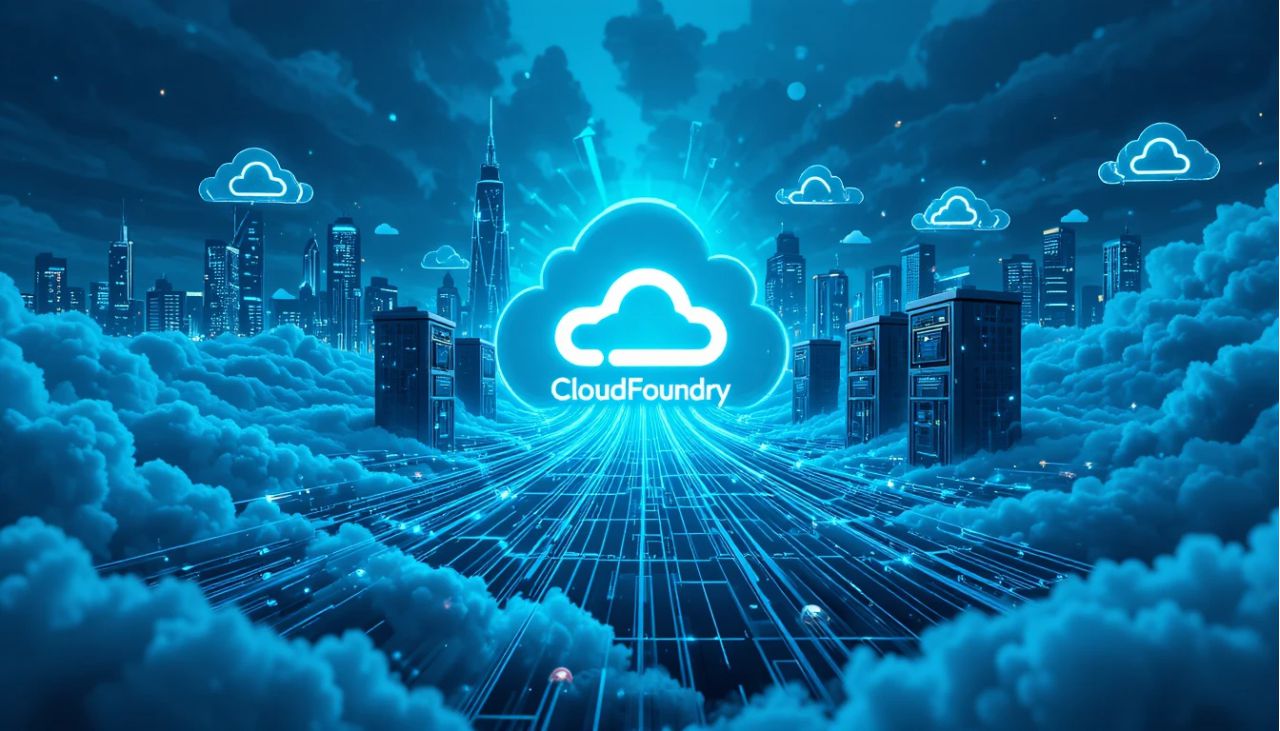
In today’s fast-changing digital world, building and scaling cloud applications has never been more important. Businesses want speed, flexibility, and innovation — all at once. That’s where Cloud Foundry Software steps in. It’s a powerful, open-source cloud platform designed to make cloud-native development simple, fast, and reliable. In 2025, as the demand for scalable and agile cloud solutions keeps growing, Cloud Foundry continues to lead the way for developers and enterprises alike.
With the rise of cloud-native technologies, companies are moving away from complex, manual setups. They want tools that let them build once and deploy anywhere. Cloud Foundry Software does exactly that. It gives developers a smooth path to create, deploy, and manage applications across multi-cloud environments like AWS, Azure, or Google Cloud — all without worrying about infrastructure.
What makes Cloud Foundry stand out is its ability to combine automation, scalability, and portability in one unified platform. It helps teams focus more on writing great code and less on setup or maintenance. As a result, businesses can launch products faster, reduce costs, and keep up with modern innovation.
In 2025, Cloud Foundry isn’t just a tool — it’s a trusted ecosystem for the future of cloud application development. Whether you’re a developer, DevOps engineer, or business owner, embracing Cloud Foundry means stepping into a world of efficiency, flexibility, and limitless scalability. It’s time to build smarter, scale faster, and stay ahead in the cloud-first era.


What is Cloud Foundry Software?
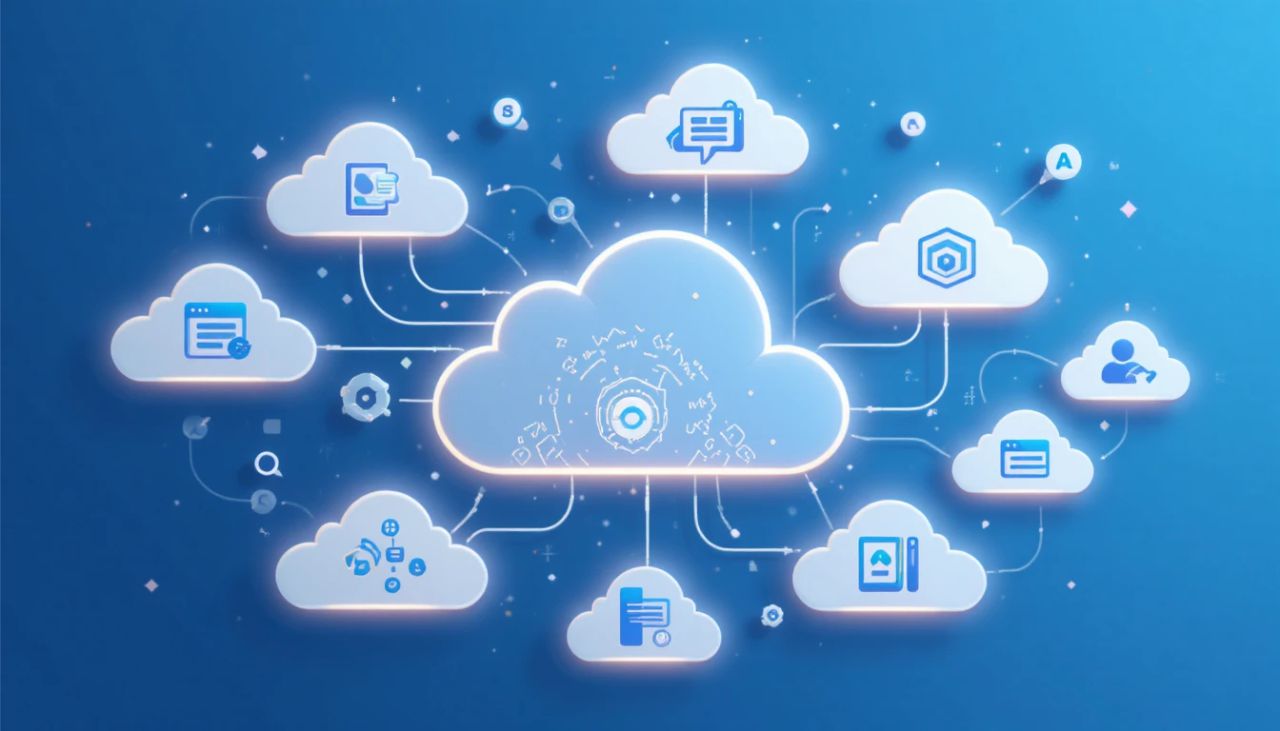
Cloud Foundry Software is an open-source cloud application platform that helps developers build, deploy, and manage apps easily and quickly. It was first created in 2011 by VMware and later became part of the Cloud Foundry Foundation, a global community that drives its growth and innovation. Since then, it has become one of the most trusted cloud-native platforms for businesses and developers around the world.
What makes Cloud Foundry Software special is its open-source nature. This means anyone can use it, improve it, and share ideas with others. The strong community behind Cloud Foundry constantly updates the platform to make it faster, smarter, and more secure. It supports popular programming languages like Java, Node.js, Python, Ruby, and Go — giving developers the freedom to create apps their way.
Compared to other cloud platforms like Kubernetes or OpenShift, Cloud Foundry focuses on simplicity and developer experience. While Kubernetes handles container orchestration, Cloud Foundry goes a step further by automating most of the heavy lifting. It manages scaling, networking, and deployment — so developers can focus on writing code, not managing servers.
In short, Cloud Foundry Software offers a powerful, community-driven, and flexible way to build modern applications. It bridges the gap between developers and operations, helping teams work faster and smarter in today’s multi-cloud world. Whether for startups or large enterprises, Cloud Foundry delivers the perfect mix of speed, scalability, and innovation.
How Cloud Foundry Simplifies Cloud Application Development
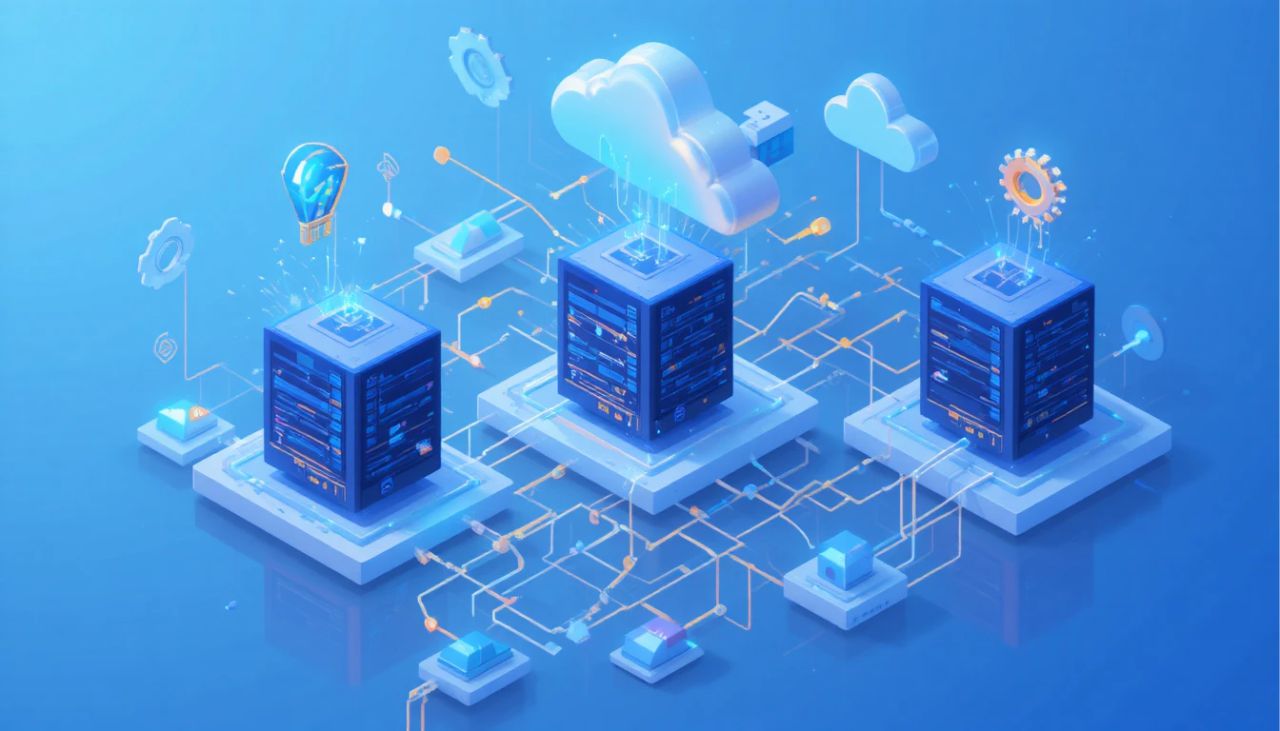
In today’s fast-paced tech world, developers and operations teams require tools that streamline their work and increase efficiency. Cloud Foundry Software does exactly that. It serves as a unified platform where both developers and operations teams can collaborate smoothly. This teamwork reduces confusion and speeds up the entire app development process. With Cloud Foundry, teams can build, test, and deploy applications — all in one place.
One of the biggest advantages of Cloud Foundry Software is its ability to simplify deployment across multi-cloud environments. Whether your app runs on AWS, Microsoft Azure, Google Cloud, or a private cloud, Cloud Foundry makes it seamless. You can easily move applications between different clouds without worrying about compatibility or setup issues. This flexibility allows businesses to stay agile and scale faster.
Another reason developers love Cloud Foundry is its support for multiple programming languages and frameworks. From Java, Python, Node.js, Ruby, to Go, Cloud Foundry supports them all. This means developers can choose the tools they know best and still enjoy a smooth deployment experience.
In short, Cloud Foundry Software makes cloud application development simple, smart, and scalable. It removes the pain of complex configurations and gives teams a powerful, automated environment to focus on innovation. For businesses aiming to grow in 2025, Cloud Foundry is the key to building apps faster, managing them more easily, and scaling them effortlessly across any cloud platform.
Key Features That Make Cloud Foundry a Game-Changer

What makes Cloud Foundry Software truly powerful is its smart features that make cloud app development faster, easier, and more scalable. It’s not just another cloud platform — it’s a complete toolkit designed to help developers build and manage apps with speed, security, and flexibility.
One of its best features is Buildpacks, which allow automated app deployment. With Buildpacks, developers don’t need to manually set up environments. Cloud Foundry automatically detects the app’s language, installs dependencies, and gets everything ready for launch. This means less setup time and more focus on coding.
Another strength of Cloud Foundry Software is its container-based architecture. Containers make it easy to scale apps up or down based on demand. So whether it’s a small startup or a large enterprise, Cloud Foundry ensures apps stay fast, stable, and efficient even during high traffic.
The platform also supports continuous delivery and smooth DevOps integration. This allows teams to update and release new features quickly without downtime. Everything works in sync, keeping development cycles short and delivery faster.
Security is another top priority. Cloud Foundry includes built-in security and compliance controls, protecting data and ensuring safe operations across environments.
And because Cloud Foundry Software supports multi-cloud flexibility, you can run your apps on AWS, Azure, Google Cloud, or private clouds — all without changing your code.
In short, these features make Cloud Foundry a game-changer for modern cloud innovation, giving teams the power to build, deploy, and scale applications effortlessly.
Read Also: Follow 8 Steps to Become a Cloud Security Engineer Today!
Cloud Foundry vs. Traditional Cloud Platforms
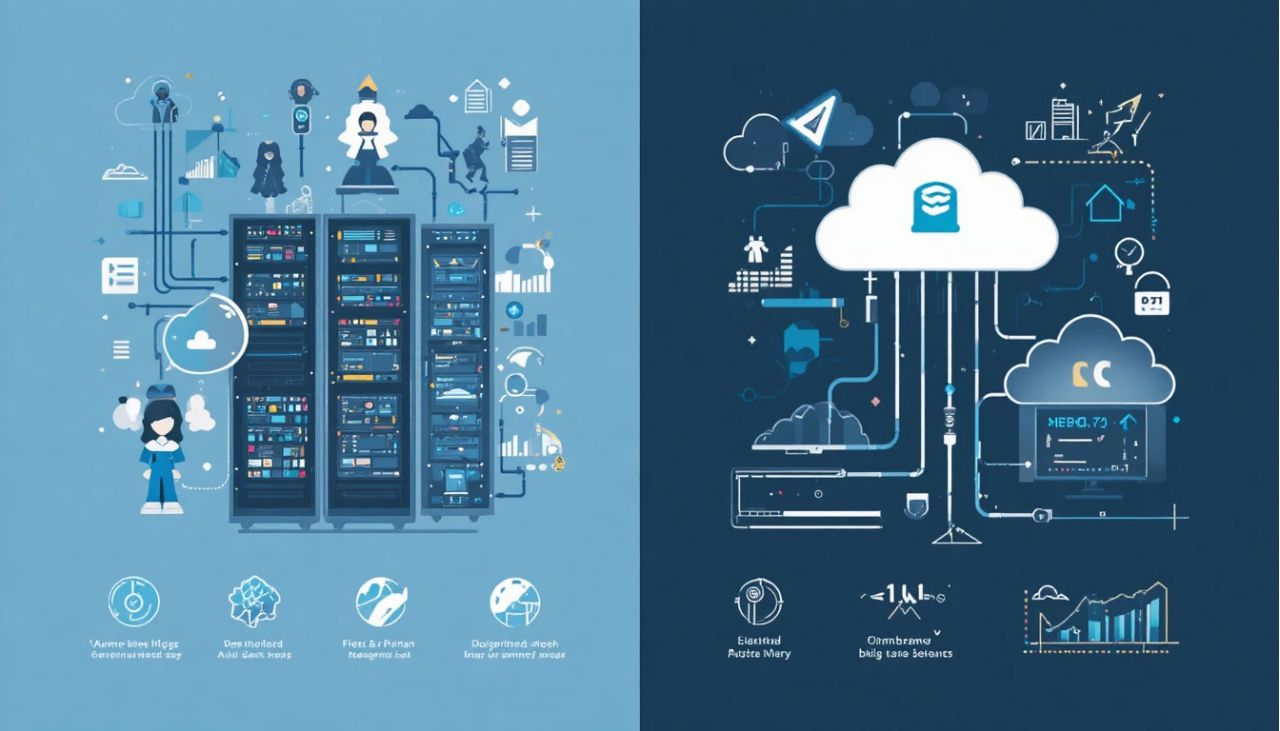
When it comes to building and running applications, Cloud Foundry Software changes the game. Unlike traditional cloud platforms, it focuses on speed, automation, and flexibility. It helps developers do more in less time while keeping apps reliable and scalable.
Traditional cloud setups often require heavy manual work. Developers need to configure servers, manage updates, and handle deployment tasks themselves. This process is slow and complex. But with Cloud Foundry, all that work becomes automatic and effortless. The platform takes care of setup, scaling, and management — allowing teams to focus on building great apps.
In terms of efficiency, Cloud Foundry leads the way. It uses smart automation tools that cut down development time and reduce human error. Its portability is another major win. Apps built on Cloud Foundry can run across multiple clouds like AWS, Azure, Google Cloud, or private environments — without needing major changes.
When it comes to cost-effectiveness, Cloud Foundry helps businesses save money by reducing infrastructure costs and increasing productivity. Its automated scaling means you only use the resources you need, when you need them.
Developers also love Cloud Foundry Software for its faster time-to-market and seamless scaling. Updates can be pushed live in minutes, not hours, ensuring users always get the latest version of the app.
Simply put, Cloud Foundry removes the complexity of traditional systems and replaces it with efficiency, flexibility, and innovation. It’s the smarter way to build for the future.
The Role of Cloud Foundry in Scalable Cloud Application Development

Scalability is one of the most important goals in modern app development, and Cloud Foundry Software makes it simple and powerful. Whether a business needs to handle a few users or millions, Cloud Foundry provides the flexibility to grow and adapt instantly. Its advanced scaling features make sure apps stay fast, responsive, and reliable — no matter the demand.
Cloud Foundry Software supports both horizontal and vertical scaling. Horizontal scaling means adding more app instances to handle more users. Vertical scaling means giving an app more power, such as extra memory or CPU. With these two options, developers can scale apps up or down in real time without any downtime. This keeps performance steady even during peak hours or sudden traffic spikes.
Many well-known companies have achieved amazing scalability using Cloud Foundry. Brands like SUSE, SAP, and Comcast rely on it to manage thousands of applications efficiently. They use Cloud Foundry to deliver consistent performance, fast updates, and zero interruptions for their users.
The impact of Cloud Foundry on application performance and uptime is remarkable. It monitors every app, automatically adjusts resources, and ensures that no app crashes or slows down. This means users always enjoy smooth, reliable experiences.
In short, Cloud Foundry Software gives developers and businesses the power to build applications that grow with their users. It’s the key to scalable, high-performance, and future-ready cloud development in 2025 and beyond.
Cloud Foundry in 2025: Trends and Future Outlook

The year 2025 marks a new era for Cloud Foundry Software, as it continues to evolve with cutting-edge technologies and smarter automation. With the rise of AI-driven automation and edge computing, Cloud Foundry is becoming more intelligent, flexible, and efficient than ever before. It’s helping developers build cloud applications that respond faster, learn automatically, and deliver real-time experiences to users everywhere.
Cloud Foundry Software is also adapting closely to Kubernetes and container orchestration. This integration brings the best of both worlds — the simplicity of Cloud Foundry’s developer tools and the scalability of Kubernetes containers. Together, they allow teams to deploy and manage applications seamlessly across multiple clouds while maintaining full control and performance.
Another big driver of Cloud Foundry’s future is its strong open-source innovation. The global developer community continues to shape the platform by adding new features, improving security, and enhancing automation. This community-driven growth ensures Cloud Foundry remains modern, secure, and aligned with the latest trends in cloud-native development.
As more businesses adopt hybrid and multi-cloud strategies, Cloud Foundry is set to play an even bigger role in supporting scalable, intelligent, and portable applications. The combination of AI, containers, and open-source collaboration makes it a perfect fit for the future of digital transformation.
In short, 2025 is the year when Cloud Foundry Software cements its place as the core engine for scalable, automated, and future-ready cloud application development.
Benefits of Adopting Cloud Foundry Software for Enterprises
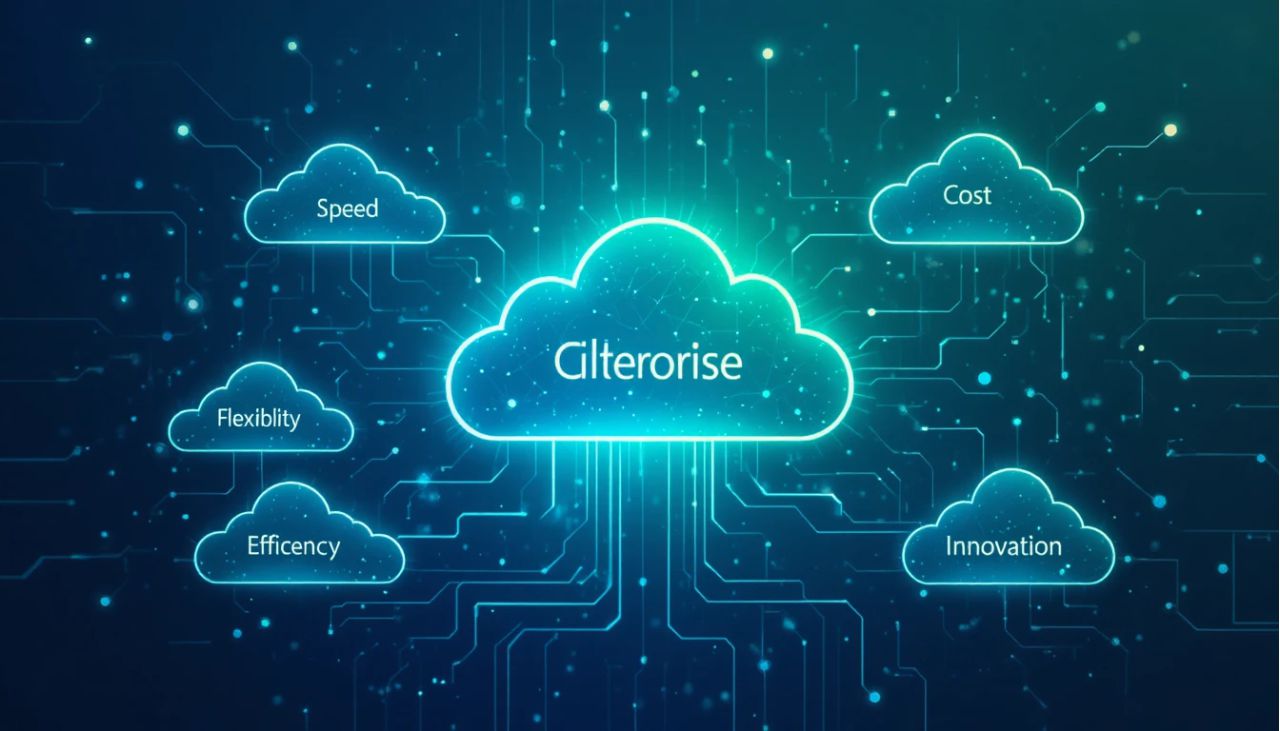
Enterprises today need cloud platforms that help them move faster, work smarter, and stay flexible. Cloud Foundry Software delivers all that and more. It gives businesses the power to build, deploy, and scale applications with unmatched speed and reliability. By adopting Cloud Foundry, companies can unlock greater productivity, cost savings, and long-term flexibility in their cloud operations.
One of the biggest advantages of Cloud Foundry Software is faster deployment. Developers can push apps to production in minutes instead of hours. This boosts developer productivity and shortens release cycles, helping teams bring new features to market quickly.
Cloud Foundry also helps reduce operational overhead by automating repetitive tasks like scaling, monitoring, and updates. This automation leads to cost optimization, as teams can focus on innovation instead of managing infrastructure.
Another key benefit is flexibility. Cloud Foundry supports hybrid and multi-cloud environments, allowing businesses to run apps across AWS, Azure, Google Cloud, or private clouds without lock-in. This freedom helps organizations adapt easily to changing business needs.
Long-term sustainability is another reason enterprises trust Cloud Foundry. Its open-source foundation ensures vendor neutrality, meaning no single provider controls your apps or data. This makes Cloud Foundry a future-proof choice for enterprises seeking stability and independence.
In short, Cloud Foundry Software empowers organizations to achieve speed, efficiency, and flexibility — making it the perfect partner for scalable and sustainable cloud development in 2025.
Common Challenges and Best Practices

While Cloud Foundry Software is a powerful and flexible platform, many users face a few common challenges when getting started. The good news is that these challenges are easy to overcome with the right approach and best practices. Understanding them early helps developers make the most of Cloud Foundry’s speed, scalability, and automation features.
One common misconception about Cloud Foundry is that it’s hard to learn or is only for large enterprises. In reality, it’s designed for simplicity. Its automation and clear commands make it easy for teams of any size to build and manage cloud applications. Another misconception is that Cloud Foundry and Kubernetes can’t work together — but they can! Cloud Foundry now integrates deeply with Kubernetes to deliver even greater flexibility.
To get the best results, teams should focus on performance tuning and scaling. Use monitoring tools to track resource usage and optimize Buildpacks for faster startup times. Regularly review your scaling rules to ensure apps adjust automatically based on traffic.
For multi-cloud deployments, follow a simple rule — keep configurations consistent. Use Cloud Foundry’s built-in support for multi-cloud environments like AWS, Azure, and Google Cloud to move apps easily between clouds. This helps maintain performance and reduces downtime.
By following these best practices, developers can turn challenges into opportunities for growth. With the right setup, Cloud Foundry Software becomes not just a platform, but a complete solution for efficient, scalable, and future-ready cloud application development.
Conclusion: Embracing the Future of Cloud Development
As we move deeper into 2025, the demand for smarter, faster, and more flexible cloud platforms continues to rise. Cloud Foundry Software stands as a game-changer in this journey. It empowers developers and businesses to build, deploy, and scale apps with unmatched speed, agility, and consistency. With its open-source foundation and multi-cloud compatibility, Cloud Foundry is shaping the future of cloud-native innovation for every modern enterprise.
By using Cloud Foundry Software, teams can focus on creativity instead of complexity. They can deploy applications across different cloud providers without worrying about the underlying setup. This means less time managing infrastructure and more time delivering real value to users. In a world where scalability and performance matter most, Cloud Foundry ensures that your apps stay reliable, portable, and future-ready.
Now is the perfect time to explore Cloud Foundry and see how it can transform your cloud journey. Whether you’re a developer aiming to simplify workflows, a DevOps engineer seeking automation, or a business leader wanting scalable innovation, Cloud Foundry has something for everyone.
Join the open-source Cloud Foundry community today. Learn, build, and innovate with experts around the globe. Or explore enterprise Cloud Foundry solutions that bring even greater power and flexibility to your organization.
The future of scalable cloud application development is here — and it’s built on Cloud Foundry Software. Start your journey today and be part of the innovation shaping tomorrow’s digital world.