Vision Pro M5 & Studio Display 2: Are the Wild Cards Worth the Price?
Apple’s boldest 2025 launches — are Vision Pro M5 & Studio Display 2 game changers or just expensive wild cards?

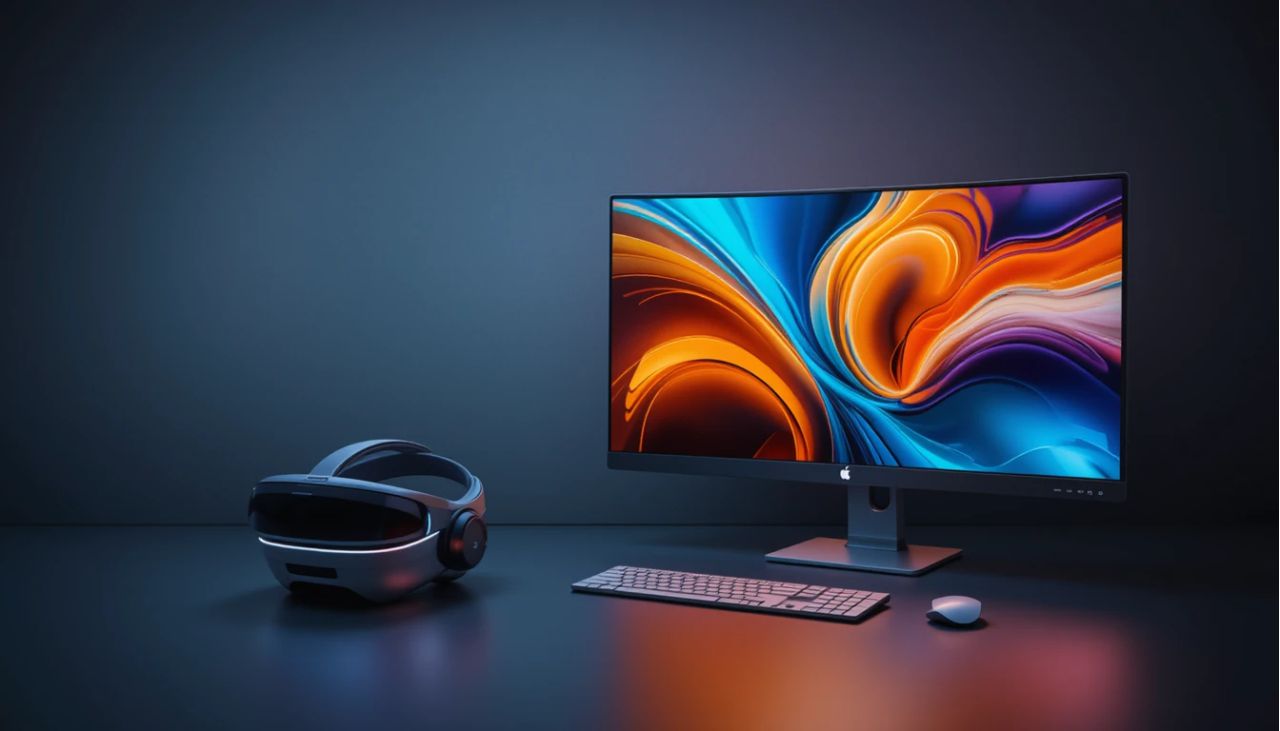
Apple is once again shaking the tech world with bold moves in 2025, and this time, two products are stealing the spotlight — the Vision Pro M5 & Studio Display 2. These devices are being called Apple’s “wild cards,” and for good reason.
On one side, you have the Vision Pro M5, a next-generation mixed reality headset powered by Apple’s mighty M5 chip, promising faster performance, smoother graphics, and a more immersive experience than ever before. On the other side, the Studio Display 2 steps in as Apple’s refreshed high-end monitor, rumored to bring sharper visuals, smarter features, and deeper integration with Apple Silicon Macs.
But here’s the catch — both of these devices are expected to come with premium price tags. That leaves one big question: are they truly worth the money, or are they just luxury add-ons for Apple fans?
In this article, we’ll explore what makes Vision Pro M5 & Studio Display 2 unique, how they fit into Apple’s long-term roadmap, and whether they deliver enough value to justify the cost. We’ll also look at how they stack up against competitors, who should actually buy them, and who might be better off waiting.

If you’ve been following Apple’s rapid-fire innovation, you already know this is just the tip of the iceberg. The company is gearing up to launch even more products soon — check out our full breakdown in Apple is launching 15+ new products this fall, here’s what’s coming for the bigger picture.
So, let’s dive into the details and see if Apple’s bold gamble with the Vision Pro M5 & Studio Display 2 is a winning move — or just an expensive experiment.
Vision Pro M5 & Studio Display 2 — Apple’s Surprising Duo for 2025
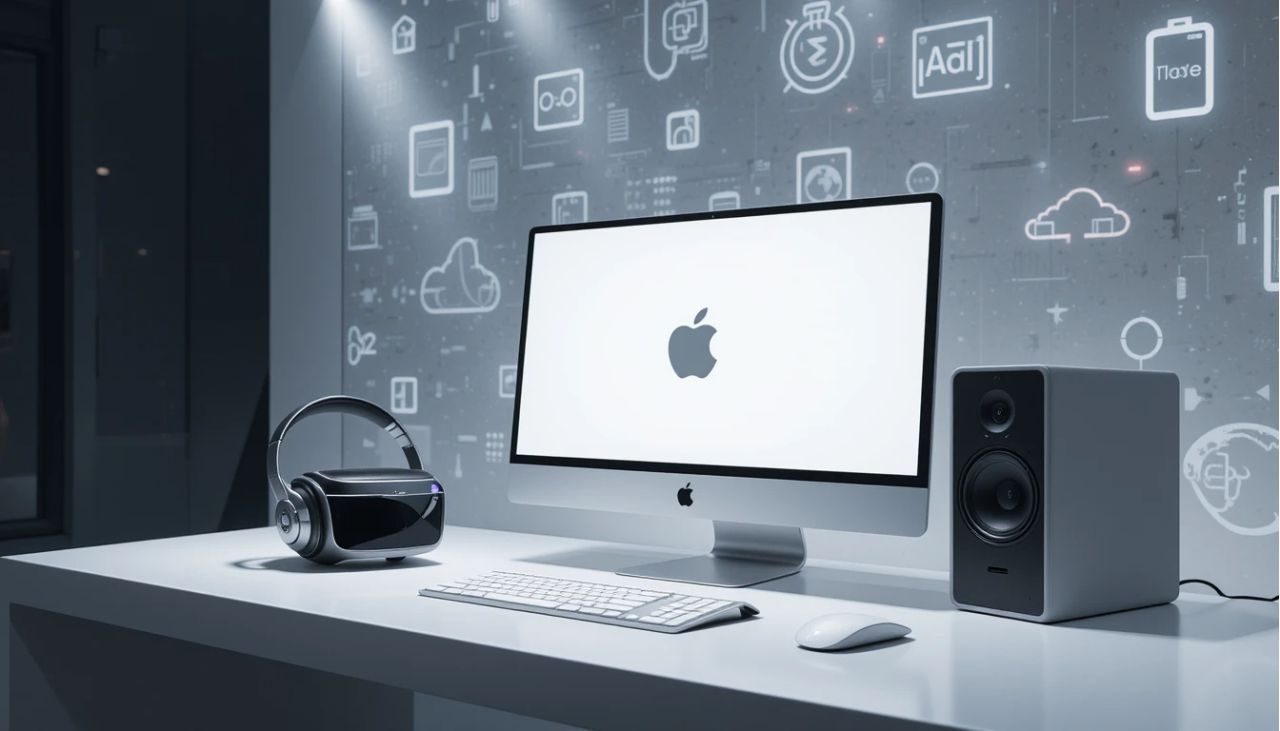
Two very different products, yet both shaping the same story — that’s what makes the Vision Pro M5 & Studio Display 2 so exciting. On the surface, one is a mixed reality headset, and the other is a high-end monitor. Still, both push Apple’s premium ecosystem forward and highlight the company’s bold strategy for 2025.
So, why now? Apple is facing a market full of hungry competitors. From Meta’s headsets to Samsung’s pro displays, the battle for the future of work and play is heating up. Launching the Vision Pro M5 and Studio Display 2 together is Apple’s way of saying: we’re ready to lead this space. These aren’t safe bets. They are wild cards — high-risk, high-reward moves that could redefine how professionals and creators use technology.
Early reports and leaks make the buzz even stronger. The Vision Pro M5 is said to feature the blazing-fast M5 chip, a lighter design, and sharper visuals. Meanwhile, the Studio Display 2 is rumored to bring a crisper 6K panel, ProMotion smoothness, and smarter tools for creators. These upgrades aren’t just small tweaks. They are signals of Apple’s intent to give users something truly next-level.
The big question remains: why is Apple betting so heavily on these wild cards? The answer may lie in Apple’s long-term roadmap. Together, the Vision Pro M5 & Studio Display 2 are more than products. They are statements of innovation, showing how Apple plans to set the tone for the next wave of computing.
Vision Pro M5 — Can the M5 Chip Finally Make Mixed Reality Mainstream?
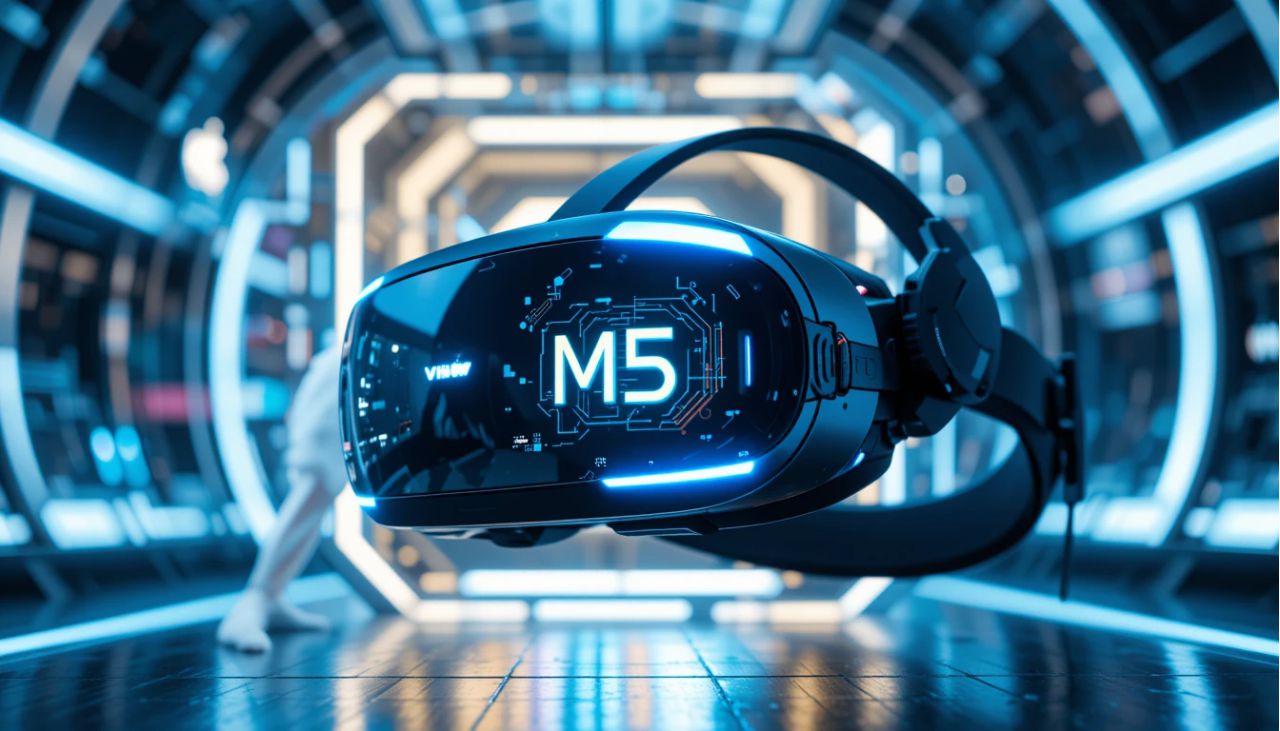
Apple’s next big leap in mixed reality comes with the Vision Pro M5, and it has one bold promise — breakthrough power. But here’s the catch: with a high price expected, many are asking, does it really deliver enough to justify the cost?
Let’s start with the design. The new Vision Pro M5 is said to be slimmer, lighter, and more comfortable than the first model. Comfort is not just a small change — it’s a game-changer. After all, a headset meant for hours of work or play needs to feel natural, not heavy. Apple seems to have listened to early feedback and refined the build for everyday use.
Then comes the real star: the M5 chip. This powerful processor unlocks faster rendering, smoother animations, and more stable AR/VR apps. Whether you’re diving into a 3D design project, testing an immersive prototype, or attending a virtual meeting, the M5 chip makes the experience feel seamless. It’s like having desktop-class performance strapped to your head.
Now, let’s talk about who really benefits. For professionals, the Vision Pro M5 is more than a headset — it’s a productivity tool. Architects can design in 3D space. Creators can build and edit with precision. Teams can collaborate in virtual rooms that feel real. It’s a bold vision of the future of work.
Still, the big question remains: will this be enough to make mixed reality mainstream? The Vision Pro M5 may be Apple’s best chance yet to take this tech from niche to essential.
Studio Display 2 — Is It Just a Monitor, or Apple’s Hidden Weapon?
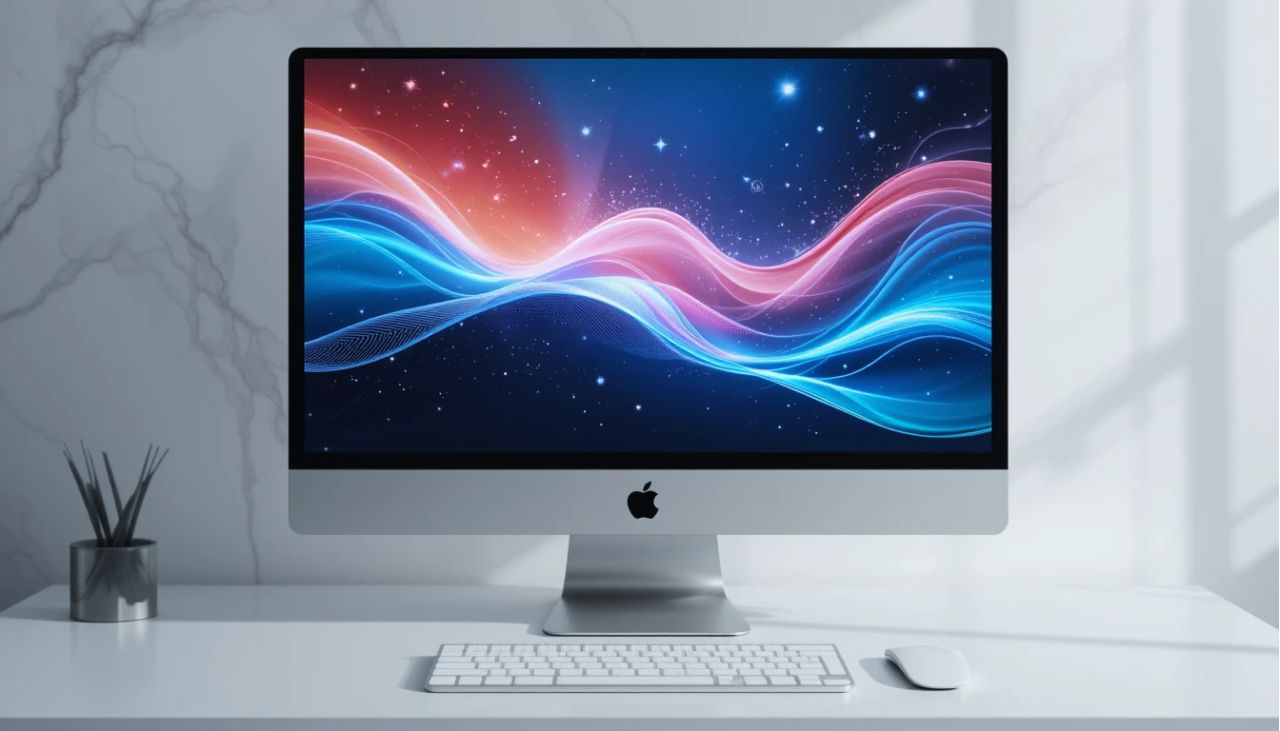
Apple’s Studio Display 2 is more than a simple refresh — it could be a hidden weapon for creative pros. With rumors pointing to bold upgrades, this monitor may quickly turn into a must-have tool for editors, designers, and developers who rely on Apple’s ecosystem every day.
The most exciting part? The display upgrades. Early reports suggest a jump to 6K resolution, full HDR support, and the buttery smoothness of ProMotion technology. Together, these features could make visuals sharper, colors richer, and animations seamless. For video editors, photographers, and 3D artists, this means seeing work exactly as it’s meant to be seen.
But Apple isn’t stopping at pixels. The Studio Display 2 is expected to deliver deeper integration with Apple Silicon Macs. That means optimized workflows, faster rendering times, and smoother app performance across macOS. For developers and creators, it’s not just about the screen — it’s about the speed and synergy that come with it.
And then there are the smart features. An upgraded camera could improve video calls, while spatial audio and AI-driven enhancements promise a richer, more immersive experience. Imagine editing video with sound that feels three-dimensional or presenting designs in meetings that feel life-like.
So, is the Studio Display 2 just another monitor? Or is it Apple’s way of reshaping how pros create and collaborate? If the rumors hold, this display might not just sit on a desk — it could become the centerpiece of every creative workflow.
The Price Question — Do These Wild Cards Deliver Enough Value?
When it comes to Apple, one thing is always certain — premium pricing. The Vision Pro M5 & Studio Display 2 are no exception, and that’s sparking a big debate: are buyers really getting their money’s worth?
Let’s look at the expected pricing tiers. The Vision Pro M5 is rumored to carry a price tag well above most competing headsets, likely pushing into the $3,000+ range. Meanwhile, the Studio Display 2 is expected to land around the $1,500 to $2,000 mark. Together, that’s a serious investment — even for Apple fans.
But price alone doesn’t tell the full story. The real question is cost vs. benefits. For professionals, creators, and businesses, these devices may pay off quickly. The Vision Pro M5 offers immersive productivity, faster 3D modeling, and virtual collaboration. The Studio Display 2 delivers sharper visuals, ProMotion smoothness, and tight integration with Apple Silicon Macs. In these cases, the return on investment could make the high price worthwhile.
For everyday users, though, the story changes. If your main tasks are browsing, streaming, or light editing, cheaper options may give you similar value. Competing headsets like Meta Quest Pro and high-end monitors from LG or Dell deliver strong features at lower prices.
So, where does Apple stand in the value-for-money debate? For pros who need cutting-edge tools, the Vision Pro M5 & Studio Display 2 can be worth every penny. For casual users, though, these wild cards may feel more like a luxury than a necessity.
Apple’s Roadmap — Where Do These Devices Fit in the Long Game?
Apple rarely launches products without a bigger plan. The release of the Vision Pro M5 & Studio Display 2 is not just about new hardware. It’s part of a larger roadmap that shows where Apple wants to take computing in the next few years.
The Vision Pro timeline makes this clear. The M5 model is set for 2025, but Apple already has the Vision Pro 2 planned for 2026 and a lighter, more affordable Vision Air expected in 2027. This steady rollout suggests Apple is not treating mixed reality as a side project. Instead, it’s building a future where spatial computing becomes mainstream. The M5 is simply the next step toward that vision.
Then there’s the Studio Display’s evolution. Apple could have stopped with the first version, but it didn’t. By working on the Studio Display 2, Apple is signaling that high-end monitors still matter. Creative professionals need sharp screens, smooth performance, and tight software-hardware integration. Apple wants to own that space.
The ecosystem advantage ties it all together. These new products are not meant to stand alone. The Vision Pro M5 works best when paired with Macs, iPads, and iPhones. The Studio Display 2 delivers its full potential only when connected to Apple Silicon Macs. Together, they make the ecosystem stronger and harder to leave.
So, in the long game, the Vision Pro M5 & Studio Display 2 aren’t just wild cards. They are strategic moves designed to lock in users and shape the future of Apple’s premium ecosystem.
Rivals vs. Apple — Do Vision Pro M5 & Studio Display 2 Outshine Competitors?
Apple is never alone in the tech race. With the Vision Pro M5 & Studio Display 2, the company steps into markets already filled with strong players. The question is clear: do Apple’s wild cards stand tall against rivals like Meta, Sony, LG, and Samsung?
Let’s start with headsets. The Vision Pro M5 will compete with the Meta Quest Pro and Sony XR devices. Meta offers affordability and a wide app library, while Sony focuses on gaming and immersive experiences. Apple, however, aims higher. With its M5 chip, premium design, and seamless macOS integration, the Vision Pro M5 is built for pros who need power, not just play. It may cost more, but it promises a more refined experience.
Now, the Studio Display 2 faces its own set of rivals. Top monitors like the LG UltraFine, Dell UltraSharp, and Samsung’s new 6K displays already deliver crisp visuals and strong color accuracy. Apple’s edge lies in tight integration with Apple Silicon Macs. Editors, designers, and developers get smoother workflows and better system performance when pairing Studio Display 2 with Mac hardware. This level of harmony is something third-party monitors can’t fully match.
Still, competition is real. Rivals often offer lower prices and broader compatibility. But Apple’s ecosystem advantage remains its biggest weapon. By blending hardware, software, and services, Apple creates an experience that feels effortless.
So, do the Vision Pro M5 & Studio Display 2 outshine their competitors? For professionals inside the Apple world, the answer is likely yes. For others, the debate continues.
Who Should Buy Vision Pro M5 & Studio Display 2 — And Who Shouldn’t?
Not every Apple fan needs the Vision Pro M5 & Studio Display 2. But for the right users, these devices can be true game changers. The key is knowing if you fall into the group that gets the most value.
First, let’s talk about the ideal buyers. If you’re a designer, 3D creator, video editor, or developer, these tools open up new possibilities. The Vision Pro M5 offers smoother AR/VR experiences for modeling, collaboration, and immersive design. Meanwhile, the Studio Display 2 brings 6K clarity, ProMotion, and HDR to creative workflows, helping pros see every detail. For these users, speed and precision directly boost productivity.
But here’s the catch. For casual users, the story is different. Watching movies or browsing the web doesn’t justify the steep price tags. These devices are not built for basic entertainment. They’re built for specialized work. That makes them less practical for someone who only needs a regular headset or monitor.
The ROI factor also matters. For businesses, studios, and professional teams, the cost could pay off in better performance and collaboration. But for individual buyers, the high price may feel like overkill unless their work demands pro-level tools.
So, who should buy the Vision Pro M5 & Studio Display 2? Serious professionals and early adopters looking for future-ready gear. Who shouldn’t? Everyday users who want simple, affordable tech. In the end, value depends on how much you create, not just how much you consume.
Verdict — Are Vision Pro M5 & Studio Display 2 Truly Worth the Price?
After looking at the features, price, and competition, it’s time for the bottom line: Are the Vision Pro M5 & Studio Display 2 worth it? The answer isn’t simple. It depends on who you are and how you plan to use them.
Let’s start with the strengths. Both products show Apple’s innovation at its best. The Vision Pro M5 brings a massive leap in mixed reality with its M5 chip, lighter design, and pro-level performance. The Studio Display 2 pushes creativity with 6K resolution, HDR, ProMotion, and smart features. Together, they also deliver seamless integration with Apple Silicon Macs, making them part of a bigger, future-ready ecosystem. Add Apple’s long-term support, and these devices are built to last.
But we must also note the weaknesses. The price is extremely high, which instantly limits access. Their niche appeal means they’re designed mainly for professionals, not casual users. And as with all early-adopter tech, there’s always a risk of paying more upfront before the market catches up.
So, what’s the balanced verdict? For designers, video editors, developers, and creative teams, the Vision Pro M5 & Studio Display 2 could be game-changing tools that justify the premium. But for everyday users, the cost far outweighs the benefits.
In short: Yes, they are worth it — but only for the right buyer. For everyone else, waiting might be the smarter choice.
Conclusion: Apple’s Gamble on Innovation — Should You Buy Into It?
Apple is betting big on the future with the Vision Pro M5 & Studio Display 2. The real question is simple — should you join them on this ride? Both devices showcase Apple’s unmatched design and ecosystem strength. The Vision Pro M5 brings faster power, smoother visuals, and new ways to work and play. The Studio Display 2, on the other hand, refreshes Apple’s monitor game with sharper screens and smarter features. Together, they look like a dream setup for creative pros and tech lovers.
But here’s the recap. These devices are not for everyone. If you’re a designer, editor, or professional who lives inside Apple’s ecosystem, then the Vision Pro M5 & Studio Display 2 can help you create, collaborate, and stay ahead. They deliver value if you need top-tier tools. However, if you’re a casual user who just streams shows, browses the web, or edits the occasional photo, the high price may not make sense. Waiting for Apple’s next updates — or more budget-friendly options — could be the smarter choice.
At the end of the day, these products are wild cards. They may shape the future of mixed reality and pro displays, or they may stay niche tools for early adopters. The decision comes down to your needs, your budget, and your love for Apple’s ecosystem.
So, what do you think? Are the Vision Pro M5 & Studio Display 2 truly worth the price, or just bold experiments? Share this blog with your friends, and don’t forget to drop your thoughts in the comments below. Your voice matters, and we’d love to hear where you stand in this debate.