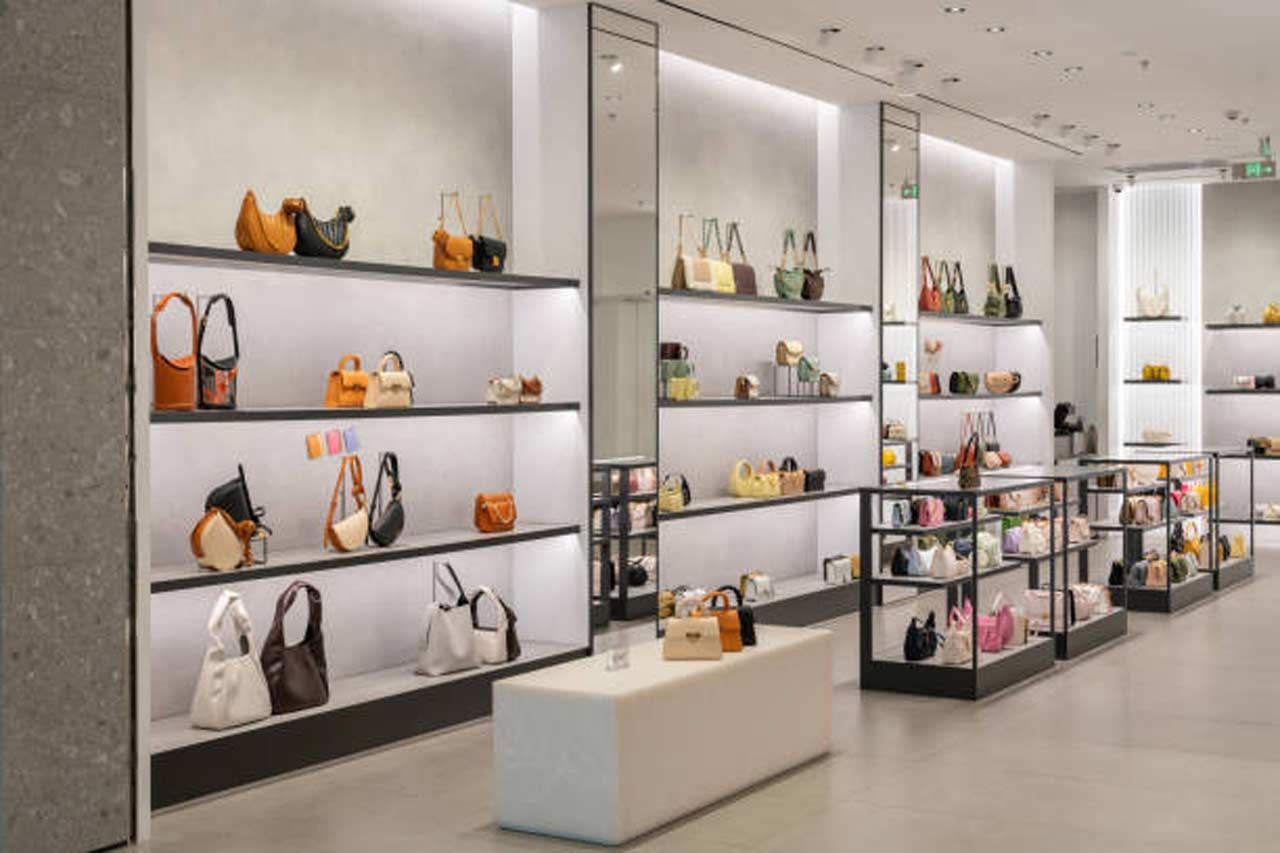
Retail store design has entered a new era. Businesses are no longer designing stores only around shelves, counters, and traditional signage. Modern retail environments increasingly include digital screens, smart lighting, interactive displays, connected devices, and technology-driven customer experiences.
For retailers planning a new store, understanding these developments can help create a space that is both visually attractive and prepared for future changes. Technology should not replace good interior design. Instead, it should complement the physical environment and make the store easier to navigate and more useful for customers.
Digital Signage for Flexible Communication
Traditional printed signs need to be redesigned and replaced whenever information changes. Digital signage provides a more flexible alternative.
Retailers can update digital content remotely and display different messages depending on promotions, seasons, products, or customer demand.


A fashion store might use digital screens to show seasonal collections, while an electronics retailer could display product demonstrations and technical information.
Smart Lighting Systems
Lighting is an important part of retail design, and smart lighting systems provide additional flexibility. Modern lighting can be adjusted according to time, area, or specific display requirements.
Accent lighting can highlight featured products, while general lighting provides comfortable visibility throughout the store.
Technology can also help retailers manage lighting more efficiently by controlling systems automatically.
Interactive Touchscreens
Touchscreens can provide customers with information without requiring large amounts of printed material. A well-positioned touchscreen can show product specifications, color options, availability, tutorials, and comparisons.
This is particularly useful for stores selling products with multiple variations.
For example, a customer shopping for a computer may want to compare storage capacity, processor specifications, screen sizes, and accessories. An interactive system can present this information in an organized format.
Technology-Friendly Store Fixtures
Introducing technology into a store requires careful planning. Screens, tablets, cables, lighting systems, and other equipment need secure and practical locations.
This is where customized Shop Fixtures can become useful. Fixtures can be designed around specific products and technology requirements, allowing retailers to create cleaner and more organized environments.
Instead of placing technology wherever there is available space, retailers can plan the entire display area around the customer journey.
Smart Product Displays
Modern Retail Shop Displays can support more than simple product presentation. Retailers can combine physical displays with digital content to create interactive product experiences.
For example, a customer viewing a smartphone could use a nearby screen to compare models or watch a demonstration.
This combination of physical and digital information can help customers understand products before making a purchasing decision.
Mobile Integration
Customers frequently use smartphones while shopping. Retailers can take advantage of this behavior through QR codes, mobile product information, digital catalogs, and online inventory systems.
A customer could scan a product and receive additional information directly on their phone.
This approach reduces the need for excessive printed signage and provides customers with information in a format they already use every day.
Contactless Payments
Payment technology has also changed retail environments. Contactless payment options can make transactions faster and more convenient.
Retailers should consider payment equipment when designing checkout counters. The counter should provide enough space for payment devices while maintaining an organized appearance.
Good checkout design should also consider customer queues and staff movement.
Inventory Technology
Behind the scenes, technology can help retailers manage stock. Inventory management systems can provide information about product availability and help businesses identify items that need replenishment.
Better inventory visibility can also influence store design. Retailers can dedicate display space to popular products while ensuring additional stock is available when customers request it.
Artificial Intelligence in Retail
AI is increasingly being used for tasks such as demand forecasting, customer support, product recommendations, and business analysis.
For retailers, the value of AI often comes from helping them make better decisions. Data can reveal which products perform well, which displays attract attention, and when demand is likely to increase.
These insights can support future store planning and merchandising decisions.
Augmented Reality Experiences
Augmented reality can allow customers to visualize products in different environments. Furniture retailers, for example, can use AR tools to help customers imagine how a product might look in their home.
Other retailers can use similar technology for accessories, fashion, home décor, and technology products.
Although AR is digital, it can enhance the physical shopping experience rather than replace it.
Designing for the Future
Technology changes quickly, so retailers should avoid designing stores that depend on one specific system forever.
Flexible furniture, modular displays, adjustable shelving, and accessible technology areas can make future upgrades easier.
Ant Display Is A Leading Manufacturer of Retail Store Fixtures, Mall Kiosks & Displays In China. We Offer Customized Showcases, Stands, Racks & Shelving, Commercial Furniture & More. We Provide Full Shop Design, Retail Displays For USA, CA, AU & Europe.
A flexible store design allows businesses to introduce new technology without completely rebuilding the interior.
Final Thoughts
Smart retail design is about finding the right balance between technology, functionality, and customer experience. Digital signage, interactive displays, smart lighting, mobile integration, contactless payments, AI, and inventory systems can all contribute to a more modern retail environment.
However, technology works best when it is supported by a well-planned physical store. Quality fixtures, organized displays, comfortable pathways, and thoughtful interior design remain essential parts of a successful retail business.