Emergency Funds Matter at Every Income Level
Why Emergency Funds Are Not Just for Financial Emergencies

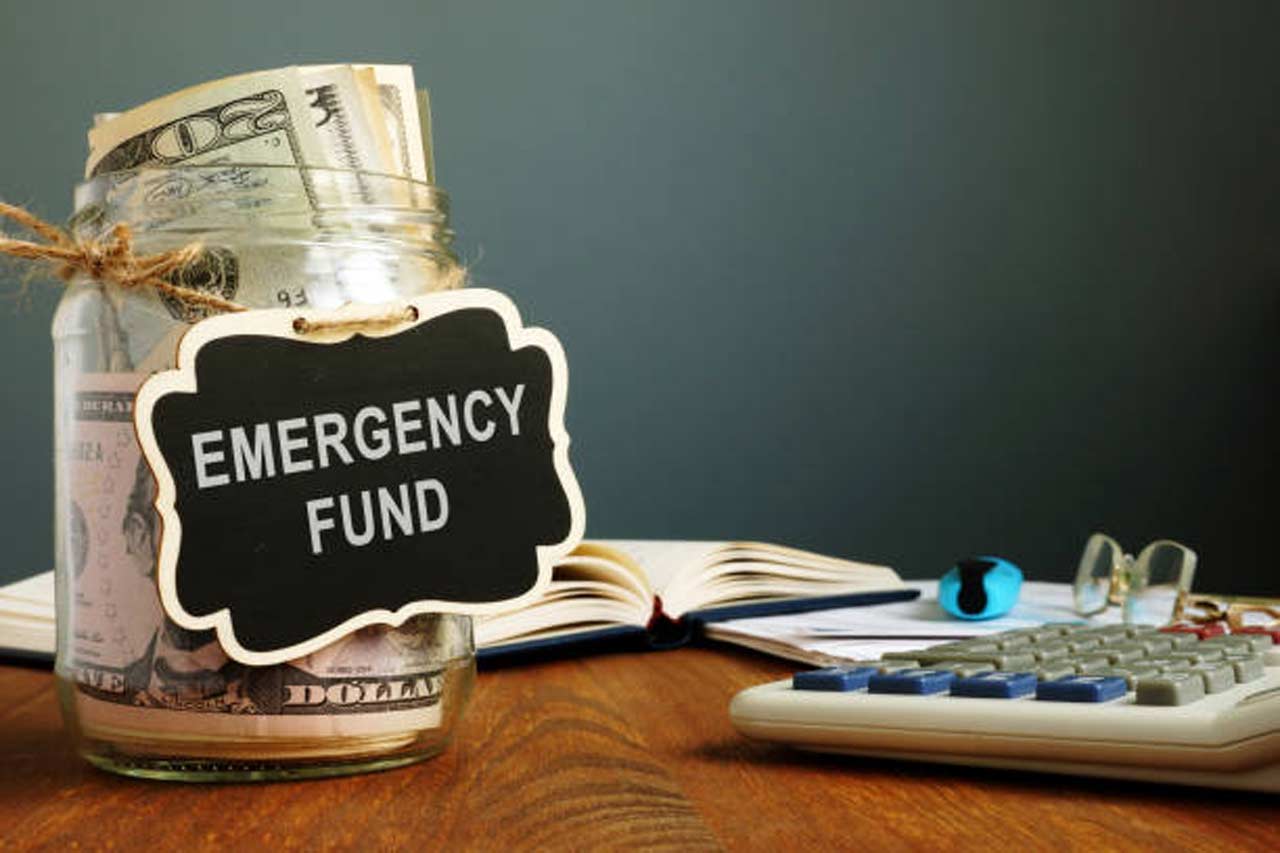
People often talk about emergency funds as if they are only for people who are struggling. That misses the bigger picture. A cash cushion is not just a lifeline for lower income households. It is also a stabilizer for middle income families, business owners, and even high earners whose financial lives may look strong on paper but are still vulnerable to disruption.
That is why conversations about debt, savings, and long term planning belong together. Someone exploring options like Maryland debt relief may be dealing with the aftermath of expenses that arrived faster than their cash flow could handle. In many cases, the real problem is not simply overspending. It is the lack of a buffer between daily life and financial fallout.
An emergency fund matters at every income level because emergencies scale with lifestyle. A person with a tighter budget may need protection from a car repair or utility shutoff. A higher earning household may need protection from a job gap, a major insurance deductible, or the pressure to sell investments at the wrong time. The numbers change, but the purpose stays the same. Cash buys breathing room.
The Hidden Cost of Having No Cushion
When people do not have emergency savings, they usually borrow time before they borrow money. They delay the dental visit. They put off the tire replacement. They ignore the weird noise in the furnace. Then the issue grows, and so does the bill.


For lower income households, that can mean turning to credit cards, payday loans, overdrafts, or informal borrowing that creates stress for everyone involved. For higher income households, the trap often looks more polished. It may mean carrying a large balance on a rewards card, taking money from a brokerage account during a market dip, or raiding retirement savings and creating taxes or penalties along the way. The result is still the same. A short term shock becomes a long term setback.
The Consumer Financial Protection Bureau explains that an emergency fund is a dedicated reserve for unplanned expenses and financial emergencies, helping people recover more quickly when life goes sideways. That simple distinction matters because money set aside for emergencies serves a different job than money meant for vacations, gifts, or home upgrades. See the CFPB’s guide to building an emergency fund for a practical framework.
Income Changes the Shape of the Emergency, Not the Need
One of the most useful ways to think about emergency savings is this: income does not remove risk. It changes the size and shape of it.
If you earn less, your emergency fund protects basic stability. It can keep rent paid, the lights on, and transportation working. In that sense, emergency savings help block financial spirals before they begin.
If you earn more, your emergency fund protects flexibility. A larger household often has larger fixed expenses, from mortgage payments to child care to health insurance. A professional with a high salary may also have income that is less predictable than it seems, especially if bonuses, commissions, freelance work, or business revenue make up part of the picture. Without liquid cash, even a strong income can become surprisingly fragile.
That is one reason emergency funds are not really about wealth. They are about liquidity. You can own assets and still be cash poor for the month you need help the most.
Why High Earners Sometimes Underestimate the Risk
There is a common assumption that people with higher incomes can just “figure it out” when something goes wrong. Sometimes they can, but often at a cost they did not expect.
Imagine needing cash during a weak market. Selling investments then can lock in losses that would have recovered with time. The Federal Reserve’s household financial well being data continues to track how prepared people are for unexpected expenses and rainy day needs, showing that cash readiness remains a meaningful measure of financial resilience. Its household economic well being data on unexpected expenses is a useful reminder that emergency planning is not just a budgeting issue. It is a stability issue.
High earners may also face another challenge: lifestyle commitments rise quietly. Bigger homes, higher deductibles, travel sports, tuition, aging parent support, and business expenses can all create a monthly burn rate that is much harder to pause than people realize. In that environment, an emergency fund is less about surviving poverty and more about avoiding forced financial choices.
A Better Way to Measure the Right Emergency Fund
The old advice about saving three to six months of expenses is useful, but it is not the only way to think about preparedness. A better starting point is to ask, “What would hit my budget hardest tomorrow?”
For some people, the answer is one major car repair. For others, it is the health insurance deductible. For a self employed person, it may be two slow months in a row. For a family with one primary earner, it may be the gap between a layoff and the next paycheck.
This approach makes emergency savings feel more real and less abstract. It also helps people avoid all or nothing thinking. You do not need a perfect fund before it helps you. Even a modest reserve can interrupt the chain reaction that turns one expense into lingering debt.
Emergency Savings Are Really About Preserving Options
The most overlooked benefit of an emergency fund is not mathematical. It is behavioral. Cash on hand gives you options when you are under pressure. It lets you make slower, better decisions. You can compare repair quotes, cover a deductible, wait for the right job instead of the first one, or avoid putting essential expenses on high interest credit.
That is true whether your income is modest, comfortable, or well above average. Financial stress does not always come from not earning enough. Sometimes it comes from not having enough liquid margin between normal life and the unexpected.
In that sense, an emergency fund is not just a pile of money. It is a form of self protection. It protects your budget, your long term plans, and your ability to respond without panic. At every income level, that kind of stability is worth building.