Why THC Vaping Safety Matters More Than Most People Realize
 Why THC Vaping Safety Matters More Than Most People Realize
THC vaping is often seen as a smoother alternative to smoking because it avoids combustion and can feel cleaner on the lungs. However, the quality and safety of vape products vary widely depending on how they are manufactured, what additives are used, and how the device itself is handled. Harsh hits, throat irritation, and exposure to contaminants are usually not caused by THC alone but by poor formulation, low-quality hardware, or improper usage.
Understanding what creates these issues is important because vaping delivers active compounds directly into the lungs, where absorption is rapid and any impurities can have a more immediate effect compared to other consumption methods.
What Causes Harsh Hits When Vaping THC
Harsh hits are one of the most common complaints among THC vape users, and they are usually caused by a combination of temperature, oil viscosity, and device quality. When a vape cartridge overheats, the oil can degrade, producing a burnt or chemically sharp sensation that irritates the throat and lungs.
Low-quality cartridges may also contain thinning agents or additives that do not vaporize cleanly, leading to discomfort during inhalation. Even naturally thick cannabis oils can become harsh if the device is not calibrated properly or if the airflow is too restricted.
Another factor is user behavior. Taking long, deep pulls repeatedly without allowing the coil to cool down can increase temperature buildup, making each hit progressively harsher.


Contaminants in THC Vape Products
Contamination risk is one of the most important safety concerns in vaping. Because vape oil is inhaled directly into the lungs, any residual solvents, pesticides, heavy metals, or cutting agents can become a health concern.
Poor manufacturing practices can leave behind trace solvents used during extraction, while low-quality cannabis inputs may carry pesticide residues that concentrate in the final oil. In some cases, cheap hardware can also introduce heavy metals from the heating coil into the vapor.
This is why lab testing and transparent sourcing are critical in vape products. Clean extraction methods and verified testing significantly reduce the likelihood of unwanted compounds ending up in the final product.
Choosing Safer THC Vape Products
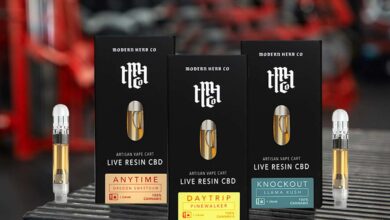
One of the most effective ways to reduce risk is selecting products from brands that prioritize transparency, lab testing, and consistent formulation standards. High-quality vape products typically provide cannabinoid breakdowns, terpene profiles, and contaminant screening results.
Consistency also matters. Products with stable viscosity and well-formulated terpene blends tend to vaporize more evenly, reducing the risk of overheating or harsh inhalation. This is where regulated, clearly labeled products from providers like Got Flower are often preferred by users who prioritize reliability and cleaner vapor production.
Hardware quality is just as important as oil quality. Ceramic coils, well-sealed cartridges, and properly designed airflow systems all contribute to smoother and safer inhalation experiences.
Proper Vaping Technique to Reduce Irritation
Even with high-quality products, technique plays a major role in how smooth the experience feels. Taking slower, controlled draws instead of long, forceful inhales helps regulate temperature and reduces strain on the throat and lungs.
Allowing short pauses between hits also helps prevent overheating of the coil. When the device is used continuously without breaks, the oil temperature can rise too quickly, increasing the likelihood of harsh vapor.
Hydration is another often overlooked factor. Dry airways can make vapor feel more irritating, especially during repeated use.
Device Maintenance and Storage Safety
Proper storage and maintenance of THC vape devices can significantly reduce safety risks. Cartridges should be kept upright in a cool environment to prevent oil leakage and maintain consistent viscosity. Exposure to heat or sunlight can degrade both cannabinoids and terpenes, altering the vapor quality.
Disposable or refillable devices should also be used within their recommended lifespan. Overuse beyond intended capacity can lead to coil degradation, which increases the chance of burnt or uneven vapor production.
Keeping connections clean and ensuring the battery is functioning properly also helps maintain stable heating performance.
Understanding the Role of Temperature Control
Temperature is one of the most important factors in vape safety and experience quality. Lower temperatures generally produce smoother vapor with more preserved terpene flavor, while higher temperatures increase potency perception but also raise the risk of harshness and degradation.
Devices without proper temperature regulation rely heavily on user draw strength, which can lead to inconsistent heating. In contrast, well-designed systems maintain more stable vaporization conditions, reducing the chance of overheating and irritation.
The Bottom Line on THC Vape Safety
THC vaping can be a smoother alternative to smoking when done with high-quality products, proper technique, and attention to device safety. Harsh hits are usually a result of overheating, poor formulation, or low-grade hardware rather than THC itself, while contamination risks are closely tied to manufacturing standards and product transparency.
Choosing clean, tested products, using controlled inhalation techniques, and maintaining devices properly all contribute to a safer and more comfortable experience. When these factors are aligned, vaping can offer a more consistent and controlled way to consume THC compared to less regulated methods.
FAQ
Why do THC vape hits feel harsh?
Harsh hits are usually caused by overheating, low-quality oil, or poor cartridge design that produces uneven vaporization.
Are THC vape cartridges safe?
They can be safe when properly manufactured and lab-tested, but quality varies widely depending on sourcing and production standards.
What contaminants are found in vape products?
Potential contaminants include residual solvents, pesticides, heavy metals, and cutting agents from low-quality production processes.
How can I make vaping smoother?
Using lower temperatures, taking slower draws, staying hydrated, and using high-quality devices can all improve smoothness.
Does device quality affect vape safety?
Yes, hardware quality directly impacts heating consistency, airflow, and the likelihood of producing clean vapor.