Why Free Online Solitaire Is a Perfect Micro-Break Activity for Busy Professionals

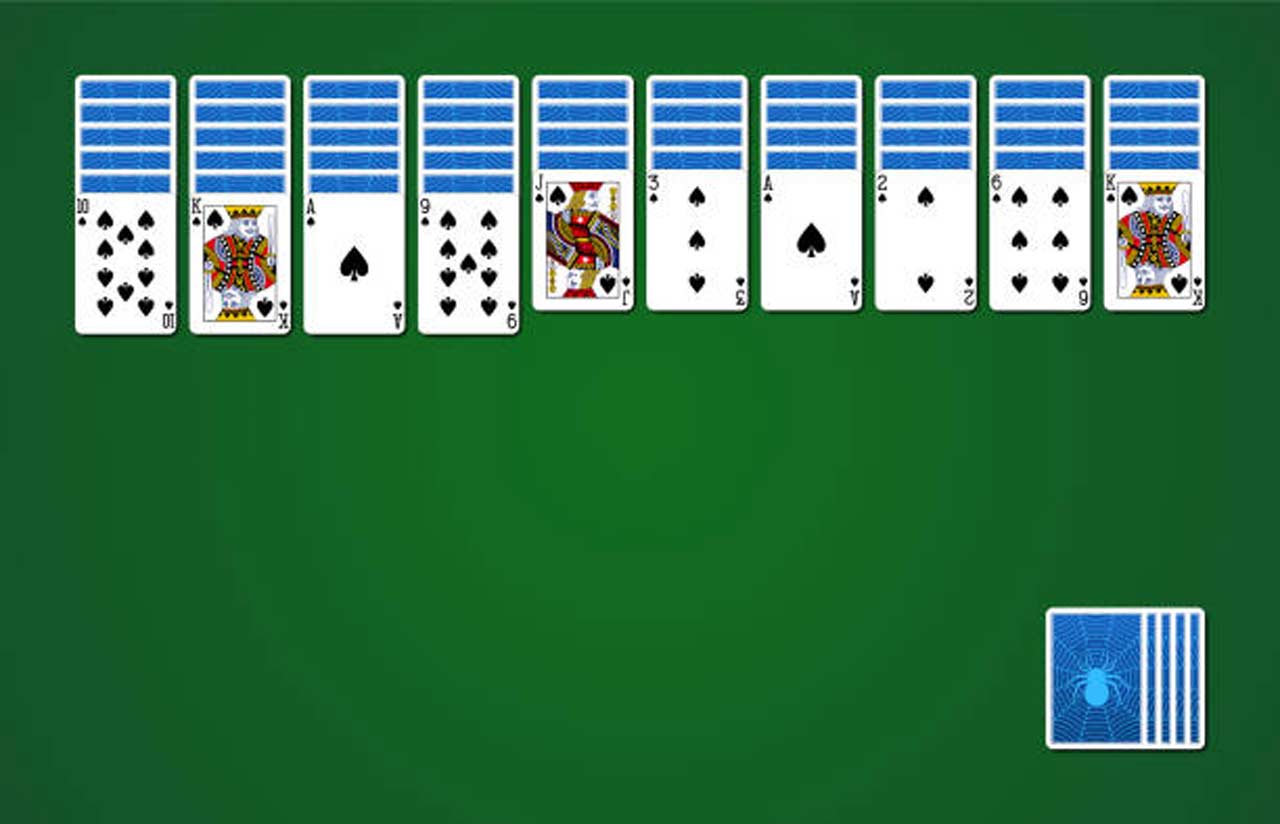
In high-demand work environments, maintaining focus throughout the day requires deliberate mental recovery. Many professionals are now turning to free online solitaire as a structured way to step back briefly without losing productivity. Unlike passive scrolling or open-ended apps, it offers a controlled, time-bound activity that supports both cognitive reset and sustained performance.
How do micro-breaks improve productivity in demanding work environments?
Micro-breaks improve productivity by allowing the brain to recover from sustained attention demands. Short, structured pauses help restore focus, reduce mental fatigue, and maintain consistent performance, enabling professionals to return to tasks with improved clarity and efficiency rather than diminished cognitive capacity.
Continuous work without interruption leads to diminishing returns. Attention declines, errors increase, and mental fatigue accumulates. Micro-breaks address this by introducing short periods of disengagement that allow cognitive resources to reset.
Research from the University of Illinois shows that brief mental breaks can improve focus by up to 16%, particularly during repetitive or demanding tasks. This improvement occurs because the brain regains its ability to sustain attention after a short pause.


The effectiveness of micro-breaks depends on structure. Activities that are too passive may not fully engage the mind, while overly complex tasks can extend beyond the intended break. This is where simple, rule-based games like solitaire become particularly effective.
Why is free online solitaire well-suited for micro-breaks?
Free online solitaire is well-suited for micro-breaks because it offers short, self-contained gameplay sessions that require moderate cognitive engagement. Its clear objectives and predictable structure allow users to disengage from work temporarily without losing track of time or becoming cognitively overwhelmed.
One of the defining features of solitaire is its bounded nature. Each game has a clear beginning and end, typically lasting only a few minutes. This makes it easy to integrate into short breaks without disrupting workflow.
Unlike social media or streaming platforms, which are designed to extend user engagement indefinitely, solitaire provides a natural stopping point. This prevents time overrun and helps professionals maintain control over their schedules.
The game also strikes a balance between engagement and simplicity. It requires attention and decision-making but does not demand the level of intensity associated with more complex games. This makes it ideal for short, restorative intervals during the workday.
How does solitaire support focus and cognitive performance?
Solitaire supports cognitive performance by engaging working memory, attention, and strategic thinking. Players must track card positions, evaluate options, and plan moves, which strengthens mental processes and promotes sustained focus without introducing the cognitive overload associated with high-intensity digital activities.
During gameplay, individuals continuously process information, remember previous moves, and anticipate outcomes. These actions activate working memory and reinforce attention control.
Studies on cognitive training suggest that engaging in structured mental activities can improve working memory by approximately 15% over time. This improvement is linked to repeated practice in tasks that require information retention and problem-solving.
Solitaire also encourages deliberate thinking. Players are not pressured by time constraints, allowing them to consider each move carefully. This fosters a deeper level of cognitive engagement compared to fast-paced games that prioritize speed over strategy.
By promoting these mental processes, solitaire contributes to overall cognitive performance in a way that aligns with professional demands.
Can playing solitaire reduce stress during the workday?
Playing solitaire can reduce stress by providing a predictable and low-pressure activity that allows the mind to disengage from work-related demands. Its structured gameplay creates a calming effect, helping to lower cognitive strain and support emotional regulation during short breaks.
Work-related stress often stems from prolonged cognitive effort and constant task switching. Without adequate breaks, this stress can accumulate and impact both performance and well-being.
Solitaire offers a form of active relaxation. Unlike passive activities, it engages the mind in a controlled way, redirecting attention without introducing new stressors. The absence of competition, time pressure, or complex objectives contributes to its calming effect.
Research indicates that short, engaging breaks can reduce stress levels by up to 30%, particularly when they involve activities that are both structured and enjoyable. Solitaire fits this description, providing a consistent and reliable way to manage stress during the workday.
The repetitive nature of the game also plays a role. Familiar patterns and predictable outcomes create a sense of stability, which can be beneficial in high-pressure environments.
How does solitaire compare with other digital break activities?
Solitaire differs from other digital break activities by offering controlled engagement and clear endpoints. Unlike social media or video content, it minimizes distractions and prevents overuse, making it a more effective option for maintaining productivity and avoiding the cognitive drain associated with unstructured digital consumption.
Many professionals turn to their phones during breaks, often engaging with social media or news feeds. While these activities provide distraction, they are typically unstructured and can extend far beyond the intended break.
In contrast, solitaire provides a focused experience. The player’s attention is directed toward a single task, reducing exposure to external stimuli. This helps maintain mental clarity and prevents the fragmentation of attention.
Additionally, solitaire avoids the continuous reward systems that characterize many modern apps. These systems are designed to keep users engaged for extended periods, which can interfere with productivity.
Cognitive research suggests that activities with clear boundaries are more effective for mental recovery because they allow individuals to fully disengage and then re-engage with work. Solitaire’s structure aligns with this principle, making it a practical choice for professionals.
Why does free online solitaire align with modern professional routines?
Free online solitaire aligns with modern professional routines by offering flexibility, accessibility, and efficiency. It can be played anywhere, requires minimal setup, and fits seamlessly into short breaks, making it an ideal tool for managing time, maintaining focus, and supporting overall work performance.
Modern work environments are increasingly dynamic, with professionals balancing multiple tasks and responsibilities. This requires tools that are both flexible and efficient.
Free online solitaire meets these requirements by being easily accessible across devices. It does not require downloads, extensive setup, or continuous connectivity, allowing users to engage with it whenever needed.
Its adaptability is another advantage. Whether used during a five-minute break or a slightly longer pause, the game adjusts to the user’s schedule. This flexibility ensures that it remains relevant in a variety of contexts.
The simplicity of solitaire also contributes to its effectiveness. It does not require learning new mechanics or adapting to changing systems, allowing users to focus entirely on the experience.
As work patterns continue to evolve, activities that support both productivity and well-being will become increasingly important. Free online solitaire demonstrates how a classic game can meet these modern demands by providing a reliable, structured, and cognitively beneficial form of digital engagement.