
Digital library tools make it easier to find, borrow, and manage books, but the platform’s name or interface does not establish that its files are authorized. Z library is one service readers should assess cautiously; this article cannot establish its legitimacy or current licensing status. Responsible reading starts with sources that explain their licensing or lending terms, while keeping borrowing, purchasing, and public-domain access distinct.
Licensed platforms make discovery and borrowing safer
Public and academic libraries offer licensed ebook lending through services such as Libby or OverDrive. Loans expire after a set period. Provider rules may also limit devices or use DRM. A file can remain on a device after its loan ends, but that does not mean the reader can keep using it.
An authorized ebook store or publisher platform grants access under purchase or subscription terms. Digital library books are not necessarily free to download: access may be a time-limited loan, a paid purchase, or a subscription. Purchasing is different from subscribing, but neither necessarily grants unrestricted ownership or copying rights. Public-domain repositories such as Project Gutenberg offer another route. Status can vary by country, and between an original text, its translation, and a particular edition.
Search filters, previews, recommendations, and accessibility settings help readers find suitable editions without downloading first. “E-library” is a broad label, not a guarantee of licensing. Check what rights the source has and what the reader is allowed to do.

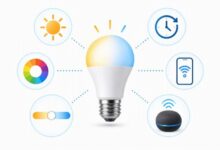
How Z library should be assessed before any download
A library-like interface and a large catalogue do not prove that a service has permission to distribute each title. Before using an unfamiliar source, look for clear information about who owns or licenses the files and whether access follows a recognizable lending or purchase model. Vague rights information is a reason to choose another source.
Readers assessing Z-library should not treat the site’s own statements, its availability, or its catalogue as independent proof of rights. This article cannot establish its legitimacy or current licensing status. Laws and exceptions differ by jurisdiction, and a file being easy to find does not establish permission to download it.
Avoid uploading copyrighted books or bypassing DRM. The legal treatment of DRM circumvention varies by jurisdiction and service; bypassing it may breach service terms or local law. If a title is unavailable through a library or authorized seller, ask a librarian about interlibrary loan or check the publisher’s access options.
Organize a legal personal reading collection
Good ebook metadata saves time and helps prevent duplicate or altered downloads. Record the author, title, edition, language, publication year, ISBN, and source. A note that a book came from a library loan, a purchase, or a public-domain source is useful when the same title appears in several editions.
Folders and tags can separate borrowed books from owned files. Reading lists, search, notes, and device synchronization make a collection easier to use. Return borrowed books or let them expire when the loan ends. Purchased and public-domain files remain subject to their license terms, which can restrict redistribution or reuse.
“Free books” is accurate only when the source is authorized, for example, a public-domain work, a Creative Commons release, or a library loan. Free access does not automatically mean public domain.
Where to start with copyright-respecting digital reading
A library card, an authorized ebook store, a publisher platform, or a reputable public-domain source can be a good starting point. Check the terms first. They may specify the lending period, territory, device limits, and sharing. Keep source and loan or purchase details with the ebook’s metadata; that record helps resolve later questions about a file.
A “Free library” may provide time-limited lending or public-domain works, not unrestricted copies. A site name or search result cannot establish that a book is legally available. Do not infer authorization from Z library or any other service’s visibility. When rights are unclear, use a verified source instead.